

Burze zimowe w Europie 2026: Co powinni zrobić podróżni, gdy loty są odwołane i występują zakłócenia w transporcie
Table of contents
- Opady śniegu, które spowodowały chaos w całej Europie na początku stycznia 2026
-
Śnieg, burze i odwołania lotów: co robić jako turysta - niekonwencjonalne porady od Visit World
- 1. Zaplanuj podróż z "zapasem na pogodę"
- 2. Wybierz lotniska hubowe z alternatywami
- 3. Zwróć uwagę na trasy "odporne na zimę"
- 4. Sprawdź politykę linii lotniczych z wyprzedzeniem
- <\u200b5. Zachowaj dostęp offline do ważnych<\u200b<\u200b
- <\u200b6. Nie czekaj - działaj jako pierwszy<\u200b<\u200b
- <\u200b7. Myśl nie tylko o locie, ale o całej podróży<\u200b<\u200b
- <\u200b8. Zawsze miej „zimowy rezerw finansowy”<\u200b<\u200b
- <\u200b9. Śledź lokalne ostrzeżenia, a nie tylko wiadomości<\u200b<\u200b
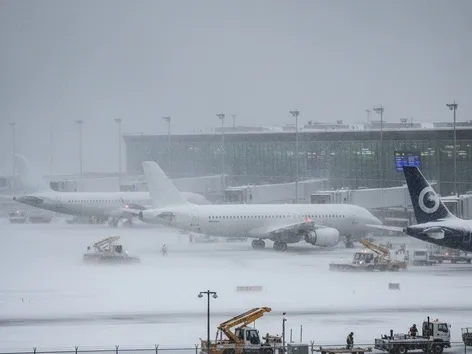
Zima w Europie coraz częściej przynosi śnieżyce, opóźnienia lotów i chaos drogowy. Dowiedz się, jak przygotować się na pogodę, chronić swoją podróż i unikać niepotrzebnych wydatków

Początek roku już pokazał, jak wrażliwy może być europejski system transportowy zimą. Opady śniegu, lód i silne mrozy doprowadziły do masowych odwołań lotów, zakłóceń w ruchu kolejowym oraz tymczasowej izolacji niektórych regionów.
Chociaż ostra faza tych wydarzeń już minęła, zima trwa w najlepsze, a prognozujący ostrzegają, że podobne scenariusze pogodowe mogą się powtarzać – zwłaszcza pod koniec stycznia i lutego.
Dlatego kluczowe pytanie dla podróżnych dzisiaj brzmi: "co zrobić, jeśli znów wystąpi burza śnieżna", mówimy ci.
Podróżowanie zimą? Ubezpieczenie podróżne chroni twoje pieniądze i nerwy w przypadku złej pogody, odwołania lotów i nieprzewidzianych wydatków. Złóż wniosek o polisę online w kilka minut na portalu Visit World!

Opady śniegu, które spowodowały chaos w całej Europie na początku stycznia 2026
W ciągu ostatnich kilku dni Europa ponownie zmierzyła się z konsekwencjami trudnych warunków zimowych. Opady śniegu, lód i gwałtowny spadek temperatury doprowadziły do ogromnych zakłóceń w usługach transportowych w kilku krajach jednocześnie.
Francja i Holandia były najbardziej dotknięte, gdzie lotniska zmuszone były do ograniczenia operacji lub tymczasowego odwołania lotów z powodu zaśnieżonych pasów startowych i silnych wiatrów. Setki lotów w Paryżu i Amsterdamie nie zostały zaplanowane, a tysiące pasażerów zmagało się z opóźnieniami, zmuszonymi noclegami na lotniskach i trudnościami z transferami.
Warunki pogodowe wpłynęły również na usługi kolejowe: w niektórych regionach usługi pociągów i autobusów były ograniczone lub wstrzymane z powodów bezpieczeństwa. Niektóre kraje na Bałkanach i w Północnej Europie również zgłosiły przerwy w dostawie prądu, powodzie i trudne warunki drogowe.
Podczas gdy większość lotnisk i firm transportowych już szuka sposobów na poradzenie sobie z tą sytuacją, prognozujący ostrzegają, że zima w Europie wchodzi w swój najbardziej nieprzewidywalny okres, a podobne scenariusze pogodowe mogą się powtarzać więcej niż raz.
Instrukcje krok po kroku, które pomogą ci wybrać odpowiednie ubezpieczenie zdrowotne w tym artykule.
Dlaczego załamania pogodowe stają się nową normą w Europie?
Zimowe burze w Europie są coraz rzadsze i są zjawiskiem jednorazowym. Połączenie arktycznego powietrza, silnych wiatrów i wysokiej wilgotności prowadzi do sytuacji, w których nawet dobrze przygotowana infrastruktura nie wytrzymuje obciążenia.
Dla podróżnych oznacza to jedno: ryzyko opóźnień, odwołań i nieprzewidzianych wydatków zimą jest znacznie wyższe niż w ciepłym sezonie. Dlatego odpowiednie przygotowanie staje się nie tylko zaleceniem, ale koniecznością.
Śnieg, burze i odwołania lotów: co robić jako turysta - niekonwencjonalne porady od Visit World
1. Zaplanuj podróż z "zapasem na pogodę"
Podczas rezerwacji lotów zimą zostaw co najmniej 12-24 godziny zapasu między transferami lub ważnymi wydarzeniami (rejs, wydarzenie, połączenie). To jest krytycznie ważne zimą, gdy lotniska mogą całkowicie przestać działać przez kilka godzin lub dni.
2. Wybierz lotniska hubowe z alternatywami
Duże lotniska hubowe (Paryż, Amsterdam, Frankfurt) są pierwszymi, które cierpią z powodu złej pogody, ale jednocześnie mają najwięcej tras zapasowych. Przed podróżą sprawdź, czy w pobliżu znajduje się alternatywne lotnisko lub szybka kolej.
Wynajęcie samochodu jest ważną częścią komfortowej podróży po Europie. Przeczytaj tutaj jak wynająć samochód w Europie bezpiecznie i bez stresu.
3. Zwróć uwagę na trasy "odporne na zimę"
Jeśli masz wybór między lotem bezpośrednim a trasą z kilkoma przesiadkami, zimą lepiej wybrać minimalną liczbę połączeń. Każda dodatkowa przesiadka zwiększa ryzyko zakłócenia całej podróży.
4. Sprawdź politykę linii lotniczych z wyprzedzeniem
Nie wszystkie linie lotnicze zachowują się tak samo podczas złej pogody. Niektóre pozwalają na bezpłatne zmiany rezerwacji lub zwroty nawet przed oficjalnym odwołaniem lotu. Taka wiedza pomoże ci zaoszczędzić czas i pieniądze.
Warunki pogodowe zimą za granicą oznaczają zwiększone ryzyko upadków, urazów i hipotermii. Ubezpieczenie zdrowotne pomoże ci uzyskać potrzebną pomoc bez stresu finansowego, nawet jeśli sytuacja wydaje się nieistotna.
W krajach UE każda wizyta u lekarza bez polisy może być bardzo kosztowna, więc ubezpieczenie jest podstawową koniecznością w życiu i podróżach zimą.
Wybierz polisę ubezpieczenia zdrowotnego na portalu Visit World.
<\u200b<\u200b
<\u200b<\u200b
<\u200b<\u200b
<\u200b<\u200b
<\u200b<\u200b
<\u200b<\u200b
<\u200b<\u200b
<\u200b<\u200b
<\u200b<\u200b
<\u200b<\u200b
<\u200b<\u200b
<\u200b<\u200b
<\u200b<\u200b
<\u200b<\u200b
<\u200b<\u200b
<\u200b<\u200b
<\u200b<\u200b
<\u200b<\u200b
<\u200b<\u200b
<\u200b<\u200b
<\u200b<\u200b
<\u200b<\u200b
<\u200b<\u200b
<\u200b<\u200b
<\u200b<\u200b
<\u200b
<\u200b5. Zachowaj dostęp offline do ważnych<\u200b<\u200b
<\u200b
W przypadku masowych opóźnień mobilny Internet może działać niestabilnie. Pobierz z wyprzedzeniem:<\u200b
- karty pokładowe;<\u200b
- polisa ubezpieczeniowa;<\u200b
- kontakty do linii lotniczych i firmy ubezpieczeniowej;<\u200b
- adres hotelu offline.<\u200b
To drobiazg, który naprawdę oszczędza nerwy w sytuacji awaryjnej.<\u200b
<\u200b6. Nie czekaj - działaj jako pierwszy<\u200b<\u200b
<\u200b
Podczas odwołania lotów, pierwsze osoby, które się skontaktują, otrzymają decyzję. Dlatego natychmiast dołącz do elektronicznej kolejki serwisu wsparcia, sprawdź niezależne przebookowanie w aplikacji i jednocześnie zarejestruj opóźnienie (zrzuty ekranu, powiadomienia). To ważne zarówno dla odszkodowania, jak i roszczeń ubezpieczeniowych.<\u200b
<\u200b7. Myśl nie tylko o locie, ale o całej podróży<\u200b<\u200b
<\u200b
Katastrofa to nie tylko odwołany lot. To dodatkowe noclegi, posiłki, transfery, wydatki awaryjne w innym kraju.<\u200b
<\u200b
Link mówi, dlaczegoubezpieczenie podróżne na wakacje i urlopy to nie wydatek, ale gwarancja bezpieczeństwa, spokoju i ochrony finansowej podczas wakacji.<\u200b
<\u200b8. Zawsze miej „zimowy rezerw finansowy”<\u200b<\u200b
<\u200b
W zimnym sezonie warto mieć osobny rezerw funduszy specjalnie na nieprzewidziane wydatki: dodatkową noc w hotelu, transfery lub posiłki. Turyści często niedoceniają tego punktu, a zimą staje się to krytyczne.<\u200b
<\u200b9. Śledź lokalne ostrzeżenia, a nie tylko wiadomości<\u200b<\u200b
<\u200b
Oficjalne służby meteorologiczne i operatorzy transportu publikują ostrzeżenia, zanim informacje pojawią się w mediach. Subskrypcja lokalnych alertów może dać ci kilka godzin przewagi.<\u200b
<\u200b
Ostatnie wydarzenia w Europie udowodniły raz jeszcze: zimowe załamania pogody mogą zdarzyć się nagle i w każdym kraju. Kompetentne planowanie, uwaga na szczegóły i dostępność ubezpieczenia pozwalają utrzymać kontrolę nad sytuacją. Zimą przygotowany podróżnik to chroniony podróżnik.<\u200b
<\u200b
Zimowe burze, opady śniegu i chaos drogowy to rzeczywistość europejskich podróży w zimnym sezonie. Ubezpieczenie podróżne pomoże zrekompensować koszty opóźnionych lotów, dodatkowych noclegów, zmian tras i sytuacji awaryjnych za granicą.<\u200b<\u200b
Wybierz ubezpieczenie podróżne od zaufanych agentów ubezpieczeniowych na portalu Visit World!<\u200b<\u200b
<\u200b
<\u200b<\u200b
<\u200b<\u200b
<\u200b<\u200b
<\u200b<\u200b
<\u200b<\u200b
<\u200b<\u200b
<\u200b<\u200b
<\u200b<\u200b
<\u200b<\u200b
<\u200b<\u200b
<\u200b<\u200b
<\u200b<\u200b
<\u200b<\u200b
<\u200b<\u200b
<\u200b<\u200b
<\u200b
<\u200b
Przypomnienie! Punktualność lotów w 2025 roku stała się kluczowym wskaźnikiem jakości transportu lotniczego na świecie. Już powiedzieliśmy, które linie lotnicze i lotniska wykazały najwyższą punktualność według rankingu Cirium, które stały się liderami wśród przewoźników i które węzły lotnicze zajęły czołowe miejsca w światowym rankingu.
Zdjęcie - wygenerowane przez Gemini
Produkty z Visit World na komfortową podróż:
Przewodnik turystyczny dla 200 krajów;
Porady prawne od lokalnego specjalisty w sprawach wizowych i migracyjnych;
Ubezpieczenie podróżne na całym świecie (proszę wybrać kraj zainteresowania i obywatelstwo, aby otrzymać usługi);
Ubezpieczenie zdrowotne na całym świecie.
Monitorujemy dokładność i aktualność naszych informacji, więc jeśli zauważysz jakiekolwiek błędy lub nieścisłości, proszę skontaktuj się z naszą infolinią.
Frequantly
asked questions
Która burza była najsilniejsza w Europie?
Które europejskie miasto ma najgorszą pogodę?
Który kraj ma najwięcej burz śnieżnych?
Recommended articles
1 min
Travels
Gdzie jechać w 2026 roku: Najbardziej autentyczne miejsca podróży w Europie
W 2026 roku podróżnicy wybierają autentyczne miasta, naturę i zrównoważoną turystykę. Dowiedz się, które europejskie destynacje warto odwiedzić, aby doświadczyć autentycznej podróży
30 gru. 2025
More details1 min
Travels
Najlepsze wakacje rodzinne z dziećmi: 10 podróży, które warto zaplanować w 2026 roku
Planujesz podróż rodzinną w 2026 roku? Wybór 10 najlepszych miejsc na wakacje z dziećmi poniżej 10 roku życia: rejsy, ośrodki, miasta i bezstresowe wyjazdy dla rodziców
01 sty. 2026
More details2 min
Travels
Najbezpieczniejsze kraje do podróżowania w 2026 roku: Gdzie jechać w różnych regionach bez ryzyka
W 2026 roku bezpieczeństwo podróży stanie się jednym z głównych kryteriów wyboru celu podróży dla podróżnych. Dowiedz się, gdzie można bezpiecznie jechać w różnych regionach świata
02 sty. 2026
More details1 min
Travels
Podróżowanie po Europie może być komfortowe i pełne wrażeń nawet bez wydawania dużych pieniędzy - wszystko zależy od odpowiedniego podejścia do planowania. Dowiedz się, jak zaoszczędzić pieniądze podczas podróży po Europie: kiedy jest najlepszy czas na wyjazd, jak obniżyć koszty transportu, zakwaterowania, jedzenia i rozrywki bez kompromisów w jakości podróży
04 sty. 2026
More detailsAll materials and articles are owned by VisitWorld.Today and are protected by international intellectual property regulations. When using materials, approval from VisitWorld.Today is required.