

Sri Lanka aktualizuje zasady wizowe: nowe możliwości dla turystów i cyfrowych nomadów
Table of contents
- Wiza dla cyfrowych nomadów: legalna praca zdalna z Sri Lanki
- Co mogą robić posiadacze Wizy Cyfrowych Nomadów w Sri Lance?
- Jak działa proces aplikacji o wizę dla cyfrowych nomadów w Sri Lance?
- Przedłużona wiza turystyczna do Sri Lanki: do 180 dni pobytu
- Ograniczenia dla turystów pracujących zdalnie
- Dlaczego Sri Lanka stawia na cyfrowych nomadów?
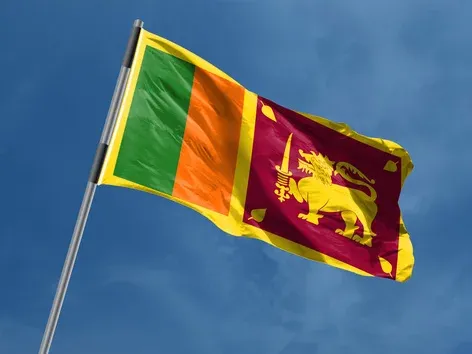
Sri Lanka aktualizuje swoje zasady migracyjne i otwiera nowe możliwości dla podróżnych i pracowników zdalnych szukających komfortowego kraju na dłuższy pobyt. Format wizowy w kraju upraszcza legalny pobyt, pracę online i planowanie dłuższych podróży bez naruszania lokalnych przepisów. Dowiedz się więcej o opcjach wizowych Sri Lanki dla turystów i cyfrowych nomadów

Sri Lanka podejmuje kolejny krok w kierunku obcokrajowców, którzy łączą podróże z pracą zdalną lub planują dłuższy pobyt w kraju jako turyści. Jak zauważa Fragomen wskazuje, kraj oferuje dwie opcje wizowe: osobną wizę dla cyfrowych nomadów oraz wizę turystyczną z przedłużonym pobytem. To stwarza dodatkowe możliwości dla obcokrajowców na legalny pobyt w kraju i upraszcza formalności.
Co dokładnie się zmieniło, kto może ubiegać się o te wizy i jakie warunki obowiązują dla pracowników zdalnych i podróżnych — opowiemy więcej w tym artykule.
Planujesz pracować zdalnie z Sri Lanki lub innego kraju i nie chcesz się pogubić w zasadach wizowych?
Przewodnik Visit World dla cyfrowych nomadów pomoże Ci szybko zrozumieć wymagania, dokumenty i procedurę aplikacyjną o wizę.

Wiza dla cyfrowych nomadów: legalna praca zdalna z Sri Lanki
Wiza dla cyfrowych nomadów w Sri Lance jest przeznaczona dla obcokrajowców, którzy pracują zdalnie dla zagranicznych firm lub prowadzą działalność poza krajem. Ta wiza pozwala na długotrwałe życie na wyspie bez naruszania przepisów imigracyjnych i bez konieczności zmiany statusu turystycznego.
Wiza jest ważna przez rok z możliwością przedłużenia. Dorośli wnioskodawcy, którzy pracują jako pracownicy zdalni, freelancerzy lub właściciele firm niezarejestrowanych w Sri Lance, mogą ubiegać się o nią. Ważnym warunkiem jest to, że wszystkie dochody muszą pochodzić wyłącznie z zagranicznych źródeł, a zatrudnienie lokalne jest zabronione.
Co mogą robić posiadacze Wizy Cyfrowych Nomadów w Sri Lance?
Posiadacze Wizy Cyfrowych Nomadów otrzymują rozszerzone możliwości codziennego życia w kraju. Obejmuje to dostęp do lokalnych usług telekomunikacyjnych, internetu, mediów, korzystanie z przestrzeni coworkingowych oraz udział w specjalistycznych wydarzeniach związanych z technologią i turystyką.
Oprócz tego dozwolone jest długoterminowe wynajmowanie mieszkań, otwieranie i prowadzenie osobistych kont bankowych oraz edukacja dzieci wnioskodawcy w prywatnych lub międzynarodowych instytucjach edukacyjnych. W ten sposób wiza skutecznie tworzy podstawy prawne dla cyfrowych nomadów do pełnego życia w Sri Lance bez potrzeby ciągłej zmiany statusu rezydencji.
Jak działa proces aplikacji o wizę dla cyfrowych nomadów w Sri Lance?
Proces aplikacji składa się z kilku kolejnych kroków. Najpierw wnioskodawca musi uzyskać rekomendację od odpowiedniego organu rządowego, następnie wjechać do kraju i przejść obowiązkowe badanie lekarskie. Następnie składana jest aplikacja wizowa w biurze imigracyjnym, gdzie dokumenty są przeglądane i oceniane.
Po zatwierdzeniu aplikacji wydawana jest sama wiza.
Stała opłata państwowa wynosi 500 USD za każdego wnioskodawcę. Władze podkreślają, że ta wiza jest przeznaczona specjalnie do pracy zdalnej dla zagranicznych firm, a jakiekolwiek zatrudnienie na lokalnym rynku pracy pozostaje zabronione.
Przedłużona wiza turystyczna do Sri Lanki: do 180 dni pobytu
Sri Lanka zaktualizowała swoje zasady turystyczne. Obcokrajowcy mogą teraz ubiegać się o wizę turystyczną z przedłużonym pobytem do 180 dni zamiast standardowych 90 dni. Decyzja ta jest skierowana do podróżnych, którzy planują długą podróż lub chcą spędzić zimę w kraju bez skomplikowanych procedur przedłużania.
Aplikacje składane są online za pośrednictwem oficjalnej mobilnej aplikacji turystycznej kraju w ramach elektronicznego systemu aktywacji wiz turystycznych. Proces stał się prostszy i szybszy, a sam format jest zgodny z ogólnym trendem cyfryzacji usług migracyjnych.
Ograniczenia dla turystów pracujących zdalnie
Chociaż przedłużona wiza turystyczna pozwala na ograniczoną działalność zdalną, różni się znacznie od wizy cyfrowego nomada. Turystom dozwolone jest jedynie reprezentowanie swojej zagranicznej firmy lub promowanie własnych usług bez angażowania się w lokalny rynek pracy.
Oznacza to, że dla pełnoprawnej i prawnie chronionej długoterminowej pracy zdalnej rząd zaleca Wizę Cyfrowego Nomada. Przedłużona wiza turystyczna pozostaje najlepszą opcją na podróże, wyjazdy zapoznawcze lub tymczasowe pobyty bez zmiany statusu.
Dlaczego Sri Lanka stawia na cyfrowych nomadów?
Wprowadzenie takich opcji wizowych jest częścią szerszej strategii kraju mającej na celu przyciągnięcie obcokrajowców z stabilnymi dochodami. Cyfrowi nomadzi postrzegani są jako długoterminowi goście, którzy stymulują gospodarkę poprzez wynajem mieszkań, korzystanie z usług, edukację i turystykę krajową.
Jednocześnie państwo aktywnie cyfryzuje procesy imigracyjne, upraszcza aplikacje i redukuje bariery biurokratyczne. To sprawia, że Sri Lanka staje się bardziej konkurencyjna wśród miejsc pracy zdalnej w Azji.
Jeśli rozważasz Sri Lankę lub inny kraj do pracy zdalnej, ważne jest, aby wcześniej zrozumieć wszystkie wymagania wizowe, ograniczenia i niuanse. W tym celu portal Visit World przygotował szczegółowy przewodnik dla cyfrowych nomadów.
Przewodnik zawiera krok po kroku instrukcje dotyczące aplikacji o wizy, wymagania i kryteria ich uzyskania, zasady wypełniania wniosków, listę niezbędnych dokumentów, opłaty wizowe i czasy przetwarzania. Wszystkie informacje są wysyłane w formacie PDF na Twój adres e-mail w ciągu kilku minut po zamówieniu.
Jeśli planujesz pracować zdalnie podczas podróży po świecie i chcesz uniknąć błędów wizowych, zamów przewodnik dla cyfrowych nomadów od Visit World i przygotuj się do swojego ruchu pewnie i legalnie!
Przypomnienie! Marzysz o spędzeniu zimy w ciepłym kraju i pracy zdalnej bez ryzyka prawnego? Które kraje są odpowiednie dla cyfrowych nomadów w 2026 roku, oferujące stabilny internet, komfortowy klimat i wizy dla cyfrowych nomadów — dowiedz się w linku.
Foto: Freepik
Produkty od Visit World na komfortową podróż:
Lista kontrolna do uzyskania wizy i niezbędnych dokumentów w Sri Lance;
Porady prawne w zakresie imigracji do Sri Lanki;
Ubezpieczenie podróżne dla obcokrajowców w Sri Lance;
Ubezpieczenie zdrowotne na całym świecie.
Monitorujemy dokładność i aktualność naszych informacji, więc jeśli zauważysz jakiekolwiek błędy lub nieścisłości, skontaktuj się z naszą infolinią.
Frequantly
asked questions
Czy praca zdalna w Sri Lance jest legalna?
Czym jest wiza dla cyfrowych nomadów w Sri Lance i jak długo jest ważna?
Czym różni się 180-dniowa wiza turystyczna od wizy dla cyfrowych nomadów?
Recommended articles
1 min
Popular
Najdroższe miasta na świecie do życia w 2026 roku: Ranking Numbeo
Odkryj najnowsze trendy kosztów życia na 2026 rok dzięki indeksowi Numbeo. Dowiedz się, które miasta są najdroższe do życia i dlaczego szwajcarskie miasta dominują w rankingu
28 sty. 2026
More details1 min
Employment
Wiza do pracy zdalnej w ZEA 2026: warunki, wymagania i jak pracować zdalnie z Emiratów
ZEA zaktualizowało swoją wizę do pracy zdalnej w 2026 roku. Dowiedz się w naszym przewodniku, kto może ubiegać się o wizę do pracy zdalnej, jakie są wymagania dotyczące dochodów i dokumentów oraz jak przeprowadzić się z rodziną
29 sty. 2026
More details1 min
Residence permit
Portugalia 2026: nowe zasady imigracyjne dla wysoko wykwalifikowanych profesjonalistów
Portugalia zmienia zasady dla wysoko wykwalifikowanych profesjonalistów. Dowiedz się o najnowszych reformach imigracyjnych w kraju w 2026 roku, ograniczeniach dotyczących łączenia rodzin oraz zniesieniu legalizacji poprzez wyrażenie zainteresowania
30 sty. 2026
More details1 min
Travels
Wspólny wizowy program turystyczny GCC Grand Tours opóźniony do końca 2026 roku
Kraje Zatoki odłożyły wprowadzenie wspólnego wizowego programu turystycznego GCC Grand Tours do 2026 roku. Dowiedz się o przyczynach opóźnienia, konsekwencjach dla podróżnych i czego się spodziewać w przyszłości
31 sty. 2026
More detailsAll materials and articles are owned by VisitWorld.Today and are protected by international intellectual property regulations. When using materials, approval from VisitWorld.Today is required.