

Turcja poza kurortami: 10 nieodkrytych skarbów kraju
Table of contents
- Sultanahmet: serce historycznego Stambułu
- Kekova: wyspa z zatopioną tajemnicą
- Efez: starożytna metropolia
- Pamukkale: białe cudo natury
- Dolina Gołębia: bajkowy krajobraz Kapadocji
- Mardin: miasto na skrzyżowaniu kultur
- Jezioro Van: unikalność na wysokości
- Pałac Ishak Pasha: twierdza w górach
- Gerege: miasto jaskiniowe Kapadocji
- Anıtkabir: pomnik założyciela republiki
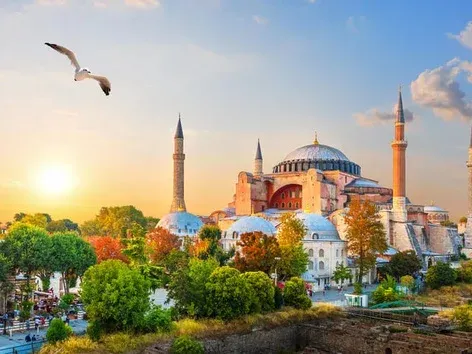
Turcja może zaskoczyć nawet tych, którzy byli tu więcej niż raz, ponieważ poza kurortami znajdują się miejsca o unikalnej historii, przyrodzie i atmosferze. Te lokalizacje ukazują kraj z nieoczekiwanej strony. Dowiedz się więcej o nieodkrytych skarbach Turcji, które warto zobaczyć przynajmniej raz w życiu

Planowanie podróży do Turcji często ogranicza się do poszukiwania hoteli na wybrzeżu Morza Śródziemnego. Jednak ten kraj ma do zaoferowania znacznie więcej niż komfortowe plaże i ośrodki all-inclusive. Od zatopionych miast po pałace w wysokich górach, od starożytnych bibliotek po mineralne cuda natury, każdy zakątek ma swoją własną historię do opowiedzenia. Jeśli szukasz planu podróży, który wykracza poza standardowe oferty turystyczne, platforma Tripmydream niedawno podzieliła się wyborem miejsc, które są naprawdę uważane za skarby Anatolii.
Przeczytaj dalej, aby poznać dziesięć lokalizacji, które ukazują prawdziwe oblicze wieloaspektowej Turcji.
Planowanie podróży?
To uniknąć nieprzewidzianych sytuacji, ważne jest, aby zrozumieć zasady wjazdu, długość pobytu i wymagania dokumentacyjne w kraju, do którego podróżujesz. Przewodniki podróżnicze Visit World mogą w tym pomóc — krok po kroku przewodniki z aktualnymi informacjami o podróżach, dostępne w formacie PDF zaledwie kilka minut po zamówieniu.

Sultanahmet: serce historycznego Stambułu
Centralna dzielnica Stambułu zachowuje dziedzictwo architektoniczne różnych epok i religii. Znajdują się tu dwa niezwykłe świątynie, które przez wieki definiowały panoramę miasta. Jedna z nich imponuje swoim rozmiarem i wewnętrznymi ścianami ozdobionymi niebieską ceramiką, tworząc atmosferę spokoju i wielkości. Druga świątynia ma bardziej złożoną historię — jej ściany pamiętają zarówno chrześcijańskie modlitwy, jak i muzułmański namaz, ponieważ budynek zmieniał swoje przeznaczenie wraz ze zmianą władzy.
Oba miejsca są wpisane na listę światowego dziedzictwa i pozostają aktywnymi centrami religijnymi. Dzielnica Sultanahmet pozwala w ciągu zaledwie kilku godzin spaceru poznać różne warstwy kulturowe, które kształtowały Stambuł przez tysiąclecia. Architektura tego miejsca pokazuje, jak różne cywilizacje odcisnęły swoje piętno na tym samym terytorium.

Foto: Viator
Kekova: wyspa z zatopioną tajemnicą
U wybrzeży południowej Turcji leży wyspa, z której część znajduje się pod wodą. Starożytna osada Dolichiste zniknęła w wyniku trzęsień ziemi, a teraz jej pozostałości można zobaczyć przez krystalicznie czyste fale. Schody, ściany budynków i ulice tworzą niezwykły obraz — miasto nadal istnieje, ale w innej rzeczywistości.
Turyści mają do wyboru morskie wycieczki na łodziach z przezroczystym dnem, aby zobaczyć podwodne ruiny bez nurkowania. Ustawodawstwo zabrania nurkowania bezpośrednio nad zatopioną częścią miasta z powodu potrzeby ochrony strefy archeologicznej. Jednocześnie otaczające wody wyspy są otwarte dla nurków, a kilka lokalnych firm organizuje nurkowania w innych punktach wzdłuż wybrzeża. Podwodny świat jest tutaj bogaty w florę i faunę morską, co czyni te miejsca atrakcyjnymi dla entuzjastów nurkowania.
Efez: starożytna metropolia
Ruiny jednego z największych miast starożytności znajdują się na zachodnim wybrzeżu Turcji. Efez był ważnym centrum handlowym i kulturalnym, a jego ulicami spacerowali filozofowie, kupcy i pielgrzymi z całego Morza Śródziemnego. Wśród licznych budowli wyróżnia się Biblioteka Celsusa — dwupiętrowy budynek z kolumnami, wzniesiony na początku II wieku n.e. Oprócz funkcji przechowywania książek, służył jako grób dla rzymskiego senatora, którego imię nosi.
W starożytności ta biblioteka mieściła około dwunastu tysięcy rękopisów, co czyniło ją trzecią co do wielkości kolekcją na świecie. Spacer po kompleksie archeologicznym zajmuje kilka godzin, ponieważ obejmuje świątynie poświęcone różnym bóstwom, stadion, który mógł pomieścić tysiące widzów, fontanny, dzielnice mieszkalne i budynki publiczne. Każdy kamień w Efezie nosi ślad minionych epok, kiedy miasto było jednym z najważniejszych w Imperium Rzymskim.

Foto: Depositphotos
Pamukkale: białe cudo natury
Na południowym zachodzie kraju znajduje się unikalna formacja geologiczna, której nazwa tłumaczy się jako "zamek bawełniany". Śnieżnobiałe tarasy powstały z osadów travertynu, minerału, który osadza się z wód termalnych. Temperatura wody w siedemnastu źródłach waha się od trzydziestu pięciu do stu stopni Celsjusza, tworząc różne warunki do relaksu i leczenia.
Oprócz zjawiska naturalnego, zachowały się tutaj pozostałości starożytnego miasta Hierapolis, założonego w czasach Imperium Rzymskiego. Amfiteatr, mogący pomieścić kilka tysięcy widzów, przetrwał do dziś w doskonałym stanie. Jego rzędy są nadal wyraźnie widoczne, a detale architektoniczne pozwalają wyobrazić sobie, jak wyglądały przedstawienia w starożytności. Połączenie cudów natury i zabytków historycznych sprawia, że Pamukkale jest miejscem, gdzie twórczość natury i człowieka współistnieje w harmonii.
Dolina Gołębia: bajkowy krajobraz Kapadocji
Dolina ta swoją nazwę zawdzięcza licznym gołębnikom wykutym w skałach w minionych wiekach. Miejscowi mieszkańcy wykorzystywali gołębie do zbierania odchodów, które były cennym nawozem dla winnic. Unikalne formacje geologiczne tworzą krajobraz przypominający plan filmowy z fantazji, z stożkowymi skałami i naturalnymi filarami rozsianymi po całym obszarze.
Tunele i jaskinie, niektóre stworzone przez naturę, a inne wykute przez ludzi, tworzą skomplikowany labirynt. Eksploracja tych przejść może zająć kilka godzin, a każdy zakręt odsłania nowe widoki. Najlepszym czasem na wizytę jest popołudnie, gdy słońce zbliża się do horyzontu. Złote światło zachodu słońca przekształca już fantastyczny krajobraz w absolutnie magiczny obraz.
Mardin: miasto na skrzyżowaniu kultur
Na południowym zachodzie kraju, w pobliżu granicy z Syrią, leży miasto o unikalnej historii i architekturze. Mardin był domem dla różnych wspólnot etnicznych i religijnych, co znajduje odzwierciedlenie w jego budynkach i tradycjach kulturowych. Asyryjczycy, Kurdowie, Arabowie — wszystkie te ludy odcisnęły swoje piętno na mieście. Miodowo-kolorowe kamienne budynki schodzą po zboczach wzgórza, tworząc kaskadę tarasów o unikalnym sylwetce.
To tutaj język aramejski, używany wczesnochrześcijańskiej erze, jest nadal używany dzisiaj. W latach 90. obszar był zamknięty dla odwiedzających z powodu niestabilnej sytuacji w regionie, ale teraz Mardin jest otwarty i stopniowo zyskuje popularność wśród podróżników. Miejscowi znani są z gościnności, a miasto oferuje zupełnie inną Turcję — bez masowej turystyki, ale z głęboką autentycznością i bogatym dziedzictwem kulturowym.
Jezioro Van: unikalność na wysokości
Na dalekim wschodzie kraju, na wysokości ponad półtora kilometra nad poziomem morza, leży największe jezioro sodowe na świecie. Woda tutaj ma szczególny skład chemiczny, ponieważ wysoka koncentracja soli i sody tworzy unikalne środowisko. Miejscowi przypisują wodom jeziora właściwości lecznicze, szczególnie w przypadku chorób stawów. Ten zbiornik jest domem dla muletu perłowego, gatunku ryby, który nie występuje nigdzie indziej na planecie.
Na jeziorze znajduje się wyspa Akhtamar z ormiańskim kościołem zbudowanym ponad tysiąc lat temu. Ściany świątyni zdobione są reliefami przedstawiającymi biblijne sceny i wizerunki zwierząt. Miasto Van, położone na brzegu jeziora, zachowuje ślady starożytnego państwa Urartu. Twierdza górująca nad miastem i muzeum archeologiczne pozwalają głębiej zagłębić się w historię tego regionu, który był ważnym centrum dla różnych cywilizacji.
Pałac Ishak Pasha: twierdza w górach
Na wschód od jeziora Van, na wysokim górskim płaskowyżu, stoi kompleks pałacowy, którego budowa zajęła prawie sto lat. Trzysta trzydzieści sześć pokoi jest rozmieszczonych w taki sposób, aby uwzględnić zarówno potrzeby obronne, jak i komfort mieszkańców. Pałac łączy elementy architektury osmańskiej, perskiej i ormiańskiej, odzwierciedlając różnorodność kulturową regionu.
Budowę zakończono pod koniec tzw. "Ery Tulipanów" — okresu artystycznego i kulturalnego rozkwitu w Imperium Osmańskim. Tarasy pałacu oferują panoramiczny widok na górę Ararat, która dominuje nad horyzontem. Głębokie wąwozy otaczające płaskowyż zwiększają siłę obronną kompleksu i tworzą wrażenie niedostępności. Wizyta w pałacu pozwala docenić ambicję budowniczych i ich zdolność do dostosowania architektury do trudnych warunków górskich.

Foto: iStock
Gerege: miasto jaskiniowe Kapadocji
W centralnej części Kapadocji znajduje się kompleks struktur jaskiniowych, z których większość ma charakter religijny. Miękki wulkaniczny tuf pozwolił na wykucie całych pomieszczeń bezpośrednio w skałach, a mnisi skorzystali z tej okazji, aby stworzyć świątynie i klasztory. Największa koncentracja takich struktur datuje się na X-XI wiek, szczyt chrześcijaństwa w regionie.
Freski zachowane na ścianach jaskiniowych kościołów mają szczególną wartość. Oprócz scen religijnych przedstawiają codzienne życie i detale architektoniczne tamtych czasów. Wśród najsłynniejszych miejsc znajdują się kaplica z wizerunkami św. Bazylego, kościół św. Barbary z charakterystycznymi czerwonymi ornamentami, ciemny kościół z najlepiej zachowanymi malowidłami oraz inne struktury, z których każda ma swoją historię. Zaleca się przybycie przed otwarciem muzeum, aby uniknąć dużych tłumów i spokojnie obejrzeć wszystkie obiekty.

Foto: Shutterstock
Anıtkabir: pomnik założyciela republiki
Stolica Ankara jest domem dla kompleksu memorialnego poświęconego Mustafa Kemalowi Atatürkowi, człowiekowi, który radykalnie zmienił Turcję w pierwszej połowie XX wieku. Architektura mauzoleum łączy elementy starożytności z modernistycznymi rozwiązaniami, ponieważ kolumnady przypominają greckie świątynie, a cała kompozycja z placem tworzy wrażenie wielkości i powagi.
Kopleks jest otwarty dla odwiedzających, a codziennie odbywają się tutaj ceremonie zmiany warty. Muzeum wewnątrz zawiera osobiste rzeczy Atatürka, dokumenty i eksponaty, które opowiadają historię powstania nowoczesnego państwa tureckiego. To miejsce ma szczególne znaczenie dla Turków, ponieważ to dzięki reformom Atatürka kraj wybrał europejski kierunek rozwoju i zmodernizował wszystkie sfery życia publicznego.
Odkryj świat z niezawodnym przewodnictwem!
Planowanie podróży wymaga starannego przygotowania. Odkryj wszystkie aspekty najpiękniejszych zakątków świata bez pomocy pośredników z pomocą przewodnika podróżniczego Visit World — praktycznego przewodnika, który zawiera wszystkie informacje potrzebne do samodzielnego zorganizowania podróży. Krok po kroku instrukcje dotyczące uzyskania wizy, aktualne zasady bezwizowe, dozwolone długości pobytu i przydatne wskazówki — to wszystko zostanie wysłane na Twój adres e-mail w formacie PDF w ciągu kilku minut po zamówieniu.
Przewodnik zawiera szczegółowe informacje na temat opłat wizowych i czasów przetwarzania wniosków, przykładowe dokumenty wizowe, zasady wypełniania formularzy oraz zweryfikowaną listę wymaganych dokumentów.
Zamów przewodnik podróżniczy Visit World i zacznij planować swoją niezapomnianą podróż już dziś!
Przypomnienie! Stambuł to miasto kontrastów, gdzie historia splata się z nowoczesnością, a aromaty przypraw w powietrzu mieszają się z morską bryzą z Bosforu. Jak zaplanować budżetową podróż do Stambułu w 2026 roku — opowiadamy tutaj.
Foto: iStock
Produkty z Visit World na komfortową podróż:
Lista kontrolna do uzyskania wizy i niezbędnych dokumentów w Turcji;
Porady prawne dotyczące imigracji w Turcji;
Ubezpieczenie podróżne dla obcokrajowców w Turcji;
Ubezpieczenie zdrowotne na całym świecie.
Monitorujemy dokładność i aktualność naszych informacji, więc jeśli zauważysz jakiekolwiek błędy lub niezgodności, skontaktuj się z naszą infolinią.
Frequantly
asked questions
Czy podróżowanie do nieturystycznych regionów Turcji jest bezpieczne?
Kiedy jest najlepszy czas na podróż do Turcji na wycieczki poza plażami?
Ile kosztuje podróżowanie w Turcji poza kurortami?
Recommended articles
3 min
Popular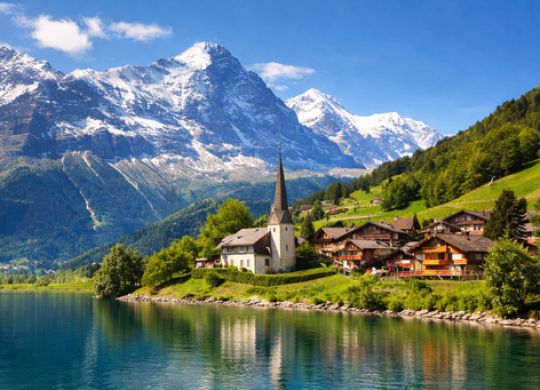
Kraje poza konfliktem: 7 neutralnych miejsc do życia i przeprowadzki
W czasach turbulencji geopolitycznych niektórzy ludzie rozważają przeprowadzkę do krajów, które od dawna prowadzą politykę neutralności i unikały sojuszy wojskowych. Takie państwa oferują względną stabilność i jasne ścieżki do uzyskania rezydencji lub długoterminowego pobytu. Dowiedz się więcej o krajach, które pozostają neutralne i realistycznych opcjach przeprowadzki do nich
09 lut. 2026
More details3 min
Travels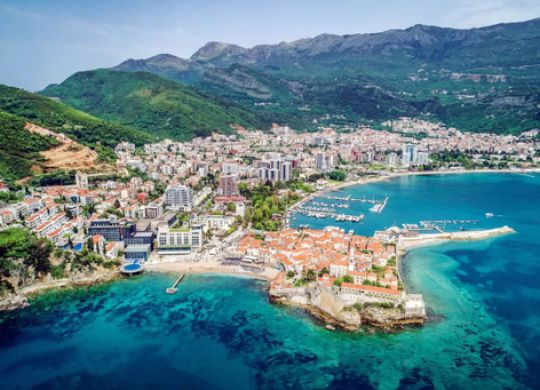
Budżetowa Europa 2026: 10 najlepszych miejsc na wakacje bez wydawania zbyt dużo
Podróżowanie po Europie w 2026 roku nie musi być drogie, mimo ogólnego wzrostu cen. Analitycy sporządzili ranking najbardziej przystępnych miejsc, gdzie można połączyć relaks, wrażenia i umiarkowane koszty. Dowiedz się więcej o budżetowych lokalizacjach w Europie, które warto rozważyć na wakacje w 2026 roku
10 lut. 2026
More details2 min
Popular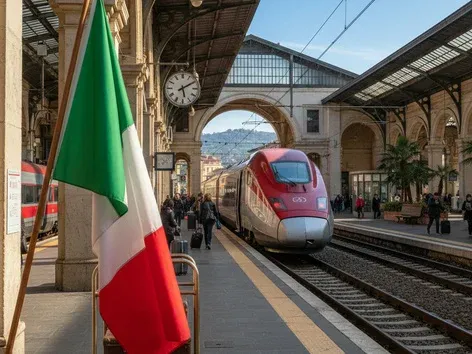
Seria skoordynowanych incydentów na kolei poważnie wpłynęła na system transportowy w północnych Włoszech w szczytowym okresie międzynarodowej uwagi na kraj. Zakłócenia w kluczowym węźle transportowym spowodowały opóźnienia, napięcia i pytania o bezpieczeństwo logistyki olimpijskiej. Dowiedz się więcej o przyczynach sabotażu, jego konsekwencjach i reakcji włoskich władz
10 lut. 2026
More details3 min
Popular
Ranking paszportów 2026: Singapur utrzymuje prowadzenie, kraje europejskie wzmacniają swoje pozycje
Coroczny ranking paszportów po raz kolejny pokazuje, jak różnie kraje są zintegrowane w globalnym świecie mobilności. W 2026 roku kraje azjatyckie pozostają na czołowej pozycji, podczas gdy Europa systematycznie wzmacnia swoją pozycję, zajmując większość najwyższych miejsc. Dowiedz się więcej, które paszporty otwierają najwięcej granic i jak zmienia się równowaga globalnej mobilności na całym świecie
10 lut. 2026
More detailsAll materials and articles are owned by VisitWorld.Today and are protected by international intellectual property regulations. When using materials, approval from VisitWorld.Today is required.