

Split zakazuje sprzedaży alkoholu po 20:00: jak Chorwacja walczy z pijanymi turystami

Chorwacja zaostrza walkę z pijanymi turystami, wprowadzając nowe ograniczenia w popularnych miejscowościach turystycznych. Split stał się pierwszym miastem w kraju, które w tym lecie wprowadziło surowe zasady dotyczące sprzedaży alkoholu. Dowiedz się więcej o nowych zakazach, wysokich grzywnach dla turystów i zmianach w strategii turystycznej Chorwacji

Tej lata, chorwackie miasto Split wprowadza środek bezprecedensowy dla kraju — całkowity zakaz sprzedaży alkoholu w sklepach po godzinie 20:00. O tym donosi Express. Decyzja została podjęta w odpowiedzi na systematyczne problemy z zachowaniem nietrzeźwych gości, które, według burmistrza, są "nieakceptowalne".
Co dokładnie zmieni się dla turystów w Splicie, jakie kary obowiązują w chorwackich miastach i dlaczego kraj zmienia swoje podejście do turystyki — opowiemy więcej w tym artykule.
Planowanie wakacji w Chorwacji lub innym europejskim kraju?
Ubezpieczenie podróżne z portalu Visit World pomoże Ci chronić się przed nieprzewidzianymi wydatkami medycznymi, zagubionym bagażem i innymi problemami podróżnymi.

Jakie ograniczenia dotyczące alkoholu wprowadzane są w Splicie?
Split staje się pierwszym miastem w Chorwacji, w którym sklepy (spożywcze i alkoholowe) nie będą mogły sprzedawać napojów alkoholowych po godzinie 20:00. Ograniczenia będą dotyczyć przede wszystkim historycznego centrum miasta, które władze lokalne zidentyfikowały jako najbardziej problematyczny obszar. To tutaj znajduje się większość klubów, barów i sklepów, a zatem to tutaj najczęściej rejestrowane są incydenty związane z naruszeniem bezpieczeństwa i komfortu mieszkańców.
Ważna uwaga! Zakaz dotyczy wyłącznie sprzedaży detalicznej alkoholu w sklepach. Restauracje, bary i kluby w centrum miasta będą nadal działać jak zwykle i serwować napoje alkoholowe bez ograniczeń. Burmistrz Splitu nie wykluczył również, że w przyszłości zasada ta może zostać rozszerzona na inne obszary miasta, w zależności od skuteczności nowego środka.
Dlaczego Chorwacja zmienia swoje podejście do turystyki?
W ostatnich latach Split miał reputację "miasta imprezowego", a w niektórych przypadkach ta reputacja była nawet promowana w marketingu turystycznym. Darijo Šarić, dyrektor generalny agencji wynajmu willi w Splicie, zauważył, że w przeszłości miasto mogło zachęcać gości do korzystania z życia nocnego, ale teraz chorwacka turystyka świadomie przesuwa się w kierunku innego pozycjonowania.
Władze miasta podkreślają, że celem nowych zasad nie jest pozbawienie gości rozrywki. Split dąży do skupienia się na naturalnym pięknie, dziedzictwie kulturowym i tworzeniu komfortowego środowiska dla rodzinnych wakacji. Zakaz sprzedaży alkoholu w sklepach wieczorem ma na celu zachęcenie do odpowiedzialnego spożywania alkoholu, a nie zniszczenie życia nocnego miasta jako takiego.
Usługi Visit World dla turystów, migrantów i ekspatów: Ubezpieczenie | Przewodniki | Porady prawne
Ograniczenia dla turystów w Chorwacji: kary i zasady zachowania
Split to nie jedyny przykład zwiększonej kontroli nad zachowaniem turystów w Chorwacji. W zeszłym roku wyspa Hvar, znana jako jedno z głównych "imprezowych" miejsc w kraju, wprowadziła surowe ograniczenia hałasu.
Latem nie może on przekraczać 85 decybeli, co odpowiada mniej więcej poziomowi hałasu głośnej restauracji, według Euronews.
Oprócz ograniczeń hałasu, turyści w chorwackich miastach powinni być świadomi wysokich kar za naruszenie zasad zachowania. W szczególności noszenie kostiumu kąpielowego lub szortów kąpielowych poza obszarem plaży jest karane grzywną w wysokości 600 €. Bycie bez koszulki w centrum miasta kosztuje 500 €. A picie alkoholu w miejscach publicznych kosztuje 700 €. Te kwoty są dość znaczne i pokazują powagę zamiarów chorwackich władz w walce z tzw. "antyspołecznym" zachowaniem gości.
Podczas podróży do Chorwacji lub innego europejskiego kraju ważne jest, aby wcześniej zadbać o własne bezpieczeństwo. Nowe zasady i kary to tylko jedno z ryzyk, z którymi turyści mogą się spotkać za granicą. Nieprzewidywalne sytuacje zdrowotne, zagubiony bagaż czy odwołane loty mogą znacząco zepsuć wakacje.
Wykupienie ubezpieczenia podróżnego na portalu Visit World to szybki i wygodny sposób na ochronę się przed stratami finansowymi podczas podróży.
Przypomnienie! W 2025 roku Chorwacja wprowadziła kompleksowe reformy swojej polityki wizowej, mające na celu przyciągnięcie różnych profesjonalistów, w tym wykwalifikowanych pracowników, cyfrowych nomadów i pracowników sezonowych. Aby uzyskać więcej informacji na temat wiz pracy do Chorwacji, rodzajów zezwoleń, wymagań i procesu aplikacji, kliknij w link.
Zdjęcie: iStock
Produkty z Visit World na komfortową podróż:
Lista kontrolna do uzyskania wizy i niezbędnych dokumentów w Chorwacji;
Porady prawne dotyczące imigracji do Chorwacji;
Ubezpieczenie podróżne dla obcokrajowców w Chorwacji;
Ubezpieczenie zdrowotne na całym świecie.
Monitorujemy dokładność i aktualność naszych informacji. Dlatego, jeśli zauważysz jakikolwiek błąd lub niezgodność, prosimy napisz do naszej infolinii.
Frequantly
asked questions
Gdzie zabronione jest spożywanie alkoholu w Chorwacji?
Jakie kary obowiązują turystów w Chorwacji?
Jakie ograniczenia hałasu obowiązują na wyspie Hvar?
Recommended articles
3 min
Travels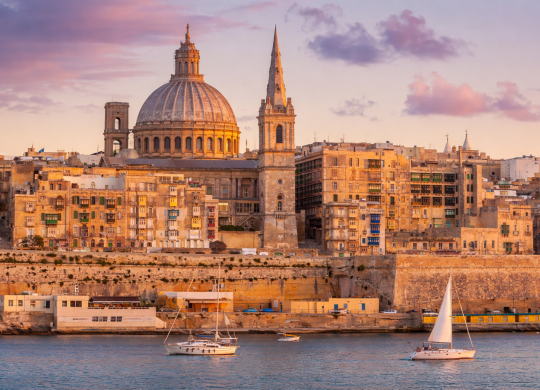
Trasy między miastami partnerskimi w Europie: najciekawsze przeprawy promowe w 2026 roku
Usługi promowe między europejskimi miastami otwierają nowe możliwości podróżowania bez lotów i długich podróży. W 2026 roku trasy miast partnerskich łączące kulturalne stolice, kurorty i wyspy zyskują na popularności. Dowiedz się więcej o najdogodniejszych i najciekawszych trasach promowych między miastami partnerskimi w Europie w 2026 roku
07 mar. 2026
More details2 min
Travels
Bezpłatne wyspy w Szwecji: jak zostać opiekunem własnej wyspy na rok?
Organizacja turystyczna Visit Sweden ogłosiła niezwykły konkurs, którego zwycięzcy będą mogli przez cały rok cieszyć się autentycznymi szwedzkimi wyspami bez opłat. Podróżnicy z całego świata mogą wziąć udział — wystarczy nagrać krótki film. Dowiedz się więcej o zasadach konkursu, dostępnych wyspach i prawach ich przyszłych opiekunów
19 lut. 2026
More details4 min
Expats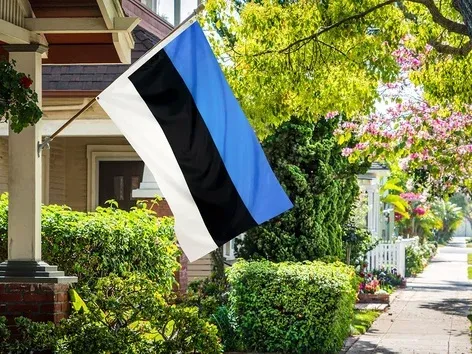
Estońska e-rezydencja: jak ją uzyskać, ile to kosztuje i jakie możliwości otwiera
Estonia stała się pierwszym krajem na świecie, który oferuje cudzoziemcom cyfrowy dostęp do swojego środowiska biznesowego i rynku UE. Program e-rezydencji działa od 2014 roku i już przyciągnął dziesiątki tysięcy przedsiębiorców z różnych krajów. Dowiedz się więcej o warunkach uczestnictwa, kosztach rejestracji i możliwościach oferowanych przez estońską e-rezydencję
19 lut. 2026
More details4 min
Work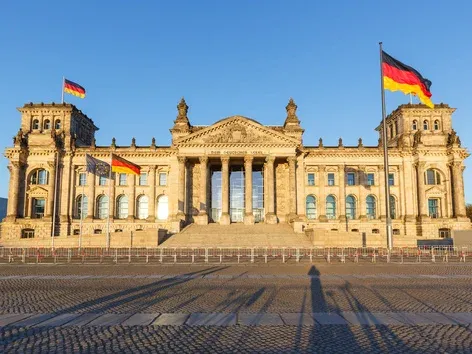
Praca w Niemczech w 2026 r.: przewodnik krok po kroku dla obcokrajowców
Niemcy aktywnie rekrutują zagranicznych specjalistów, aby uzupełnić braki kadrowe w kluczowych sektorach gospodarki. Uproszczone procedury wizowe i duże zapotrzebowanie na wykwalifikowanych pracowników sprawiają, że kraj ten jest jednym z najbardziej obiecujących miejsc zatrudnienia w 2026 roku. Dowiedz się więcej o poszukiwanych zawodach, zasobach służących do poszukiwania pracy oraz wymaganiach stawianych zagranicznym kandydatom
20 lut. 2026
More detailsAll materials and articles are owned by VisitWorld.Today and are protected by international intellectual property regulations. When using materials, approval from VisitWorld.Today is required.