

Pros and cons of living in Liechtenstein: how do expats live in the principality?
Table of contents
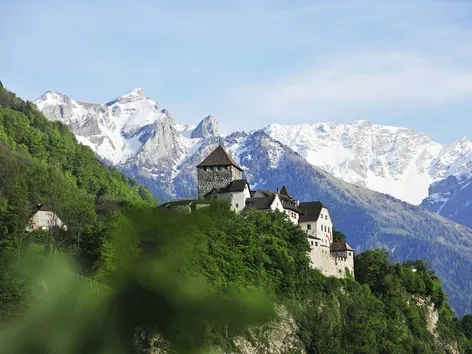
Liechtenstein has an alpine climate, breathtaking scenery, rich culture and low taxes that attract expats. Find out the advantages and disadvantages of moving to Liechtenstein in 2026

Liechtenstein is a small state located between Switzerland and Austria, which impresses with the charm of both countries. Thanks to the flourishing economy, in recent years Liechtenstein has become an increasingly attractive place for people who want to live here. As one of the world's most industrialized countries, a strong financial center and a leading nation in high-tech innovation, the principality attracts many expats, but like many countries around the world, moving to Liechtenstein has its advantages and disadvantages.
We talk about the pros and cons of living in Liechtenstein in this article.
Are you planning to obtain Liechtenstein citizenship but don’t know where to start?
The immigration guide from the Visit World portal provides up-to-date information on naturalization requirements, residency periods, and the list of documents needed for each specific country.

Pros of living in Liechtenstein
1. Strong economy
With a high level of industrialization, a free enterprise economy, and one of the world's highest per capita incomes, Liechtenstein is one of the most successful countries in the world.
2. High salaries
Liechtenstein has one of the highest wage levels in Europe. The average monthly salary is about 7,560 USD.
3. Low level of unemployment
The unemployment rate in Liechtenstein is low. It is significant that it has especially decreased in recent years. Currently, it is about 1.6%.
4. Medical insurance
All people living or working in Liechtenstein have access to health insurance. Considering that the level of development of medical care in the state is excellent, this is a pleasant factor.
5. Beautiful nature
Located in the heart of Europe, between Switzerland and Austria, Liechtenstein is a land of culture, history and dramatic scenery. In this Alpine state, visitors will discover unspoiled nature, stunning castles, royal heritage and interesting historical sites.
Visit World services for tourists, migrants, and expats: Insurance | Guides | Legal advice
6. Advantageous geographical position
Liechtenstein is close to Switzerland, Austria and Germany. Therefore, you can easily travel to these countries, explore them and spend interesting weekends.
7. Delicious cuisine
Liechtenstein's location in the heart of Europe means that the country has quite a variety of cuisine, and some dishes are considered truly unique. Liechtenstein cuisine is often described as simple, rich and hearty.
Cons of living in Liechtenstein
1. A small country
Due to the fact that the state is small, you cannot expect the lively life of a big city or just the activity of a metropolis. The largest district will include only 6,000 residents.
2. Cost of living
Living costs in Liechtenstein are very high, so it is important to build up some savings before planning to move to the country.
3. Limited transportation
Liechtenstein does not have an airport or a train station, so to go to another country you have to go to Zurich or some other nearby cities.
How to immigrate to Liechtenstein?
Citizens of any country in the world are eligible to move to Liechtenstein. To do so, you must apply for a long-term visa and a residence permit. The country has strict quotas: 72 permits are issued annually to EEA citizens, 17 to Swiss citizens, and permits may be granted to third-country nationals under certain circumstances.
Moving to Liechtenstein for work
To work in Liechtenstein, you must obtain a work visa and a residence permit for employment purposes. For citizens of third countries, such a permit is typically granted only if they hold a managerial position, possess relevant qualifications, or have extensive professional experience.
The permit grants the right to work in the country for more than 12 months, with the possibility of extension. Certain categories of residents may apply for permanent residence after 5 years of continuous residence; however, the conditions are significantly stricter for third-country nationals.
A separate category consists of cross-border workers who work in Liechtenstein but reside abroad. Swiss citizens do not need a work permit; EEA citizens must register with the immigration office within 10 days of employment; and citizens of other countries require a permit to cross the border.
Moving to Liechtenstein for Education
Moving to Liechtenstein for education is only possible on a temporary basis. First, the applicant must obtain confirmation of admission to an educational institution, after which they must apply for a student visa. This visa grants the right to live and work in Liechtenstein until the completion of studies.
Moving to Liechtenstein for family reunification
Conditions depend on the applicant’s citizenship. EEA or Swiss citizens may join family members at any time—this right applies to spouses, children under 21, or other relatives who can demonstrate dependency on a Liechtenstein resident.
Third-country nationals may apply for family reunification within three years of obtaining a residence permit or within three years of the start of the family relationship.
How to obtain Liechtenstein citizenship?
Obtaining Liechtenstein citizenship is difficult, but there are several ways.
- Citizenship by birth. A child automatically receives citizenship if at least one parent was a Liechtenstein citizen at the time of the child’s birth.
- Citizenship through marriage. The right to citizenship arises after at least five years of marriage to a Liechtenstein citizen. Important condition: the spouse must not have obtained citizenship through a previous marriage.
- Citizenship by naturalization. An application for citizenship can be submitted after 30 years of continuous residence in Liechtenstein based on a residence permit.
Liechtenstein is an attractive place to start a business as well as to live here. Therefore, moving to the country will be a good stage in the life of expats.
How to prepare for naturalization in Liechtenstein?
Each country has its own naturalization rules, language requirements, document processing times, and list of grounds for applying. Choosing the wrong program or failing to meet the requirements can delay obtaining a passport for years. To move toward citizenship with a clear plan, use the specialized migration guide from the Visit World portal. It contains step-by-step instructions on legalization, lists of documents, deadlines, and the nuances of procedures in specific countries.
Reminder! In our previous article, we explained in detail how a foreigner can move to Liechtenstein in 2026.
Products from Visit World for a comfortable trip:
Travel guide for 200 countries;
Legal advice from a local specialist on visa and migration issues;
Travel insurance around the world (please select the country of interest and citizenship to receive services);
Medical insurance all over the world.
We monitor the accuracy and relevance of our information, so if you notice any errors or inconsistencies, please contact our hotline.
Frequantly
asked questions
Is it worth living in Liechtenstein?
What are the problems in Liechtenstein?
Is it safe to live in Liechtenstein?
Recommended articles
3 min
Expats
Top 25 Best Countries to Retire in 2026: Where to Find the Best Quality of Life
Where in the world are the best conditions for life after retirement? A new global ranking takes into account not only income levels but also healthcare, safety, the environment, and economic stability. Learn more about the top 25 countries where retirement can be a truly comfortable stage of life
24 Apr. 2026
More details3 min
Expats
How to Start a Business in the Czech Republic in 2026: Taxes, Costs and Step-by-Step Guide
The Czech Republic remains one of the easiest EU countries in which to start a business: low minimum capital requirements, straightforward tax rules, and the option to register remotely. In practice, however, entrepreneurs face various challenges, ranging from licensing to accounting and banking. Learn more about the conditions for starting a business in the Czech Republic, taxes, and key risks in 2026
29 Apr. 2026
More details1 min
Expats
Digital Nomad Visas Without Tax Residency: 15 Countries for Remote Work in 2026
Digital nomad visas will allow you to live abroad without tax residency in 2026. Find out which countries offer such programs and what the conditions are
30 Apr. 2026
More details3 min
Expats
Golden Visas in Africa: 8 Countries Where You Can Obtain a Residence Permit Through Investment
Eight African countries offer foreign investors residency permits in exchange for investments in real estate, businesses, or bank deposits. Minimum investment thresholds range from $50,000 to $1 million, and the terms vary significantly—from immediate permanent residency to renewable permits with no path to citizenship. Learn more about the current investment residency programs in Africa and their actual terms in 2026
30 Apr. 2026
More detailsAll materials and articles are owned by VisitWorld.Today and are protected by international intellectual property regulations. When using materials, approval from VisitWorld.Today is required.