

EU Customs Rules: Complete Guide for Travelers - What You Can and Can't Bring into Europe
Table of contents
- Customs rules when traveling to the EU
- EU duty-free restrictions: alcohol, tobacco and personal goods
- Duty-free limits for other goods
- How much fuel can you bring into the EU?
- Cash: when and how do you declare it?
- Travelling within the EU: what is allowed to be carried between European countries?
- What you cannot bring into the EU: a quick checklist
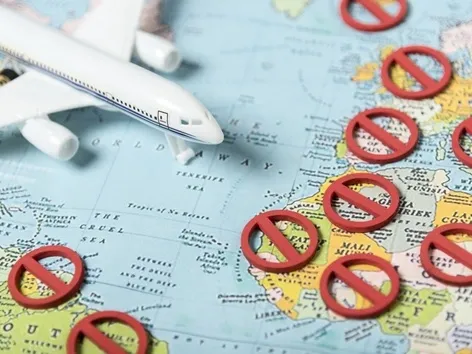
When traveling to the EU, it is important to strictly follow customs regulations to avoid problems when passing through control. Find out which goods must be declared, which are prohibited for import, and what fines travelers may face

Planning a trip to the European Union? Before you pack your bags, it’s important to familiarize yourself with EU customs regulations, as they are much stricter than many people realize. Border controls don’t just apply to alcohol or food – plants, tobacco, cash, appliances, gifts and even some souvenirs are also subject to scrutiny. Failure to comply with the rules can lead to trouble, from confiscation of items to serious fines or refusal of entry.
In this article, we have collected all the key regulations that tourists entering the EU from countries outside the Union need to know, and we have also prepared a separate section on travel within the EU.
Customs checks are only part of the journey. Unforeseen situations, medical expenses or problems with luggage can happen to every traveler. Travel insurance will provide protection during the flight and stay in the EU.
Get insurance online in a few minutes – get peace of mind and support 24/7.

Customs rules when traveling to the EU
The European Union adheres to the principle of protecting human and animal health, as well as preserving the environment, so customs rules are as clear and unified as possible. If you are arriving from outside the EU, all categories of goods that may pose a risk are subject to control: food, plant materials, tobacco, alcohol and valuables.
What is prohibited from being imported into the EU?
It is strictly forbidden to import into the EU:
- Meat of any kind (fresh, dried, smoked, vacuum-packed, including sausages and canned goods);
- Milk and dairy products (cheese, butter, yogurts, condensed milk);
- Homemade products based on meat or milk.
The ban applies even to small quantities, as such products can carry African swine fever, foot-and-mouth disease and other infections that can destroy European farms.
Important: customs officers do not make exceptions for “personal use” – even a small meat sandwich is subject to the ban.
What goods are allowed to be imported in limited quantities?
Some products can still be transported, but their quantity is strictly limited:
- Fruit and vegetables – often require a phytosanitary certificate;
- Eggs and honey – only in small quantities;
- Fish – usually up to 20 kg or in the form of one large catch;
- Potted plants, seedlings, seeds – almost always require special documents;
- Pets – according to the rules of the Pet Travel Scheme.
Travelers should remember that it is plant and animal products that most often cause fines when passing customs control.
EU duty-free restrictions: alcohol, tobacco and personal goods
When a traveller enters the EU, they can bring certain goods duty-free, as long as they do not exceed the established limits.
How many alcoholic beverages are allowed to be imported into the EU?
Travellers from non-EU countries are allowed to bring:
- 4 litres of wine (still);
- 16 litres of beer;
- 1 litre of spirits (over 22% ABV);
- 2 litres of sparkling or fortified wine.
Tip! If you have a mixed set of alcohol, customs officers will usually convert it into an “alcohol equivalent”. This means that your limit can be divided between different drinks.
EU tobacco import volumes
Depending on the EU country, you may be allowed to bring:
- 200 cigarettes;
- 50 cigars;
- Cigarettes (small cigars) – 100 pcs.;
- Tobacco – 250 g.
All these categories are also intended for personal use only.
Duty-free limits for other goods
The total value of all items you import must not exceed:
- €430 – for those arriving by plane or sea;
- €300 – for land transport;
- €150 – for children under 15 years of age.
Such goods include: electronics, gadgets, accessories, clothing, cosmetics, souvenirs, perfumes, etc.
How much fuel can you bring into the EU?
Drivers can carry: up to 10 litres of fuel in a can plus a full tank of fuel.
This rule is for personal use, not for transporting fuel for the purpose of saving or selling.
Cash: when and how do you declare it?
Any traveller crossing the border of the European Union is required to declare:
- €10,000 or more in cash,
- or the equivalent in dollars, pounds or another currency,
- or traveller's cheques and certain types of gold.
The declaration must be completed regardless of whether you are carrying the entire amount yourself or it is divided between several family members.
What happens if you do not declare cash?
Cash may be confiscated and you will have to explain its origin. In some countries, significant fines may apply.
Travelling within the EU: what is allowed to be carried between European countries?
While freedom of movement within the EU makes life much easier for travellers, there are still some rules.
Food
It is usually allowed to carry:
- meat and dairy products, if they are produced in an EU country;
- fruit and vegetables without signs of disease;
- cut flowers.
Restrictions on special products - up to 10 kg are allowed to carry:
- baby food and dry mixtures;
- special products for people with dietary needs;
- pet food (especially if you are travelling with a pet).
Alcohol and tobacco within the EU
Within the European Union, it is allowed to import for personal use:
- 800 cigarettes,
- 1 kg of tobacco,
- 10 litres of strong alcohol,
- 20 litres of fortified wine,
- 90 litres of wine,
- 110 litres of beer.
These limits are significantly higher than when entering from countries outside the EU. However, if the quantities are too large, customs may assume that the goods are intended for sale.
How much cash can you bring into the EU?
There is no single universal rule for declaring cash within the EU. Each country can set its own requirements, so it is worth checking your national rules before you travel.
What you cannot bring into the EU: a quick checklist
When travelling from non-EU countries, you should not bring with you:
- meat and dairy products;
- plants and animals without special documents;
- rare species and products made from leather or skins of wild animals;
- counterfeit branded items;
- weapons and explosives;
- alcohol or tobacco in quantities exceeding the limits;
- goods that look like a commercial consignment.
EU customs rules may seem complicated, but they are designed to protect health, safety and the environment. Knowing them means avoiding delays, confiscations and fines. If you are planning a trip to Europe, it is better to familiarize yourself with the restrictions in advance and prepare your luggage accordingly - then crossing the border will be quick and stress-free.
The Visit World travel guide is a convenient guide in which you will find step-by-step instructions for applying for a tourist visa, including rules for filling out the application form and tips for a successful interview. The guide contains all the practical information: from the amount of the visa fee and processing time to a sample photo for submission. You will also receive a complete list of documents required for visa application to avoid mistakes and delays.
This is a comprehensive tool that will help you prepare for your trip and confidently go through the entire visa process - download the guide and start planning your trip today!

Reminder! Losing your phone is not an uncommon occurrence while traveling. Find out what to do if you lose your phone: easy ways from travelers, tips on screen lock, contacts and rewards.
Photo – Freepik
Products from Visit World for a comfortable trip:
Travel guide for 200 countries;
Legal advice from a local specialist on visa and migration issues;
Travel insurance around the world (please select the country of interest and citizenship to receive services);
Medical insurance all over the world.
We monitor the accuracy and relevance of our information, so if you notice any errors or inconsistencies, please contact our hotline.
Frequantly
asked questions
What goods need to be declared when entering the EU?
What products are prohibited from being imported into EU countries?
What are the duty-free norms for alcohol and tobacco?
Can I carry medication for personal use?
Recommended articles
1 min
Travels
Holiday travel is a time of joy, new experiences and long-awaited relaxation, but to prevent unforeseen situations from spoiling your plans, it is important to take care of protection in advance. Find out why holiday travel insurance is not an expense, but a guarantee of safety, peace of mind and financial protection during your vacation
09 Nov. 2025
More details1 min
Travels
TOP 10 European cities 2026: where is it worth going this year?
Discover the most interesting European cities to travel in 2026. Learn about culture, nature and unique itineraries for tourists
12 Nov. 2025
More details1 min
Air travel
Ryanair is canceling paper tickets forever: what passengers need to know?
Travel is getting even more digital as Irish low-cost carrier Ryanair has completely ditched paper tickets. Find out what you now need to board a plane, how the new system works, and what to look out for to ensure your trip is stress-free
13 Nov. 2025
More details1 min
Travels
The best cities in Europe for a car-free vacation: a ranking of ideal cities for walking
Accor's ranking identifies the destinations with the best pedestrian areas, public transport and comfort for tourists. Find out which European cities are the most convenient to travel without a car
14 Nov. 2025
More detailsAll materials and articles are owned by VisitWorld.Today and are protected by international intellectual property regulations. When using materials, approval from VisitWorld.Today is required.