

Bulgaria digital nomad visa in 2025: conditions, cost and life of a foreigner
Table of contents
- Who can get a digital nomad residence permit in Bulgaria?
- Validity of a residence permit for digital nomads in Bulgaria
- How to apply for a digital nomad visa to Bulgaria?
- Cost of obtaining a digital nomad permit in Bulgaria
- Life in Bulgaria for digital nomads
- The best cities for digital nomads to live and work in Bulgaria

Bulgaria launches residence permit for digital nomads from December 20, 2025. Who can apply, how much does a visa cost, how to live and work remotely in Bulgaria

Bulgaria is officially introducing a digital nomad residence permit, opening a new immigration path for remote workers from all over the world. Applications began on December 20, 2025, and this is one of the most anticipated news for freelancers, IT professionals and business owners who work remotely.
The new status allows you to legally reside in Bulgaria, working exclusively for foreign employers or clients, without engaging in the Bulgarian labor market.
We will tell you about the conditions, requirements, costs and features of life for digital nomads in Bulgaria in this article.
Planning to move abroad?
Get a detailed guide for digital nomads with current visa programs, income requirements and tips on legalizing residence.

Who can get a digital nomad residence permit in Bulgaria?
Bulgarian legislation defines three categories of applicants eligible to apply for the new type of permit:
1. Employees of foreign companies
Foreigners who work for an employer registered outside the EU, EEA or Switzerland and provide services remotely using technology. This category is subject to minimum income requirements set by Bulgarian legislation.
2. Business owners and managers
Persons who are members of the management body, owners or shareholders (more than 25%) of a company registered outside the EU/EEA/Switzerland, provided that they: work remotely, do not provide services to Bulgarian companies or individuals.
3. Long-term remote specialists
Foreigners who have been providing services remotely using technology for at least one year prior to the application and do not work for the Bulgarian market, do not carry out freelance activities in Bulgaria.
Each category has a separate set of documents, including proof of income, employment and health insurance.
Validity of a residence permit for digital nomads in Bulgaria
A residence permit for digital nomads is issued for 1 year with the possibility of extension for another year. There is also the possibility of family reunification - dependents can obtain the right to reside together with the applicant.
How to apply for a digital nomad visa to Bulgaria?
The process of obtaining a digital nomad visa to Bulgaria consists of two key stages: first obtaining a long-term visa type D in the country of residence, and then obtaining a residence permit upon arrival in Bulgaria. Below is a step-by-step guide that will help you go through this process without any unnecessary difficulties.
Step 1 - Apply for a type D visa
1. Find the nearest Bulgarian embassy or consulate in your country of residence.
2. Fill out the official application form for a long-term visa (type D).
3. Prepare and attach the required documents:
- passport valid for at least 6 months;
- proof of income and employment;
- health insurance;
- other documents according to the digital nomad category.
4. Pay the visa fee (approximately 100-120 euros).
In some cases, you may be invited to a consular interview to clarify the details of your application.
Step 2 - Wait for the application to be processed
The processing of a D visa application usually takes 35-45 working days.
The consulate may request additional documents or clarifications if something needs to be clarified.
It is important to monitor the deadlines and respond to the consulate's requests to avoid delays.
Step 3 - Receive the D visa
Upon approval, you will receive a long-term D visa, which is usually valid for up to 6 months.
A visa allows you to legally enter Bulgaria and begin the process of obtaining a residence permit.
Step 4 – Travel to Bulgaria
With a D visa, you can travel to Bulgaria.
Important: You must apply for a residence permit at the Migration Directorate within 14 days of your arrival.
Plan your arrival in advance to allow time for adaptation and paperwork.
Step 5 – Apply for a residence permit
Apply to the Migration Directorate of the Ministry of Internal Affairs.
Submit the same documents as for a D visa, including the D visa itself. Once approved, you will receive a resident card (identity card) valid for 1 year.
The card can be renewed annually if you continue to meet the criteria: income, health insurance and lack of employment on the Bulgarian market.
Step 6: Renewal and long-term residence options
The residence permit for digital nomads is renewed annually.
After several years of continuous residence, you may be eligible for: long-term residence, permanent residence, access to additional social and legal benefits in Bulgaria.
Regular renewal of the permit requires maintaining a steady income, valid insurance and compliance with the country's legislation.
Cost of obtaining a digital nomad permit in Bulgaria
Applying for digital nomad status in Bulgaria is considered one of the most affordable in Europe.
- Type D visa: approximately 100-120 euros.
- Residence permit: approximately 150-200 euros.
- Additional costs: translations, apostille, legalization of documents, health insurance.
Overall, the costs are significantly lower than in most Western European countries.
Life in Bulgaria for digital nomads
Bulgaria attracts digital nomads with its low cost of living, fast internet and comfortable cities for remote work. The country combines modern infrastructure with a rich cultural heritage, mountains and the Black Sea coast.
Digital nomads have the opportunity to:
- legally reside in the country;
- open bank accounts;
- use private healthcare through insurance;
- work in coworking spaces and cafes with stable internet.
The best cities for digital nomads to live and work in Bulgaria
Sofia
The capital of Bulgaria with a developed IT ecosystem, numerous coworking spaces and an active international community. Suitable for those who appreciate dynamic city life.
Plovdiv
A city with a slower pace, rich history and creative atmosphere. A popular choice among freelancers looking for a balance between work and peace.
Varna
The perfect combination of sea life and urban infrastructure. Suitable for those who want to work remotely near the beach.
The launch of a residence permit for digital nomads makes Bulgaria one of the most affordable countries in Europe for legal remote work. The combination of moderate costs, flexible conditions and high quality of life makes this program especially attractive for those looking for a new base in the EU without complicated migration procedures.
Planning to become a digital nomad? In our guide for digital nomads you will find practical advice on all stages of moving: the procedure for obtaining a visa and residence permit, step-by-step instructions and tips on how to avoid refusal.
The guide from Visit Ukraine will help you save time and money, avoid common mistakes and make the move as comfortable as possible.
Act now: read the guide, prepare documents and plan your move so that the first days in a new country are stress-free and without unforeseen expenses.
Reminder! The world of remote work is changing - countries are competing for digital nomads. Read here which countries are best suited for this lifestyle in 2025.
Photo – generated by Gemini
Products from Visit World for a comfortable trip:
Checklist for obtaining a visa and necessary documents for Bulgaria;
Legal advice on immigration to Bulgaria;
Travel insurance for foreigners in Bulgaria;
Medical insurance all over the world.
We monitor the accuracy and relevance of our information, so if you notice any errors or inconsistencies, please contact our hotline.
Frequantly
asked questions
Does Bulgaria offer a digital nomad visa?
Can I get a residence permit in Bulgaria if I buy a house?
Can an EU citizen reside in Bulgaria?
Recommended articles
2 min
Expats
Croatia digital nomad visa 2025: requirements for applicants, registration procedure and benefits
Croatia is one of the European countries that welcomes digital nomads and has even introduced a separate permit for this category of expats. Find out what the procedure for issuing a digital nomad visa is, what documents you need to have and the benefits of the permit
14 Sep. 2025
More details2 min
Expats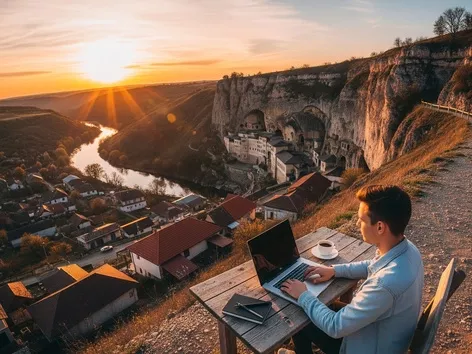
Moldova Digital Nomad Visa: who can apply, requirements and package of documents
Moldova has announced the introduction of a visa for remote workers. Find out everything about the new digital nomad visa in Moldova in 2025: who can apply, what documents are required, how the application procedure works, and why the country is becoming an attractive destination for remote professionals and freelancers
29 Aug. 2025
More details1 min
Popular
Digital Nomads 2025: How the new generation is revolutionizing work and travel?
Learn how digital nomads are revolutionizing the idea of traditional work – all about co-living, digital nomad hubs and co-working spaces
06 Oct. 2025
More details2 min
Expats
Free Housing for Digital Nomads: How and Where to Get It in 2025
Today, digital nomads can combine work and travel with virtually no housing costs. Find out how to live for free in different countries around the world: house keeping, skill sharing, couchsurfing, grants and programs from countries
16 Oct. 2025
More detailsAll materials and articles are owned by VisitWorld.Today and are protected by international intellectual property regulations. When using materials, approval from VisitWorld.Today is required.