

Uncharted Greenland: Why the Arctic Island Fascinates Tourists and Draws U.S. Attention
Table of contents
- Where is Greenland located and why is it unique?
- Economic and climatic significance of the island
- Political status of Greenland
- Why is Greenland important to the United States?
- Does the United States really want complete control over the island?
- Greenland as a tourist destination: why is interest growing?
- What to see in Greenland?
- Is it safe to travel to Greenland?
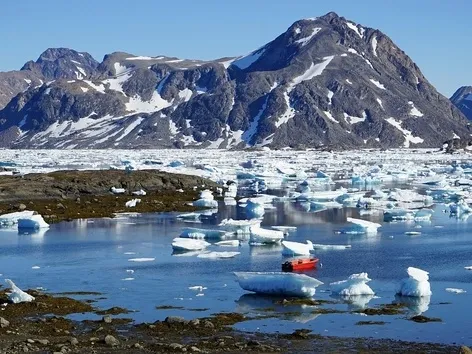
Why is the US interested in Greenland? Learn about the island's geography, political status, resources, strategic importance of the Arctic, and what the world's largest island can offer tourists

The newly elected US President Donald Trump has once again returned to the idea of taking control of Greenland, the largest island on the planet, currently under the jurisdiction of Denmark. The statement caused a wide resonance in the world and once again drew attention to the strategic importance of the Arctic.
Why is Washington interested in Greenland right now, what role the island plays in global politics, and what it can be of interest to tourists - we will tell you further.
Planning a trip abroad - even to the most remote corners of the world?
Travel insurance will help you avoid financial risks in the event of illness, accident or flight delay. The policy covers medical expenses, emergency assistance and unforeseen situations during travel.
Take out travel insurance in advance and travel with confidence.

Where is Greenland located and why is it unique?
Greenland is the largest island in the world, located in the Arctic region between North America and Europe. Geographically, it belongs to North America, but politically it is an autonomous territory within the Kingdom of Denmark.
The island is home to about 56,000 people, mostly indigenous people - the Inuit. It is one of the least populated areas on the planet. Approximately 80% of Greenland's surface is covered with glaciers, so the majority of the population lives on the southwestern coast, in particular around the capital - the city of Nuuk.
Economic and climatic significance of the island
The basis of Greenland's economy remains fishing, and a significant part of the budget is formed by annual subsidies from Denmark. At the same time, global warming is changing the role of the island in the world economy.
Melting glaciers make deposits of rare earth minerals, uranium and iron more accessible, which are critical for modern technologies - from electronics to "green" energy. In addition, Arctic waters are gradually opening up new routes for international shipping.
Political status of Greenland
Greenland has been under Danish control for almost 300 years. Greenland became a Danish colony in 1814 and remained so until the middle of the 20th century. For most of this time, it was isolated and poor. In 1953, it became part of the Kingdom of Denmark, and in 1979 it received the status of autonomy with its own parliament.
Since 2009, the powers of self-government have been significantly expanded: Greenland controls most internal issues, including taxation, immigration, mining, education and social policy.
At the same time, defense, foreign policy and the monetary system remain jointly responsible with Copenhagen. Each year, the island receives about 500 million euros in financial support from Denmark.
The current Prime Minister of Greenland, Mute Egede, openly supports the idea of independence. The legislation provides for the possibility of secession, but the final decision must be made by the population in a referendum.
Why is Greenland important to the United States?
Greenland is located on the shortest route between North America and Europe, which makes it key from a security point of view. The island is home to the American space base Pituffik (formerly Thule), which plays an important role in the early warning system for missile threats.
The United States has had a military presence in Greenland since World War II. Under an agreement with Denmark in 1951, Washington received the right to build and maintain military facilities on the island.
Against the backdrop of the growing activity of Russia and China in the Arctic, experts emphasize that control over the region is becoming increasingly important for global security.
Does the United States really want complete control over the island?
The idea of joining Greenland with the United States is not new. American presidents have considered such an option since the 19th century. In 1946, the United States even offered Denmark $100 million for the island, but was rejected.
During his first presidential term, Donald Trump already tried to initiate the purchase of Greenland, but both Denmark and the island's authorities stated that "Greenland is not for sale."
Donald Trump Jr.'s recent visit to Nuuk was officially called private, but many experts saw it as a political signal.
Greenland as a tourist destination: why is interest growing?
In parallel with geopolitical processes, Greenland is opening up to the world as a destination for ecotourism, expedition and adventure travel. According to the Visit Greenland tourist board, interest in the island is steadily growing, especially among tourists from Europe and North America.
Greenland is not focused on mass tourism. On the contrary, local authorities are focusing on sustainable development, limiting the flow of travelers to sensitive natural areas and supporting local communities.
Among the main factors of the growth of tourist attractiveness:
- unique Arctic landscapes and glaciers;
- the opportunity to observe the northern lights and polar day;
- authentic Inuit culture;
- the development of air transport and cruise tourism.
At the same time, trips to Greenland require careful preparation due to the harsh climate, limited infrastructure and remoteness of settlements.
What to see in Greenland?
Greenland is all about experiences, not classic tourist attractions. Here are the key places and experiences that attract travelers.
Ilulissat and Jakobshavn Glacier
A UNESCO World Heritage Site and one of the island’s most famous attractions. Here you can see huge icebergs drifting through the fjord, as well as go on boat trips or kayaking.
Northern Lights
From September to April, Greenland is one of the best locations to observe the Aurora Borealis due to minimal light pollution.
Polar Day and Polar Night
In summer, the sun does not set below the horizon, and in winter, the polar night sets in – a unique experience that cannot be replicated in most countries in the world.
Whale watching
Humpback, fin and minke whales live in Greenland's coastal waters. The best season is from June to September.
Dog sledding
A traditional Inuit way of transportation that has become a popular winter pastime for tourists.
Nuuk is the world's northernmost capital
The city combines modern architecture with an Arctic feel. It is worth visiting the National Museum of Greenland, cultural centers and restaurants with local cuisine.
Is it safe to travel to Greenland?
Greenland is considered safe for tourists in terms of crime. The main risks are associated with weather conditions, difficult logistics and limited access to medical services in remote regions.
That is why travel experts advise planning your route in advance and taking out travel insurance, especially if the trip involves active recreation.
The US interest in Greenland underlines the growing importance of the Arctic in the world. For tourists, this means one thing: an island that has long remained inaccessible is gradually opening up – while maintaining its unique nature and authenticity.
Travel to the Arctic, Northern Europe or remote regions such as Greenland requires special preparation.
Due to the harsh climate, limited medical infrastructure and complex logistics, travel insurance is an essential element of a safe trip.
- coverage of medical expenses
- compensation in the event of flight delays or cancellations
- assistance in emergency situations
Take care of your insurance policy before traveling to the northern regions of the world.
Reminder! Greenland is one of the few regions in the world that combines autonomy, Arctic nature and strict migration rules. We've already covered whether it's realistic to move to Greenland, what visas are needed, how immigration works, employment, and what life on the island is really like.
Photo - pixabay.com
Products from Visit World for a comfortable trip:
Travel guide for 200 countries;
Legal advice from a local specialist on visa and migration issues;
Travel insurance around the world (please select the country of interest and citizenship to receive services);
Medical insurance all over the world.
We monitor the accuracy and relevance of our information, so if you notice any errors or inconsistencies, please contact our hotline.
Frequantly
asked questions
Why do tourists travel to Greenland?
What makes Greenland special?
Are Greenlanders themselves interested in joining the United States?
Recommended articles
1 min
Popular
Top Countries to Move to in 2025: Most Desired Destinations for Expats
The most desirable countries to move to in 2025: TOP-10 destinations for living, working and studying. Find out which countries are chosen by expats and how to simplify the move with the help of migration specialists and health insurance
02 Nov. 2025
More details1 min
Residence permit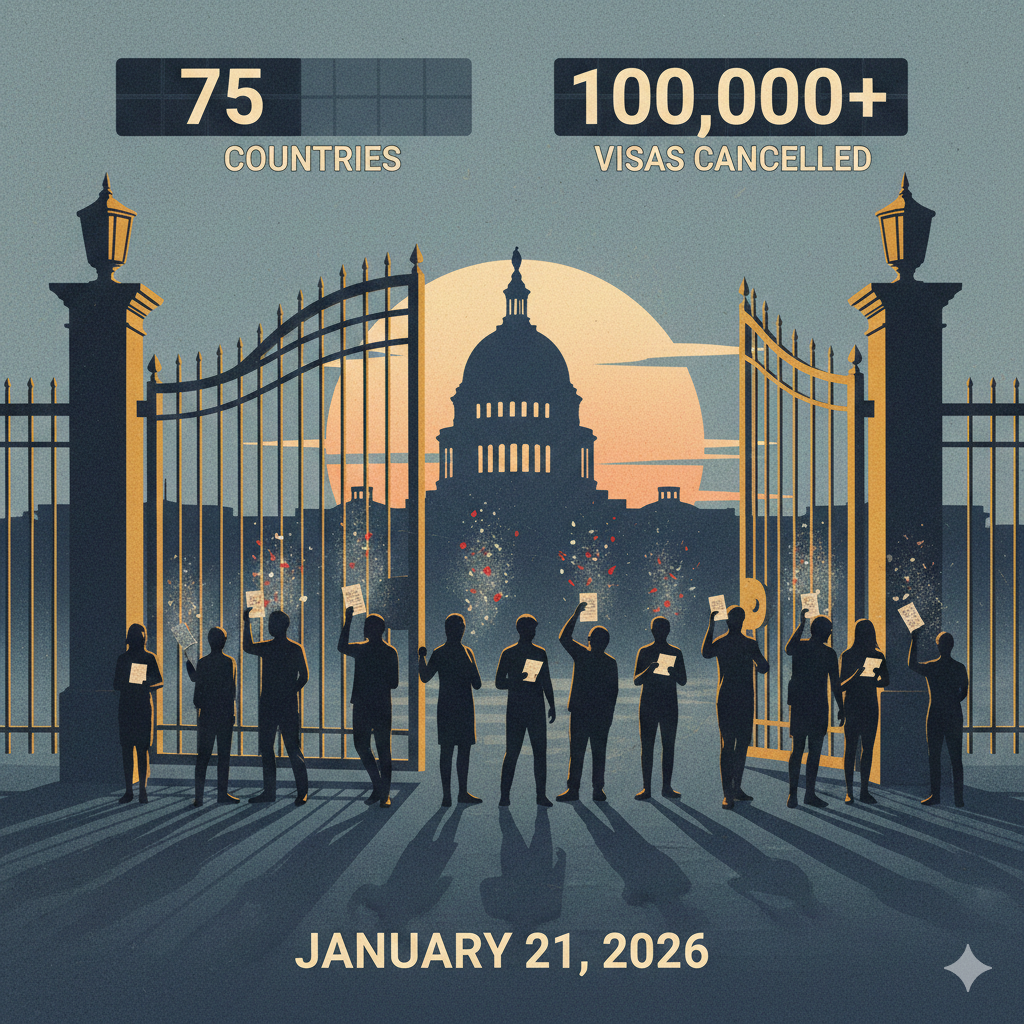
The US has been suspending visa processing for citizens of 75 countries since January 21 and has already massively canceled over 100,000 visas for 2025. Find out who is at risk, the reasons for the decisions, and what applicants should do
14 Jan. 2026
More details1 min
Investment
Countries That Do Not Tax Foreign Income in 2026: Top 9 Jurisdictions with Territorial Taxation
Which countries do not tax foreign income in 2026? Learn about 9 jurisdictions with the territorial principle of taxation, residency requirements and tax nuances for businesses and freelancers
15 Jan. 2026
More details2 min
Expats
Henley & Partners has released the updated Passport Index for 2026. Discover the world’s most powerful passports, top-ranked countries, and key global mobility trends
17 Jan. 2026
More detailsAll materials and articles are owned by VisitWorld.Today and are protected by international intellectual property regulations. When using materials, approval from VisitWorld.Today is required.