

St. Patrick's Day: history, traditions and the most colorful celebrations in the world
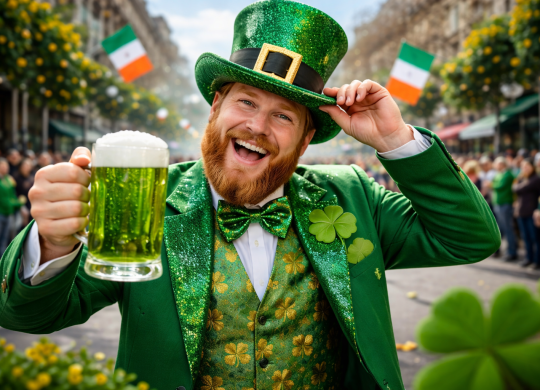
On March 17, many countries around the world celebrate St. Patrick's Day, a national holiday of Ireland that has turned into a large-scale international festival with parades, music, and green symbols. On this day, cities around the world are decorated with shamrocks, and people wear green clothes in honor of Irish traditions. Learn more about the history of the holiday, its symbols and the most interesting traditions of celebration

St. Patrick's Day is one of Ireland's most famous national holidays, celebrated annually on March 17. Initially, it was a religious holiday in honor of the country's patron saint, St. Patrick, who, according to legend, brought Christianity to the Irish island in the fifth century.
Over time, St. Patrick's Day has grown into a large-scale cultural festival that extends far beyond Ireland. Today, it is celebrated in dozens of countries around the world, from the US and Canada to Australia and Japan. Parades, concerts, themed festivals, and traditional Irish music bring together millions of people, and green colors, shamrocks, and images of leprechauns have become recognizable symbols of the holiday.
For tourists, St. Patrick's Day is an opportunity to see colorful street festivals, immerse themselves in the atmosphere of Irish culture, and attend one of the largest parades in the world.
Planning a trip abroad?
Insurance from the Visit World portal will help you avoid unnecessary risks. The policy covers the costs of medical treatment, emergency assistance, and unforeseen situations abroad, so that even in the event of delays or route changes, you remain protected and can focus on your trip rather than on problems.

Who is St. Patrick and why is he revered in Ireland?
St. Patrick is considered the main patron saint of Ireland and one of the most important figures in the country's history. His life is shrouded in legends, but historians agree that he played a key role in the spread of Christianity on the island in the fifth century. It is in honor of this historical figure that a national holiday is celebrated annually on March 17, which eventually became known throughout the world.
Interestingly, Patrick was not born in Ireland. According to historians, the future saint was born around the end of the fourth century in Roman Britain. At the age of 16, he was kidnapped by Irish pirates and sold into slavery, where he worked as a shepherd. After several years of captivity, he managed to escape and return home. Later, Patrick became a priest and decided to return to Ireland as a missionary.
During his mission, he actively preached Christianity among the local tribes, founded churches, and taught people about the new religion. It is his work that is associated with the gradual Christianization of Ireland, although this process continued for many decades after his death.
There are also several famous legends associated with St. Patrick that have become part of Irish folklore:
1. The shamrock as a symbol of faith. According to legend, Patrick used the shamrock to explain the idea of the Holy Trinity - the Father, the Son and the Holy Spirit. That is why this plant has become one of the main symbols of Ireland.
2. The legend of the expulsion of snakes from Ireland. According to folk legend, the saint allegedly drove all the snakes from the island. However, scholars believe that this story is symbolic and signifies the victory of Christianity over pagan beliefs.
3. Date of celebration. St. Patrick's Day is celebrated on March 17, the day that is traditionally considered the date of his death.
Today, St. Patrick is not only a religious symbol but also an important part of Irish cultural identity. His name is associated with national traditions, symbols, and a great holiday that unites people around the world.
The most famous traditions of St. Patrick's Day
Over time, St. Patrick's Day has evolved from a religious holiday into a large-scale cultural festival. Today, it is celebrated not only in Ireland but also in dozens of other countries, where parades, concerts, and themed festivals are held. Many of the traditions associated with this day were formed in the twentieth century and have become recognizable symbols of Irish culture.
One of the main features of the holiday is its vibrant atmosphere: cities are decorated with green flags, people wear themed costumes, and the streets are filled with musicians and dancers.
The most common traditions of celebrating St. Patrick's Day are:
1. Green clothes. On March 17, people around the world wear green clothes or accessories. This color symbolizes Ireland, which is often called the “Emerald Isle,” and is also associated with the shamrock, one of the main symbols of the holiday.
2. Holiday parades. Many cities host large parades with orchestras, dance groups and platforms with themed decorations. The most famous parades are organized in Dublin, New York and Chicago.
3. Shamrock. This plant has become a symbol of Ireland and St. Patrick's Day. According to legend, St. Patrick used the shamrock to explain the idea of the Holy Trinity to people.
4. Irish music and dancing. During the celebration, traditional Irish music is played in pubs and on the streets, and dance groups perform famous Irish step dances.
5. Festive cuisine. Restaurants and pubs often serve traditional Irish dishes, such as corned beef with cabbage or various meat stews, and hold themed gastronomic events.
Interestingly, some holiday traditions have become real tourist attractions. For example, in Chicago, since 1962, the river has been painted green every year, which attracts thousands of tourists and has become one of the most famous symbols of St. Patrick's Day in the United States.
Why green became a symbol of St. Patrick's Day
Green is one of the main symbols of St. Patrick's Day. In the Celtic tradition, it was associated with nature, fertility, and protection from evil forces. That's why folk beliefs believed that a person wearing green clothes on March 17 could attract good luck for the whole year.
Another reason for the popularity of the green color is the legends of leprechauns. In Irish folklore, these are small magical creatures that supposedly hide pots of gold at the end of the rainbow. According to legend, if a person manages to catch a leprechaun, he can fulfill three wishes or reveal the place where the treasure is hidden.
Symbols of St. Patrick's Day
Over time, several recognizable symbols have formed around the holiday, which are now associated with Irish culture and celebration traditions.
The most famous symbols of St. Patrick's Day are:
1. Shamrock (shamrock)
2. Green clothes and accessories
3. Leprechauns - characters of Irish folklore
4. The quatrefoil as a symbol of good luck
5. Rainbow and the legendary pot of gold
These symbols are associated with ancient Celtic beliefs about the magic of nature, good luck, and hidden treasures, so they are often used in festive decor, souvenirs, and costumes during the celebration.
Folk signs for St. Patrick's Day
Like many other national holidays, St. Patrick's Day has its own signs and beliefs. They differ slightly from country to country, but most of them are related to luck and prosperity.
Among the most famous signs:
- Finding a four-leaf clover is a sign of great luck throughout the year;
- Starting a new business on March 17 is considered a good sign for success;
- Rain on this day is believed to mean a fertile and favorable year;
- Seeing a rainbow is a sign of unexpected good luck or pleasant changes.
Many of these signs have folklore origins, but they remain part of the festive atmosphere of St. Patrick's Day today.
What tourists should know when planning a trip during St. Patrick's Day
St. Patrick's Day is one of the most popular spring festivals in the world, so in many cities, the celebration attracts a huge number of guests. If you are planning a trip on March 17, you should prepare in advance for a large influx of tourists, changes in traffic, and increased demand for housing.
In large cities, celebrations can last for several days and include dozens of different events: from parades and concerts to gastronomic festivals. Therefore, tourists should plan their travel program in advance and take into account several important nuances.
Here's what you should consider when planning your trip:
1. Book your accommodation in advance. In popular cities such as Dublin or New York, hotels fill up quickly, and accommodation prices can rise significantly on the eve of the holiday.
2. Check the schedule of events. In many cities, parades, concerts, and festivals are held in different parts of the city, so it's worth checking out the celebration program in advance.
3. Be prepared for large crowds. St. Patrick's Day is a large-scale street celebration, so central squares and tourist areas can be very crowded.
4. Pay attention to transportation restrictions. During parades and festivals, some streets are closed to traffic, which can affect public transportation routes.
5. Try the local cuisine and pub atmosphere. Festivities are often accompanied by live music, dancers and themed menus in restaurants and pubs.
Traveling during St. Patrick's Day can be an unforgettable experience for tourists. It is a great opportunity to see the traditions of Ireland, feel the atmosphere of a big festival, and get acquainted with the country's culture. By planning a trip in advance, travelers can make the celebration even more comfortable and interesting.
Are you preparing for a trip abroad in 2026?
Medical insurance from the Visit World portal will provide reliable support during your trip, especially in the context of flight changes and unstable schedules. The policy covers medical expenses, emergency assistance, and other unforeseen situations outside the country, so you can feel confident even when plans have to be adjusted at the last minute.
We remind you! Croatia is stepping up its fight against drunken tourists by introducing new restrictions in popular resort cities. Split became the first city in the country to introduce strict rules on alcohol sales this summer. Read more about the new bans, hefty fines for tourists, and changes in Croatia's tourism strategy.
Products from Visit World for a comfortable trip:
Travel guide for 200 countries;
Legal advice from a local specialist on visa and migration issues;
Travel insurance around the world (please select the country of interest and citizenship to receive services);
Medical insurance all over the world.
We monitor the accuracy and relevance of our information, so if you notice any errors or inconsistencies, please contact our hotline
Frequantly
asked questions
When is St. Patrick's Day?
Why does everyone wear green clothes on St. Patrick's Day?
Why is the shamrock the symbol of the holiday?
Where are the largest St. Patrick's Day celebrations held?
Is St. Patrick's Day an official holiday?
Recommended articles
2 min
Events
Easter is one of the most important Christian holidays, which unites millions of people around the world every year. Find out the date of the holiday, the Easter calendar, the period of Lent, the traditions of the celebration and the meaning of Easter in the world
09 Mar. 2026
More details3 min
Events
Oscar winners 2026: full list of winners and highlights of the ceremony
On the night of March 16, Los Angeles hosted one of the main events of world cinema - the Oscar 2026 ceremony. This year's event was memorable for several surprises: a record number of awards for one film, two winners in one category, and resonant discussions about individual winners. Find out more about the winners of the 2026 Oscars and the highlights of the ceremony
16 Mar. 2026
More details2 min
Events
The 2026 Winter Paralympic Games in Milan and Cortina ended with a spectacular closing ceremony. Find out what records these Games set, who became the main heroes of the competition and what the final medal standings look like
16 Mar. 2026
More details3 min
Events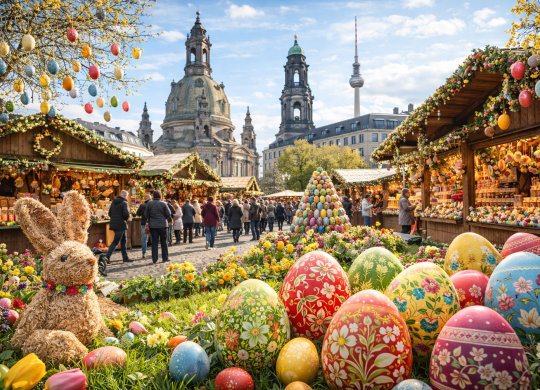
The most beautiful Easter fairs in Europe in 2026: where to go for a festive atmosphere
Easter in Europe is not only about festive services and traditions, but also about colorful fairs that attract thousands of tourists every year. Spring markets with handicrafts, festive décor, and traditional foods open in different cities. Find out more about the most beautiful Easter fairs in Europe in 2026, their dates, locations and features
18 Mar. 2026
More detailsAll materials and articles are owned by VisitWorld.Today and are protected by international intellectual property regulations. When using materials, approval from VisitWorld.Today is required.