

The EU has introduced a new duty on inexpensive packages from abroad: what will change for shoppers
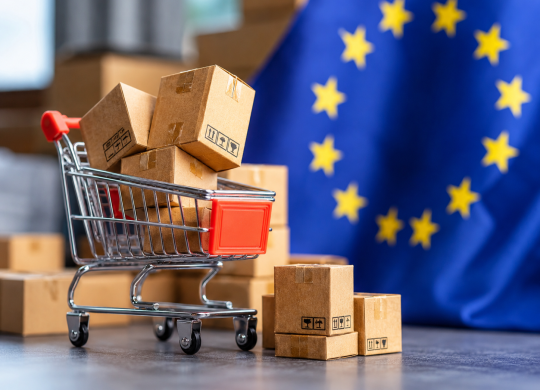
The European Union has introduced a new fee on low-cost packages arriving from countries outside the EU. The decision primarily affects goods ordered on popular international marketplaces and is part of a large-scale reform of the customs system. Find out why the EU adopted these changes and how they will affect online shoppers

As of July 1, 2026, a new fee on low-cost packages arriving from third countries went into effect in the European Union. It applies to shipments valued at up to 150 euros and is intended to reduce the flow of cheap goods flooding the European market through international online platforms. The new measure is also intended to strengthen safety controls on imported products, reduce the burden on customs services, and ensure fairer competition for European sellers.
Planning a trip abroad?
Insurance from the Visit World portal will help you avoid unnecessary risks. The policy covers the costs of medical treatment, emergency assistance, and unforeseen situations abroad, so that even in the event of delays or route changes, you remain protected and can focus on your trip rather than on problems.

EU Introduces New Fee for Low-Cost Packages
Effective July 1, 2026, a new flat-rate customs fee applies to all commercial packages valued at up to 150 euros arriving in the EU from third countries. The fee is 3 euros per shipment if the goods are cleared through the standard customs procedure.
For goods declared under a simplified procedure via the Import One-Stop Shop (IOSS) system, a lower rate applies—2 euros per package. This is the system used by a significant number of major international marketplaces to simplify customs clearance and VAT payment.
The new fee does not replace existing taxes or duties but is a separate charge for processing imported shipments. It will be paid by e-commerce operators or importers; however, it is expected that these additional costs may ultimately be passed on to end consumers as part of the product price.
The European Commission emphasizes that this mechanism is temporary. It will remain in effect until July 1, 2028, when the EU plans to fully launch an updated customs clearance system for e-commerce. According to Brussels’ estimates, the new fee will help partially cover the costs of processing the billions of small parcels that arrive in EU countries each year.
Why did the EU introduce the new fee?
The main reason was the unprecedented number of low-cost packages arriving daily in EU countries from third countries. According to the European Commission, approximately 5.9 billion low-cost shipments were imported into the EU in 2025—nearly twice as many as the previous year. On average, customs authorities processed over 16 million such packages daily.
About 90% of all shipments came from China, primarily through major international marketplaces such as Temu, Shein, and AliExpress. The rapid growth of online commerce has significantly increased the workload on customs authorities and made it more difficult to monitor the quality and safety of goods.
The European Commission also notes that a significant portion of imported products does not comply with EU legislation. Inspections revealed that over 60% of the tested goods did not meet European safety standards. This includes, in particular, children’s toys, electronics, cosmetics, and other products that may pose a risk to consumers.
In addition to strengthening controls, the new fee is intended to create a more level playing field between European companies and sellers from third countries, who often offer goods at significantly lower prices. According to the European Commission’s plan, the new rules will help make the import system more transparent and efficient until the completion of a large-scale customs reform in 2028.
How will the new rules affect shoppers?
For most consumers, the new fee does not mean they will have to pay an additional 2 or 3 euros when receiving a package. In most cases, these costs will be covered by online platforms, sellers, or logistics operators, though they may include them in the final price of the goods or shipping.
The changes may be felt most by shoppers who regularly order inexpensive goods on international marketplaces, such as Temu, Shein, AliExpress, and other platforms that ship products directly from countries outside the EU. Even a slight increase in the cost of each shipment could affect the prices of millions of orders.
The European Commission emphasizes that the new mechanism is only an interim solution. It will remain in effect until the launch of a comprehensive reform of the EU customs system, which includes the digitization of customs procedures, tighter controls on online imports, and new rules for e-commerce platforms. This is expected to speed up the processing of international shipments, combat fraud more effectively, and improve oversight of goods’ compliance with European safety standards.
Are you preparing for a trip abroad in 2026?
Medical insurance from the Visit World portal will provide reliable support during your trip, especially in the context of flight changes and unstable schedules. The policy covers medical expenses, emergency assistance, and other unforeseen situations outside the country, so you can feel confident even when plans have to be adjusted at the last minute.
We remind you! Croatia is stepping up its fight against drunken tourists by introducing new restrictions in popular resort cities. Split became the first city in the country to introduce strict rules on alcohol sales this summer. Read more about the new bans, hefty fines for tourists, and changes in Croatia's tourism strategy.
Products from Visit World for a comfortable trip:
Travel guide for 200 countries;
Legal advice from a local specialist on visa and migration issues;
Travel insurance around the world (please select the country of interest and citizenship to receive services);
Medical insurance all over the world.
We monitor the accuracy and relevance of our information, so if you notice any errors or inconsistencies, please contact our hotline
Frequantly
asked questions
When did the new fee on low-value parcels take effect in the EU?
What goods are covered by the new rules?
Will buyers have to pay the €3 themselves?
Why did the EU introduce this new fee?
Recommended articles
2 min
Travels
Staying at a 5-star hotel doesn't always mean spending hundreds of dollars a night. A new international study has revealed which cities around the world offer luxury rooms at significantly lower prices than popular tourist capitals. Find out which destinations topped the list and when it's best to book premium-class hotels
04 Jul. 2026
More details2 min
Expats
Which European countries have the highest prices: Eurostat's cost-of-living ranking
New data from Eurostat has revealed just how much the cost of living varies across European countries. In some countries, the same set of goods and services costs nearly four times as much as in others. Find out which countries topped the list of the most expensive and most affordable, as well as where you’ll have to spend the most on groceries, restaurants, and hotels
01 Jul. 2026
More details1 min
Travels
Girls Trip Europe 2026: Best Destinations: Barcelona, Mykonos and Hvar
Traveling with your girlfriends is the best way to recharge and recharge. Find out which three European destinations in 2026 are perfect for a girls' getaway: beaches, gastronomy, atmosphere and practical tips for each
04 Jul. 2026
More details3 min
Residence permit
Best Countries for Tech Workers in 2026: Salaries, Taxes and Relocation Guide
The tech talent market in 2026 is one of the most competitive in history. Find out which countries offer IT professionals the best conditions in terms of salary, taxes, visa programs and quality of life
05 Jul. 2026
More detailsAll materials and articles are owned by VisitWorld.Today and are protected by international intellectual property regulations. When using materials, approval from VisitWorld.Today is required.