

How Much Does It Cost to Fly With a Cat or Dog in 2026?
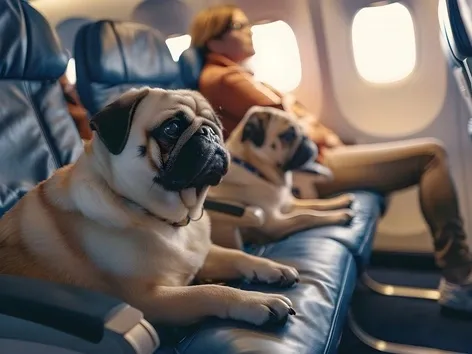
The cost of flying with a pet varies depending on the airline. Find out how much it costs to travel by plane with a cat or dog in 2026

When planning a holiday with a pet, travellers increasingly face not only the question of booking a hotel, but also whether their cat or dog will be allowed in the cabin – and how much it will cost. A recent study shared by Euronews analysed the pet policies of 22 European airlines, revealing that most of them are quite accommodating to passengers with four-legged companions. Still, conditions, fares and breed or weight restrictions vary by carrier, so it's worth getting familiar with the details before buying tickets.
Read also about the documents required for travelling with pets and expert tips for safe, comfortable trips.
Travelling with a pet means extra costs, but that's not the only risk worth considering in advance. A delayed flight, a cancelled trip or a sudden illness on the road can end up costing far more than the ticket itself.
Travel insurance covers medical assistance, lost luggage and other unexpected situations during a trip. You can get a policy online in just a few minutes, choosing coverage tailored to your specific route.
Choose Visit World travel insurance and travel knowing you're protected.

Which airlines allow pets in the cabin?
Across Europe, allowing small cats and dogs in the cabin is the rule rather than the exception. Air France permits one pet weighing up to 8 kg, with fares ranging from €70 to €250 depending on the route; in the hold, prices are higher – from €100 to €750. Dutch carrier KLM follows similar rules, though its additional fees can reach €500 one way.
Austrian Airlines allows up to two pets weighing up to 8 kg each: a flight will cost between €65 on domestic routes within Austria and €125 on long-haul intercontinental flights. Brussels Airlines has similar weight limits, with in-cabin transport costing between €80 and €115. Rabbits, fish, rodents or birds, however, are only accepted as cargo in the hold, where the price depends on the carrier size – from €100 to €380.
Finnish carrier Finnair stands out with the widest range of accepted animals: besides cats and dogs, it also takes hedgehogs, tortoises, rabbits and even ferrets (though the latter only in the hold). An in-cabin flight costs €60 within Europe and €120 on intercontinental routes, and it's more cost-effective to book a pet's seat at least a week before departure.
A reminder! The EU updated its pet entry rules, which have been in effect since April 2026.
Visit World services for tourists, migrants, and expats: Insurance | Guides | Legal advice
How much does it cost to fly a large pet or in the hold?
If a pet doesn't fit within the standard 8 kg including the carrier, you'll need to look at hold transport or cargo shipping instead. On Polish carrier LOT, the additional in-cabin fee ranges from €44 on domestic flights to €100 on long-haul routes, while Lufthansa offers both in-cabin transport (€50–110) and separate cargo shipping starting at €80 and going up to €380.
The widest price range belongs to SAS: fares start at €55 on domestic Scandinavian routes and can reach €149 in the cabin or as much as €725 in the hold on routes to China. TAP Air Portugal allows up to two pets aged 10 weeks or older in the cabin, with prices ranging from €40 to €170 depending on the booking season, while hold transport costs €78–247.
Top cities for a comfortable holiday with your pet – check out Visit World's selection.
What else should you consider before booking a ticket for your pet?
According to AirAdvisor, only three of the 22 airlines reviewed don't allow pets in the cabin at all – so the odds of finding a suitable option are fairly high. Still, there are a few nuances easy to overlook while planning:
- pets younger than 12 weeks are generally not allowed on board;
- certain dog breeds, including bulldogs and pugs, may face additional restrictions;
- business and premium class often don't offer a spot for pets at all;
- codeshare flights and connections between different airlines can complicate pet transport;
- on some routes – the UK, the US, Australia, Hong Kong – certain carriers only accept pets as cargo.
Almost all the airlines mentioned also allow pets into their branded lounges, as long as they stay in their carrier the whole time. That's a welcome bonus for anyone flying with a connection who wants to give their pet a bit of calm between flights.
The main rule stays the same: conditions can change, so before buying tickets it's worth double-checking the current rules directly on the chosen airline's website – especially for long routes with connections.
Flying with a pet makes trip planning more complex: beyond tickets and carriers, it's worth thinking about your own safety on the road too. If a flight is delayed due to weather or technical issues, you may need to find a hotel for yourself and your pet – an extra cost that insurance can help cover.
Travel insurance covers sudden illness or injury abroad, and some policies also account for situations involving a trip cancelled for a valid reason. This is especially relevant for long routes with connections, where pet transport fees are already higher. Getting travel insurance online takes just a few minutes: simply enter your citizenship and destination country, and the system will find a suitable option for you. With Visit World, you can focus on the trip itself instead of solving problems along the way.
Get Visit World travel insurance now and fly with peace of mind – together with your pet.
A reminder! Hotel prices at booking don't always include the tourist tax. The surcharge depends on the city, accommodation category, season and length of stay. We've already covered tourist taxes in Europe in 2026, local rules and exemptions that can help you plan your travel budget more accurately.
Photo – Magnific
Products from Visit World for a comfortable trip:
Travel guide for 200 countries;
Legal advice from a local specialist on visa and migration issues;
Travel insurance around the world (please select the country of interest and citizenship to receive services);
Medical insurance all over the world.
We monitor the accuracy and relevance of our information, so if you notice any errors or inconsistencies, please contact our hotline.
Frequantly
asked questions
Do I need a veterinary passport for a pet to fly within Europe?
Can I get a refund for my pet’s ticket if the flight is cancelled?
Is there a difference between transporting a pet in the cargo hold and shipping it as cargo?
Recommended articles
2 min
Travels
Where to Go in Europe in October: Rhodes Island
Travel Off Path has named Rhodes one of the best European destinations for an October vacation. Learn more about the island's attractions
05 Sep. 2026
More details2 min
Travels
Bus Trips Through Europe: 5 Popular Routes
Bus tours through Europe are gaining popularity again. Tour operators offer itineraries that take you through several EU countries. Learn more about the top options
06 Sep. 2026
More details2 min
Travels
Autumn in Europe 2026: Where to Go for Golden Foliage
Autumn is the most comfortable season for traveling around Europe. Discover which destinations are worth visiting in 2026 and how to plan a worry-free trip
12 Sep. 2026
More details3 min
Travels
Where to Go in Europe This Winter: Top 10 Destinations
Europe in winter means the sunshine of the Canary Islands, the snow of the Bavarian Alps, and the tranquility of Santorini without the crowds. Learn more about this season’s top destinations
13 Sep. 2026
More detailsAll materials and articles are owned by VisitWorld.Today and are protected by international intellectual property regulations. When using materials, approval from VisitWorld.Today is required.