

Niemcy znoszą przyspieszone obywatelstwo dla cudzoziemców: nie ma już możliwości uzyskania niemieckiego paszportu w trzy lata
Table of contents
- Jakie zmiany w procedurze obywatelstwa zatwierdził niemiecki parlament?
- Dlaczego niemiecki rząd zdecydował się na zniesienie „turbo obywatelstwa”?
- Jak zareagowało niemieckie kierownictwo na zniesienie przyspieszonej procedury obywatelskiej?
- Jak popularny był przyspieszony program obywatelski w Niemczech?
- Jak uzyskać niemiecki paszport poprzez naturalizację?
- Jak wygląda przyspieszona procedura uzyskania niemieckiego obywatelstwa?
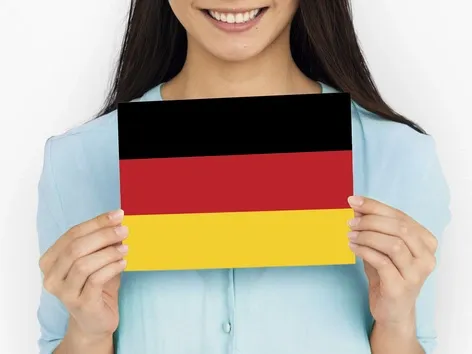
Niemcy zniesiły „turbo-obywatelstwo”: nie ma już możliwości uzyskania niemieckiego paszportu w trzy lata. Dowiedz się, co dokładnie się zmieniło, jak to wpłynie na migrantów i jakie wymagania obowiązują teraz, aby uzyskać niemiecki paszport

8 października 2025 roku Bundestag oficjalnie zniósł „turbonaturalizację” – przyspieszoną procedurę uzyskiwania obywatelstwa niemieckiego, które pozwalało cudzoziemcom na uzyskanie niemieckiego paszportu po zaledwie trzech latach pobytu. Od teraz standardowym wymogiem jest ponownie pięć lat legalnego pobytu w kraju.
Planujesz uzyskać pozwolenie na pobyt lub obywatelstwo?
Zapoznaj się z przewodnikiem imigracyjnym od Visit World – krok po kroku przewodnik, który pomoże Ci zrozumieć wszystkie wymagania, dokumenty i procedury w każdym kraju na świecie.
Otrzymaj gotowy przewodnik PDF na swój adres e-mail w zaledwie kilka minut i dowiedz się, jak legalnie uzyskać pobyt lub obywatelstwo za granicą.

Jakie zmiany w procedurze obywatelstwa zatwierdził niemiecki parlament?
450 deputowanych głosowało za nowelą ustawy o obywatelstwie, 134 głosowało przeciw, a dwóch wstrzymało się od głosu.
Decyzja ta całkowicie znosi trzyletnią drogę do obywatelstwa wprowadzonej w 2024 roku za rządów Olafa Scholza.
Od teraz wniosek o paszport można składać po pięciu latach pobytu w Niemczech.
Jednak ten okres nie zostanie wydłużony do ośmiu lat, jak miało to miejsce przed reformą Scholza.
Zasady dotyczące podwójnego obywatelstwa, które pozwalają cudzoziemcom na zachowanie paszportu swojego kraju, również pozostają w mocy.
Ustawa musi jeszcze zostać zatwierdzona przez Bundesrat, reprezentatywny organ krajów związkowych, po czym wejdzie w życie.
Dlaczego niemiecki rząd zdecydował się na zniesienie „turbo obywatelstwa”?
Minister spraw wewnętrznych Alexander Dobrindt wyjaśnił, że reforma ma na celu „zmniejszenie atrakcyjności nielegalnej migracji” i wdrożenie polityki „odwrócenia migracji” ogłoszonej przez nową koalicję rządową pod przewodnictwem kanclerza Friedricha Merza.
„Niemiecki paszport powinien być uznaniem za udaną integrację, a nie zachętą do nielegalnej migracji” – powiedział Dobrindt podczas dyskusji w Bundestagu.
Według urzędników rządowych trzy lata to zbyt krótki okres, aby ocenić poziom integracji cudzoziemców w niemieckim społeczeństwie.
Jak zareagowało niemieckie kierownictwo na zniesienie przyspieszonej procedury obywatelskiej?
Zniesienie to poparły partie centroprawicowe i prawicowe, w szczególności Alternatywa dla Niemiec (AfD), która zajmuje twarde stanowisko przeciwko imigracji. Przedstawiciele AfD wezwali nawet do przywrócenia starego ośmioletniego okresu pobytu w celu uzyskania paszportu.
Z kolei Zieloni i Lewica skrytykowali tę decyzję, uważając, że spowolni ona integrację i nie uwzględni interesów tych, którzy już złożyli wnioski na starych zasadach.
Jak popularny był przyspieszony program obywatelski w Niemczech?
Według oficjalnych danych mniej niż tysiąc osób w całym kraju skorzystało z przyspieszonej procedury w okresie jej funkcjonowania.
W Berlinie od 2024 roku od 300 do 500 osób uzyskało obywatelstwo w ramach tego schematu, w Bawarii - około 80, w Badenii-Wirtembergii - tylko 16.
Dla porównania, w sumie 292 tysiące cudzoziemców uzyskało obywatelstwo niemieckie w ramach procedury naturalizacji w 2024 roku. Również w Berlinie, od stycznia do sierpnia 2025 roku, około 27 tysięcy osób uzyskało niemiecki paszport, co jest nawet więcej niż w całym poprzednim roku.
Eksperci uważają zniesienie „turbonaturalizacji” za raczej symboliczny krok, który nie będzie miał wymiernego wpływu na ogólną politykę migracyjną, ale pokaże twardszy kurs nowego rządu.
Jak uzyskać niemiecki paszport poprzez naturalizację?
Po zmianach standardowe warunki uzyskania obywatelstwa niemieckiego pozostają następujące:
- Co najmniej 5 lat stałego pobytu w Niemczech;
- Znajomość języka niemieckiego na poziomie B1;
- Zaliczenie testu z wiedzy o prawnych i społecznych zasadach życia w Niemczech;
- Niezależność finansowa - zdolność do utrzymania siebie i swojej rodziny bez pomocy społecznej;
- Brak wyroków karnych.
Dla osób zamężnych z obywatelami niemieckimi możliwość naturalizacji pozostaje po trzech latach pobytu i dwóch latach małżeństwa.
Przeczytaj tutaj, co cudzoziemcy mogą robić w Niemczech, jakie oferty pracy są dostępne dla pracowników anglojęzycznych i czy cudzoziemcy potrzebują wizy, aby pracować w Niemczech.
Jak wygląda przyspieszona procedura uzyskania niemieckiego obywatelstwa?
„Turbonaturalizacja” została wprowadzona w 2024 roku przez rząd Olafa Scholza w ramach pakietu reform mającego na celu przyciągnięcie wykwalifikowanego personelu i złagodzenie niedoboru siły roboczej.
Pozwalała na uzyskanie obywatelstwa po trzech latach, pod warunkiem, że:
- Znajomość języka na poziomie C1;
- „specjalne osiągnięcia w integracji” (udana kariera, aktywne uczestnictwo w życiu publicznym, edukacja itp.).
Te przepisy teraz oficjalnie wygasły.
Zniesienie przyspieszonej procedury naturalizacji jest sygnałem zmiany polityki migracyjnej w Niemczech.
Władze dążą do tego, aby obywatelstwo było nagrodą za długoterminową integrację, a nie krótkoterminowym bonusem dla nowoprzybyłych.
Potrzebujesz pomocy w uzyskaniu zezwolenia na pobyt lub obywatelstwa w Niemczech? Skontaktuj się ze specjalistami ds. migracji z Visit World!
Nasi eksperci pomogą Ci zrozumieć aktualne zmiany w niemieckim prawodawstwie, przygotować kompletny pakiet dokumentów i towarzyszyć Ci w procesie aplikacyjnym.
Uzyskaj profesjonalną poradę, aby wybrać najlepszą drogę do legalnego pobytu lub obywatelstwa w UE.
Profesjonalne wsparcie to Twoja pewność w wyniku!

Przypomnienie! Oprócz anulowania przyspieszonej procedury uzyskania niemieckiego obywatelstwa, w 2025 roku kraj zaostrzył zasady imigracyjne, w szczególności wprowadził zakaz łączenia rodzin dla poszczególnych uchodźców i zatwierdził nowe ograniczenia na granicach. Już powiedzieliśmy Ci, kogo dotyczą innowacje i jak obcokrajowcy powinni działać
Produkty z Visit World na komfortową podróż:
Lista kontrolna do uzyskania wizy i niezbędnych dokumentów w Niemczech;
Porady prawne w sprawach biznesowych w Niemczech;
Ubezpieczenie podróżne dla obcokrajowców w Niemczech;
Ubezpieczenie zdrowotne na całym świecie.
Monitorujemy dokładność i aktualność naszych informacji, więc jeśli zauważysz jakiekolwiek błędy lub nieścisłości, skontaktuj się z naszą infolinią.
Frequantly
asked questions
Czy Niemcy znoszą 3-letnie obywatelstwo?
Jaka jest nowa zasada dotycząca obywatelstwa w Niemczech?
Jak silny jest niemiecki paszport?
Recommended articles
2 min
Expats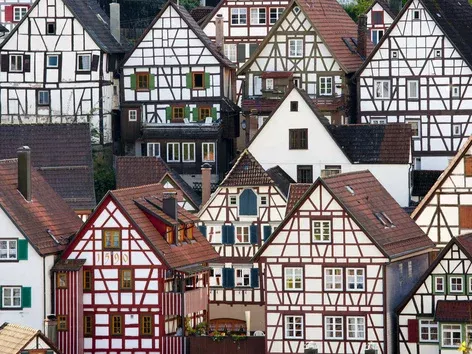
Zakup nieruchomości w Niemczech w 2025 roku: Przewodnik dla ekspatów
Niemcy są najbardziej rozwiniętym gospodarczo krajem w UE i mogą poszczycić się stabilnym rynkiem nieruchomości. Jednocześnie tylko 40% Niemców posiada własne mieszkania. Chociaż kredyty hipoteczne są w kraju dość przystępne, dominują tutaj długoterminowe wynajmy. Dowiedz się więcej o procedurze zakupu nieruchomości w Niemczech dla ekspatów, kosztach i szczegółach ram prawnych
20 cze. 2025
More details2 min
Transport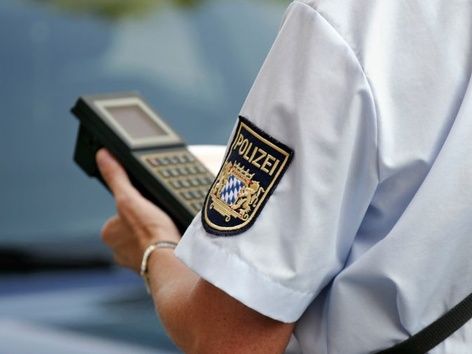
Wykroczenia drogowe w Niemczech: Mandaty w 2025 roku
Zagraniczni kierowcy w Niemczech również muszą przestrzegać lokalnych przepisów drogowych. Dowiedz się, jakie mandaty czekają na naruszycieli w 2025 roku
13 cze. 2025
More details2 min
Expats
Wiza dla freelancerów do Niemiec w 2025 roku: instrukcje, korzyści, wymagania
W 2025 roku Niemcy pozostają jednym z najbardziej atrakcyjnych krajów dla freelancerów i osób samozatrudnionych, które chcą legalnie żyć i pracować w Europie. Dowiedz się, jak uzyskać wizę dla freelancerów do Niemiec w 2025 roku: rodzaje wiz, dokumenty, koszty, korzyści i instrukcje krok po kroku
26 lip. 2025
More details2 min
Education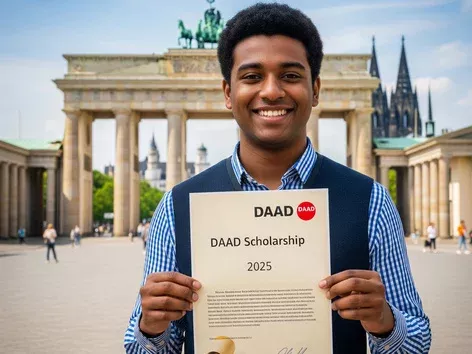
Stypendium DAAD w Niemczech w 2025 roku: Kto może je otrzymać, co obejmuje, wymagania
Niemcy pozostają jednym z najpopularniejszych kierunków dla międzynarodowych studentów. Dowiedz się, jak uzyskać stypendium DAAD w Niemczech, jakie programy są dostępne dla studentów licencjackich, magisterskich i badaczy, kto może aplikować, jak prawidłowo wypełnić dokumenty i zwiększyć swoje szanse na sukces
28 sie. 2025
More detailsAll materials and articles are owned by VisitWorld.Today and are protected by international intellectual property regulations. When using materials, approval from VisitWorld.Today is required.