

Życie cyfrowego nomady: jak podróżowanie wpływa na twój budżet i finanse
Table of contents
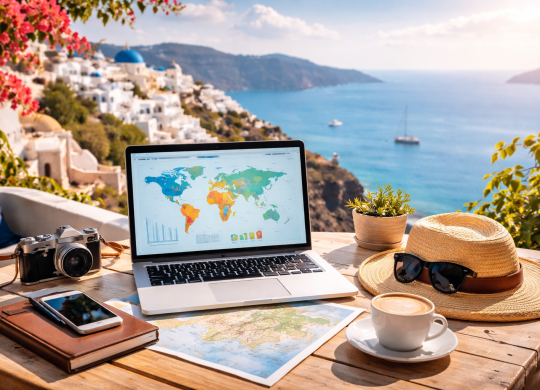
Praca bez przywiązania do biura umożliwiła podróżowanie po świecie i zarabianie pieniędzy z dowolnego miejsca na świecie. Ale za pięknymi zdjęciami z różnych krajów kryją się prawdziwe wyzwania finansowe i rozwiązania. Dowiedz się więcej o tym, jak życie cyfrowych nomadów wpływa na budżet, wydatki i stabilność finansową

Kilka lat temu praca była związana z konkretnym miejscem - biurem, miastem lub krajem. Dziś laptop może łatwo przekształcić każdą kawiarnię, przestrzeń coworkingową lub wynajęte mieszkanie w pełnoprawne miejsce pracy. W ten sposób ukształtował się styl życia cyfrowych nomadów, ludzi, którzy pracują zdalnie i nieustannie podróżują.
Dla wielu wygląda to jak wolność: nowe kraje, elastyczne harmonogramy i minimum więzi z jednym miejscem. Jednak za tą wolnością kryje się wyraźna rzeczywistość finansowa: miesięczne wydatki, zobowiązania podatkowe, ubezpieczenie zdrowotne i potrzeba planowania przyszłości. Zrozumienie mechanizmów finansowych tego stylu życia może pomóc przekształcić go z krótkoterminowej przygody w zrównoważony model na lata.
W poprzednim artykule rozmawialiśmy o procedurze aplikacyjnej, warunkach uczestnictwa i korzyściach z e-rezydencji w Estonii.
Jeśli planujesz pracować zdalnie i podróżować jako cyfrowy nomada, ważne jest, aby wcześniej zrozumieć podstawowe zasady i warunki pobytu w różnych krajach. Przewodnik Visit World dla cyfrowych nomadów dostarcza praktycznych wskazówek dotyczących wiz, wymagań wjazdowych, ubezpieczeń i legalnego pobytu za granicą. To wygodny punkt wyjścia dla tych, którzy chcą połączyć pracę i podróże bez niespodzianek.

Jak cyfrowi nomadzi zarabiają i oszczędzają na różnicach cenowych
Cyfrowi nomadzi często zarabiają w stabilnych lub silnych walutach, ale wydają pieniądze w krajach o niższych kosztach życia. Ta różnica pozwala im znacznie zwiększyć swój miesięczny budżet. Czynsz, transport i jedzenie zazwyczaj zajmują mniejszą część dochodu niż w głównych centrach finansowych. W rezultacie oszczędności mogą rosnąć szybciej, a rezerwa finansowa staje się silniejsza.
Narzędzia płatnicze również odgrywają ważną rolę. Zarządzanie subskrypcjami, usługami online i zakupami cyfrowymi za granicą wymaga wygodnych i elastycznych metod płatności. Rozwiązania prepaid, takie jak Cashlib France, pozwalają kontrolować wydatki cyfrowe bez wiązania wszystkich zakupów z jednym kontem bankowym lub krajem.
O najlepszych krajach dla cyfrowych nomadów w 2026 — mówimy tutaj.
Rzeczywiste codzienne wydatki cyfrowego nomady: jedzenie, transport i życie
Mieszkanie zazwyczaj przyciąga najwięcej uwagi, ale prawdziwy obraz tworzą małe codzienne wydatki. Wynajmy krótkoterminowe często już zawierają media i Internet, co unika dodatkowych kosztów organizacyjnych.
Poruszanie się po nowych miastach odbywa się głównie pieszo lub komunikacją publiczną, co zmniejsza koszty samochodu lub taksówki. Zwyczaje żywieniowe również się zmieniają: gotowanie w domu staje się normą, a chodzenie do kawiarni i restauracji przyjemnym wyjątkiem, a nie codziennym nawykiem.
Opieka zdrowotna i ubezpieczenie stają się osobną pozycją budżetową. Wielu cyfrowych nomadów wykupuje międzynarodowe ubezpieczenie, które zastępuje krajowy system opieki zdrowotnej. Regularne składki ubezpieczeniowe pomagają połączyć dostęp do usług medycznych z bezpieczeństwem finansowym podczas podróży.
Top 10 krajów dla cyfrowych nomadów: ranking Global Citizen Solutions.
Podatki, rezydencja i planowanie finansowe
Problemy podatkowe rzadko są wspominane w romantyzowanych historiach o życiu w drodze, chociaż mają kluczowe znaczenie. Dochody uzyskiwane zdalnie często pozostają związane z zasadami podatkowymi kraju obywatelstwa lub rezydencji. Niektórzy podejmują rezydencję za granicą, podczas gdy inni utrzymują bliskie więzi z krajem ojczystym. W każdym przypadku oznacza to różne zobowiązania podatkowe i prawne niuanse.
Planowanie emerytalne również się zmienia. Bez pracodawcy, który wnosi składki, odpowiedzialność spoczywa całkowicie na jednostce. Ludzie myślący przyszłościowo postrzegają oszczędności i inwestycje nie jako saldo na koniec miesiąca, ale jako obowiązkowy wydatek.
Przy okazji, w naszym poprzednim artykule rozmawialiśmy o najtańszych krajach do życia w 2026.
Rozrywka online i usługi cyfrowe w podróży: jak nie przepłacać
Po dniu pracy za granicą zawsze jest czas na relaks. Gry online, subskrypcje usług i rozrywka cyfrowa stają się częścią codziennego życia, nawet podczas podróży. Dostęp do treści z różnych krajów jest czasami trudny, więc cyfrowi nomadzi często wybierają elastyczne sposoby zakupu.
Wygodnie jest kupować gry na zaufanych rynkach. Na przykład platforma Eneba oferuje korzystniejsze ceny niż oficjalne sklepy, takie jak PlayStation Store. Sprzedaje klucze aktywacyjne gier, które można szybko wykorzystać na swoim koncie, w tym poprzez wpisanie kodu w PSN. Duży wybór, konkurencyjne ceny, natychmiastowy dostęp do kodów, jasne informacje o ograniczeniach regionalnych i wsparcie klienta sprawiają, że takie zakupy są wygodne podczas podróży. Dostępne są również karty podarunkowe do Xbox, PSN i Steam, które pozwalają doładować saldo bez wiązania z konkretną grą.
Takie podejście dobrze wpisuje się w styl życia, w którym mobilność i kontrola kosztów są ważne.
Jak połączyć wolność podróży i stabilność finansową
Życie cyfrowego nomady nagradza tych, którzy są świadomi pieniędzy. Elastyczność dochodów działa na twoją korzyść tylko wtedy, gdy towarzyszy jej dyscyplina finansowa. Ludzie, którzy kontrolują swoje wydatki, odkrywają, że podróżowanie niekoniecznie szkodzi ich celom finansowym - wręcz przeciwnie, może je wzmocnić poprzez świadome decyzje i zmniejszenie stałych kosztów.
Ostatecznie ten styl życia zmienia samo podejście do pieniędzy. Pieniądze nie są wydawane na utrzymanie jednego miejsca, ale na doświadczenia i narzędzia, które zapewniają wolność ruchu. Przy przemyślanym planowaniu mobilność i stabilność finansowa mogą współistnieć w harmonii. Utrzymanie tej równowagi jest łatwiejsze, gdy nawet codzienne zakupy cyfrowe pozostają przystępne dzięki międzynarodowym rynkom online.
Planowanie podróży, przeprowadzki lub życia za granicą?
Przewodnik Visit World dla cyfrowych nomadów pomoże Ci poradzić sobie z kluczowymi kwestiami: wizami, zasadami wjazdu, warunkami pobytu, ubezpieczeniem i podstawowymi wskazówkami dotyczącymi adaptacji do nowego kraju. To przydatne narzędzie dla tych, którzy chcą przygotować się do podróży z wyprzedzeniem i uniknąć powszechnych błędów.
Przypominamy! W czasach turbulencji geopolitycznych niektórzy rozważają przeprowadzkę do krajów, które od lat prowadzą politykę neutralności i unikają sojuszy wojskowych. Takie państwa oferują względną stabilność i jasne ścieżki do rezydencji lub długoterminowego pobytu. Przeczytaj o 7 neutralnych miejscach do życia i przeprowadzki pod tym linkiem.
Produkty z Visit World na komfortową podróż:
Przewodnik podróżniczy dla 200 krajów;
Porady prawne od lokalnego specjalisty w sprawach wizowych i migracyjnych;
Ubezpieczenie podróżne na całym świecie (proszę wybrać kraj zainteresowania i obywatelstwo, aby otrzymać usługi);
Ubezpieczenie zdrowotne na całym świecie.
Monitorujemy dokładność i aktualność naszych informacji, więc jeśli zauważysz jakiekolwiek błędy lub nieścisłości, skontaktuj się z naszą infolinią
Frequantly
asked questions
Kim są cyfrowi nomadzi?
Czy bardziej opłaca się mieszkać w krajach o niskich kosztach życia?
Jakie są główne wydatki finansowe cyfrowego nomady?
Jak wygląda kwestia opieki zdrowotnej za granicą?
Czy możliwe jest połączenie podróży z stabilnością finansową?
Recommended articles
3 min
Expats
Najtańsze kraje do życia w 2026 roku: gdzie żyć komfortowo i bez wysokich kosztów
W 2026 roku coraz więcej osób decyduje się na życie za granicą nie tylko w celach podróżniczych, ale także na dłuższy pobyt lub pracę jako freelancer. Ale gdzie można żyć tanio, nie wydając dużo na mieszkanie, jedzenie i transport? Nasz ranking obejmuje aktualne kraje o najniższych kosztach życia, a także praktyczne porady, jak obniżyć miesięczne wydatki i cieszyć się komfortem bez przepłacania
20 lut. 2026
More details3 min
Expats
Gdzie budować życie na dłuższą metę: 7 obiecujących krajów i miejsc, które tracą na atrakcyjności
Gdzie powinieneś się przeprowadzić, jeśli myślisz nie tylko o teraźniejszości, ale także o życiu za 10, 30, a nawet 100 lat? Niektóre kraje już inwestują w bezpieczeństwo, jakość życia i rozwój społeczny, podczas gdy inne stają się mniej wygodne do długoterminowego życia. Dowiedz się więcej o krajach, w których powinieneś budować swoje życie w przyszłości oraz o miejscach, które mogą rozczarować
11 lut. 2026
More details4 min
Expats
Estońska e-rezydencja: jak ją uzyskać, ile to kosztuje i jakie możliwości otwiera
Estonia stała się pierwszym krajem na świecie, który oferuje cudzoziemcom cyfrowy dostęp do swojego środowiska biznesowego i rynku UE. Program e-rezydencji działa od 2014 roku i już przyciągnął dziesiątki tysięcy przedsiębiorców z różnych krajów. Dowiedz się więcej o warunkach uczestnictwa, kosztach rejestracji i możliwościach oferowanych przez estońską e-rezydencję
19 lut. 2026
More details3 min
Expats
Wiza dla freelancerów w Kuwejcie 2026: koszt, warunki i procedura aplikacyjna
Kuwejt przygotowuje szeroką reformę migracji pracowniczej, która wpłynie na tysiące zagranicznych specjalistów. Kraj planuje wprowadzenie specjalnego zezwolenia na pobyt dla freelancerów, które pozwoli im pracować bez związania z pracodawcą-sponsorem. Dowiedz się więcej o kosztach nowej wizy, wymaganiach dla wnioskodawców oraz dacie uruchomienia programu
22 lut. 2026
More detailsAll materials and articles are owned by VisitWorld.Today and are protected by international intellectual property regulations. When using materials, approval from VisitWorld.Today is required.