

Jak przeprowadzić się do Australii w 2026 roku: krok po kroku przewodnik dla migrantów
Table of contents
- Dlaczego ludzie wybierają Australię na przeprowadzkę?
- Jakie wizy są odpowiednie do przeprowadzki do Australii?
- Jak uzyskać pozwolenie na pobyt i stały pobyt w Australii
- Jak uzyskać obywatelstwo australijskie?
- Praca w Australii dla migrantów
- Koszt życia w Australii: ile pieniędzy potrzebujesz
- Mieszkanie w Australii: wynajem i zakup
- Opieka zdrowotna i ubezpieczenia w Australii<\u002Fb><\u002fh2>
- Edukacja w Australii: przedszkola, szkoły, uniwersytety<\u002fb><\u002fh2>
- Klimat, mentalność i styl życia w Australii<\u002fb><\u002fh2>
- Co jest ważne do rozważenia przed przeprowadzką do Australii?<\u002fb><\u002fh2>
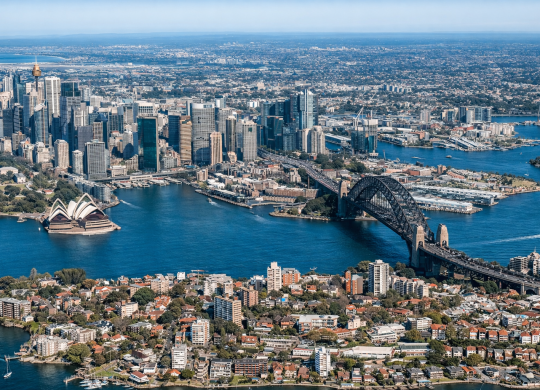
Australia oferuje wiele możliwości pracy, nauki i nowego początku za granicą, ale przepisy imigracyjne są dość surowe. Posiadanie jasnego zrozumienia etapów przeprowadzki pomoże zaoszczędzić czas, pieniądze i nerwy. Dowiedz się więcej o głównych krokach, aby przeprowadzić się do Australii

Przeprowadzka do Australii to poważna decyzja, która wymaga nie tylko chęci zmiany kraju zamieszkania, ale także jasnego planu działania. Ważne jest, aby z wyprzedzeniem ustalić, które wizy są odpowiednie do Twojego celu, ile kosztuje życie w różnych miastach, jak znaleźć pracę lub studiować oraz jakie biurokratyczne niuanse napotkasz po przyjeździe. Ten przewodnik zawiera praktyczne informacje na temat wiz, pozwoleń na pobyt, pracy, mieszkania, opieki zdrowotnej i adaptacji, abyś mógł realistycznie ocenić swoje szanse na przeprowadzkę i przygotować się na nią bez nieprzyjemnych niespodzianek.
W naszym poprzednim artykule powiedzieliśmy, że Australia rozszerzyła możliwości aplikacji Immi, umożliwiając podróżnym z 34 krajów przeprowadzenie weryfikacji biometrycznej online.
Planowanie przeprowadzki, długiej podróży lub zmiany kraju zamieszkania? Przewodnik migracyjny Visit World pomoże Ci zrozumieć wizy, zasady wjazdu, pozwolenia na pobyt i inne podstawowe wymagania dla różnych krajów na całym świecie. To przydatne narzędzie dla tych, którzy chcą przygotować się do podróży z wyprzedzeniem i uniknąć powszechnych błędów przy wypełnianiu dokumentów.

Dlaczego ludzie wybierają Australię na przeprowadzkę?
Australia nieprzerwanie znajduje się na liście krajów, do których ludzie przeprowadzają się w poszukiwaniu lepszej jakości życia, bezpieczeństwa i możliwości kariery. Jednak rzeczywistość życia tutaj ma nie tylko zalety, ale także niuanse, o których warto wiedzieć przed złożeniem wniosku.
Zalety życia w Australii
- Wysoki standard życia i standardy społeczne w większości miast.
- Stabilna gospodarka i jasne zasady dla migrantów i firm.
- Popyt na specjalistów w dziedzinach IT, medycyny, inżynierii, budownictwa i usług.
- Bezpieczne środowisko życia z niską przestępczością uliczną w porównaniu do wielu krajów.
- Czyste środowisko, dostęp do oceanu, parków narodowych i krajobrazów naturalnych.
- Społeczeństwo wielokulturowe, w którym migranci nie są rzadkością, a adaptacja jest łatwiejsza.
Wady i trudności, na które warto być przygotowanym
- Wysokie koszty życia, szczególnie w dużych miastach, takich jak Sydney i Melbourne.
- Drogie mieszkania, zarówno do wynajęcia, jak i zakupu.
- Surowe zasady imigracyjne i długi proces uzyskiwania pozwolenia na pobyt i stałego pobytu.
- Oddalenie od Europy, co utrudnia częste podróże do krewnych lub do domu.
- Płatna opieka zdrowotna dla niektórych kategorii migrantów oraz konieczność uzyskania ubezpieczenia.
- Cechy klimatyczne i dzika przyroda, do których nie każdy szybko się przyzwyczaja.
Jakie wizy są odpowiednie do przeprowadzki do Australii?
Tylko te wizy, które dają Ci prawo do długotrwałego pobytu w kraju oraz do legalnej pracy lub nauki, są odpowiednie do prawdziwej przeprowadzki do Australii. Rodzaj wizy, którą wybierzesz, ma bezpośredni wpływ na to, czy będziesz mógł ubiegać się o stały pobyt w przyszłości.
Wizy turystyczne i wizyty nie są opcją na przeprowadzkę
Wizy turystyczne i wizyty są wydawane na krótki okres i nie dają prawa do oficjalnego zatrudnienia. Zwykle nie można ubiegać się o większość wiz imigracyjnych, będąc w Australii na wizie turystycznej. Jeśli planujesz emigrować, te wizy można wykorzystać tylko do zapoznania się z krajem, wyboru miasta i oceny warunków życia.
Wizy studenckie
Wiza studencka jest odpowiednia dla tych, którzy planują przeprowadzkę z powodu nauki w szkole językowej, college'u lub uniwersytecie. Aby się ubiegać, potrzebujesz dowodu przyjęcia do instytucji edukacyjnej, zdolności finansowej do opłacenia czesnego i zakwaterowania oraz ubezpieczenia zdrowotnego. Wiza pozwala na pracę w oficjalnie ograniczonej liczbie godzin tygodniowo, co pomaga częściowo pokryć koszty. Po ukończeniu studiów absolwenci mogą ubiegać się o tymczasowe wizy pracownicze lub inne programy, które, pod pewnymi warunkami, otwierają drogę do stałego pobytu.
Wizy pracownicze
Wizy pracownicze są jedną z najbardziej niezawodnych opcji dla profesjonalistów, którzy chcą się przeprowadzić. Zazwyczaj potrzebujesz oferty pracy lub sponsorowania od australijskiego pracodawcy, udokumentowanego doświadczenia zawodowego i znajomości języka angielskiego. Często konieczne jest przejście procedury potwierdzania kwalifikacji i umiejętności zawodowych przez odpowiednie australijskie władze. Ważnym zastrzeżeniem jest to, że wiele wiz pracowniczych jest związanych z konkretnym pracodawcą, więc zmiana pracy może wymagać ponownego składania dokumentów.
Wizy biznesowe i inwestorskie
Te wizy są przeznaczone dla przedsiębiorców i inwestorów z udokumentowanym doświadczeniem biznesowym. Aby się ubiegać, musisz udowodnić legalne pochodzenie swoich funduszy, posiadanie aktywów oraz gotowość do inwestowania w gospodarkę australijską lub rozwijania biznesu w kraju. Często istnieją wymagania dotyczące minimalnej kwoty inwestycji, obrotu biznesowego i doświadczenia w zarządzaniu firmą. Ta opcja jest odpowiednia dla tych, którzy mają zasoby finansowe i planują przeprowadzkę z rodziną.
Wizy rodzinne
Wizy rodzinne są dostępne dla partnerów, małżonków, dzieci lub rodziców mieszkańców lub obywateli Australii. Aby uzyskać wizę, musisz udowodnić rzeczywistość związku lub pokrewieństwa, a także spełnić wymagania zdrowotne i dotyczące przeszłości kryminalnej. Proces aplikacji może być długotrwały, a niektóre kategorie wiz rodzinnych mają ograniczone kwoty, co czasami może zająć lata, aby uzyskać decyzję.
Wizy humanitarne i status uchodźcy
Programy humanitarne są przeznaczone dla osób potrzebujących międzynarodowej ochrony. Aby uzyskać ten status, konieczne jest udowodnienie istnienia realnego zagrożenia życia lub wolności w kraju pochodzenia. Procedura obejmuje szczegółowe kontrole, wywiady i długi czas oczekiwania. To skomplikowana droga, której nie należy traktować jako uniwersalnej metody imigracji.
W poprzednim artykule omówiliśmy cechy i kluczowe trendy programu migracyjnego Australii na lata 2025-2026.
Jak uzyskać pozwolenie na pobyt i stały pobyt w Australii
Tymczasowe pozwolenia na pobyt w Australii są wydawane na podstawie długoterminowych wiz, które pozwalają na legalne życie, pracę lub naukę w kraju. To rodzaj wizy, który wybierzesz, decyduje o tym, czy będziesz mógł przejść do stałego pobytu w przyszłości. Dlatego droga do stałego pobytu powinna być planowana na etapie wyboru pierwszej wizy.
Główne sposoby uzyskania pozwolenia na pobyt
Najczęściej pozwolenie na pobyt w Australii uzyskuje się poprzez naukę, zatrudnienie, imigrację biznesową lub reunifikację rodzinną. Ścieżka studencka jest odpowiednia dla tych, którzy są gotowi inwestować w edukację i jednocześnie legalnie pracować przez ograniczoną liczbę godzin. Wizy pracownicze są odpowiednie dla specjalistów w poszukiwanych zawodach z umową lub sponsorowaniem od pracodawcy. Programy biznesowe i inwestorskie są skierowane do osób z doświadczeniem przedsiębiorczym i wystarczającymi zasobami finansowymi. Wizy rodzinne są możliwe tylko wtedy, gdy masz partnera lub bliskich krewnych z trwałym statusem w Australii.
Jakie dokumenty są wymagane do aplikacji
Podstawowy pakiet dokumentów jest prawie taki sam dla większości wiz:
- Ważny paszport;
- Wypełniony formularz wniosku wizowego;
- Świadectwa medyczne i badania lekarskie;
- Zaświadczenie o niekaralności;
- Dowód zdolności finansowej;
- Dowód znajomości języka angielskiego (jeśli wymagany dla konkretnej wizy).
Dodatkowe dokumenty mogą być wymagane w zależności od powodu przeprowadzki:
- Umowa lub oferta od pracodawcy;
- Dokumenty dotyczące wykształcenia i doświadczenia zawodowego;
- Potwierdzenie przyjęcia do instytucji edukacyjnej;
- Dokumenty potwierdzające więzi rodzinne lub partnerstwo.
Kiedy i jak uzyskać stały pobyt
Stały pobyt w Australii jest zazwyczaj dostępny po pewnym okresie legalnego pobytu na tymczasowej wizie. Ważne jest przestrzeganie warunków pobytu w kraju, niełamanie reżimu wizowego oraz posiadanie potwierdzonego źródła dochodu. Większość programów imigracyjnych wymaga również dowodu znajomości języka angielskiego. Niektóre wizy zapewniają bezpośrednią drogę do stałego pobytu, ale wiele programów przewiduje tymczasowy status z możliwością przejścia na stały status, jeśli wymagania są spełnione. Dlatego błąd w wyborze pierwszej wizy może znacznie skomplikować lub nawet zamknąć drogę do stałego pobytu.
Jak uzyskać obywatelstwo australijskie?
Obywatelstwo australijskie jest zazwyczaj następnym krokiem po uzyskaniu stałego pobytu. Daje pełny dostęp do praw społecznych, możliwość ubiegania się o australijski paszport i niezależność od ograniczeń wizowych. O obywatelstwo można ubiegać się tylko po spełnieniu wymagań dotyczących okresu pobytu i historii migracyjnej.
Główne sposoby uzyskania obywatelstwa
Najczęściej obywatelstwo uzyskuje się poprzez naturalizację po kilku latach legalnego pobytu w kraju z statusem stałego rezydenta. Inne opcje są możliwe, jeśli dziecko urodzi się w Australii, jeśli rodzice mają odpowiedni status, a także poprzez imigrację rodzinną lub partnerską po uzyskaniu stałego pobytu. Programy biznesowe i inwestorskie mogą również prowadzić do obywatelstwa, ale tylko po spełnieniu wszystkich warunków i przejściu na stały status.
Główne wymagania dla kandydatów
Aby ubiegać się o obywatelstwo, zazwyczaj musisz:
- Mieć status stałego rezydenta;
- Mieszkać w Australii przez okres ustalony przez prawo;
- Nie mieć poważnych problemów z prawem ani naruszeń zasad migracyjnych;
- Potwierdzić podstawowy poziom znajomości języka angielskiego i zdać test na obywatelstwo.
Ważne niuanse
Tymczasowe wizy nie dają prawa do ubiegania się o obywatelstwo bezpośrednio - najpierw musisz uzyskać stały pobyt. Niektóre okresy pobytu na różnych wizach mogą nie być w pełni liczone, dlatego lepiej sprawdzić warunki z wyprzedzeniem. Należy również pamiętać, że Australia zezwala na podwójne obywatelstwo, więc w większości przypadków nie musisz rezygnować z pierwszego paszportu.
Praca w Australii dla migrantów
Znajdowanie pracy w Australii bezpośrednio determinuje, jak komfortowa będzie adaptacja po przeprowadzce. Nawet z wizą dającą prawo do pracy, cudzoziemcy często muszą zaczynać od prostszych stanowisk, aż zdobędą lokalne doświadczenie. Ważną rolę odgrywa poziom języka angielskiego, zgodność zawodu z australijskimi standardami oraz odpowiednio przygotowane CV na lokalny rynek.
Wymagania dotyczące języka angielskiego i kwalifikacji
Większość wykwalifikowanych zawodów wymaga oficjalnego potwierdzenia znajomości języka angielskiego. W praktyce pracodawcy koncentrują się na co najmniej średnim poziomie, a w zawodach związanych z medycyną, edukacją i specjalnościami technicznymi często wymagają wyższego poziomu. Niektóre zawody wymagają potwierdzenia dyplomów lub lokalnych certyfikacji, bez których nie można pracować w danej specjalności. Z tego powodu wielu migrantów na początku zgadza się na tymczasowe prace poza swoją specjalnością, aby szybciej dostosować się do rynku.
Realne wynagrodzenia i co można zarobić
Poziom wynagrodzeń w Australii jest wysoki, ale należy uwzględnić podatki i koszty życia. Dla prostych stanowisk w usługach lub magazynach stawka godzinowa zazwyczaj wynosi od około 25-32 AUD za godzinę przed opodatkowaniem. Wykwalifikowani profesjonaliści w zawodach technicznych, medycynie lub IT zarabiają średnio od 70 do 90 tysięcy dolarów australijskich rocznie i więcej, a doświadczeni profesjonaliści z kilkuletnim lokalnym doświadczeniem mogą osiągnąć od 100 do 130 tysięcy dolarów australijskich rocznie. Ważne jest, aby pamiętać, że są to kwoty brutto, a dochód netto będzie niższy.
Wynagrodzenia znacznie różnią się w zależności od zawodu, regionu i poziomu umiejętności. Przykłady realistycznych orientacyjnych wynagrodzeń rynkowych w 2026 roku:
Minimalna płaca (asystent/usługa):
- Barista/kasjer: ~25-30 AUD/godzinę (po opodatkowaniu ≈ 22 AUD/godzinę netto).
- Pracownik magazynu: ~28-32 AUD/godzinę.
Wykwalifikowani specjaliści:
- Pielęgniarka: 70 000–90 000 AUD/rok.
- Elektryk/ hydraulik: 80 000–110 000 AUD/rok.
- Specjalista IT (np. programista): 90 000–130 000 AUD/rok.
- Inżynier (różne specjalizacje): 85 000–120 000 AUD/rok.
Wysoko wykwalifikowane stanowiska:
- Starszy menedżer IT: 130 000-180 000 AUD/rok (może być znacznie wyższe z premiami).
- Architekt/Lider projektu: 110 000-150 000 AUD/rok.
Gdzie szukać pracy w Australii
Najczęściej oferty pracy poszukuje się za pośrednictwem dużych platform internetowych i bezpośrednio na stronach firm. Najpopularniejsze zasoby do poszukiwania pracy w Australii:
- Seek.com.au to główna strona z ofertami pracy we wszystkich dziedzinach.
- Indeed.com.au - duża baza ogłoszeń z filtrami według miasta/branży.
- LinkedIn - dodaje możliwość nawiązywania kontaktów z HR.
Oprócz stron internetowych, dobrze działa networking - rekomendacje od znajomych, społeczności zawodowe i wydarzenia. W wielu branżach pierwsza praca znajduje się przez osobiste kontakty, a nie przez masowe ogłoszenia o pracy.
Realistyczne oczekiwania na początku
Na początku migranci powinni być przygotowani na to, że ich pierwsza praca może nie być w ich specjalności lub może być gorzej płatna niż w kraju ojczystym. Po kilku miesiącach lokalnego doświadczenia, rekomendacji od pracodawców i potwierdzenia kwalifikacji możliwości znacznie się rozszerzają, a poziomy dochodów rosną. Pierwszy rok życia w Australii jest zazwyczaj najtrudniejszy pod względem kariery i finansów.
Możesz dowiedzieć się więcej o Wizie dla wykwalifikowanych pracowników w Australii tutaj.
Koszt życia w Australii: ile pieniędzy potrzebujesz
Koszt życia w Australii jest wysoki, szczególnie w dużych miastach, takich jak Sydney i Melbourne. Rzeczywisty miesięczny budżet zależy od miasta, formatu mieszkania i stylu życia, ale nawet przy oszczędnym podejściu koszty będą znaczące.
Ile pieniędzy potrzebujesz miesięcznie?
Dla jednej dorosłej osoby minimalny komfortowy budżet w większości dużych miast wynosi około 2 500-3 000 AUD miesięcznie. Ta kwota zazwyczaj wystarcza na wynajem pokoju lub małego studia, podstawowe media, jedzenie, transport i komunikację. W Sydney i Melbourne rzeczywiste koszty często są bliższe lub nawet wyższe niż górna granica tego zakresu.
Dla rodziny składającej się z dwóch dorosłych i dwojga dzieci rzeczywisty budżet zaczyna się od około 5 000-6 000 AUD miesięcznie. To minimalny poziom na spokojne życie bez luksusów: wynajem mieszkania z dwoma lub trzema sypialniami, podstawowe wydatki na jedzenie, transport, szkołę lub przedszkole oraz ubezpieczenie zdrowotne.
Główne pozycje wydatków
Największa część budżetu wydawana jest na mieszkanie. Wynajem małego mieszkania lub studia kosztuje średnio 1 200-1 500 AUD miesięcznie w mniejszych miastach i może osiągnąć 1 800-2 200 AUD i więcej w dużych aglomeracjach. Media zazwyczaj kosztują 150-250 AUD miesięcznie, w zależności od sezonu i rodzaju mieszkania.
Jedzenie dla jednej osoby, jeśli gotujesz w domu, kosztuje średnio 400-500 AUD miesięcznie. Ceny podstawowych produktów są mniej więcej następujące: mleko - około 1,5 AUD za litr, chleb - 2,5-3 AUD, tuzin jaj - 6-7 AUD, filet z kurczaka - około 7-9 AUD za kg. Transport publiczny kosztuje średnio 150-200 AUD miesięcznie, a komunikacja mobilna i Internet kosztują dodatkowe 80-100 AUD.
Gdzie jest drożej żyć?
Sydney i Melbourne pozostają najdroższymi miastami do życia, z czynszami i codziennymi wydatkami znacznie wyższymi niż w Brisbane, Adelajdzie czy Perth. W mniejszych miastach i regionach można zaoszczędzić na czynszu, ale jest mniej ofert i trudniej znaleźć pracę bez lokalnego doświadczenia.
Wcześniej mówiliśmy, że Australia uruchomiła Krajową Wizę Innowacyjną (NIV), która otwiera drogę dla naukowców, przedsiębiorców, artystów i sportowców z całego świata.
Mieszkanie w Australii: wynajem i zakup
Mieszkanie to największy wydatek po przeprowadzce do Australii. Ceny znacznie różnią się w zależności od miasta, dzielnicy i rodzaju nieruchomości, a nowi przybysze powinni być przygotowani na konkurencję o mieszkania, szczególnie w dużych miastach.
Wynajem domu: ile to kosztuje
W Australii czynsze zazwyczaj podawane są za tydzień, a nie za miesiąc, co często myli migrantów na początku. W mniejszych miastach lub odległych obszarach wynajem jednopokojowego mieszkania może kosztować około 400-450 AUD za tydzień. W Sydney i Melbourne ceny podobnych mieszkań często zaczynają się od 550-650 AUD za tydzień i wyżej, w zależności od dzielnicy i stanu mieszkania.
Oprócz czynszu zazwyczaj trzeba zapłacić kaucję w wysokości kilku tygodni czynszu oraz uiścić opłatę za pierwsze tygodnie pobytu z góry. Warto pamiętać, że większość mieszkań wynajmowanych jest bez mebli, a budynki często nie mają centralnego ogrzewania, więc koszty umeblowania i ogrzewania mogą być wyższe niż się spodziewasz.
Kupno nieruchomości: realne ceny
Kupno domu w Australii przez migrantów jest możliwe, ale wymaga znacznego budżetu. Średnio mieszkanie jest tańsze niż dom jednorodzinny, ale nawet ceny mieszkań w dużych miastach pozostają wysokie. Przybliżone ceny mieszkań w popularnych miastach są następujące: Sydney - od 750 000 AUD, Canberra - około 610 000 AUD, Melbourne - około 570 000 AUD. W mniejszych miastach i na przedmieściach ceny mogą być znacznie niższe, ale wybór jest bardziej ograniczony.
Dodatkowe koszty należy uwzględnić przy zakupie: podatek transakcyjny, opłaty prawne, wycena nieruchomości oraz opłaty bankowe, a cudzoziemcy często mają osobne zasady i dodatkowe opłaty. Z tego powodu większość migrantów najpierw wynajmuje mieszkanie, a następnie kupuje je po kilku latach życia w kraju i ustabilizowaniu swoich dochodów.<\u002Fp>
<\u002Fp>
Opieka zdrowotna i ubezpieczenia w Australii<\u002Fb><\u002fh2>
<\u002fp>
System opieki zdrowotnej w Australii<\u002fa> jest uważany za jeden z najwyższej jakości na świecie, ale nie zawsze jest bezpłatny dla migrantów. Dostęp do publicznej opieki zdrowotnej zależy od statusu wizy i ubezpieczenia zdrowotnego, dlatego te koszty należy uwzględnić na etapie planowania przeprowadzki.<\u002fp> Australia ma państwowy system ubezpieczeń zdrowotnych zwany Medicare, który pokrywa znaczną część podstawowych usług medycznych dla obywateli i stałych mieszkańców. Tymczasowi migranci zazwyczaj nie mają pełnego dostępu do Medicare i są zmuszeni do wykupienia prywatnego ubezpieczenia. Nawet dla mieszkańców niektóre usługi nie są w pełni pokrywane, więc pacjent pokrywa część kosztów samodzielnie.<\u002fp> Wizyta u lekarza ogólnego bez pokrycia Medicare w prywatnej klinice zazwyczaj kosztuje około 70-100 AUD za wizytę. Konsultacja z wąskim specjalistą może kosztować 200-400 AUD, w zależności od miasta i specjalizacji lekarza. Prywatne ubezpieczenie zdrowotne dla jednej osoby dorosłej kosztuje średnio 120-200 AUD miesięcznie, a dla rodziny trzyosobowej - około 350-500 AUD miesięcznie, w zależności od poziomu pokrycia.<\u002fp> Ubezpieczenie zdrowotne jest obowiązkowym wymogiem dla większości wiz długoterminowych. Bez ważnego ubezpieczenia możesz zostać pozbawiony wizy lub ponieść wysokie koszty w przypadku choroby. Warto również wziąć pod uwagę, że publiczne ośrodki medyczne często mają długie listy oczekujących na wąskich specjalistów, podczas gdy prywatne kliniki oferują szybsze terminy, ale są znacznie droższe.<\u002fp> Możesz dowiedzieć się więcej o szczególnościach turystyki medycznej w Australii <\u002fa>tutaj.<\u002fi><\u002fp> System edukacji w Australii<\u002fa> jest uważany za jeden z najlepszych w regionie, ale dla migrantów większość usług edukacyjnych jest płatna. Koszty edukacji mogą stać się znaczną częścią budżetu, szczególnie jeśli przeprowadzasz się z dziećmi lub w celu podjęcia studiów wyższych.<\u002fp> Przedszkola w Australii są płatne zarówno dla obywateli, jak i migrantów. Średni koszt prywatnego przedszkola wynosi około 120-160 AUD dziennie. Dla rodzin o niskich dochodach lub stałych mieszkańców dostępne są rządowe dotacje, które znacznie obniżają tę kwotę. Publiczne szkoły są w większości bezpłatne dla mieszkańców, ale migranci na wizach tymczasowych często płacą dodatkowe opłaty. Prywatne szkoły są znacznie droższe - czesne może wynosić od 20 000 do 40 000 AUD rocznie na dziecko, w zależności od prestiżu instytucji i miasta.<\u002fp> W Australii jest ponad 40 uniwersytetów, z czego większość to uczelnie publiczne. Dla studentów międzynarodowych roczna opłata za studia zazwyczaj wynosi od 12 000 do 25 000 AUD, w zależności od specjalności i uniwersytetu. Niektóre programy, takie jak medycyna czy inżynieria, mogą kosztować więcej. Niektóre uniwersytety i programy rządowe oferują stypendia, ale pokrywają one tylko część kosztów i są dość konkurencyjne.<\u002fp> Studia w Australii często postrzegane są jako pierwszy krok w kierunku imigracji. Po ukończeniu studiów, pod pewnymi warunkami, absolwenci mogą ubiegać się o tymczasowe wizy pracownicze dla absolwentów i zyskać czas na znalezienie pracy w swojej specjalności. Posiadanie australijskiego dyplomu i lokalnego doświadczenia znacznie zwiększa szanse na dłuższy pobyt w kraju, ale nie ma automatycznego przejścia do stałego pobytu po ukończeniu studiów - należy spełnić wymagania konkretnego programu imigracyjnego.<\u002fp> Wcześniej rozmawialiśmy o australijskiej wizie studenckiej Subclass 500: nowe zasady, podwyżki opłat i ważne wskazówki dotyczące udanej aplikacji<\u002fa>.<\u002fi><\u002fp> Przy przeprowadzce do Australii ważne jest, aby uwzględnić nie tylko pracę i dokumenty, ale także codzienny styl życia, klimat i szczególności lokalnej kultury. Czynniki te często decydują o tym, jak komfortowo ludzie czują się w kraju w dłuższej perspektywie.<\u002fp> Australia ma bardzo zróżnicowany klimat: od tropikalnego na północy do umiarkowanego na południowym wschodzie. W Sydney i Brisbane lata są gorące i wilgotne, a zimy łagodne, z temperaturami około +10...+15 °C w chłodniejszych miesiącach. W Melbourne klimat jest bardziej zmienny: latem temperatura często utrzymuje się w granicach +25...+30 °C, a zimą może spaść do +5...+10 °C, podczas gdy domy są zazwyczaj słabo izolowane, co odczuwalne jest w sezonie zimowym. W centralnych regionach i strefach pustynnych temperatury mogą przekraczać +40 °C latem, więc życie tam nie jest dla każdego.<\u002fp> Australijczycy są zazwyczaj otwarci, przyjaźni i cenią sobie granice osobiste oraz równość w komunikacji. W kraju panuje zwyczaj przestrzegania zasad i przepisów, nawet w najmniejszych szczegółach, a codzienne sprawy załatwiane są spokojnie i bez umów. Kultura pracy jest bardziej nieformalna niż w wielu krajach europejskich: imiona, równy ton głosu i nacisk na równowagę między życiem zawodowym a prywatnym są normą. Jednocześnie Australijczycy cenią punktualność i odpowiedzialność, więc spóźnienie się lub łamanie umów jest postrzegane negatywnie.<\u002fp> Australia koncentruje się na aktywnym stylu życia: plaże, sporty i spacery po przyrodzie są częścią codziennej rutyny wielu mieszkańców. W kraju wskaźnik przestępczości jest stosunkowo niski, szczególnie w rezydencjalnych obszarach dużych miast i przedmieść. Policja i służby ratunkowe działają szybko, ale, jak w każdym kraju, warto przestrzegać podstawowych zasad bezpieczeństwa w dużych miastach i unikać problematycznych obszarów w nocy.<\u002fp> Przed przeprowadzką do Australii ważne jest, aby nie tylko zdecydować się na wizę, ale także realistycznie ocenić swoje zasoby. Nawet jeśli masz pracę na początku, musisz mieć finansową poduszkę na co najmniej 2-3 miesiące życia, ponieważ pierwsze wydatki na mieszkanie, kaucję, meble i dokumenty pojawiają się natychmiast po przyjeździe.<\u002fp> Specjalną uwagę należy zwrócić na przygotowanie dokumentów. Potwierdzenie dyplomów, certyfikacji zawodowej i testów językowych często zajmuje miesiące, a bez tego dostęp do wielu ofert pracy jest zamknięty. Jeśli planujesz pracować w swojej specjalności, powinieneś rozpocząć te procesy przed wyjazdem.<\u002fp> Warto również wcześniej wybrać miasto, w którym chcesz zacząć. Duże miasta mają więcej ofert pracy, ale znacznie droższe mieszkania. W regionach życie jest tańsze, ale trudniej znaleźć pracę bez lokalnego doświadczenia. Przedmieścia dużych miast często stają się kompromisową opcją dla nowicjuszy.<\u002fp> Innym ważnym punktem jest adaptacja. Pierwsze miesiące są zazwyczaj najtrudniejsze z powodu bariery językowej, innego tempa życia i braku kręgu społecznego. To normalny etap, przez który przechodzi prawie każdy migrant, i warto być na to psychicznie przygotowanym.<\u002fp> Przed podróżą lub przeprowadzką ważne jest, aby mieć aktualne informacje na temat zasad migracyjnych i wymagań wjazdowych. Przewodnik migracyjny Visit World<\u002fa> zebrał kluczowe niuanse dotyczące wiz, zezwoleń na pobyt, powszechnych ryzyk i typowych błędów popełnianych przez podróżnych. To wygodna baza wiedzy, która pomaga lepiej zaplanować trasę i czuć się pewniej podczas podróży do różnych krajów.<\u002fp> Przypominamy!<\u002fsp> Australia aktualizuje wymagania dotyczące testów językowych w języku angielskim dla wiz od 7 sierpnia 2025 roku. Już omówiliśmy <\u002fsp><\u002fa><\u002fp> Produkty od Visit World na komfortową podróż:<\u002fsp><\u002fp> Lista kontrolna<\u002fa> do uzyskania wizy i niezbędnych dokumentów w Australii;<\u002fp> Porady prawne<\u002fa> dotyczące imigracji do Australii;<\u002fp> Ubezpieczenie podróżne<\u002fa> dla cudzoziemców w Australii;<\u002fp> Ubezpieczenie zdrowotne<\u002fa> na całym świecie.<\u002fp> <\u002fsp><\u002fa><\u002fp> <\u002fsp><\u002fa><\u002fp> <\u002fsp><\u002fa><\u002fp> <\u002fsp><\u002fa><\u002fp> <\u002fsp><\u002fa><\u002fp> <\u002fsp><\u002fa><\u002fp> <\u002fsp><\u002fa><\u002fp> <\u002fsp><\u002fa><\u002fp> Monitorujemy dokładność i aktualność naszych informacji. Dlatego, jeśli zauważysz jakikolwiek błąd lub niezgodność, prosimy napisz na naszą infolinię<\u002fa>.<\u002fi><\u002fp><\u002fdiv>
<\u002fp>Jak działa system opieki zdrowotnej<\u002fb><\u002fh3>
<\u002fp>
<\u002fp>Ile kosztuje leczenie i ubezpieczenie?<\u002fb><\u002fh3>
<\u002fp>
<\u002fp>Co jest ważne dla migrantów do rozważenia<\u002fb><\u002fh3>
<\u002fp>
<\u002fp>
<\u002fp>Edukacja w Australii: przedszkola, szkoły, uniwersytety<\u002fb><\u002fh2>
<\u002fp>
<\u002fp>Przedszkola i szkoły<\u002fb><\u002fh3>
<\u002fp>
<\u002fp>Edukacja wyższa i kształcenie dorosłych<\u002fb><\u002fh3>
<\u002fp>
<\u002fp>Czy możliwe jest pozostanie w Australii po ukończeniu studiów?<\u002fb><\u002fh3>
<\u002fp>
<\u002fp>
<\u002fp>Klimat, mentalność i styl życia w Australii<\u002fb><\u002fh2>
<\u002fp>
<\u002fp>Klimat w różnych regionach<\u002fb><\u002fh3>
<\u002fp>
<\u002fp>Mentalność i codzienne życie<\u002fb><\u002fh3>
<\u002fp>
<\u002fp>Styl życia i bezpieczeństwo<\u002fb><\u002fh3>
<\u002fp>
<\u002fp>Co jest ważne do rozważenia przed przeprowadzką do Australii?<\u002fb><\u002fh2>
<\u002fp>
<\u002fp>
<\u002fp>
<\u002fp>
<\u002fp>
<\u002fp>
<\u002fp>
<\u002fp>
<\u002fsp><\u002fa><\u002fp>
<\u002fsp><\u002fp>
<\u002fp>
<\u002fp><\u002fdiv>
<\u002fi><\u002fp>
Frequantly
asked questions
Czy mogę przeprowadzić się do Australii bez pracy?
Czy wiza turystyczna nadaje się do przeprowadzki i poszukiwania pracy?
Ile pieniędzy muszę mieć na początku przeprowadzki?
Jaki poziom angielskiego jest wymagany do pracy i wizy?
Czy możliwe jest pozostanie w Australii po ukończeniu studiów?
Ile naprawdę kosztuje życie w Australii miesięcznie?
Czy mogę uzyskać stały pobyt od razu po przyjeździe do Australii?
Recommended articles
1 min
Residence permit
Australia aktualizuje zasady testowania języka angielskiego dla wiz od 7 sierpnia 2025 roku. Dowiedz się o nowych testach, minimalnych wynikach i zmianach dla IELTS, PTE, TOEFL, CELPIP, LanguageCert i MET
17 sie. 2025
More details1 min
Work
Krajowa Wiza Innowacyjna Australii (NIV) 2025: Zasady, Wymagania i Najnowsze Aktualizacje
Australia uruchomiła Krajową Wizę Innowacyjną (NIV) w 2025 roku, otwierając drogę dla naukowców, przedsiębiorców, artystów i sportowców z całego świata. W tym artykule dowiesz się, jakie są wymagania dla kandydatów, jak złożyć wniosek, jakie są poziomy priorytetowe i dlaczego ten program uważany jest za jeden z najbardziej prestiżowych sposobów na imigrację do Australii
27 sie. 2025
More details1 min
Expats
Program migracyjny Australii 2025 – 2026: Kluczowe wskaźniki, trendy i analizy
Program migracyjny Australii na lata 2025-2026 przewiduje 185 000 miejsc dla nowych migrantów. Główny nacisk kładzie się na przyciąganie wykwalifikowanych pracowników, rozwój regionów oraz wspieranie łączenia rodzin. Dowiedz się, szczegółowy przegląd kwot wizowych, kluczowych trendów i prognoz dla wnioskodawców
16 wrz. 2025
More details1 min
Residence permit
Australia rozszerzyła możliwości aplikacji Immi, umożliwiając podróżnym z 34 krajów przeprowadzenie weryfikacji biometrycznej online - za pośrednictwem smartfona. Dowiedz się, kto może skorzystać z usługi, jak działa identyfikacja cyfrowa i jakie korzyści otrzymują wnioskodawcy ubiegający się o wizę australijską
26 lis. 2025
More detailsAll materials and articles are owned by VisitWorld.Today and are protected by international intellectual property regulations. When using materials, approval from VisitWorld.Today is required.