

Przeprowadzka do Szwajcarii w 2026 roku: wizy, koszty, podatki i porady dla imigrantów
Table of contents
- Pozwolenia na pobyt w Szwajcarii: jakie są rodzaje i jak je uzyskać?
- Ile będzie kosztować życie w Szwajcarii w 2026 roku?
- Podatki w Szwajcarii: dlaczego ważny jest kanton zamieszkania?
- Obowiązkowe ubezpieczenie zdrowotne w Szwajcarii: koszty i zasady
- Szukając mieszkania w Szwajcarii: czego się spodziewać?
- Gdzie mieszkać w Szwajcarii: przegląd głównych miast dla imigrantów
- Edukacja dla dzieci imigrantów w Szwajcarii
- Adaptacja kulturowa i codzienne życie w Szwajcarii
- Transport i aktywna rekreacja w Szwajcarii
- Rejestracja po przybyciu do Szwajcarii: jakie dokumenty są wymagane?
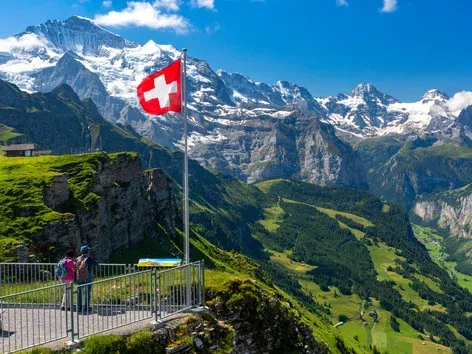
Szwajcaria przyciąga imigrantów z całego świata wysokimi zarobkami, bezpieczeństwem i jakością życia, która nieprzerwanie zajmuje czołowe miejsca. Jednocześnie przeprowadzka do tego kraju wymaga poważnych przygotowań — od uzyskania zezwolenia na pobyt po wybór kantonu z optymalnymi podatkami. Dowiedz się więcej o wizach, kosztach życia, znalezieniu mieszkania i adaptacji kulturowej w Szwajcarii w 2026 roku

Szwajcaria pozostaje jednym z najbardziej atrakcyjnych krajów do przeprowadzki dzięki wysokim wynagrodzeniom, rozwiniętej infrastrukturze i stabilnej gospodarce. Ponad 25% populacji kraju to cudzoziemcy, a w Zurychu i Genewie ten wskaźnik przekracza 30%. Jednocześnie system imigracyjny ma wiele niuansów, które należy wziąć pod uwagę z wyprzedzeniem przed przeprowadzką.
W tym artykule omawiamy rodzaje pozwoleń na pobyt, rzeczywiste koszty życia w różnych miastach, szczególności systemu podatkowego, znalezienie mieszkania, ubezpieczenie zdrowotne i adaptację kulturową — wszystko, co musisz wiedzieć, aby zaplanować swoją przeprowadzkę do Szwajcarii w 2026 roku.
Czy planujesz przeprowadzkę do Szwajcarii i chcesz uniknąć błędów przy wypełnianiu dokumentów?
Prawnik imigracyjny z portalu Visit World przeanalizuje Twoją sytuację, wybierze optymalny rodzaj pozwolenia i pomoże Ci przygotować wniosek.

Pozwolenia na pobyt w Szwajcarii: jakie są rodzaje i jak je uzyskać?
Szwajcaria ma dwupoziomowy system imigracyjny. Dla obywateli UE i EFTA obowiązuje Umowa o swobodnym przepływie osób, która daje prawo do zamieszkania i pracy przy minimalnych formalnościach administracyjnych. Tacy wnioskodawcy otrzymują pozwolenie kategorii B na okres pięciu lat z automatycznym przedłużeniem w przypadku zatrudnienia. Rejestracja w lokalnej gminie (Gemeinde) jest obowiązkowa w ciągu 14 dni od przybycia, chociaż wiele kantonów stosuje 8-dniową zasadę, szczególnie dla tych, którzy zaczynają pracę od razu.
Dla obywateli krajów trzecich (w tym, po Brexicie, obywateli brytyjskich) procedura jest znacznie bardziej skomplikowana. Główne rodzaje pozwoleń to: pozwolenie L (krótkoterminowe na pobyt do 12 miesięcy, związane z konkretnym pracodawcą), pozwolenie B (długoterminowe z corocznym odnawianiem) oraz pozwolenie C (stały pobyt). Aby uzyskać pozwolenie B, pracodawca musi udowodnić, że nie ma szwajcarskich ani unijnych kandydatów na dane stanowisko, zaoferować wynagrodzenie rynkowe i uzyskać zatwierdzenie zarówno na poziomie kantonalnym, jak i federalnym. Kwoty dla pozwoleń dla obywateli krajów trzecich są ograniczone: na 2026 rok przydzielono 2,100 pozwoleń kategorii B i 1,400 pozwoleń kategorii L. Czas przetwarzania wniosku wynosi zazwyczaj 6–12 tygodni, dlatego warto przewidzieć 3–4 miesiące między przyjęciem oferty pracy a faktycznym rozpoczęciem pracy.
Pozwolenie C jest dostępne po 10 latach ciągłego legalnego pobytu (dla obywateli USA, Kanady i Wielkiej Brytanii — po 5 latach). Zapewnia ono nieograniczony dostęp do rynku pracy bez sponsorowania przez pracodawcę.
Bardzo trudno jest uzyskać pozwolenie dla osób samozatrudnionych z krajów trzecich — muszą one udowodnić, że ich działalność stworzy miejsca pracy i przyczyni się do gospodarki kraju.
Szczegółowe informacje na temat imigracji do Szwajcarii można znaleźć pod tym linkiem.
Ile będzie kosztować życie w Szwajcarii w 2026 roku?
Szwajcaria jest jednym z najdroższych krajów na świecie, co widać we wszystkich kategoriach wydatków. Kawa kosztuje 5–7 franków szwajcarskich, podstawowy obiad w restauracji kosztuje 20–35 franków, a pinta piwa w barze kosztuje 7–9 franków. Ceny żywności mogą być o 50% wyższe niż w większości krajów europejskich. Jednak wynagrodzenia są dostosowane do kosztów życia: średnie roczne wynagrodzenie w 2026 roku wynosi 86,000–90,000 franków szwajcarskich, a specjaliści w dziedzinie finansów, technologii i farmaceutyków często zarabiają 120,000–150,000 franków.
Czynsz zależy od miasta. W centrum Zurychu jednopokojowe mieszkanie kosztuje 2,000–2,800 franków miesięcznie, w Genewie — 2,200–3,200, w Bazylei — 1,500–2,200, w Bernie — 1,400–1,900, a w Lugano — 1,200–1,700 franków. Całkowity miesięczny budżet dla jednej osoby (w tym czynsz, ubezpieczenie, jedzenie, transport i media) wynosi około 5,000–7,000 dolarów w Zurychu, 5,500–7,500 w Genewie, 4,200–5,800 w Bazylei i 3,200–4,500 w Lugano. Wielu ekspatów obniża swoje wydatki, decydując się na życie na przedmieściach lub nawet w sąsiednich krajach: mieszkańcy Genewy często osiedlają się w francuskich miastach Annemasse lub Ferney-Voltaire (gdzie czynsz jest o 40–50% niższy), a mieszkańcy Bazylei w niemieckim mieście Lörrach.
Usługi Visit World dla turystów, migrantów i ekspatów: Ubezpieczenie | Przewodniki | Porady prawne
Podatki w Szwajcarii: dlaczego ważny jest kanton zamieszkania?
Szwajcarski system podatkowy ma trzy poziomy: federalny, kantonalny i gminny. Stawka federalna jest taka sama w całym kraju (do 11.5% dochodu), ale stawki kantonalne i gminne znacznie się różnią. Dlatego wybór kantonu zamieszkania bezpośrednio wpływa na wysokość dochodu netto.
Na przykład, przy wynagrodzeniu 120,000 franków szwajcarskich efektywna stawka podatkowa w kantonie Zug wynosi około 18% (dochód netto — około 98,000 franków), w Zurychu — 25% (89,500 franków), w Ticino — 24% (CHF 91,200), a w Genewie — około 30% (CHF 83,700). Zug, Schwyz, Nidwalden i Obwalden pozostają najkorzystniejszymi kantonami z perspektywy podatkowej. Dla zamożnych cudzoziemców, którzy nie pracują w Szwajcarii, istnieje system opodatkowania ryczałtowego (Forfait Fiscal) — podatek obliczany jest na podstawie wydatków życiowych, a nie dochodu na całym świecie. Minimalna podstawa opodatkowania wynosi CHF 400,000–800,000, w zależności od kantonu. Oprócz podatku dochodowego Szwajcaria pobiera roczny podatek od nieruchomości (0.3–1.0% netto aktywów).
Posiadacze pozwolenia B, którzy zarabiają mniej niż CHF 120,000, płacą podatek u źródła — jest on automatycznie potrącany przez pracodawcę. Po uzyskaniu pozwolenia C lub przekroczeniu progu dochodowego należy złożyć standardowe zeznanie podatkowe.
Jak uzyskać zezwolenie na pobyt w Szwajcarii, a także rodzaje dostępnych pozwoleń i ścieżki do obywatelstwa — przeczytaj tutaj.
Obowiązkowe ubezpieczenie zdrowotne w Szwajcarii: koszty i zasady
Każdy mieszkaniec Szwajcarii jest zobowiązany do wykupienia podstawowego ubezpieczenia zdrowotnego (LaMal/KVG) w ciągu 90 dni od przybycia. W kraju nie ma ubezpieczenia państwowego — zamiast tego istnieje system prywatnych firm ubezpieczeniowych, które oferują ten sam obowiązkowy podstawowy pakiet usług. Średni koszt składek w 2026 roku wynosi około 465 franków miesięcznie dla osoby dorosłej i około 1,070 franków dla rodziny czteroosobowej (wzrost o 4.4% w porównaniu do 2025 roku).
Przy wykupie ubezpieczenia należy wybrać udział własny (franszyza) w wysokości od CHF 300 do CHF 2,500 rocznie. Wyższa franszyza oznacza niższe miesięczne składki, ale wyższe koszty wizyt u lekarza. Po osiągnięciu kwoty franszyzy pacjent płaci 10% kosztów leczenia, ale nie więcej niż 700 franków rocznie, po czym ubezpieczenie pokrywa wszystko w całości. Koszt składek znacznie się różni w zależności od kantonu — Genewa i Bazylea są najdroższe, podczas gdy Appenzell Innerrhoden i Uri są najtańsze.
Usługi dentystyczne nie są objęte podstawowym ubezpieczeniem i są bardzo drogie (czyszczenie — 200–300 franków, wypełnienie — 300–500 franków), dlatego wielu ekspatów podróżuje do Niemiec lub Francji na leczenie stomatologiczne.
Więcej informacji na temat medycyny w Szwajcarii, znajdziesz pod tym linkiem.
Szukając mieszkania w Szwajcarii: czego się spodziewać?
Rynek wynajmu w dużych miastach Szwajcarii jest jednym z najtrudniejszych w Europie. Wskaźnik pustostanów w Zurychu wynosi około 0.5%, a na jedno mieszkanie może być od 30 do 100 wnioskodawców. Znalezienie stałego mieszkania często zajmuje od trzech do sześciu miesięcy, więc tymczasowe zakwaterowanie lub Airbnb to powszechna praktyka wśród nowoprzybyłych.
Aby ubiegać się o wynajem, będziesz potrzebować: Betreibungsauszug (wyciąg z rejestru długów), rekomendacji od pracodawcy, dowodu dochodu i czystej historii kredytowej. Główne platformy do wyszukiwania to Homegate.ch, ImmoScout24.ch i Flatfox.ch. Warto zauważyć, że większość szwajcarskich mieszkań wynajmowana jest całkowicie nieumeblowana — bez lamp, zasłon, a czasem nawet sprzętu kuchennego. Standardowe terminy zakończenia umowy najmu to marzec, czerwiec lub wrzesień, a profesjonalne sprzątanie jest wymagane przy wyprowadzce. Wynajmujący zazwyczaj wybierają kandydata z najwyższym dochodem, więc warto natychmiast odpowiadać na ogłoszenia.
Przydatne informacje na temat pracy w Szwajcarii — znajdziesz pod tym linkiem.
Gdzie mieszkać w Szwajcarii: przegląd głównych miast dla imigrantów
Zurych — finansowa i technologiczna stolica kraju z najszerszymi możliwościami kariery w bankowości, IT i startupach. Wśród najlepszych dzielnic dla ekspatów są Seefeld (elitarna, nad jeziorem), Wipkingen (wiejska atmosfera w mieście, bardziej przystępny czynsz), Kreis 4 (różnorodna i multikulturowa) oraz Oerlikon (przyjazna dla budżetu, blisko kampusów technologicznych).
Genewa to najbardziej międzynarodowe miasto Szwajcarii, w którym ponad 40% populacji to cudzoziemcy. Angielski jest tu znacznie bardziej powszechny niż w jakimkolwiek innym mieście w kraju, dzięki obecności ONZ, WHO, CERN i setek organizacji międzynarodowych. Popularne obszary to O-Vaud (centralny), Carouge (bohemski, bardziej przystępny) i Champel (ciche, przyjazne rodzinom). Bazylea przyciąga pracowników przemysłu farmaceutycznego (Roche, Novartis), ma niższe czynsze i cieplejszą atmosferę wspólnoty.
Berno to niedoceniana stolica z czynszami o 20-30% niższymi niż w Zurychu. Lugano, w kantonie Ticino, gdzie mówi się po włosku, oferuje najniższe ceny wśród dużych miast i śródziemnomorski styl życia.
Edukacja dla dzieci imigrantów w Szwajcarii
Szwajcarskie szkoły publiczne są bezpłatne i wysokiej jakości. Nauczanie odbywa się w lokalnym języku regionu: niemieckim, francuskim lub włoskim. Dzieci są zobowiązane do uczęszczania do szkoły w miejscu zamieszkania — nie ma wyboru szkoły, jak w niektórych innych krajach. Dla zagranicznych uczniów dostępne są kursy językowe integracyjne, a młodsze dzieci (do 8 roku życia) zazwyczaj adaptują się w ciągu 6–12 miesięcy. W wieku około 12 lat uczniowie są dzieleni na ścieżki edukacyjne: akademicką (gimnazjum, tylko 20-25% uczniów), zawodową (60-70%) lub specjalistyczne szkoły średnie.
Dla rodzin, które chcą edukacji w języku angielskim, istnieje sieć szkół międzynarodowych z programami IB, brytyjskimi lub amerykańskimi. Koszt to 25,000–50,000 franków rocznie na dziecko. Niektórzy międzynarodowi pracodawcy pokrywają te koszty częściowo lub w całości. Znane instytucje to Zurich International School, Geneva English School i La Côte International School. Zasiłki na dzieci wynoszą 200–320 franków miesięcznie na dziecko, a zasiłki edukacyjne do 250 franków miesięcznie dla młodzieży w wieku 16–25 lat.
Więcej informacji na temat edukacji w Szwajcarii można znaleźć tutaj.
Adaptacja kulturowa i codzienne życie w Szwajcarii
Szwajcarskie społeczeństwo opiera się na szacunku dla porządku, punktualności i wzajemnego szacunku. Po godzinie 22:00 i przez całą niedzielę obowiązują ograniczenia dotyczące hałasu — pranie, odkurzanie, a nawet mycie samochodu są zazwyczaj zabronione. Prawie wszystkie sklepy są zamknięte w niedziele, z wyjątkiem punktów handlowych na głównych dworcach kolejowych i lotniskach. Dla wielu ekspatów niedziela staje się ostatecznie ulubionym dniem na rodzinne wycieczki i spacery po przyrodzie.
Integracja społeczna wymaga czasu i wysiłku. Szwajcarzy są uprzejmi, ale powściągliwi, a przyjaźnie rozwijają się powoli — głównie poprzez kluby (Verein), grupy sportowe i wolontariat. Znajomość lokalnego języka znacznie ułatwia adaptację: angielski sprawdza się w międzynarodowym środowisku biznesowym, ale codzienne życie (poczta, lekarze, administracja) odbywa się w języku regionu. W kantonach niemieckojęzycznych dodatkowym wyzwaniem jest szwajcarski niemiecki (Schweizerdeutsch), który znacznie różni się od standardowego Hochdeutsch.
Poziom A1–B1 lokalnego języka jest zalecany dla tych, którzy planują dłuższy pobyt. Według Szwajcarskiego Urzędu Statystycznego ponad 90% ekspatów ma pozytywne zdanie o życiu w kraju.
O atrakcjach turystycznych w Szwajcarii warto odwiedzić — przeczytaj tutaj.
Transport i aktywna rekreacja w Szwajcarii
Transport publiczny w Szwajcarii jest jednym z najlepszych na świecie: pociągi, tramwaje, autobusy, a nawet statki działają jako jeden zintegrowany system. Bilet GA (Generalabonnement) za 3,860 franków rocznie daje nieograniczony dostęp do praktycznie wszystkich środków transportu w kraju. Bardziej ekonomiczną opcją jest karta Half-Fare (185 franków rocznie), która obniża koszt biletów o 50%. W dużych miastach samochód jest raczej niepotrzebny — parkowanie w Zurychu kosztuje 200–350 franków miesięcznie, a sieć tramwajowa i S-Bahn pokrywa wszystkie potrzeby.
Przyroda Szwajcarii to wyraźna zaleta dla aktywnych ludzi. Kraj ma ponad 65,000 kilometrów oznakowanych szlaków turystycznych, ponad 330 ośrodków narciarskich, a pływanie w rzekach i jeziorach to narodowe hobby. Lato oznacza jazdę na rowerze, pływanie i wędrówki; zima to narciarstwo, snowboard i rakiety śnieżne. Sezonowy karnet narciarski w dużym ośrodku kosztuje 800-1500 franków, a Magic Pass obejmuje ponad 80 ośrodków za około 500 franków, jeśli zarezerwujesz z wyprzedzeniem.
Przydatne informacje dla tych, którzy planują wyjazd do Szwajcarii w celach turystycznych są zebrane tutaj.
Rejestracja po przybyciu do Szwajcarii: jakie dokumenty są wymagane?
Po przeprowadzce do Szwajcarii każdy imigrant jest zobowiązany do zarejestrowania się w lokalnej gminie lub biurze kantonalnym. Należy to zrobić w ciągu 14 dni (w wielu kantonach — 8 dni), szczególnie przed pierwszym dniem pracy. Aby się zarejestrować, będziesz potrzebować: ważnego paszportu, dowodu adresu (umowa najmu), umowy o pracę (jeśli jest dostępna) oraz dowodu ubezpieczenia zdrowotnego.
Opóźniona rejestracja może skutkować opóźnieniami w uzyskaniu pozwolenia na pobyt. Po zakończeniu procedury kanton wyda szwajcarski numer identyfikacyjny. Ważne jest również, aby wiedzieć, że formularz 18.44 jest wymagany do bezcłowego importu przedmiotów domowych (które były w Twoim posiadaniu przez ponad 6 miesięcy), a formularz 13.20A, certyfikat emisji oraz opłata rejestracyjna są wymagane dla pojazdów. Zwierzęta muszą mieć mikroczip, szczepienie przeciwko wściekliźnie oraz zaświadczenie weterynaryjne wydane nie później niż 10 dni przed podróżą.
Przeprowadzka do Szwajcarii wymaga starannego przygotowania, od wyboru rodzaju pozwolenia po rejestrację, ubezpieczenie i znalezienie zakwaterowania. Może być trudno zrozumieć wszystkie niuanse samodzielnie, ponieważ przepisy imigracyjne kraju mają wiele szczegółów, które zależą od obywatelstwa, kantonu zamieszkania i celu przeprowadzki.
Prawnik imigracyjny z portalu Visit World pomoże Ci ocenić Twoje szanse na uzyskanie pozwolenia, przygotować dokumenty i towarzyszyć Ci na każdym etapie procesu.
Zamów konsultację z prawnikiem imigracyjnym Visit World, aby kompetentnie zaplanować swoją przeprowadzkę do Szwajcarii i uniknąć zbędnych ryzyk!
Przypomnienie! Możliwość otrzymania wysokiej jakości opieki medycznej w Szwajcarii jest ważnym elementem udanej przeprowadzki. Jak działa system opieki zdrowotnej w Szwajcarii, ile kosztuje ubezpieczenie zdrowotne, co obejmuje podstawowa polisa i jak ekspaci mogą uniknąć kosztownych błędów po przeprowadzce — dowiedz się więcej pod tym linkiem.
Zdjęcie: Freepik
Monitorujemy dokładność i aktualność naszych informacji. Dlatego, jeśli zauważysz jakikolwiek błąd lub niezgodność, prosimy napisać na naszą infolinię.
Frequantly
asked questions
Ile pieniędzy potrzebujesz, aby przeprowadzić się do Szwajcarii?
Jak uzyskać pozwolenie na pobyt w Szwajcarii?
Jaka jest średnia pensja w Szwajcarii w 2026 roku?
Recommended articles
3 min
Expats
Portugalia pozostaje jednym z nielicznych krajów UE, w których inwestorzy mogą uzyskać rezydencję przy minimalnej fizycznej obecności wynoszącej zaledwie siedem dni w roku. Inwestycja w wysokości 500 000 € lub więcej poprzez regulowany fundusz zapewnia dostęp do strefy Schengen, praw UE i potencjalnego obywatelstwa. Dowiedz się więcej o aktualnych warunkach portugalskiej złotej wizy w 2026 roku i jej strategicznych zaletach
07 mar. 2026
More details2 min
Popular
Poziomy bogactwa w Europie: Gdzie mieszkają najbogatsi i najbiedniejsi ludzie w UE?
Europa jest jednym z najbogatszych regionów na świecie, ale poziom dobrobytu na kontynencie waha się od mniej niż 30 000 € do ponad 600 000 € na dorosłego. Dowiedz się, które kraje zajmują czołowe miejsca w rankingach bogactwa UE i gdzie mają najniższe poziomy
04 mar. 2026
More details3 min
Expats
Sri Lanka aktywnie rozwija swój program wizy dla cyfrowych nomadów w 2026 roku, otwierając nowe możliwości dla zagranicznych profesjonalistów pracujących zdalnie, przedsiębiorców i freelancerów. Dowiedz się, kto może ubiegać się o ten rodzaj zezwolenia na pobyt, jakie są wymagania finansowe dla wnioskodawców, jak długo mogą przebywać w kraju oraz jakie korzyści otrzymują posiadacze wizy dla cyfrowych nomadów
05 mar. 2026
More details4 min
Work
Praca w Wielkiej Brytanii dla cudzoziemców w 2026 roku: co musisz wiedzieć przed przeprowadzką?
W 2026 roku Wielka Brytania oferuje cudzoziemcom wiele możliwości legalnego zatrudnienia — od sponsorowanych wiz pracowniczych po programy, które nie wymagają oferty od pracodawcy. Każda kategoria wizy ma swoje własne warunki finansowe, progi płacowe i czasy przetwarzania. Dowiedz się więcej o dostępnych programach wizowych, kosztach aplikacji, popularnych ofertach pracy oraz krok po kroku procesie aplikacyjnym
05 mar. 2026
More detailsAll materials and articles are owned by VisitWorld.Today and are protected by international intellectual property regulations. When using materials, approval from VisitWorld.Today is required.