

Poziomy bogactwa w Europie: Gdzie mieszkają najbogatsi i najbiedniejsi ludzie w UE?
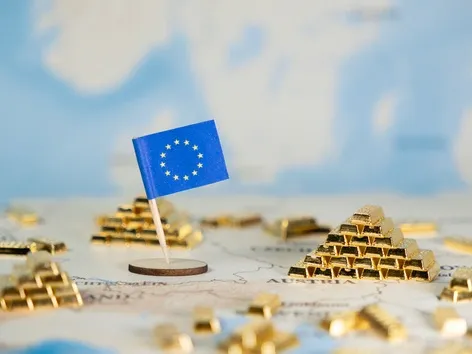
Europa jest jednym z najbogatszych regionów na świecie, ale poziom dobrobytu na kontynencie waha się od mniej niż 30 000 € do ponad 600 000 € na dorosłego. Dowiedz się, które kraje zajmują czołowe miejsca w rankingach bogactwa UE i gdzie mają najniższe poziomy

Europa jest tradycyjnie uważana za jeden z najbogatszych regionów na świecie. Jednocześnie w samej unii istnieje znaczna nierówność: poziom dobrobytu między poszczególnymi krajami znacznie się różni, a różnica w bogactwie między Europą Zachodnią, Północną i Wschodnią pozostaje bardzo zauważalna - zarówno w obrębie Unii Europejskiej, jak i poza nią.
Gdzie żyją najbogatsi i najbiedniejsi ludzie w UE? Artykuł ten omawia poziom bogactwa w różnych krajach europejskich według „Global Wealth Report 2025”.
Czy planujesz przeprowadzkę, studia lub pracę za granicą? Odpowiednia strategia i przygotowanie prawne pomogą Ci uniknąć odmów, strat finansowych i niepotrzebnych opóźnień. Profesjonalne wsparcie pozwala systematycznie podejść do przygotowania dokumentów i uwzględnić wszystkie wymagania przepisów prawnych wybranego kraju.
Konsultacja ze specjalistą ds. migracji to inwestycja w bezpieczny i przewidywalny wynik. Skorzystaj z profesjonalnej porady już dziś, aby pewnie rozpocząć proces relokacji i uniknąć niepotrzebnych ryzyk.

Co to jest „wartość netto”?
„Bogactwo” lub wartość netto rozumiane jest jako całkowita wartość aktywów gospodarstwa domowego pomniejszona o zobowiązania dłużne.
Aktywa obejmują:
- Instrumenty finansowe (depozyty, inwestycje, akcje, oszczędności emerytalne);
- Nieruchomości i inne aktywa materialne.
Po odjęciu pożyczek i długów otrzymujesz wskaźnik wartości netto.
Kraje UE-liderzy pod względem bogactwa
Według rankingu, Szwajcaria pozostaje absolutnym liderem pod względem bogactwa w Europie - ponad 630 000 euro średniego bogactwa na dorosłego (w dolarach amerykańskich - ponad 700 000 USD).
Wśród krajów UE, Luksemburg zajmuje pierwsze miejsce - ponad 523 000 euro na dorosłego. To jeden z nielicznych krajów, w których wartość ta przekracza pół miliona euro. Ponadto w grupie liderów znajdują się:
- Dania - około 445 000 euro;
- Holandia - ponad 343 000 euro;
- Norwegia - ponad 340 000 euro;
- Belgia - ponad 323 000 euro;
- Szwecja - ponad 308 000 euro;
- Wielka Brytania - ponad 314 000 euro.
Te kraje charakteryzują się wysokim udziałem aktywów finansowych, rozwiniętymi rynkami akcji, prywatnymi systemami emerytalnymi oraz znaczną ilością inwestycji.
Dowiedz się więcej o rankingu najbogatszych krajów na świecie w 2026 roku oraz głównych zmian roku pod tym linkiem.
Poziomy bogactwa w najsilniejszych gospodarkach Europy
Poziomy bogactwa znacznie różnią się wśród pięciu największych gospodarek kontynentu:
- Francja – około 278 000 euro;
- Niemcy – około 237 000 euro;
- Hiszpania – około 216 000 euro;
- Włochy – około 198 000 euro.
Francja i Hiszpania korzystają z szerszej dystrybucji własności nieruchomości i aktywów finansowych, podczas gdy Niemcy i Włochy mają niższy udział populacji z oszczędnościami. Pokazuje to, że siła gospodarcza kraju nie zawsze bezpośrednio przekłada się na dobrobyt każdego obywatela.
Odwiedź usługi World dla turystów, migrantów i ekspatów: Ubezpieczenie | Przewodniki | Porady prawne
Które kraje europejskie mają najniższy poziom bogactwa?
Pomimo wysokich wskaźników najbogatszych krajów, warto zauważyć, że ponad jedna trzecia badanych krajów ma średnią wartość netto poniżej 100 000 € na dorosłego, w tym:
- Polska – około 56 000 €;
- Węgry – około 55 000 €;
- Bułgaria – około 48 000 €;
- Rumunia – około 44 500 €;
- Turcja – mniej niż 30 000 €.
W tych krajach większość kapitału koncentruje się w nieruchomościach, a dostęp do instrumentów finansowych i inwestycji jest ograniczony. Niski poziom dochodów i koncentracja bogactwa w małej części populacji tworzą znaczną nierówność ekonomiczną w porównaniu do Europy Zachodniej i Północnej.
Jak bogactwo jest rozdzielane w regionach Europy?
Analiza średniego bogactwa na dorosłego wyraźnie pokazuje różnice między różnymi regionami Europy. Kraje zachodnie i nordyckie, takie jak Luksemburg, Dania, Szwecja i Holandia, wykazują wysokie poziomy dobrobytu dzięki szerokiemu posiadaniu nieruchomości, rozwiniętym rynkom finansowym i prywatnym systemom emerytalnym. Centra finansowe, takie jak Szwajcaria i Luksemburg, zajmują czołowe miejsca w rankingach nie tylko z powodu swojej siły gospodarczej, ale także z powodu wysokiej koncentracji aktywów finansowych wśród ich populacji.
W Europie Wschodniej i częściowo Południowo-Wschodniej średnie bogactwo jest znacznie niższe. Tutaj większość bogactwa koncentruje się w nieruchomościach, a dostęp do rynków akcji i inwestycji jest ograniczony. Kraje takie jak Polska, Węgry, Bułgaria i Rumunia mają średnie wartości poniżej 60 000 € na dorosłego, podczas gdy Turcja ma mniej niż 30 000 € na dorosłego.
Różnica między najbogatszymi a najbiedniejszymi krajami na kontynencie jest ponad 20 razy szersza, a w ramach UE jest ponad 10 razy szersza. Taka nierówność podkreśla, że lokalizacja geograficzna, historyczny rozwój gospodarczy i struktura aktywów silnie wpływają na poziom dobrobytu populacji. Jednocześnie nawet w bogatych krajach istnieją różnice między średnim a typowym (mediana) bogactwem, co wskazuje na koncentrację bogactwa w małej części populacji.
Jakość życia określa komfort, bezpieczeństwo i dobrobyt ludzi w każdym kraju. Przeczytaj także które 6 krajów na świecie jest najlepsze pod względem jakości życia.
Perspektywy i trendy w poziomie bogactwa w Europie
Pomimo presji inflacyjnej w ostatnich latach, w większości krajów zachodnioeuropejskich ogólny poziom dobrobytu nadal rośnie - głównie dzięki wzrostowi wartości aktywów, w szczególności nieruchomości i instrumentów finansowych.
Jednocześnie różnica między „bogatą” a „doganiającą” Europą utrzymuje się. Mobilność kapitału, konkurencja podatkowa między jurysdykcjami i dostęp do możliwości inwestycyjnych coraz bardziej wpływają na geografię europejskiego bogactwa.
Jak dotąd, trendy nie wskazują na szybkie zmniejszenie tej różnicy - Europa pozostaje regionem o wysokim ogólnym poziomie dobrobytu, ale jego rozkład jest bardzo różny między krajami.
Na tle takich różnic ekonomicznych coraz więcej osób rozważa możliwość przeprowadzki, znalezienia pracy lub prowadzenia działalności w innych krajach europejskich.
Konsultacja z prawnikiem ds. migracji będzie przydatna dla każdego, kto planuje opuścić swój kraj zamieszkania. Samodzielne składanie dokumentów często wiąże się z ryzykiem odrzucenia z powodu błędów lub niespójności rodzaju pozwolenia. Profesjonalne wsparcie minimalizuje ryzyko i zwiększa szanse na pozytywną decyzję.
Skonsultuj się z prawnikiem ds. migracji, aby proces przeprowadzki był jak najbezpieczniejszy i najbardziej przewidywalny.
Przypominamy! Unia Europejska wyznaczyła ambitny cel – wyciągnięcie przynajmniej 15 milionów ludzi (w tym 5 milionów dzieci) z ubóstwa lub wykluczenia społecznego do 2030 roku. Już powiedzieliśmy jak UE planuje zmniejszyć nierówności społeczne.
Zdjęcie – Freepik.com
Produkty z Visit World na komfortową podróż:
Przewodnik turystyczny dla 200 krajów;
Porady prawne od lokalnego specjalisty w sprawach wizowych i migracyjnych;
Ubezpieczenie podróżne na całym świecie (proszę wybrać kraj zainteresowania i obywatelstwo, aby otrzymać usługi);
Ubezpieczenie zdrowotne na całym świecie.
Monitorujemy dokładność i aktualność naszych informacji, więc jeśli zauważysz jakiekolwiek błędy lub nieścisłości, proszę skontaktuj się z naszą infolinią.
Frequantly
asked questions
Który kraj ma najwyższy poziom bogactwa w Europie?
Które kraje europejskie mają najniższy poziom dobrobytu?
Dlaczego istnieje tak duża różnica w poziomach bogactwa w Europie?
Recommended articles
3 min
Popular
Gdzie w Europie jest najtańsze miejsce na zakup nieruchomości w 2026 roku?
W 2026 roku ceny nieruchomości w Europie nadal się zmieniają, ale wciąż są kraje z przystępnym mieszkaniem na rynku. Zaktualizowaliśmy dane i zidentyfikowaliśmy miasta, w których metr kwadratowy jest najtańszy dla zagranicznych nabywców. Dowiedz się więcej o najbardziej opłacalnych europejskich krajach do zakupu nieruchomości w 2026 roku
28 lut. 2026
More details3 min
Work
Łatwa wiza pracownicza w Europie: NAJLEPSZE kraje dla migracji zarobkowej w 2026 roku
Kraje europejskie nadal aktywnie przyciągają zagranicznych specjalistów, oferując jasne i stosunkowo proste mechanizmy uzyskiwania wiz pracowniczych. W 2026 roku kraje z przejrzystymi zasadami i wysokimi szansami na zatwierdzenie wniosków pozostają najbardziej dostępne dla migracji. Dowiedz się więcej o europejskich krajach, w których najłatwiej uzyskać wizę pracowniczą i rozpocząć karierę za granicą
01 mar. 2026
More details3 min
Travels
Madryt — najlepsze miejsce w Europie na 2026 rok: co zwiedzić, co robić i dlaczego warto pojechać?
Madryt został oficjalnie uznany za najlepszą destynację turystyczną w Europie w 2026 roku przez European Best Destinations. Hiszpańska stolica pokonała 19 innych miast i regionów na kontynencie, otrzymując największe wsparcie od podróżnych z całego świata. Dowiedz się więcej o tym, jak powstał ranking, co sprawia, że Madryt jest tak atrakcyjny i które inne destynacje znalazły się w pierwszej dwudziestce
01 mar. 2026
More details3 min
Expats
Obywatelstwo w Europie: które kraje mają najłatwiejsze wymagania dotyczące naturalizacji?
Przeprowadzka do Europy często zaczyna się od pracy lub nauki, ale z czasem większość cudzoziemców zaczyna myśleć o paszporcie UE. Wymagania dotyczące naturalizacji różnią się tak bardzo w zależności od kraju, że wybór miejsca docelowego może znacząco wpłynąć na szybkość i złożoność uzyskania obywatelstwa. Dowiedz się więcej o europejskich krajach z najłatwiejszymi wymaganiami dotyczącymi naturalizacji
02 mar. 2026
More detailsAll materials and articles are owned by VisitWorld.Today and are protected by international intellectual property regulations. When using materials, approval from VisitWorld.Today is required.