

Obywatelstwo w Europie: które kraje mają najłatwiejsze wymagania dotyczące naturalizacji?
Table of contents
- Portugalia: obywatelstwo UE w 5 lat przy minimalnym poziomie językowym
- Irlandia: naturalizacja bez testu językowego dla anglojęzycznych profesjonalistów
- Francja: skrócony okres naturalizacji dla absolwentów lokalnych uniwersytetów
- Niderlandy: bezpośrednia droga do paszportu po 5 latach pobytu
- Estonia: cyfrowy system imigracyjny i przejrzyste procedury
- Które kraje europejskie mają najsurowsze wymagania dotyczące obywatelstwa?
- Jak uzyskać instrukcje krok po kroku dotyczące ubiegania się o obywatelstwo?
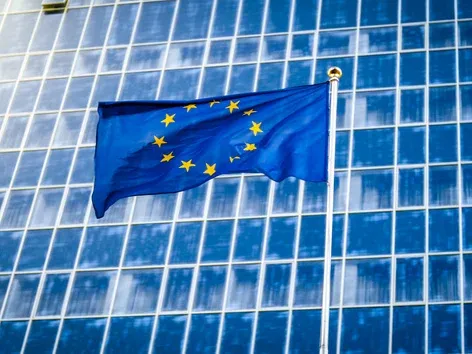
Przeprowadzka do Europy często zaczyna się od pracy lub nauki, ale z czasem większość cudzoziemców zaczyna myśleć o paszporcie UE. Wymagania dotyczące naturalizacji różnią się tak bardzo w zależności od kraju, że wybór miejsca docelowego może znacząco wpłynąć na szybkość i złożoność uzyskania obywatelstwa. Dowiedz się więcej o europejskich krajach z najłatwiejszymi wymaganiami dotyczącymi naturalizacji

Europejski paszport zapewnia dostęp do swobody przemieszczania się, opieki zdrowotnej, edukacji i emerytur w ramach UE. Dlatego wielu profesjonalistów, którzy przeprowadzają się do Europy na wizę pracowniczą, natychmiast planuje długoterminową drogę do obywatelstwa. Jednak warunki naturalizacji znacznie różnią się w zależności od kraju, od wymagań dotyczących pobytu po wymagania językowe i podejście do podwójnego obywatelstwa.
Zgodnie z portalem Relocate.to, kilka krajów UE wyróżnia się najbardziej dostępnymi i przejrzystymi procedurami uzyskiwania obywatelstwa dla migrantów pracowniczych.
Poniżej opowiemy więcej o tych krajach, ich wymaganiach i specyfice procesu.
Planujesz przeprowadzkę do Europy i chcesz zrozumieć wszystkie kroki na drodze do obywatelstwa z wyprzedzeniem?
Przewodnik migracyjny od Visit World zawiera instrukcje krok po kroku, listę dokumentów, koszty przetwarzania oraz praktyczne porady dla każdego kraju.

Portugalia: obywatelstwo UE w 5 lat przy minimalnym poziomie językowym
Portugalia pozostaje jednym z najbardziej atrakcyjnych miejsc dla tych, którzy chcą uzyskać obywatelstwo europejskie poprzez zatrudnienie. Pięć lat legalnego pobytu w kraju wystarcza do naturalizacji. Wnioskodawcy muszą jedynie wykazać umiejętności językowe na poziomie A2 w języku portugalskim — podstawowy poziom, który jest znacznie niższy niż wymagania większości innych krajów UE. Należy również przedstawić zaświadczenie o niekaralności i potwierdzić stabilny pobyt. Podwójne obywatelstwo jest dozwolone, a ciągłe zatrudnienie nie musi być udowodnione.
Oprócz przejrzystej procedury naturalizacji, Portugalia przyciąga ekspatów stosunkowo niskim kosztem życia i ulgami podatkowymi. Mogą aplikować posiadacze wiz pracowniczych, wiz przedsiębiorców D2 oraz wiz cyfrowych nomadów D8. System imigracyjny kraju ma jasne ramy prawne dla długoterminowych pobytów, a czasy przetwarzania wniosków o stały pobyt są uważane za jedne z najbardziej efektywnych w regionie.
Omówiliśmy zalety i wady życia w Portugalii w naszym poprzednim artykule.
Irlandia: naturalizacja bez testu językowego dla anglojęzycznych profesjonalistów
Irlandia wyróżnia się wśród krajów europejskich tym, że nie wymaga oficjalnego testu językowego do uzyskania obywatelstwa. To znacząca zaleta dla anglojęzycznych profesjonalistów. Aby uzyskać obywatelstwo, musisz mieszkać w kraju przez pięć z ostatnich dziewięciu lat, z jednym rokiem ciągłego pobytu bezpośrednio przed złożeniem wniosku. Wnioskodawca musi również wykazać dobry charakter, zamiar pozostania w Irlandii oraz znajomość lokalnego prawa.
Dla profesjonalistów w dziedzinie IT, inżynierii i farmacji istnieje specjalne zezwolenie — Critical Skills Employment Permit — które zapewnia szybki dostęp do długoterminowego pobytu. Irlandia pozwala na podwójne obywatelstwo, a stały pobyt nie jest warunkiem ubiegania się o naturalizację. Międzynarodowe anglojęzyczne środowisko kraju sprawia, że adaptacja jest znacznie bardziej komfortowa.
Przeczytaj o zasadach wjazdu do Irlandii tutaj.
Francja: skrócony okres naturalizacji dla absolwentów lokalnych uniwersytetów
Standardowa droga do obywatelstwa francuskiego wymaga pięciu lat ciągłego legalnego pobytu. Jednak dla absolwentów francuskich instytucji wyższego wykształcenia ten okres skraca się do dwóch lat — jeden z najkrótszych wymagań w całej UE. Wnioskodawcy muszą udowodnić, że mają poziom B1 w języku francuskim, zdać rozmowę integracyjną oraz wykazać, że mają stabilny dochód i miejsce zamieszkania. Wnioski składa się online za pośrednictwem platformy NATALI, po czym umawiana jest rozmowa i ceremonia naturalizacji.
Francja uznaje podwójne obywatelstwo i nie wymaga od wnioskodawców rezygnacji z poprzedniego paszportu. Dla migrantów, którzy studiowali we Francji i zostali, aby pracować, ta droga jest jedną z najszybszych i najbardziej logicznych wśród wszystkich krajów europejskich.
O egzaminie na obywatelstwo we Francji, zobacz link.
Usługi Visit World dla turystów, migrantów i ekspatów: Ubezpieczenie | Przewodniki | Porady prawne
Niderlandy: bezpośrednia droga do paszportu po 5 latach pobytu
Niderlandy oferują możliwość ubiegania się o obywatelstwo po pięciu latach ciągłego legalnego pobytu. Głównym wymaganiem jest zdanie egzaminu z integracji obywatelskiej (inburgeringsexamen), który sprawdza znajomość języka niderlandzkiego i kultury. Popularne trasy imigracyjne obejmują wizę dla wysoko wykwalifikowanych migrantów (kennismigrant) oraz Niebieską Kartę UE. Dla obywateli USA istnieje również Traktat Przyjaźni (DAFT), który upraszcza proces uzyskiwania zezwolenia na pobyt bez sponsorowania przez pracodawcę.
Warto zauważyć, że Niderlandy generalnie nie pozwalają na podwójne obywatelstwo — wnioskodawcy muszą zrezygnować z poprzedniego paszportu. Wyjątki są robione w niektórych sytuacjach, takich jak bezpaństwowość lub małżeństwo z obywatelem Niderlandów. Mimo tego ograniczenia, przejrzystość i struktura systemu imigracyjnego sprawiają, że kraj ten jest jedną z najdogodniejszych opcji do planowania długoterminowej przeprowadzki.
Przy okazji, wcześniej omówiliśmy jak uzyskać zezwolenie na pobyt w Niderlandach.
Estonia: cyfrowy system imigracyjny i przejrzyste procedury
Estonia wymaga dłuższego okresu pobytu do naturalizacji — ośmiu lat, z czego pięć musi być z statusu stałego. Należy również zdać egzaminy z języka estońskiego (poziom B1) oraz znajomości konstytucji. Podwójne obywatelstwo nie jest tutaj dozwolone, a wnioskodawcy są zobowiązani do rezygnacji z poprzedniego paszportu. Na pierwszy rzut oka te warunki mogą wydawać się surowsze niż w innych krajach z listy.
Jednak Estonia rekompensuje dłuższy okres swoją niezwykle wygodną infrastrukturą cyfrową. Rejestracja pobytu, odnawianie zezwoleń i inne procedury biurokratyczne są realizowane online. Kraj oferuje przejrzyste kategorie wiz dla wykwalifikowanych pracowników, w tym Wizę Cyfrowego Nomady i Wizę Startową. Stała stawka podatku dochodowego w wysokości 20% oraz brak podatku dochodowego od reinwestowanych zysków dodatkowo przyciągają profesjonalistów i przedsiębiorców.
Przeczytaj tutaj o rynku pracy w Estonii i co ekspaci powinni o tym wiedzieć.
Które kraje europejskie mają najsurowsze wymagania dotyczące obywatelstwa?
Nie wszystkie kraje UE oferują tak dostępne warunki naturalizacji. Hiszpania, na przykład, wymaga 10 lat pobytu dla większości wnioskodawców — jedynymi wyjątkami są osoby z byłych kolonii hiszpańskich. Belgia formalnie pozwala na naturalizację po pięciu latach, ale wysokie wymagania dotyczące integracji i języka, a także różnice w procedurach w zależności od regionu, komplikują proces. Szwecja wdraża reformy z nowymi testami językowymi i obywatelskimi, a opóźnienia w przetwarzaniu wniosków stają się coraz bardziej zauważalne.
Te kraje pozostają atrakcyjne dla relokacji pod względem możliwości kariery i jakości życia, ale ich ramy naturalizacji są znacznie bardziej złożone. Planowanie drogi do obywatelstwa w takich krajach wymaga więcej czasu, zasobów i szczegółowego zrozumienia lokalnych wymagań.
Jak uzyskać instrukcje krok po kroku dotyczące ubiegania się o obywatelstwo?
Procedura uzyskania zezwolenia na pobyt i obywatelstwo w każdym kraju ma swoje własne cechy i wymagania. Może być trudno zrozumieć je samodzielnie, zwłaszcza biorąc pod uwagę ciągłe zmiany w prawie imigracyjnym.
Portal Visit World oferuje przewodnik migracyjny — instrukcję krok po kroku dotyczącą imigracji do każdego kraju. Dokument PDF jest wysyłany na Twój adres e-mail w zaledwie kilka minut i zawiera wszystko, co potrzebne: instrukcje krok po kroku dotyczące uzyskania tymczasowego lub stałego pobytu i obywatelstwa na różnych podstawach, pełną listę wymaganych dokumentów, koszty i czas przetwarzania Twojego wniosku, wymagania dla wnioskodawców, zasady wypełniania formularzy, a także praktyczne porady i triki.
Zamów przewodnik imigracyjny od Visit World i uzyskaj jasne i aktualne informacje na temat drogi do obywatelstwa w swoim kraju docelowym!
Przypomnienie! Kraje europejskie nadal aktywnie przyciągają zagranicznych specjalistów, oferując jasne i stosunkowo proste mechanizmy uzyskiwania wiz pracowniczych. W 2026 roku najbardziej dostępne kraje dla migracji pozostaną te z przejrzystymi zasadami i wysokimi szansami na zatwierdzenie wniosku. Przeczytaj o najlepszych krajach do migracji zarobkowej w 2026 roku w linku.
Zdjęcie: Freepik
Produkty od Visit World na komfortową podróż:
Przewodnik podróżny dla 200 krajów;
Porady prawne od lokalnego specjalisty w sprawach wizowych i migracyjnych;
Ubezpieczenie podróżne na całym świecie (proszę wybrać kraj zainteresowania i obywatelstwo, aby otrzymać usługi);
Ubezpieczenie zdrowotne na całym świecie.
Monitorujemy dokładność i aktualność naszych informacji, więc jeśli zauważysz jakiekolwiek błędy lub niezgodności, skontaktuj się z naszą infolinią
Frequantly
asked questions
Ile lat zajmuje uzyskanie obywatelstwa w krajach UE?
Czy trzeba znać język, aby uzyskać obywatelstwo UE?
W których krajach europejskich najłatwiej uzyskać obywatelstwo?
Recommended articles
2 min
Transport
Nowy bezpośredni pociąg połączy skandynawskie miasta Malmö, Göteborg i Oslo tego lata
Skandynawia stanie się jeszcze bardziej dostępna dla podróżnych tego lata. Szwedzki operator uruchamia nową codzienną trasę łączącą Malmö, Göteborg i Oslo, oferując wygodną alternatywę dla podróży lotniczych oraz nowe możliwości podróżowania po północnej Europie
28 lut. 2026
More details3 min
Travels
Francja ustanowiła nowy rekord turystyczny: 102 miliony gości w 2025 roku
W 2025 roku Francja ponownie stała się najczęściej odwiedzanym krajem na świecie, przyjmując rekordowe 102 miliony turystów. Przyjazdy turystów wzrosły dzięki odbudowie międzynarodowych podróży i zwiększonemu zainteresowaniu europejskimi destynacjami. Dowiedz się więcej o przyczynach rekordu, kluczowych rynkach i co to oznacza dla podróżnych w 2026 roku
01 mar. 2026
More details3 min
Expats
Wiza dla cyfrowych nomadów w Hiszpanii 2026: nowe wymagania finansowe i warunki jej uzyskania
Hiszpania zaktualizowała swoje wymagania finansowe dla wnioskodawców o wizę dla cyfrowych nomadów, podnosząc minimalny próg dochodowy. Zmiany weszły w życie w lutym 2026 roku i dotyczą zarówno pojedynczych wnioskodawców, jak i tych, którzy przeprowadzają się z rodzinami. Dowiedz się więcej o nowych kwotach, warunkach programu i procedurze ubiegania się o wizę dla cyfrowych nomadów w Hiszpanii
28 lut. 2026
More details3 min
Travels
Madryt — najlepsze miejsce w Europie na 2026 rok: co zwiedzić, co robić i dlaczego warto pojechać?
Madryt został oficjalnie uznany za najlepszą destynację turystyczną w Europie w 2026 roku przez European Best Destinations. Hiszpańska stolica pokonała 19 innych miast i regionów na kontynencie, otrzymując największe wsparcie od podróżnych z całego świata. Dowiedz się więcej o tym, jak powstał ranking, co sprawia, że Madryt jest tak atrakcyjny i które inne destynacje znalazły się w pierwszej dwudziestce
01 mar. 2026
More detailsAll materials and articles are owned by VisitWorld.Today and are protected by international intellectual property regulations. When using materials, approval from VisitWorld.Today is required.