

Moving to Portugal for permanent residence: pros, cons and realities of life
Table of contents
- Why does Portugal attract expats for long-term residence?
- Reasons for moving to Portugal
- Advantages of living in Portugal
- Cons of moving to Portugal and real challenges that are often not talked about
- For whom is Portugal a good idea to move?
- Practical points: what to pay attention to before moving?
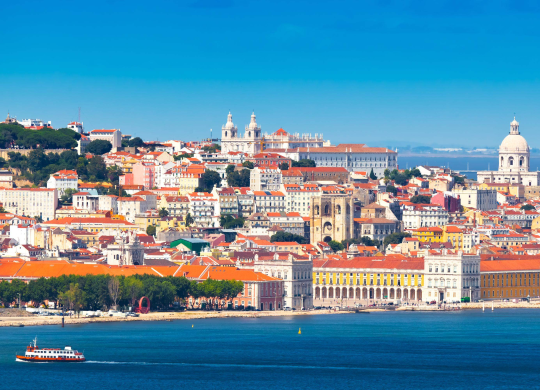
Portugal is a popular relocation destination due to its mild climate, safety and friendliness towards foreigners. In this article, we look at the real pros and cons of living there, the conditions for moving to Portugal, costs, adaptation and experience

Portugal is one of those countries where life seems to slow down, leaving room for the sun, the ocean and leisurely morning coffees. More and more people are thinking about moving here for permanent residence, including citizens of Norway, Trinidad and Tobago and Morocco, because the country is considered safe, friendly to foreigners and open to new residents. But behind the beautiful photos from Lisbon or Porto there are real challenges - from adaptation to paperwork and finding a job. Moving is always a decision that requires weighing the pros and cons. And in this article we will look at Portugal from both sides to help you understand whether it will become a place where you want to stay for a long time.
Moving to another country is always associated with risks, and one of the most important is access to medicine. Not all countries automatically provide health care to foreigners, and private treatment without insurance can cost thousands of euros. To avoid finding yourself in a situation where help is needed urgently and expenses are unpredictable, it is worth taking care of insurance before you leave.
Take care of yourself and your loved ones - take out health insurance before moving.
Travel and live abroad with a sense of security.

Why does Portugal attract expats for long-term residence?
For many who are considering moving abroad, Portugal has become one of the most popular countries and there are several key reasons for this:
- Comfortable climate, nature, sea and quality of life. Portugal has a mild climate compared to many other Western European countries, access to the ocean, attractive natural areas and cozy cities.
- Affordable cost of living (compared to many Western European countries). Prices for rent, products, services, restaurants, transport - are generally lower.
- Opportunities for immigrants: work, business, remote employment. Portugal is attractive for digital nomads, freelancers, startups, and those with in-demand skills.
- Support for the healthcare system and public services for residents. Legal residents have access to the public healthcare system – which provides basic healthcare at an affordable price.
- Intercultural environment and expat community. In cities popular with immigrants (such as capitals, large cities or regions with a growing demand for foreigners), you can often find people from different countries – this makes adaptation easier.
But, of course, moving is not only about pretty pictures. Real life has challenges too.
Reasons for moving to Portugal
If you plan to stay in Portugal for more than 90 days, you need a national D visa or another type of visa/residence permit depending on the circumstances. The main ways:
- Work visa (contract).
- Study visa (if you are entering an educational institution).
- Family reunification visa.
- Visa/status for those who have their own business or plan to engage in entrepreneurship.
Also, through legal residence, there is an opportunity to apply for citizenship after a certain period of time.
Advantages of living in Portugal
- Safety, peace, comfort
According to some sources, the country is among the most peaceful and safe in Europe, with a low level of serious crime, which makes it attractive for families, people who value stability and peace. This is important for those who want to avoid the stress associated with crime, turbulence - especially if moving from regions where security may be lower.
- Moderate costs with good quality
Even in cities, not only in the countryside - prices for food, basic services, groceries, public transport and living expenses - are often lower than in Western European countries. This allows you to have a decent standard of living with moderate incomes, especially if you work remotely or have a stable income from abroad.
- Access to medicine and social services
Regular residents have the opportunity to use the state healthcare system (usually for a small fee), and - if desired - additionally apply to private clinics. This is important, especially for those who move with children or have medical needs.
- Opportunities for work, business, remote employment
For specialists, freelancers, IT workers, remote workers - Portugal can be a good solution. Thanks to the relatively affordable life + the ability to work online, you can maintain a good balance between income and comfort of life.
For entrepreneurs: the country offers conditions for business, investment opportunities, starting your own business, which can be interesting - especially if you are considering not just moving, but starting "from scratch" in another country.
- Cultural richness, gentle rhythm of life, nature
Portugal is a country with a rich history, culture, traditions. Life here is often associated with the sea, nature, ocean, beautiful views, comfort. This changes the rhythm of life - less fuss, more balance, the opportunity to enjoy simple things.
Cons of moving to Portugal and real challenges that are often not talked about
Of course, Portugal is not an ideal “place under the sun”. There are moments that may come as a surprise, especially if you are moving from Ukraine or another country with your own realities.
- Housing - not always easy and cheap
In popular cities, real estate and rental prices are growing. In “central areas”, renting or buying housing can be expensive, especially for newcomers. Often, old buildings have insufficient insulation or do not have modern conditions - this can create discomfort, especially in winter or during rains/humidity.
- Salaries – not always “European”
If you plan to work locally (not “remote”) – it is worth considering that salaries may be lower than in Western/Northern Europe. For some specialties (not IT or highly skilled) – this may be a limitation.
This means that for a comfortable life, especially when there is a family or children – you may need either additional income, or savings, or remote work.
- Bureaucracy and language barrier
Documentation, health insurance, tax issues, residence/work permits – can sometimes be delayed and cause difficulties.
Not in all regions are English or other languages, except Portuguese, widespread – for everyday life, administrative matters, communication with locals, basic knowledge of Portuguese may be required.
- Tourism, crowds, seasonality – disadvantages of popularity
In tourist regions and popular cities (especially the coast) seasonal peaks – people, tourist flow, rising prices, noise, sometimes – infrastructure overload. For those looking for peace and stability – this can be a minus.
For whom is Portugal a good idea to move?
Based on the experience of migrants and experts, moving to Portugal is most often advised for:
- People with remote work or income from abroad (freelancers, IT specialists, remote workers).
- Those who have a stable income and want to save: expenses + quality of life + climate give a good balance.
- Young couples or families who want a calm rhythm, a safe environment, access to medicine and nature.
- People who are ready to adapt: learn the language (or at least basic language skills), get used to the new bureaucracy, sometimes a lower salary, but with the possibility of a “comfortable” standard of living.
Practical points: what to pay attention to before moving?
- Choosing a place to live. Big cities - opportunities, but - more expensive housing and higher prices. Smaller cities/regions - cheaper, quieter, but possibly - fewer job options.
- Documents, legalization, taxes. It is imperative to apply for a residence permit, tax number, social security. Without this - there is no access to medicine and many services.
- Language. Even if English is more or less "running" in big cities, life outside tourist areas will often require knowledge of Portuguese.
- Realistic income expectations. If you are counting on a local job - check the conditions, salaries, opportunities. If you have a remote/international one - living conditions can be much more comfortable.
- Preparing finances for the start. Moving, rent, the first months of adaptation - may require reserves until everything is settled (health insurance, housing, job search, paperwork, etc.).
Portugal is a country with a good combination of comfort, nature, safety, moderate costs, opportunities for immigrants. For many, these conditions make it attractive for permanent residence. However, as anywhere, life here will have its challenges: from bureaucracy, language barrier, rising housing prices to the need to adapt and a realistic approach to income.
If you are considering moving, it is important to approach it with caution: calculate the budget, take into account possible difficulties, have a reserve and a clear plan. But if you are ready, Portugal can become a real home: with the ocean, the sun, peace, a new start and chances for a better life.
Immigration Guide from Visit World - your roadmap for moving abroad
Moving to a new country is dozens of questions, documents, bureaucracy and the unknown. To avoid mistakes, save time and go through the legalization process confidently, we have created the “Immigration Guide” manual — a practical tool that will help you go through the process from the first step to obtaining a residence permit or citizenship.
Inside you will find:
- a complete step-by-step instruction on obtaining a residence permit/permanent residence permit/citizenship;
- information about the state body of the country dealing with immigration (contacts, address, purpose);
- a detailed list of documents with explanations of what and where to submit;
- current deadlines for considering applications and the cost of processing;
- requirements and criteria that the applicant must meet;
- rules for filling out the questionnaire + examples;
- tips and life hacks for easier adaptation and the first visit;
- the benefits of obtaining citizenship and what it gives in practice.
The guide is created for those who want to go not by feel, but with ready-made instructions in their hands. In simple language, without unnecessary theory - only what really helps to move and apply for documents correctly.

Let's remind you! Are you considering Portugal as a permanent residence? This country offers excellent employment opportunities for foreigners. We have already talked about what the labor market looks like and what vacancies are most in demand in Portugal in 2025-2026.
Photo - Freepik
We monitor the accuracy and relevance of our information. Therefore, if you see any error or discrepancy, please write to our hotline.
Frequantly
asked questions
How difficult is it to get a residence permit in Portugal?
What is the average monthly living budget in Portugal?
Is Portuguese necessary for comfortable living?
Recommended articles
2 min
Expats
Portugal attracts expats with its high quality of life and relatively low cost of living. Find out how to rent property, what are the features of renting an apartment and other important details about real estate in the country
06 Apr. 2025
More details2 min
Work
Portugal’s 2026 Job Seeker Visa: Move, Work, and Stay in Europe Without a Job Offer
In 2026, Portugal updated its jobseeker visa, one of the easiest ways to legally enter the EU without a job offer. Learn about the new conditions, documents, benefits, and how to apply
18 Jul. 2025
More details2 min
Travels
Lisbon Travel Tips 2025: Your Complete Guide to Portugal’s Capital
Lisbon in 2025 is the perfect city to travel to, combining history, culture and ocean charm. Find out when to go, where to stay, what to see, what to eat and how to get around the city
07 Sep. 2025
More details2 min
Popular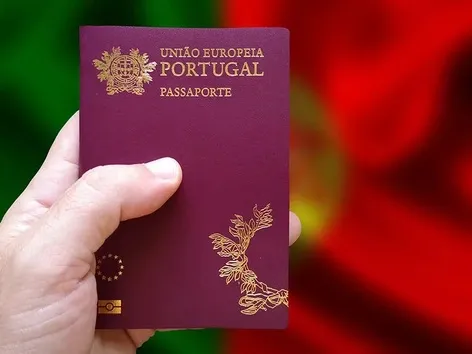
Portugal’s Citizenship and Residency Laws Are Changing in 2025: What Expats Should Know
Portugal is updating its citizenship and residency laws in 2025. Learn what’s changing, who can apply, and how the new rules affect expats, investors, and those planning to move to Portugal
28 Oct. 2025
More detailsAll materials and articles are owned by VisitWorld.Today and are protected by international intellectual property regulations. When using materials, approval from VisitWorld.Today is required.