

Gdzie świętować Wielkanoc 2026 w Europie: kraje z najbardziej kolorowymi tradycjami świątecznymi
Table of contents
- Polska: kolorowe palmy i Śmigus-Dyngus
- Hiszpania: wielkie procesje wielkanocne Semana Santa
- Włochy: starożytne procesje i wybuch wozu w Florencji
- Grecja: noc tysiąca świec i czerwone jajka wielkanocne
- Niemcy: ogniska wielkanocne i festyny
- Francja: cisza dzwonów, tradycje czekoladowe i jarmarki wielkanocne
- Szwecja: dzieci w kostiumach czarownic i słodycze wielkanocne
- Rzeczy, które należy wziąć pod uwagę dla turystów planujących podróż do Europy na Wielkanoc
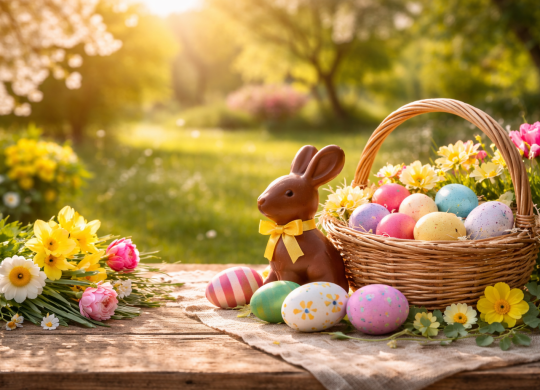
Wielkanoc w Europie to nie tylko msze i rodzinne obiady. W różnych krajach święto towarzyszą kolorowe procesje, starożytne rytuały, duże jarmarki, a nawet nietypowe festiwale. Dowiedz się więcej, gdzie w Europie możesz zobaczyć najciekawsze tradycje wielkanocne

Wielkanoc to jedno z najważniejszych świąt chrześcijańskich w Europie. W większości krajów obchodzona jest wiosną i łączy tradycje religijne, ludowe rytuały oraz rodzinne uroczystości. Każdy kraj ma jednak swoje własne zwyczaje, które sprawiają, że to święto jest wyjątkowe i bardzo kolorowe.
Niektóre miasta organizują wielkie procesje religijne, podczas gdy inne rozpalają ogromne ogniska lub organizują festiwale ludowe. Takie tradycje często mają długą historię i przyciągają tysiące turystów z całego świata.
Jeśli planujesz wiosenną podróż, Wielkanoc może być doskonałą okazją, aby zobaczyć Europę z nowej perspektywy. Opowiemy ci, które kraje przekształcają obchody Wielkanocy w prawdziwe wydarzenie kulturalne.
W poprzednim artykule mówiliśmy o najpiękniejszych jarmarkach wielkanocnych w Europie w 2026 roku.
Planując podróż samochodem, należy zadbać nie tylko o trasę i zakwaterowanie, ale także o zabezpieczenie finansowe w drodze. Zielona Karta to międzynarodowe ubezpieczenie samochodowe, które jest ważne w wielu krajach i pomaga uniknąć znacznych kosztów w przypadku zdarzeń drogowych. Poprzez złożenie wniosku o polisę online przez Visit World, możesz zaoszczędzić czas i wyruszyć w podróż z większym poczuciem pewności i spokoju.

Polska: kolorowe palmy i Śmigus-Dyngus
W Polsce Wielkanoc, znana jako Wielkanoc, jest jednym z najważniejszych świąt roku. Przygotowania do niej zaczynają się kilka tygodni wcześniej: w miastach otwierają się jarmarki wielkanocne, a główne wydarzenia religijne rozpoczynają się w Niedzielę Palmową. Tego dnia ludzie przynoszą do kościołów nie gałązki wierzby, ale dekoracyjne „palmy” - kompozycje z trawy, kwiatów i wstążek.
W Wielki Czwartek i Wielki Piątek odbywają się nabożeństwa w kościołach, a wierni poszczą. W piątek w kościołach instalowany jest symboliczny „Grób Pański”, który odwiedzany jest aż do Wielkanocy. Jedną z najsłynniejszych polskich tradycji jest błogosławienie koszyków wielkanocnych (Święconka) w sobotę przed świętem. Koszyk wypełniony jest jajkami, kiełbasą, chlebem, solą, chrzanem i masłem w kształcie baranka - baranek.
W Niedzielę Wielkanocną rodziny zbierają się na uroczyste śniadanie po porannym nabożeństwie. Błogosławione jedzenie z koszyka jest zazwyczaj pierwszą rzeczą na stole. To rodzinna atmosfera i wspólny posiłek są ważną częścią polskich tradycji wielkanocnych.
Uroczystości trwają następnego dnia, w Śmigus-Dyngus. Tego dnia ludzie polewają się wodą, często za pomocą pistoletów wodnych lub wiader. W niektórych wsiach zachowały się także stare zwyczaje, takie jak tradycja „chodzenia z Turkiem”, kiedy mężczyzna w starożytnym hełmie symbolicznie strzeże „Grobu Świętego”.
Hiszpania: wielkie procesje wielkanocne Semana Santa
W Hiszpanii Wielkanoc obchodzona jest bardzo uroczyście, a główne wydarzenia mają miejsce podczas Semana Santa, Świętego Tygodnia. W tym okresie w wielu miastach kraju odbywają się wielkie procesje religijne, które co roku gromadzą tysiące mieszkańców i turystów. Najsłynniejsze obchody można zobaczyć w Sewilli, Maladze, Valladolid i Granadzie.
Podczas procesji przez ulice niosą się duże platformy pasos z rzeźbami religijnymi przedstawiającymi sceny z Biblii. Te platformy mogą ważyć kilka ton i są niesione przez dziesiątki osób. Przed nimi idą członkowie bractw w długich szatach i wysokich stożkowatych kapturach, zwanych nazarenos.
Procesjom towarzyszy muzyka dęta, bębny i śpiew. W niektórych miastach trwają one przez kilka godzin, a nawet odbywają się w nocy, tworząc wyjątkową atmosferę. Dla wielu Hiszpanów to nie tylko wydarzenie religijne, ale także ważna tradycja kulturowa, która przekazywana jest z pokolenia na pokolenie.
Dlatego Wielkanoc w Hiszpanii uważana jest za jedno z najbardziej kolorowych świąt w Europie. W tym okresie miasta zamieniają się w wielkie sceny dla historycznych procesji, które pozwalają zobaczyć starożytne tradycje i atmosferę hiszpańskiej kultury.
W poprzednim artykule mówiliśmy odacie święta, kalendarzu wielkanocnym, okresie postu, tradycjach obchodzenia i znaczeniu Wielkanocy na świecie.
Włochy: starożytne procesje i wybuch wozu w Florencji
W Włoszech Wielkanoc, czyli Pasqua, jest jednym z najważniejszych świąt religijnych roku. Wiele miast organizuje uroczyste nabożeństwa, historyczne procesje i publiczne obchody. Wielkanoc obchodzona jest w szczególnie dużej skali w Rzymie, Florencji, Neapolu i na Sycylii.
Jedną z najsłynniejszych tradycji wielkanocnych w kraju jest Scoppio del Carro, czyli „wybuch wozu”, który odbywa się co roku we Florencji. Duży dekoracyjny wóz wypełniony fajerwerkami ustawiany jest przed katedrą. Podczas uroczystej mszy uruchamiany jest specjalny mechanizm, który zapala fajerwerki, a wóz eksploduje w jasnym salut.
Ta tradycja ma długą historię i sięga XI wieku. Uważa się, że udany wystrzał fajerwerków symbolizuje szczęście, dobry urodzaj i dobrobyt dla miasta przez cały rok.
Ponadto w wielu regionach Włoch odbywają się historyczne procesje z uczestnikami w średniowiecznych strojach, a rodziny zbierają się na uroczystą kolację. Tradycyjnie na stole pojawiają się słodycze wielkanocne, w tym popularne ciasto w kształcie gołębia Colomba di Pasqua.
Grecja: noc tysiąca świec i czerwone jajka wielkanocne
W Grecji Wielkanoc jest najważniejszym świętem religijnym roku i obchodzona jest w szczególnie uroczysty sposób. Główne wydarzenia mają miejsce w noc z soboty na niedzielę, kiedy to w cerkwiach prawosławnych odbywa się uroczysta msza poświęcona Zmartwychwstaniu Chrystusa.
O północy kapłan ogłasza zmartwychwstanie, po czym ludzie zapalają świece od siebie nawzajem. W tym momencie place przed kościołami rozświetlają tysiące świateł, a w wielu miastach wystrzeliwane są fajerwerki. Ludzie starają się zabrać zapaloną świecę do domu, aby wnieść symboliczny „święty ogień” do swoich domów.
Inną znaną grecką tradycją jest barwienie jajek na czerwono, co symbolizuje życie i odrodzenie. Podczas uroczystej kolacji krewni organizują grę, w której stukają się jajkami. Uważa się, że ten, którego jajko pozostanie nienaruszone, będzie miał szczęście przez cały rok.
W niektórych regionach zachowały się także niezwykłe rytuały. Na przykład na wyspie Korfu w Wielką Sobotę mieszkańcy zrzucają gliniane garnki z balkonów, aby symbolizować początek nowego życia i odnowy. Ta spektakularna uroczystość co roku przyciąga wielu turystów.
Niemcy: ogniska wielkanocne i festyny
W Niemczech Wielkanoc, czyli Ostern, łączy tradycje chrześcijańskie i starożytne ludowe zwyczaje. W wielu miastach i wsiach obchody zaczynają się kilka dni przed świętem: na placach otwierają się jarmarki wielkanocne, sprzedające słodycze świąteczne, dekoracje i tradycyjne pamiątki.
Jedną z najsłynniejszych niemieckich tradycji są ogniska wielkanocne - Osterfeuer. W wieczór przed Wielkanocą w wielu regionach zapalane są duże ogniska, wokół których gromadzą się mieszkańcy miast i wsi. Zwyczaj ten ma bardzo starożytne pochodzenie i symbolizuje przybycie wiosny, światła i odnowy natury.
Inną popularną tradycją jest poszukiwanie jajek wielkanocnych, które cieszy się szczególną popularnością wśród dzieci. Zgodnie z legendą przynosi je zajączek wielkanocny (Osterhase), który chowa kolorowe jajka i słodycze w ogrodach lub parkach. Wiele miast organizuje nawet specjalne świąteczne poszukiwania dla dzieci.
W Niedzielę Wielkanocną rodziny zbierają się wokół świątecznego stołu, a wielu Niemców wybiera się na spacery lub odwiedza wiosenne jarmarki. Dzięki atmosferze festynów ludowych i starożytnych tradycji Wielkanoc w Niemczech często zamienia się w prawdziwe wiosenne święto.
Aby dowiedzieć się więcej o10 najtańszych destynacjach w Europie na budżetową podróż wielkanocną, kliknij w link.
Francja: cisza dzwonów, tradycje czekoladowe i jarmarki wielkanocne
We Francji Wielkanoc, czyli Pâques, łączy rytuały religijne i starożytne tradycje ludowe. Jedna z najsłynniejszych legend związana jest z dzwonami kościelnymi. Od Wielkiego Czwartku do Niedzieli Wielkanocnej dzwony kościelne nie dzwonią. Uważa się, że symbolicznie „lecą do Rzymu”, aby opłakiwać śmierć Chrystusa. Kiedy dzwony znów zaczynają dzwonić w niedzielę, dzieciom mówi się, że wróciły i „przyniosły” ze sobą słodycze.
Dlatego tradycja poszukiwania jajek wielkanocnych (chasse aux œufs) jest popularna we Francji. W niedzielne poranki rodzice chowają czekoladowe jajka, figurki kurczaków, zajęcy i dzwonów w ogrodach, parkach, a nawet w swoich mieszkaniach. Dzieci szukają ich w świątecznej grze, a w wielu miastach organizowane są duże publiczne „polowania na jajka”, w których mogą uczestniczyć setki rodzin.
Francuscy cukiernicy również przygotowują się do święta z wyprzedzeniem. W przeddzień Wielkanocy witryny cukierni wypełnione są misternymi czekoladowymi figurkami: od małych jajek po duże dekoracyjne dzwony, kurczaki i króliki. Niektóre miasta organizują nawet jarmarki czekoladowe i wystawy poświęcone słodyczom wielkanocnym.
Po uroczystej mszy rodziny zbierają się na tradycyjną kolację wielkanocną. Jednym z najczęściej podawanych dań jest pieczona jagnięcina (gigot d'agneau) z wiosennymi warzywami, co symbolizuje odrodzenie i nowe życie.
Szwecja: dzieci w kostiumach czarownic i słodycze wielkanocne
W Szwecji Wielkanoc łączy tradycje chrześcijańskie z dawnymi wierzeniami ludowymi. Jedną z najsłynniejszych cech święta jest tradycja „wielkanocnych czarownic” (påskkärringar), która ma swoje korzenie w starożytnych skandynawskich legendach.
Zgodnie z wierzeniami ludowymi, w Wielki Czwartek czarownice rzekomo latały na miotłach na mistyczną Górę Blokula, aby spotkać się z duchami zła. Dziś ta historia przekształciła się w zabawną tradycję dziecięcą. Dzieci przebierają się za czarownice - z malowanymi policzkami, szalikami i miotłami - i chodzą do domów sąsiadów.
Małe „czarownice” wręczają kartki lub rysunki z życzeniami wielkanocnymi, a w zamian otrzymują cukierki i słodycze. Ta tradycja przypomina rodzaj wiosennej wersji Halloween i jest szczególnie popularna wśród dzieci.
Domy są również dekorowane gałązkami brzozy z kolorowymi piórami na święta, a na stole pojawiają się tradycyjne potrawy, takie jak jajka, ryby, różne przekąski i słodycze. Dzięki takim niezwykłym tradycjom Wielkanoc w Szwecji ma jasną i bardzo atmosferyczną atmosferę świąteczną.
Rzeczy, które należy wziąć pod uwagę dla turystów planujących podróż do Europy na Wielkanoc
Wielkanoc to jedno z głównych świąt religijnych w wielu krajach europejskich, dlatego zwykły rytm życia zmienia się w tym okresie. W większości krajów Niedziela i Poniedziałek Wielkanocny są dniami ustawowo wolnymi od pracy, a niektóre sklepy, muzea i urzędy mogą być zamknięte lub działać w ograniczonym zakresie.
Jednocześnie w tych dniach w miastach odbywają się jarmarki, uroczyste nabożeństwa, procesje i festiwale ludowe, przyciągające wielu turystów. Szczególnie popularnymi miejscami na Wielkanoc są miasta w Hiszpanii, Włoszech, Polsce i Niemczech, gdzie można zobaczyć starożytne tradycje, które przetrwały przez wieki.
Planując podróż, warto zarezerwować zakwaterowanie i transport z wyprzedzeniem, ponieważ weekend wielkanocny uważany jest za popularny okres turystyczny w Europie. Dobrym pomysłem jest również sprawdzenie godzin otwarcia restauracji, muzeów i transportu publicznego, ponieważ mogą się one różnić od zwykłych w czasie świąt.
Wielkanoc to doskonała okazja, aby zobaczyć europejskie miasta w wyjątkowej atmosferze: z kolorowymi jarmarkami, tradycyjnymi uroczystościami i unikalnymi zwyczajami kulturowymi, które przekazywane są z pokolenia na pokolenie.
Podróżowanie samochodem przez kilka krajów wymaga nie tylko dobrego planowania trasy, ale także przemyślanej przygotowania ubezpieczenia. Posiadanie Zielonej Karty zmniejsza ryzyko finansowe w przypadku zdarzeń drogowych i ułatwia kontakt z usługami ubezpieczeniowymi za granicą. Przez Visit World możesz szybko złożyć wniosek o polisę online i skupić się na swojej podróży, a nie na biurokratycznych niuansach w drodze.
Przypominamy! Co roku eksperci turystyczni wybierają miejsca, które zasługują na tytuł nowoczesnych „cudów świata” nie za ich wielkie nazwy, ale za prawdziwe doświadczenia, unikalną przyrodę i wartość kulturową. Lista na 2026 rok obejmuje mało znane parki narodowe, starożytne miasta i odległe wyspy, gdzie turystyka jeszcze nie zepsuła atmosfery. Przeczytaj więcej osiedmiu miejscach, które powinieneś dodać do swoich planów podróży już teraz.
Produkty z Visit World na komfortową podróż:
Przewodnik turystyczny dla 200 krajów;
Porady prawne od lokalnego specjalisty w sprawach wizowych i migracyjnych;
Ubezpieczenie podróżne na całym świecie (proszę wybrać kraj zainteresowania i obywatelstwo, aby otrzymać usługi);
Ubezpieczenie zdrowotne na całym świecie.
Monitorujemy dokładność i aktualność naszych informacji, więc jeśli zauważysz jakiekolwiek błędy lub nieścisłości, proszę skontaktuj się z naszą infolinią
Frequantly
asked questions
Kiedy obchodzona jest Wielkanoc w Europie?
Które europejskie kraje mają najciekawsze obchody Wielkanocy?
Czy sklepy i restauracje są otwarte w Wielkanoc w Europie?
Czy w Europie są jakieś jarmarki wielkanocne?
Czy powinienem zaplanować podróż do Europy na Wielkanoc?
Recommended articles
1 min
Travels
Wielkanocny weekend w Europie: porady podróżnicze, strajki na lotniskach i czego się spodziewać
W ten weekend katolicy i prawosławni chrześcijanie będą obchodzić Wielkanoc, co spowoduje znaczny napływ podróżnych do Europy. Dowiedz się, jak uniknąć potencjalnych trudności w podróży, w tym opóźnień w transporcie, strajków, dużego popytu na bilety oraz korków na lotniskach i dworcach kolejowych
18 kwi. 2025
More details2 min
Events
Wielkanoc to jedno z najważniejszych świąt chrześcijańskich, które co roku jednoczy miliony ludzi na całym świecie. Dowiedz się, kiedy przypada święto, kalendarz wielkanocny, okres Wielkiego Postu, tradycje obchodów i znaczenie Wielkanocy w świecie
09 mar. 2026
More details2 min
Travels
Wielkanoc to świetny czas na krótki wyjazd do Europy. Sprawdź 10 destynacji, gdzie możesz zaplanować budżetowe wakacje tej wiosny
15 mar. 2026
More details3 min
Events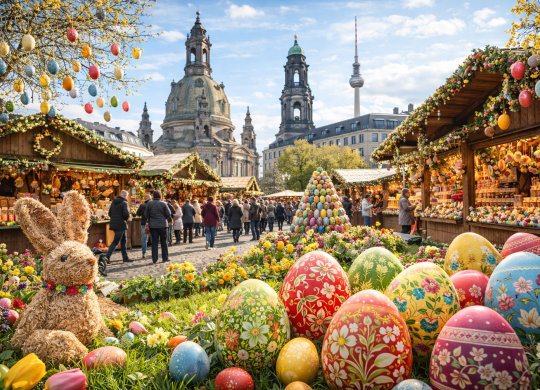
Najpiękniejsze jarmarki wielkanocne w Europie w 2026 roku: gdzie udać się po świąteczną atmosferę
Wielkanoc w Europie to nie tylko świąteczne msze i tradycje, ale także kolorowe jarmarki, które co roku przyciągają tysiące turystów. Wiosenne targi z rękodziełem, świątecznymi dekoracjami i tradycyjnymi potrawami otwierają się w różnych miastach. Dowiedz się więcej o najpiękniejszych jarmarkach wielkanocnych w Europie w 2026 roku, ich datach, lokalizacjach i cechach
18 mar. 2026
More detailsAll materials and articles are owned by VisitWorld.Today and are protected by international intellectual property regulations. When using materials, approval from VisitWorld.Today is required.