

Gdzie uciekać w przypadku wojny światowej: eksperci wymieniają 6 najbezpieczniejszych krajów, do których można się przenieść w przypadku III wojny światowej
Table of contents
- Irlandia - izolacja i stabilność gospodarcza
- Szwajcaria - neutralność i maksymalne przygotowanie na kryzysy
- Portugalia - oddalenie i spokojny klimat wewnętrzny
- Islandia - maksymalna izolacja i niezależność energetyczna
- Nowa Zelandia - geograficzne oddalenie i przewidywalny system
- Urugwaj - stabilność i przystępność w Ameryce Południowej
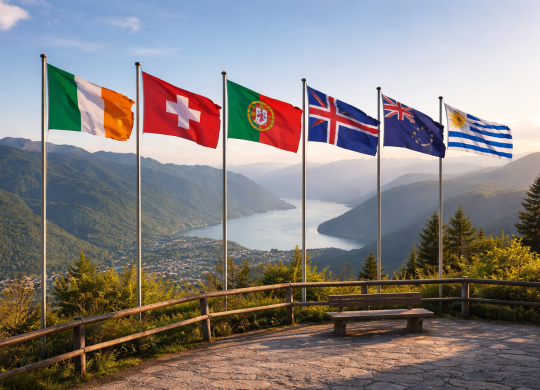
Świat staje się coraz mniej przewidywalny, a coraz więcej osób myśli o planie B na wypadek globalnego konfliktu. Eksperci już wymienili kraje, które mogą stać się stosunkowo bezpieczne nawet w kryzysie. Dowiedz się więcej o tym, dokąd się udać w przypadku wojny światowej

Możliwość wybuchu wojny światowej jest dziś omawiana nie tylko przez polityków, ale także przez zwykłych ludzi, którzy zaczynają z wyprzedzeniem myśleć o scenariuszach ewakuacji i relokacji. Jednym z kluczowych pytań jest, gdzie można szybko, legalnie i stosunkowo bezpiecznie opuścić kraj w przypadku eskalacji globalnego konfliktu.
Według vg.hu, istnieje co najmniej sześć krajów, które mają korzystne połączenie lokalizacji geograficznej, stabilności politycznej i odporności gospodarczej.
W tym artykule rozważymy, które kraje znajdują się na tej liście i dlaczego mogą stać się "bezpieczną przystanią" w najgorszym scenariuszu.
W naszym poprzednim artykule opowiedzieliśmy o tym, czy bezpiecznie jest podróżować na Cypr, do Egiptu i na Bliski Wschód.
Planujesz podróż za granicę i chcesz chronić się przed nieprzewidzianymi sytuacjami?
Ubezpieczenie podróżne od Visit World pokryje koszty leczenia, opóźnienia lotów i zagubiony bagaż w każdym kraju. Uzyskaj polisę online w kilka minut i podróżuj z pewnością!

Irlandia - izolacja i stabilność gospodarcza
Irlandia zajmuje unikalną pozycję w Europie, łącząc geograficzną izolację z silną integracją w przestrzeni gospodarczej UE. Jest państwem wyspiarskim oddzielonym od kontynentu przez Ocean Atlantycki, co zmniejsza ryzyko bezpośredniego zaangażowania w operacje wojskowe w Europie.
Kraj ten utrzymuje również neutralność wojskową i nie jest członkiem NATO, co dodatkowo zmniejsza prawdopodobieństwo jego udziału w konfliktach jako strony działań wojennych. Jednocześnie Irlandia pozostaje ważnym centrum gospodarczym, w którym aktywne są międzynarodowe firmy, szczególnie w dziedzinach technologii, finansów i usług.
Oznacza to, że nawet w kryzysie nadal istnieje zapotrzebowanie na pracowników.
Z perspektywy przetrwania i długoterminowego pobytu ważną zaletą jest silny sektor rolniczy i stabilne zaopatrzenie w żywność. To kluczowy czynnik w każdym kryzysie.
1. Geograficzna izolacja od potencjalnych stref wojennych
2. Neutralność wojskowa i brak udziału w blokach wojskowych
3. Rozwinięta gospodarka z wysokim zapotrzebowaniem na pracowników
4. Stabilne zaopatrzenie w żywność dzięki sektorowi rolniczemu
5. Możliwość znalezienia przystępnego mieszkania poza dużymi miastami
Wcześniej rozmawialiśmy o najbezpieczniejszych krajach na świecie według inwestorów i analityków, którzy oceniają nie tylko geografię, ale także stabilność gospodarczą i ryzyko polityczne. Przeczytaj więcej na ten temat w artykule.
Szwajcaria - neutralność i maksymalne przygotowanie na kryzysy
Szwajcaria jest symbolem stabilności i bezpieczeństwa w Europie od ponad wieku. Jej polityka stałej neutralności oznacza, że kraj nie bierze udziału w konfliktach zbrojnych i nie jest członkiem żadnych sojuszy wojskowych, co znacząco zmniejsza ryzyko bezpośredniego zagrożenia.
Jedną z kluczowych cech Szwajcarii jest jej unikalny system obrony cywilnej. W kraju zbudowano setki tysięcy schronów, a prawo wymaga, aby struktury ochronne były uwzględniane w budowie nowych obiektów. W rzeczywistości Szwajcaria jest jednym z nielicznych krajów, w których infrastruktura jest przygotowana na sytuacje kryzysowe na poziomie krajowym.
Dodatkowo zdecentralizowany system zarządzania, stabilny sektor bankowy i wysoka samowystarczalność gospodarcza sprawiają, że jest odporna nawet na globalne kryzysy. Pomimo wysokich kosztów życia, ten czynnik jest równoważony przez wysokie wynagrodzenia i dobrze zorganizowany rynek pracy.
1. Długoterminowa neutralność i brak udziału w blokach wojskowych
2. Rozwinięty system schronów i ochrony cywilnej
3. Stabilny system bankowy i gospodarka
4. Zdecentralizowane zarządzanie, które zwiększa odporność kraju
5. Wysokie dochody, które częściowo rekompensują wysokie koszty życia
Portugalia - oddalenie i spokojny klimat wewnętrzny
Portugalia ma jedną z kluczowych zalet w kontekście globalnych konfliktów - geograficzne oddalenie. Jest najdalej na zachód położonym krajem w Europie, daleko od potencjalnych stref wojennych, co znacząco zmniejsza ryzyko bezpośredniego wpływu wojny.
Dodatkowo kraj ten od wielu lat znajduje się w czołówce najbezpieczniejszych na świecie pod względem pokoju i stabilności wewnętrznej. Niskie napięcia, przewidywalna polityka i brak poważnych konfliktów wewnętrznych czynią go atrakcyjnym miejscem do relokacji w czasach kryzysu.
Gospodarka Portugalii jest dość zróżnicowana: turystyka, budownictwo, rolnictwo i sektor cyfrowy zapewniają możliwości zatrudnienia nawet dla obcokrajowców. Ważną zaletą jest stosunkowo przystępny koszt życia w porównaniu do innych krajów zachodnioeuropejskich, szczególnie biorąc pod uwagę małe miasteczka lub regiony poza Lizboną.
1. Oddalenie od potencjalnych stref wojennych w Europie
2. Wysokie miejsca w światowych rankingach pokojowości
3. Stabilna sytuacja polityczna i niski poziom konfliktów
4. Zróżnicowana gospodarka z możliwościami zatrudnienia
5. Niższy koszt życia w porównaniu do większości krajów zachodnioeuropejskich
Islandia - maksymalna izolacja i niezależność energetyczna
Islandia jest jednym z najbardziej izolowanych krajów w Europie, położonym na północnym Atlantyku, daleko od potencjalnych stref wojennych. To geograficzne oddalenie sprawia, że jest jednym z najmniej wrażliwych miejsc w przypadku globalnego konfliktu.
Kluczową zaletą kraju jest jego niemal całkowita niezależność energetyczna. Islandia produkuje prawie całą swoją energię elektryczną z odnawialnych źródeł, w tym energii geotermalnej i hydroelektrycznej. Oznacza to, że nawet w przypadku globalnych zakłóceń zasobów kraj jest w stanie zapewnić sobie energię.
Islandia jest również znana z bardzo niskiego wskaźnika przestępczości, wysokiego zaufania do instytucji rządowych i silnej spójności społecznej. Tworzy to stabilne środowisko życia nawet w czasach kryzysu. Jednocześnie należy pamiętać, że koszty życia tutaj są jednymi z najwyższych w Europie, chociaż rynek pracy pozostaje dość elastyczny, szczególnie w turystyce, rybołówstwie i usługach.
1. Geograficzna izolacja od jakichkolwiek stref konfliktów
2. Niemal całkowita niezależność energetyczna
3. Niski wskaźnik przestępczości i wysoki poziom bezpieczeństwa
4. Silna spójność społeczna i zaufanie do państwa
5. Możliwości zatrudnienia w kluczowych branżach
Możesz dowiedzieć się więcej o najbezpieczniejszych krajach do relokacji w czasach globalnej niestabilności, które prawdopodobnie nie wezmą udziału w III wojnie światowej, klikając w link.
Nowa Zelandia - geograficzne oddalenie i przewidywalny system
Nowa Zelandia jest uważana za jeden z najbardziej odległych krajów na świecie od głównych centrów napięć geopolitycznych. Znajduje się daleko od Europy, Azji i większości potencjalnych obszarów globalnego konfliktu, co czyni ją naturalną "bezpieczną przystanią" w przypadku wojny światowej.
Kraj ten ma stabilny system demokratyczny, przejrzyste ustawodawstwo i niski poziom korupcji. Tworzy to przewidywalne środowisko życia nawet w czasach kryzysu, gdy wiele krajów może zmagać się z wewnętrznymi zawirowaniami.
Jednocześnie ważne jest, aby pamiętać, że polityka imigracyjna tutaj jest dość rygorystyczna. Aby uzyskać pozwolenie na pobyt, należy spełnić wymagania programów wizowych, w szczególności tzw. "Zielonej Listy", która dotyczy zawodów deficytowych, takich jak inżynierowie, lekarze, pracownicy budowlani i inni specjaliści.
1. Ekstremalne oddalenie od głównych stref konfliktów
2. Stabilny system polityczny i niski poziom korupcji
3. Wysoki standard życia i bezpieczeństwa
4. Jasny i przewidywalny system prawny
5. Możliwości imigracyjne dla specjalistów w zawodach deficytowych
Urugwaj - stabilność i przystępność w Ameryce Południowej
Urugwaj jest często nazywany "Szwajcarią Ameryki Południowej" ze względu na swój stabilny system polityczny i wysoki poziom bezpieczeństwa w porównaniu do innych krajów w regionie. Kraj ten wykazuje konsekwentny rozwój demokratyczny, a zmiana rządu odbywała się pokojowo i bez większych wstrząsów.
Gospodarka kraju opiera się w dużej mierze na rolnictwie, co jest ważną zaletą w czasach kryzysu. Stabilna produkcja żywności zwiększa poziom bezpieczeństwa żywnościowego, co może być decydującym czynnikiem w czasach globalnych zawirowań.
Kolejnym mocnym punktem Urugwaju są stosunkowo proste procedury wjazdowe oraz możliwość szybkiej legalizacji pobytu i zatrudnienia na miejscu. To czyni kraj szczególnie atrakcyjnym dla tych, którzy szukają opcji awaryjnej relokacji. Jednocześnie koszty życia tutaj są niższe niż w wielu krajach zachodnich, a standard życia i bezpieczeństwo pozostają dość wysokie.
1. Stabilna demokracja i pokojowe procesy polityczne
2. Silny sektor rolniczy i bezpieczeństwo żywnościowe
3. Stosunkowo proste warunki wjazdu i legalizacji
4. Umiarkowane koszty życia
5. Lepszy poziom bezpieczeństwa w porównaniu do wielu krajów w regionie
Aby nie spędzać godzin na studiowaniu drobnego druku w umowach, możesz wykupić niezawodne ubezpieczenie zdrowotne na podróż wszędzie na świecie na portalu Visit World. Proces zajmuje zaledwie kilka minut online, a polisa jest natychmiast wysyłana na Twój e-mail. Podstawowe ubezpieczenie od Visit World pokrywa wszystkie kluczowe ryzyka: od nagłej choroby po pomoc w nagłych wypadkach, gwarantując Ci ten sam spokój umysłu, gdziekolwiek jesteś.
Przypominamy! Niektóre kraje to państwa wyspiarskie z neutralnością polityczną, co oznacza, że prawdopodobieństwo konfliktu zbrojnego jest dość niskie. Przeczytaj więcej o krajach, które prawdopodobnie wezmą udział w III wojnie światowej oraz o najbezpieczniejszych krajach na świecie.
Produkty od Visit World na komfortową podróż:
Przewodnik podróżny dla 200 krajów;
Porady prawne od lokalnego specjalisty w sprawach wizowych i migracyjnych;
Ubezpieczenie podróżne na całym świecie (proszę wybrać kraj zainteresowania i obywatelstwo, aby otrzymać usługi);
Ubezpieczenie medyczne na całym świecie.
Monitorujemy dokładność i aktualność naszych informacji, więc jeśli zauważysz jakiekolwiek błędy lub nieścisłości, skontaktuj się z naszą infolinią.
Frequantly
asked questions
Które kraje są uważane za najbezpieczniejsze w przypadku wojny światowej?
Dlaczego geografia ma znaczenie?
Czy w sytuacji kryzysowej można szybko przenieść się do tych krajów?
Czy gospodarka kraju ma znaczenie w czasach wojny?
Na co zwrócić uwagę przy wyborze kraju do przeprowadzki?
Recommended articles
2 min
Popular
Najbezpieczniejsze kraje na świecie podczas III wojny światowej: dokąd jechać?
Niektóre kraje to państwa wyspiarskie o neutralności politycznej, co oznacza, że prawdopodobieństwo konfliktu zbrojnego jest dość niskie. Dowiedz się więcej o krajach, które prawdopodobnie wezmą udział w III wojnie światowej oraz o najbezpieczniejszych krajach na świecie
09 lut. 2026
More details2 min
Blog
III wojna światowa: Najbezpieczniejsze kraje do relokacji w czasach globalnej niepewności
W świecie, w którym niepewność i globalne wstrząsy stały się częścią codziennego życia, poszukujemy miejsc, które mogą zapewnić nam schronienie i stabilność. Dowiedz się, które kraje oferują bezpieczeństwo, dobry system polityczny i wysoką jakość życia, oraz kto na świecie ma największe szanse na uniknięcie III wojny światowej.
23 mar. 2025
More details3 min
Popular
Gdzie przeczekać III wojnę światową: najbezpieczniejsze kraje na świecie według inwestorów
Czy są kraje, które mogą pozostać stosunkowo bezpieczne nawet w przypadku globalnego konfliktu? Inwestorzy i analitycy coraz częściej oceniają kraje nie tylko na podstawie ich wyników gospodarczych, ale także stabilności geopolitycznej i odległości od potencjalnych stref konfliktu. Dowiedz się więcej o najbezpieczniejszych krajach na świecie, które eksperci i inwestorzy uważają za najbardziej stabilne w czasach globalnych ryzyk
12 mar. 2026
More details3 min
Travels
Turyści odwołują wakacje w basenie Morza Śródziemnego z powodu wojny na Bliskim Wschodzie
Wojna na Bliskim Wschodzie zaczęła wpływać nie tylko na sytuację polityczną, ale także na globalny rynek podróży. Niektórzy podróżnicy przemyślają swoje plany wakacyjne i rezygnują z popularnych kurortów wschodniego Morza Śródziemnego. Dowiedz się więcej, które kraje straciły turystów, a które destynacje zyskują na popularności.
18 mar. 2026
More detailsAll materials and articles are owned by VisitWorld.Today and are protected by international intellectual property regulations. When using materials, approval from VisitWorld.Today is required.