

Najlepsze kraje w Azji Południowo-Wschodniej dla ekspatów do życia w 2026 roku

Azja Południowo-Wschodnia od dawna przestała być celem turystycznym - coraz więcej ekspatów wybiera ten region do życia. Niskie koszty, ciepły klimat i dobrze rozwinięta infrastruktura czynią go szczególnie atrakcyjnym. Dowiedz się więcej o najlepszych krajach w Azji Południowo-Wschodniej dla ekspatów

Południowo-Wschodnia Azja przyciąga ekspatów z całego świata połączeniem egzotyki i komfortu. Można tu znaleźć wszystko, od nowoczesnych obszarów metropolitalnych z rozwiniętą infrastrukturą cyfrową po spokojne kurorty nadmorskie i miasta z bogatym dziedzictwem kulturowym. Dlatego region ten staje się coraz bardziej popularny nie tylko wśród turystów, ale także wśród tych, którzy szukają nowego miejsca do życia lub pracy.
Zgodnie z międzynarodowymi badaniami ekspatów, takie kraje jak Tajlandia, Wietnam i Malezja nieprzerwanie znajdują się w czołówce najwygodniejszych miejsc do relokacji ze względu na koszty życia, jakość usług i przyjazne nastawienie mieszkańców do obcokrajowców. W tym artykule przyjrzymy się 6 najlepszym krajom w Południowo-Wschodniej Azji, które ekspaci powinni rozważyć w 2026 roku.
Czy planujesz przeprowadzkę, pracę lub długoterminowy pobyt w UE i nie wiesz, od czego zacząć?
Aby uniknąć zagubienia się w zmianach w polityce wizowej i migracyjnej, skorzystaj z przewodnika po imigracji od Visit World. Zawiera on aktualne informacje na temat uzyskania zezwolenia na pobyt i obywatelstwa w różnych krajach, instrukcje krok po kroku, wymagania dla wnioskodawców, listę dokumentów, terminy i koszty. Przewodnik zostanie wysłany na Twój adres e-mail w formacie PDF w zaledwie kilka minut i pomoże Ci zaplanować legalną przeprowadzkę bez zbędnego stresu.

Tajlandia
Tajlandia to kraj, w którym wielu ekspatów zaczyna swoje życie w Południowo-Wschodniej Azji. Jest to stosunkowo łatwy kraj do adaptacji, z dużym wyborem mieszkań i już ustaloną infrastrukturą dla obcokrajowców.
Główne miasta do relokacji to Bangkok, Chiang Mai i Phuket. Bangkok nadaje się do pracy w międzynarodowych firmach lub biznesie: jest więcej ofert pracy i lepsza opieka zdrowotna, ale koszty są wyższe. Chiang Mai to tańsza opcja z dużą społecznością freelancerów i cyfrowych nomadów. Phuket wybierają ci, którzy chcą mieszkać nad morzem, ale ceny tam są bliższe europejskim kurortom.
Pod względem kosztów Tajlandia pozostaje przystępna. W Chiang Mai można komfortowo żyć od 700-1000 USD miesięcznie, w Bangkoku - od 1000-1500 USD, w zależności od obszaru i stylu życia. Czynsze za studio wahają się od 250-400 USD w niedrogich miastach i od 500+ USD w stolicy lub na wyspach.
Co ważne wiedzieć przed przeprowadzką:
1. Długoterminowy pobyt wymaga wizy (popularne opcje to wiza edukacyjna, wiza biznesowa lub długoterminowe zezwolenie na pobyt)
2. Wiza turystyczna nie nadaje się do stałego pobytu
3. Oficjalne zatrudnienie dla obcokrajowców jest ograniczone - często wymagany jest sponsorujący pracodawca
4. Medycyna jest wysokiej jakości w prywatnych klinikach, ale warto mieć polisę ubezpieczeniową
5. Możliwe jest otwarcie konta bankowego, ale czasami potrzebna jest pomoc agentów
Internet w dużych miastach jest stabilny, są przestrzenie coworkingowe i kawiarnie z dobrym Wi-Fi - to sprawia, że kraj jest popularny wśród pracowników zdalnych.

Wietnam
Wietnam aktywnie zyskuje popularność wśród ekspatów dzięki niskim kosztom i łatwiejszemu wjazdowi do kraju w porównaniu do innych destynacji w regionie. To jedna z najlepszych opcji, jeśli masz ograniczony budżet, ale chcesz prowadzić pełne życie w Azji.
Główne miasta do relokacji to Ho Chi Minh (Saigon), Hanoi i Da Nang. Ho Chi Minh to centrum gospodarcze z wieloma miejscami pracy, startupami i międzynarodowymi firmami. Hanoi jest spokojniejsze, z niższymi cenami i bardziej „lokalną” atmosferą. Da Nang to najlepszy kompromis: miasto nad morzem z dobrą infrastrukturą i komfortowym tempem życia.
Pod względem kosztów Wietnam jest tańszy niż Tajlandia. W Hanoi lub Da Nang można żyć od 600-900 USD miesięcznie, w Ho Chi Minh - od 800-1200 USD. Wynajem mieszkania kosztuje od 200-300 USD w niedrogich rejonach i od 400-600 USD w nowoczesnych kompleksach. Jedzenie i transport są również bardzo przystępne.
Co ważne wiedzieć przed przeprowadzką:
1. Długoterminowy pobyt zazwyczaj załatwia się przez wizę biznesową lub pracę
2. „Wizy” są stopniowo ograniczane, zasady stają się coraz surowsze
3. Oficjalna praca często dostępna jest w dziedzinie edukacji (szczególnie nauczanie angielskiego)
4. Opieka zdrowotna jest tańsza, ale jakość zależy od kliniki - lepiej korzystać z prywatnych
5. Konto bankowe i status prawny mogą wymagać umowy lub wsparcia pracodawcy
Internet jest stabilny, komunikacja mobilna jest tania, a liczba przestrzeni coworkingowych stale rośnie - to sprawia, że kraj jest wygodny dla freelancerów.

Filipiny
Filipiny często wybierane są przez ekspatów, którzy cenią sobie morze, łagodny klimat i brak barier językowych. To jeden z nielicznych krajów w regionie, gdzie angielski jest używany wszędzie - w codziennym życiu, pracy i dokumentach.
Główne destynacje do relokacji to Manila, Cebu i wyspy takie jak Palawan. Manila oferuje więcej możliwości pracy, ale ma poważne problemy z ruchem i przeludnieniem. Cebu to bardziej zrównoważona opcja: mniej chaosu, dostęp do morza i rozwinięta infrastruktura. Regiony wyspiarskie są odpowiednie dla tych, którzy pracują zdalnie i chcą prowadzić najbardziej stylowe życie.
Koszty zależą od lokalizacji. W Manili komfortowe życie zaczyna się od 1000-1500 USD miesięcznie, w Cebu - od 800-1200 USD. Wynajem domu zaczyna się od 300-500 USD w prostych opcjach i od 600+ USD w nowoczesnych kondominiach. Na wyspach może być taniej, ale wybór mieszkań jest ograniczony.
Co ważne wziąć pod uwagę:
1. System wizowy jest dość elastyczny: wiza turystyczna może być przedłużana na długi czas bez konieczności wyjazdu
2. Obcokrajowcy nie mogą posiadać ziemi, ale mogą kupować mieszkania
3. Infrastruktura jest nierówna: poza dużymi miastami mogą występować przerwy w dostępie do Internetu i transportu
4. Opieka zdrowotna jest wysokiej jakości w prywatnych klinikach w dużych miastach, ale ograniczona w regionach
5. Kraj ma reputację niebezpiecznego, ale większość obszarów popularnych wśród ekspatów uważana jest za stosunkowo bezpieczne
Filipiny to bardziej styl życia niż kariera: kraj nadaje się do pracy zdalnej, freelancingu lub relokacji z istniejącym dochodem.

Malezja
Malezja jest często niedoceniana wśród ekspatów, chociaż przewyższa większość krajów w regionie pod względem komfortu. Jest to jedna z najdogodniejszych opcji relokacji, jeśli ważna jest infrastruktura, opieka zdrowotna i łatwość adaptacji.
Głównym punktem relokacji jest Kuala Lumpur. To nowoczesne miasto z dobrą komunikacją publiczną, międzynarodowymi szkołami, szpitalami i dużą liczbą mieszkań o różnym standardzie. Penang (Georgetown) i Malakka są również popularne - mniejsze miasta z bardziej zrelaksowanym tempem życia i silnym mixem kulturowym.
Pod względem kosztów Malezja wyróżnia się korzystnie na tle regionu. W Kuala Lumpur komfortowe życie możliwe jest od 900-1300 USD miesięcznie. Wynajem nowoczesnego mieszkania kosztuje od 400-600 USD, często z basenem i ochroną. W mniejszych miastach można żyć jeszcze taniej.
Co ważne wiedzieć przed przeprowadzką:
1. Angielski jest powszechnie używany, więc adaptacja jest szybka
2. Popularny program długoterminowego pobytu to MM2H (Malaysia My Second Home), ale wymagania do niego zmieniają się okresowo
3. Obcokrajowcy mogą kupować nieruchomości, ale z minimalnym progiem wartości
4. Opieka zdrowotna jest jedną z najlepszych w regionie pod względem ceny i jakości
5. System podatkowy uważany jest za stosunkowo przyjazny dla obcokrajowców
Internet jest szybki i stabilny, banki, usługi i codzienne życie są dobrze dostosowane do obcokrajowców, co znacznie ułatwia życie po przeprowadzce.

Kambodża
Kambodża jest jednym z najłatwiejszych miejsc w regionie pod względem wiz i legalizacji. Kraj ten często wybierany jest przez ekspatów, którzy chcą szybko się przeprowadzić bez skomplikowanej biurokracji i surowych wymagań.
Główne miasta do życia to Phnom Penh, Siem Reap i Sihanoukville. Phnom Penh to stolica z miejscami pracy, biznesem i lepszą infrastrukturą. Siem Reap jest spokojniejsze i bardziej nastawione na ekspatów, z komfortowym standardem życia i dostępem do infrastruktury turystycznej. Sihanoukville to świetna opcja nad morzem, ale z mniej stabilną jakością środowiska.
Kambodża pozostaje przystępna pod względem kosztów. Życie w Phnom Penh może kosztować od 700-1000 USD miesięcznie, w mniejszych miastach jest taniej. Czynsze za mieszkania wahają się od 250-400 USD, a podstawowe koszty żywności i transportu są niższe niż w Tajlandii.
Co ważne wiedzieć przed przeprowadzką:
1. Jeden z najłatwiejszych systemów wizowych w regionie: wiza biznesowa może być przedłużana na długi czas
2. Nie ma potrzeby skomplikowanego procesu uzyskiwania zezwolenia na pobyt
3. Oficjalne zatrudnienie jest ograniczone, wielu ekspatów pracuje online lub prowadzi własne firmy
4. Poziom opieki zdrowotnej i edukacji jest niższy niż w sąsiednich krajach
5. Infrastruktura wciąż się rozwija, szczególnie poza stolicą
Internet w dużych miastach jest dość stabilny, ale ogólny poziom usług jest gorszy niż w Tajlandii czy Malezji.

Singapur
Singapur jest całkowitym przeciwieństwem większości krajów w Południowo-Wschodniej Azji. Ma najwyższy poziom komfortu, bezpieczeństwa i infrastruktury, ale także najwyższe koszty. Kraj ten wybierany jest przez ekspatów, którzy przeprowadzają się na podstawie umowy lub pracują dla międzynarodowych firm.
Singapur to w rzeczywistości jedno miasto-państwo, więc wybór lokalizacji sprowadza się do obszaru zamieszkania. Najpopularniejsze obszary wśród ekspatów to centralne dzielnice i okolice centrów biznesowych, gdzie wygodnie jest mieszkać bez samochodu dzięki doskonale rozwiniętej komunikacji.
Koszt życia tutaj jest najwyższy w regionie. Komfortowy budżet zaczyna się od 2500-4000 USD miesięcznie. Czynsz to główny element wydatków: nawet małe mieszkanie może kosztować od 1500-2500 USD. Jednocześnie wynagrodzenia są również znacznie wyższe niż w sąsiednich krajach.
Co ważne wiedzieć przed przeprowadzką:
1. Potrzebujesz wizy pracowniczej (Employment Pass lub innych zezwoleń), aby mieszkać w kraju - trudno jest się przeprowadzić bez umowy
2. Bardzo wysokie wymagania dotyczące statusu prawnego i przestrzegania zasad
3. Opieka zdrowotna i edukacja należą do najlepszych na świecie, ale są drogie bez ubezpieczenia
4. Angielski jest jednym z języków urzędowych, adaptacja jest jak najłatwiejsza
5. Wysoki poziom bezpieczeństwa i czystości
Singapur nie jest opcją na „tanie życie”, ale na rozwój kariery, stabilność i najbardziej komfortowe środowisko bez szoku kulturowego.

Możesz znaleźć aktualne i uporządkowane informacje na temat uzyskania zezwolenia na pobyt lub obywatelstwa w każdym kraju w przewodniku po imigracji od Visit World. W formacie PDF otrzymasz instrukcje krok po kroku, listę dokumentów, koszty i czasy przetwarzania, wymagania dla wnioskodawców, zasady wypełniania formularzy, praktyczne porady i korzyści ze statusu — wszystko dostarczone na Twój e-mail w zaledwie kilka minut.
Jeśli rozważasz przeprowadzkę lub długoterminowy pobyt za granicą, zakup przewodnik imigracyjny od Visit World i przygotuj się z wyprzedzeniem!
Przypominamy! Elektroniczne zezwolenia na podróż, wydłużona podróż bezwizowa, cyfrowe karty przyjazdowe zamiast papierowych formularzy — w 2026 roku zasady przekraczania granic w wielu krajach znów się zmienią. Podróż nie stanie się trudniejsza, ale będzie wymagała większego przygotowania. Przeczytaj o nowych zasadach podróży w 2026 pod tym linkiem.
Produkty od Visit World na komfortową podróż:
Przewodnik podróżniczy dla 200 krajów;
Porady prawne od lokalnego specjalisty w sprawach wizowych i migracyjnych;
Ubezpieczenie podróżne na całym świecie (proszę wybrać kraj zainteresowania i obywatelstwo, aby otrzymać usługi);
Ubezpieczenie zdrowotne na całym świecie.
Monitorujemy dokładność i aktualność naszych informacji, więc jeśli zauważysz jakiekolwiek błędy lub nieścisłości, proszę skontaktuj się z naszą infolinią.
Frequantly
asked questions
Które kraje są uważane za najbezpieczniejsze w przypadku wojny światowej?
Dlaczego geografia ma znaczenie?
Czy w sytuacji kryzysowej można szybko przenieść się do tych krajów?
Czy gospodarka kraju ma znaczenie w czasach wojny?
Na co zwrócić uwagę przy wyborze kraju do relokacji?
Recommended articles
3 min
Residence permit
Złote wizy w Europie w 2026 roku: Jakie programy są dostępne, ile kosztują i co się zmieniło
Europejskie programy inwestycyjnego pobytu przechodzą znaczące zmiany: niektóre kraje podnoszą progi wejścia, podczas gdy inne całkowicie wycofują swoje „złote wizy”. Od 2026 roku osiem państw członkowskich UE oferuje pozwolenia na pobyt dla inwestorów z różnymi warunkami, kosztami i korzyściami podatkowymi. Dowiedz się więcej o aktualnych programach „złotych wiz” w Europie, ich kosztach i perspektywach
21 mar. 2026
More details3 min
Expats
Rezydencja przez pasywną inwestycję w 2026 roku: kraje z progiem wejścia do 100 000 $
Rynek migracji inwestycyjnej oferuje dziesiątki programów rezydencyjnych, które nie wymagają zakupu firmy ani zabezpieczenia zatrudnienia—wszystko, co musisz zrobić, to zainwestować w nieruchomości, depozyt lub papiery wartościowe. Minimalne progi wejścia zaczynają się od kilku tysięcy dolarów i sięgają 100 000 $, obejmując kraje w Azji, Ameryce Łacińskiej, Afryce, a nawet Unii Europejskiej. Dowiedz się więcej o warunkach, kosztach i perspektywach naturalizacji dla każdego z 11 programów pasywnej rezydencji przez inwestycję w 2026 roku
22 mar. 2026
More details2 min
Expats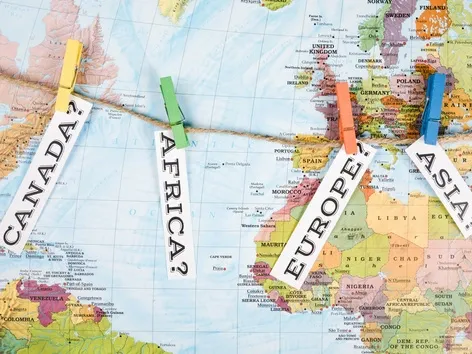
Najłatwiejsze kraje do przeprowadzki w 2026 roku: gdzie emigrować bez skomplikowanej biurokracji?
Planujesz przeprowadzkę za granicę w 2026 roku i szukasz najłatwiejszych opcji imigracyjnych? Dowiedz się, które kraje są najłatwiejsze do przeprowadzki w 2026 roku, jakie wizy istnieją dla cyfrowych nomadów, poszukujących pracy i młodych profesjonalistów, a także jakie są wymagania, poziom dochodów i warunki uzyskania zezwolenia na pobyt w różnych krajach na całym świecie
22 mar. 2026
More details3 min
Popular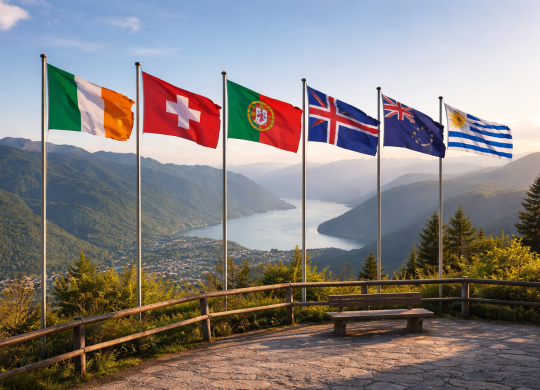
Świat staje się coraz mniej przewidywalny, a coraz więcej osób myśli o planie B na wypadek globalnego konfliktu. Eksperci już wymienili kraje, które mogą stać się stosunkowo bezpieczne nawet w kryzysie. Dowiedz się więcej o tym, dokąd się udać w przypadku wojny światowej
23 mar. 2026
More detailsAll materials and articles are owned by VisitWorld.Today and are protected by international intellectual property regulations. When using materials, approval from VisitWorld.Today is required.