

Przeprowadzka do Norwegii: Kompletny przewodnik po życiu, pracy i adaptacji
Table of contents
- Dlaczego Norwegia przyciąga obcokrajowców?
- Wady do rozważenia
- Jak obcokrajowiec może zalegalizować swój pobyt w Norwegii?
- Praca w Norwegii
- Podatki w Norwegii
- Mieszkanie i koszty życia w Norwegii
- Życie codzienne: transport, medycyna, edukacja
- Kultura, styl życia i mentalność
- Czy Norwegia nadaje się do przeprowadzki?
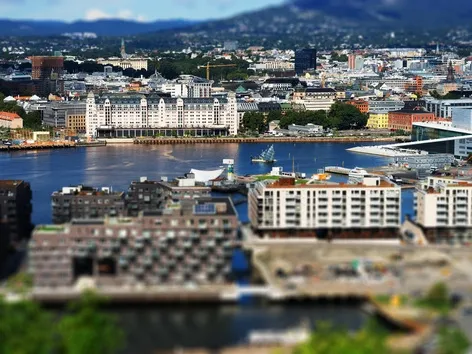
Przeprowadzka do innego kraju to zawsze strategiczna decyzja, która wymaga starannego przygotowania. Norwegia nieprzerwanie zajmuje wysokie miejsca w rankingu najbardziej komfortowych krajów do życia na świecie, dzięki wysokim standardom opieki społecznej, ochrony socjalnej i ekologii. Dowiedz się, jakie możliwości oferuje ten północny kraj, jak uzyskać legalny pobyt, ile kosztuje życie i na co powinni być przygotowani cudzoziemcy przed przeprowadzką

W 2026 roku, Norwegia pozostaje jednym z najbardziej atrakcyjnych miejsc dla migracji ludzi z różnych krajów świata, w tym obywateli Mołdawii, Kazachstanu, Łotwy i Gabon.
Kraj ten łączy wysoki poziom dochodów, efektywny system społeczny i stabilną gospodarkę. Jednocześnie udana adaptacja tutaj zależy od wielu czynników - od znajomości języka po chęć przyjęcia lokalnego stylu życia.
Ten artykuł zawiera szczegółową analizę możliwości i ryzyk związanych z przeprowadzką.
Planujesz przeprowadzkę za granicę, ale nie wiesz, od czego zacząć? Nasz przewodnik migracyjny to instrukcja krok po kroku dla międzynarodowych przeprowadzek: od wyboru kraju i rodzaju wizy po adaptację, znalezienie mieszkania i pracy.
Uzyskaj jasny plan działania, sprawdzone narzędzia i praktyczne porady, które pomogą Ci uniknąć błędów i szybciej zintegrować się w nowym kraju!

Dlaczego Norwegia przyciąga obcokrajowców?
Norwegia przyciąga ludzi z całego świata nie tylko wysokimi dochodami, ale także wysoką jakością życia, wśród kluczowych zalet:
- Otwarte i tolerancyjne podejście do obcokrajowców.
- Wysoki poziom równości płci we wszystkich sferach życia.
- Stabilna gospodarka i konkurencyjne wynagrodzenia.
- Rozwinięty system ochrony społecznej i zabezpieczenia emerytalnego.
- Jedne z najniższych wskaźników przestępczości na świecie.
- Czyste środowisko, bliskość natury i dobrze przemyślana infrastruktura miejska.
Wady do rozważenia
Pomimo oczywistych zalet, życie w Norwegii ma również swoje wyzwania:
- Geograficzna odległość od wielu krajów.
- Zimny klimat z długimi zimami.
- Wysoki poziom podatków.
- Powściągliwość lokalnych mieszkańców w kontaktach towarzyskich.
- Konieczność nauki języka norweskiego dla pełnej integracji.
- Częściowe pokrycie usług zdrowotnych przez system państwowy.
Jak obcokrajowiec może zalegalizować swój pobyt w Norwegii?
Przeprowadzka do Norwegii zaczyna się od uzyskania zezwolenia na pobyt. Najczęstsze powody to praca, studia lub łączenie rodzin. Wszystkie procesy są koordynowane przez Norweski Urząd Imigracyjny (UDI), przez który składane są wnioski i realizowana jest główna część procedur.
Tymczasowe zezwolenie na pobyt w Norwegii
Tymczasowe zezwolenie na pobyt to pierwszy krok dla tych, którzy planują dłuższy pobyt w kraju, można je uzyskać przez:
- Pracowników z umową od norweskiego pracodawcy.
- Studentów na lokalnych uniwersytetach.
- Wykwalifikowanych specjalistów.
- Członków rodzin mieszkańców lub obywateli.
Proces składania wniosku odbywa się przez Norweski Urząd Imigracyjny (UDI) i obejmuje złożenie wniosku online, potwierdzenie dochodów lub wykształcenia, opłacenie opłaty i, jeśli to konieczne, biometria.
Okres ważności wynosi od 1 do 3 lat z możliwością przedłużenia.
Stałe zameldowanie (PMP)
PMP otwiera dostęp do długoterminowego pobytu bez ograniczeń w pracy, główne wymagania to:
- Legalny pobyt w kraju przez co najmniej 3 lata.
- Stabilny dochód.
- Znajomość języka norweskiego
- Brak poważnych wykroczeń
Po uzyskaniu statusu, dostęp do pełnego rynku pracy, opieki zdrowotnej i usług społecznych staje się możliwy.
Obywatelstwo norweskie
Aby uzyskać obywatelstwo, należy mieszkać w kraju przez około 7-8 lat, a także zdać test językowy i integracyjny, potwierdzić stabilność finansową i przestrzegać prawa. Po zatwierdzeniu, wnioskodawca otrzymuje paszport i pełen zakres praw.
Procedura uzyskania obywatelstwa norweskiego jest w tym materiale.
Praca w Norwegii
Rynek pracy w Norwegii pozostaje jednym z najbardziej atrakcyjnych w Europie, szczególnie dla wykwalifikowanych specjalistów. Nawet podstawowe stanowiska zapewniają dochód, który pozwala pokryć podstawowe wydatki, chociaż oszczędności wymagają wyższego poziomu wynagrodzenia.
Początkowe dochody - od ~ 2300 euro / miesiąc, średnie wynagrodzenie specjalisty wynosi około 4900 euro miesięcznie, ale poziom dochodów w dużej mierze zależy od branży, doświadczenia i harmonogramu pracy. Nocne zmiany lub wąska specjalizacja mogą znacznie zwiększyć zarobki.
Jednocześnie konkurencja na rynku pracy rośnie, a pracodawcy coraz częściej oczekują przynajmniej podstawowej znajomości języka norweskiego.
Popularne platformy do poszukiwania pracy: finn.no, nav.no, LinkedIn.
Proces ubiegania się o wizę pracowniczą do Norwegii, wymagane dokumenty, koszty i kluczowe punkty w tym artykule.
Podatki w Norwegii
System podatkowy jest progresywny: podstawowy podatek dochodowy wynosi 22%, składka na ubezpieczenie społeczne wynosi 8,2%, całkowite obciążenie może osiągnąć 45%.
Jednocześnie podatki zapewniają dostęp do jakościowej medycyny, edukacji i gwarancji społecznych.
Mieszkanie i koszty życia w Norwegii
Jednym z kluczowych czynników przy przeprowadzce jest mieszkanie. Najdroższym miastem pozostaje Oslo, podczas gdy w miastach takich jak Bergen czy Trondheim ceny mogą być nieco niższe.
Rynek wynajmu jest dość napięty, a znalezienie przystępnego mieszkania bez wcześniejszego przygotowania może być trudne. Wielu mieszkańców początkowo wybiera wspólne zakwaterowanie lub małe mieszkania, aby zoptymalizować koszty. Wynajem mieszkania 1-pokojowego kosztuje 1000–1800 euro\ / miesiąc plus media – około 270 euro
Zakup – od 4500 euro za m², w stolicy – od 260000 euro za małe mieszkanie.
Ogólnie rzecz biorąc, Norwegia pozostaje jednym z najdroższych krajów w Europie. Dla komfortowego życia dwie osoby potrzebują około 3200–3700 euro miesięcznie, a znaczna część tej kwoty przypada na mieszkanie i media.
Życie codzienne: transport, medycyna, edukacja
Infrastruktura w Norwegii jest dobrze przemyślana. Transport publiczny działa sprawnie i obejmuje nawet odległe obszary, chociaż jego koszt może wydawać się wysoki (bilet jednorazowy kosztuje 5 euro, miesięczny karnet to około 90 euro). Taksówki są rzadko używane właśnie z powodu cen.
System opieki zdrowot oparte jest na zasadzie powszechnego dostępu. Główne wydatki pokrywa państwo, co sprawia, że medycyna jest dostępna, ale czasami prowadzi to do kolejek na zaplanowane zabiegi.
Edukacja jest również mocną stroną kraju. Szkoły i uniwersytety są finansowane przez państwo, a proces edukacyjny koncentruje się na rozwoju umiejętności praktycznych i niezależności. Jedyną wadą jest to, że przedszkola są płatne.
Czytaj także: Niskie koszty, ciepły klimat i rozwinięta infrastruktura sprawiają, że Azja Południowo-Wschodnia jest szczególnie atrakcyjna dla ekspatów. Więcej o najlepszych krajach w linku.
Kultura, styl życia i mentalność
Życie w Norwegii jest ściśle związane z naturą. Ludzie aktywnie spędzają czas na świeżym powietrzu, niezależnie od pory roku - od wędrówek latem po narciarstwo zimą.
Norwegowie cenią równowagę, spokój i przestrzeń osobistą. Nie dążą do nadmiernej demonstracyjności, preferując powściągliwość i prostotę. Jednocześnie zaufanie ma ogromne znaczenie - zarówno w życiu codziennym, jak i w biznesie.
Inną charakterystyczną cechą jest niemal całkowite odrzucenie gotówki. Większość płatności dokonywana jest kartami lub za pośrednictwem usług cyfrowych, co sprawia, że system finansowy jest jak najbardziej wygodny.
Czy Norwegia nadaje się do przeprowadzki?
Norwegia jest krajem dla tych, którzy szukają stabilności, bezpieczeństwa i wysokiej jakości życia. Jest idealna dla osób, które cenią naturę, spokojny rytm i zabezpieczenia społeczne. Jednocześnie może nie być odpowiednia dla tych, którzy nie są gotowi na wysokie koszty, trudny klimat lub potrzebę przystosowania się do nowej kultury.
Przeprowadzka do Norwegii to długoterminowa inwestycja w jakość życia. Pomimo wysokich kosztów i potrzeby przystosowania, kraj oferuje stabilność, bezpieczeństwo i szerokie możliwości rozwoju zawodowego i osobistego.
Dla międzynarodowych migrantów nie jest to tylko nowe miejsce do życia, ale środowisko, w którym można zbudować przewidywalną i komfortową przyszłość.
Przeprowadzka to nie tylko wybór kraju, ale także dziesiątki ważnych decyzji: jaki typ wizy wybrać, jak przygotować dokumenty, gdzie szukać mieszkania, jak przystosować się do nowego systemu życia i unikać kosztownych błędów na początku.
Dlatego stworzyliśmy przewodnik migracyjny, który pomoże Ci przejść przez tę drogę krok po kroku - bez chaosu i zbędnych wydatków, co pozwala na szybszą integrację i rozpoczęcie nowego życia bez stresu.
Pobierz przewodnik teraz i spraw, aby Twoja przeprowadzka do Norwegii była jak najbardziej klarowna, bezpieczna i przewidywalna.
Przypomnienie! Świat staje się coraz mniej przewidywalny, a coraz więcej osób myśli o planie „B” na wypadek globalnego konfliktu. Eksperci już wskazali kraje, które mogą stać się stosunkowo bezpieczne nawet w warunkach kryzysowych. Już powiedzieliśmy Ci gdzie się udać w przypadku wojny światowej.
Zdjęcie – Freepik
Produkty z Visit World na komfortową podróż:
Lista kontrolna do uzyskania wizy i niezbędnych dokumentów do Norwegii;
Porady prawne w sprawie imigracji do Norwegii;
Ubezpieczenie podróżne dla cudzoziemców w Norwegii;
Ubezpieczenie zdrowotne na całym świecie.
Monitorujemy dokładność i aktualność naszych informacji, więc jeśli zauważysz jakiekolwiek błędy lub nieścisłości, proszę skontaktuj się z naszą infolinią.
Frequantly
asked questions
Czy trudno jest uzyskać pozwolenie na pobyt w Norwegii?
Ile pieniędzy potrzeba, aby żyć w Norwegii?
Czy konieczna jest znajomość języka norweskiego?
Recommended articles
4 min
Expats
Przeprowadzka do Szwajcarii w 2026 roku: wizy, koszty, podatki i porady dla imigrantów
Szwajcaria przyciąga imigrantów z całego świata wysokimi zarobkami, bezpieczeństwem i jakością życia, która nieprzerwanie zajmuje czołowe miejsca. Jednocześnie przeprowadzka do tego kraju wymaga poważnych przygotowań — od uzyskania zezwolenia na pobyt po wybór kantonu z optymalnymi podatkami. Dowiedz się więcej o wizach, kosztach życia, znalezieniu mieszkania i adaptacji kulturowej w Szwajcarii w 2026 roku
09 mar. 2026
More details2 min
Expats
Niebieska Karta UE w Niemczech 2026: Wymagania, Wynagrodzenie, Dokumenty i Korzyści
Niebieska Karta UE pozostaje jednym z najpopularniejszych zezwoleń na pobyt dla wysoko wykwalifikowanych profesjonalistów, którzy chcą zbudować karierę w Niemczech. W 2026 roku obowiązują zaktualizowane progi wynagrodzeń, a specjalne warunki dla specjalistów IT bez odpowiedniego wykształcenia pozostają w mocy. Dowiedz się więcej o wymaganiach, niezbędnych dokumentach i korzyściach płynących z Niebieskiej Karty UE w Niemczech
19 mar. 2026
More details2 min
Expats
Najłatwiejsze kraje do przeprowadzki w 2026 roku: gdzie emigrować bez skomplikowanej biurokracji?
Planujesz przeprowadzkę za granicę w 2026 roku i szukasz najłatwiejszych opcji imigracyjnych? Dowiedz się, które kraje są najłatwiejsze do przeprowadzki w 2026 roku, jakie wizy istnieją dla cyfrowych nomadów, poszukujących pracy i młodych profesjonalistów, a także jakie są wymagania, poziom dochodów i warunki uzyskania zezwolenia na pobyt w różnych krajach na całym świecie
22 mar. 2026
More details3 min
Expats
Jak przeprowadzić się do Irlandii w 2026 roku: Wizy, Praca, Mieszkanie i Dokumenty
Irlandia przyciąga imigrantów wysokimi zarobkami, anglojęzycznym środowiskiem i dostępem do rynku pracy UE. Jednocześnie proces imigracyjny wiąże się z wieloma niuansami - od wyboru podstawy do zamieszkania po surowe wymagania dotyczące przetwarzania dokumentów. Dowiedz się więcej o warunkach przeprowadzki do Irlandii w 2026 roku, etapach legalizacji, kosztach życia i możliwościach dla Ukraińców
25 mar. 2026
More detailsAll materials and articles are owned by VisitWorld.Today and are protected by international intellectual property regulations. When using materials, approval from VisitWorld.Today is required.