

Europe introduces a new anti-drunk driving system: cars won't start after alcohol consumption
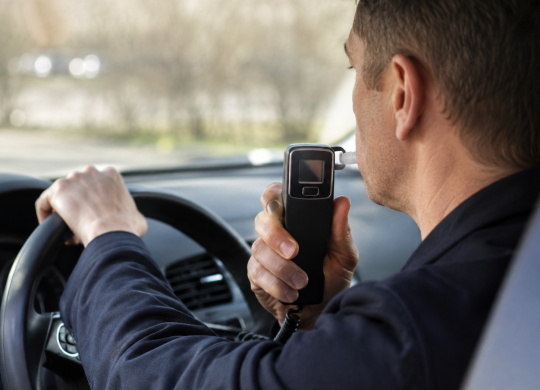
The EU continues to strengthen road safety measures. One of the new tools in the fight against drunk driving is the alcolock system, which prevents a vehicle from starting after alcohol consumption. Learn more about how this technology works, in which countries it is already in use, and what changes drivers can expect in the coming years

Drunk driving remains one of the leading causes of fatal accidents in Europe. Despite years of stricter penalties, public awareness campaigns, and rigorous roadside checks, thousands of people die every year because of drivers who get behind the wheel after drinking alcohol.
That is why the European Union is relying not only on penalties but also on technology. One such solution is the alcolock system—a special breathalyzer integrated into the vehicle. If the device detects a blood alcohol level above the legal limit, the engine simply won’t start. Starting in 2026, all new cars manufactured for the EU market must be technically equipped to install such systems, and some countries are already making them mandatory for certain categories of drivers.
Are you planning a trip to Europe by car?
In many countries, highways are tolled and require an electronic road vignette. This is a digital permit that confirms payment for the use of toll roads and is checked automatically by the license plate number - without stickers and paper receipts. Making a vignette online before you travel will help you avoid fines, travel delays, and unpleasant situations during inspections.

What is an alcolock and how does the system work?
An alcolock is a special device that combines the functions of a breathalyzer and an ignition lock. Its main purpose is to prevent the vehicle from starting if the driver is under the influence of alcohol.
The operating principle is quite simple. Before starting the engine, the driver must exhale into a special mouthpiece. The system analyzes the alcohol concentration and determines within a few seconds whether the reading meets the established standards. If the alcohol level exceeds the permissible limit, the car will not start.
Modern ignition interlocks have additional anti-tampering mechanisms. For example, some systems may require a retest during the trip or use cameras to verify the identity of the person taking the test. This helps prevent situations where someone other than the driver blows into the device.
The technology is not new. It has been used for many years in public transportation, school buses, freight transport, and corporate fleets in various countries around the world. However, the European Union is now taking another step toward its wider adoption among ordinary drivers.
According to new EU requirements, all new cars must be factory-prepared for the quick installation of an alcolock system. This does not mean that every car will come with an alcolock installed from the factory, but manufacturers must ensure the technical capability to integrate it without requiring complex vehicle modifications.
In our previous article, we discussed thebest countries in the world for road trips in 2026.
Why has the EU decided to tighten controls on drunk drivers?
Alcohol remains one of the most dangerous risk factors on Europe’s roads. Even a small amount of alcohol slows reaction times, impairs concentration, and reduces the ability to assess traffic conditions. That is why combating drunk driving is one of the key priorities of European transport policy.
According to the European Commission, approximately 19,800 people died on EU roads in 2025. Although this figure has been gradually declining over the past decades, the pace of improvement remains insufficient to achieve the EU’s ambitious goal of reducing road deaths by 50% by 2030.
Road safety experts note that alcohol remains the cause of a significant portion of fatal accidents. According to estimates by various European organizations, such accidents account for 25% to 30% of all fatal crashes, and in some countries, this figure is even higher. That is why the EU is increasingly adopting an approach where technology helps prevent violations before a trip even begins.
Key reasons for implementing alcolock:
- Reducing the number of fatal accidents
- Preventing repeat instances of drunk driving
- Improving the safety of passengers and pedestrians
- Reducing government costs associated with addressing the consequences of traffic accidents
- Achieving the goals of the EU program to improve road safety
In fact, European regulators are striving to shift from a model of punishment after a violation to a model of prevention. If a driver is physically unable to start the car after consuming alcohol, the risk of an accident is significantly reduced even before the vehicle enters the road.
In our previous article, we discussed the most common reasons tourists are fined on European roads in 2026.
What new requirements will come into effect for cars?
The EU does not require the installation of an alcolock in every new car. However, all new models entering the European market must be factory-prepared for the quick installation of such a system.
Simply put, the manufacturer must ensure the technical capability to install an alcolock without major modifications to the vehicle’s design.
This will allow EU countries to quickly implement such devices for specific categories of drivers. For example:
- Individuals who have already been caught driving under the influence
- Professional drivers
- Public transportation drivers
- Owners of corporate fleets
In this way, the European Union is creating the technical foundation for broader use of alcolocks in the future, without forcing all drivers to install such systems today.
We previously reported that Europe is introducing mandatory driver surveillance cameras.
In which countries are alcolocks already becoming mandatory?
Although at the EU level the discussion is currently limited to the technical preparation of vehicles for alcolock installation, some countries have already begun actively using such systems in practice.
Italy
Italy has become one of the first countries in Europe to introduce mandatory use of alcolocks for drivers previously caught driving under the influence.
Once the new rules take effect, offenders may be required to install an alcolock at their own expense. Without passing an alcohol test, the vehicle simply will not start. This approach is designed to reduce the number of repeat offenses.
Spain
In Spain, the initiative is actively supported by the General Directorate of Traffic (DGT). Local authorities view alcohol interlocks as one of the most effective ways to combat drunk driving.
Today, such systems are already in use in certain segments of the transportation industry, and experts do not rule out their wider application in the future.
Learn more about the most popular car brands in different countries around the world by following the link.
Other European Countries
Alcolock technology is also being used or tested in a number of other European countries. Among them: Sweden, Finland, France, Belgium, the Netherlands.
In most cases, alcohol interlocks are installed on school buses, commercial vehicles, or the cars of drivers who have already been penalized for driving under the influence. It is this experience that other EU countries are currently studying before potentially expanding the use of the technology.
Are you traveling abroad with your own car or a rented car?
Before traveling, it is important to check whether a road vignette is required for toll roads in the countries of your route. Failure to have a valid vignette can result in fines and automatic camera recordings of violations. Getting an electronic vignette from Visit World is an easy way to travel more relaxed, without unnecessary expenses and surprises on the road!
We remind you! Traveling through Europe in 2026 does not have to be expensive, even despite the general rise in prices. Analysts have compiled a rating of the most affordable destinations where you can combine relaxation, experiences, and moderate expenses. Follow the link to learn about budget locations in Europe that are worth considering for your 2026 vacation.
Products from Visit World for a comfortable trip:
Travel guide for 200 countries;
Legal advice from a local specialist on visa and migration issues;
Travel insurance around the world (please select the country of interest and citizenship to receive services);
Medical insurance all over the world.
We monitor the accuracy and relevance of our information, so if you notice any errors or inconsistencies, please contact our hotline.
Recommended articles
2 min
Transport
Ile kosztuje transport publiczny w europejskich stolicach: porównanie cen
Koszt transportu publicznego w Europie nadal rośnie, ale różnica między stolicami pozostaje znacząca. Podczas gdy miesięczny bilet w Bukareszcie czy Budapeszcie kosztuje mniej niż 20–25 euro, wydatki na transport w Londynie mogą przekroczyć 250 euro miesięcznie. Ceny zależą nie tylko od poziomu dochodów, ale także od systemu transportowego, dotacji i popularności miasta wśród turystów. Dowiedz się więcej o tym, ile kosztuje transport publiczny w różnych europejskich stolicach i gdzie pozostaje najtańszy
21 maj. 2026
More details2 min
Transport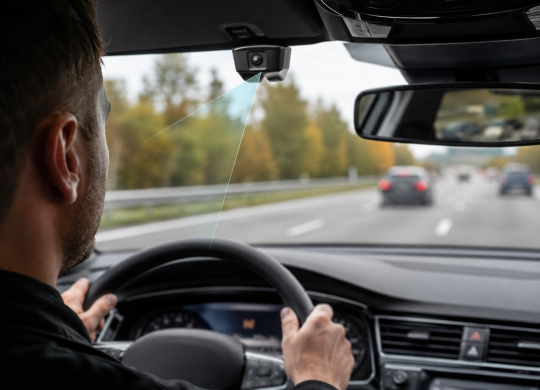
Europe is introducing mandatory driver-monitoring cameras: new rules for cars
The European Union is preparing new, stricter regulations for cars: starting in July 2026, all new vehicles will be required to have driver attention monitoring systems. Cameras and sensors will track eye movement, fatigue, and distractions while driving, and the car will issue warnings in case of danger. Learn more about how the new technologies will work and who will be affected by the changes
22 maj. 2026
More details2 min
Transport
Jakie są najczęstsze powody, dla których turyści są karani na europejskich drogach w 2026 roku?
Podróż samochodem po Europie może kosztować znacznie więcej, jeśli nie znasz lokalnych przepisów ruchu drogowego. W niektórych krajach nawet drobne przekroczenie prędkości, korzystanie z telefonu komórkowego podczas jazdy czy nielegalne parkowanie mogą kosztować setki euro. Dowiedz się więcej o tym, w których europejskich krajach są najsurowsze kary za wykroczenia drogowe i które zasady turyści łamią najczęściej
01 cze. 2026
More details3 min
Transport
Najlepsze kraje na świecie na podróże samochodowe w 2026 roku: Nowy ranking Zutobi
Eksperci Zutobi opublikowali ranking najlepszych krajów na świecie do podróży samochodowych w 2026 roku. Badanie uwzględniało jakość dróg, bezpieczeństwo, koszty paliwa, korki oraz komfort dla kierowców. Dowiedz się więcej o krajach, które zostały uznane za najlepsze destynacje na podróże samochodowe w tym roku
28 maj. 2026
More detailsAll materials and articles are owned by VisitWorld.Today and are protected by international intellectual property regulations. When using materials, approval from VisitWorld.Today is required.