

What are the most common reasons tourists are fined on European roads in 2026?
Table of contents
- In which European countries are fines for drivers the strictest?
- Drinking and driving: where you can lose more than just money
- Speeding: Which Countries Have the Highest Fines
- Parking and Eco-Zones: Fines Tourists Often Don’t Know About
- Cell Phones, Seat Belts, and Other Costly Violations
- Can fines arrive after returning home?
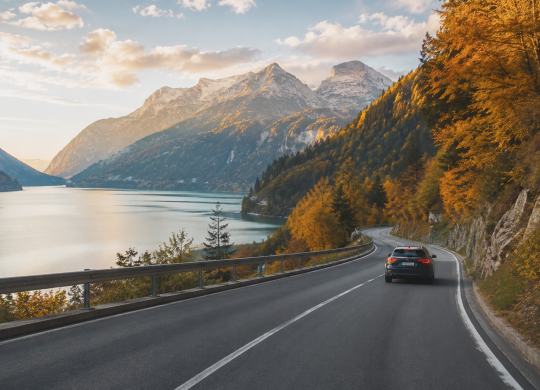
A road trip through Europe can end up costing a lot more if you’re not familiar with local traffic laws. In some countries, even a minor speeding violation, using a cell phone while driving, or parking illegally can cost hundreds of euros. Find out more about which European countries have the strictest traffic fines and which rules tourists break most often

European countries are cracking down harder and harder on traffic violations. Automatic enforcement cameras, environmental zones, hefty fines for drunk driving, and strict parking regulations have become common practice not only in Western but also in Central Europe. This is especially true for tourists driving rental cars or vehicles with foreign license plates.
In many countries, fines may arrive several months after the trip, and failure to pay can result in increased fines, legal action, or problems upon your next entry into the country. Therefore, before traveling, it’s worth checking not only your routes and toll stickers but also local rules, which can differ significantly from what you’re used to.
When planning a trip by car, you should take care not only of the route and accommodation, but also of financial protection on the way. Green Card is an international car insurance that is valid in many countries and helps to avoid significant costs in the event of road incidents. By applying for a policy online through Visit World, you can save time and go on a trip with a greater sense of confidence and peace of mind.

In which European countries are fines for drivers the strictest?
For road trippers, the biggest surprise in Europe is often not fuel prices, but the amount of fines. In some countries, even a minor violation can cost several hundred euros, while serious violations can cost thousands of euros or even result in the vehicle being impounded. Speed limits, drunk driving, cell phone use, and entry into special zones in cities are particularly strictly enforced.
The strictest fines for drivers are currently in place in Northern and Western European countries:
1. Norway – one of the most expensive countries for violators. Speeding by 20 km/h can cost €700–750, and serious violations may result in a temporary license suspension.
2. Switzerland – fines here depend not only on the violation but also on the driver’s income. For significant speeding, fines can reach thousands of euros.
3. Finland – the “daily fine” system also takes income into account. There have been cases where wealthy drivers paid tens of thousands of euros for speeding.
4. Italy – strict penalties apply for drunk driving, using a phone while driving, and violations in historic city centers. For some offenses, fines automatically increase at night.
5. France – actively uses automatic enforcement cameras. Fines often reach tourists only after they return home.
6. Spain – high fines for seatbelt violations, using a phone while driving, and illegal parking, especially in tourist cities.
So-called eco-zones and restricted traffic zones have become a separate problem for tourists. In many cities in Italy, France, Germany, or Belgium, entry without a special permit or an eco-sticker is automatically recorded by cameras. Often, drivers don’t even notice the violation and receive the fine several months later.
We previously reported that Europe is introducing mandatory driver surveillance cameras.
Drinking and driving: where you can lose more than just money
Damage caused by alcohol is punished more severely in Europe. In many countries, the level of alcohol that is considered “acceptable” does not guarantee a fine if the police flag an unsafe drinking style. For tourists, it is especially important to know that punishment often includes not only a fine, but also the immediate loss of rights, prohibition of travel, or criminal charges.
In Italy, if the alcohol level exceeds 1.5 ppm, a car can be confiscated if it contains water. In addition, heavy fines have been transferred and rights have been reduced. At night, the amount of fines often increases by about a third.
In Spain, for drinking more than 1.2 ppm of alcohol, there is no administrative or criminal punishment, including penalties. However, for lower indicators, fines start at approximately €500.
The Czech Republic, the Ugric region and the Slovak region have almost zero tolerance to alcohol beyond kerm. There, problems can go away after just one meal of wine or beer. The police are especially active in checking the waters during the tourist season and on the routes of popular resorts.
In Scandinavian countries, fines for alcohol are also among the highest in Europe. In Norway and Sweden, the sum often lies behind the income of the water, and for serious violations you may not lose your rights, but also short-term penalties.
Please remember that in Europe the police have the right to carry out random water checks for no apparent reason. It is especially popular during holy hours, festivals and major tourist events.
Learn more about the most popular car brands in different countries around the world by following the link.
Speeding: Which Countries Have the Highest Fines
In various European countries, even a minor speeding violation can cost hundreds of euros. Enforcement is particularly strict in Scandinavia, Switzerland, and Western Europe, where automated speed cameras are widely used.
1. Norway – one of the strictest countries for drivers: exceeding the speed limit by 20 km/h will cost approximately €700–750, and by 50 km/h – starting at €1,300. Serious violations may result in a license suspension.
2. Switzerland – fines may depend on the driver’s income. For severe speeding violations, amounts can sometimes reach thousands or even tens of thousands of euros.
3. Finland – a “daily fine” system is in place. The higher the driver’s income, the higher the fine. There have been cases of fines exceeding €10,000.
4. Sweden – fines for speeding often start at around €200–250, even for minor violations.
5. France – a country with a large number of speed cameras. Fines are usually sent to the car owner after the trip. A license may be revoked for significant speeding.
6. Austria – highways and mountain roads are monitored particularly strictly. For serious speeding violations, the vehicle may even be temporarily impounded.
7. Italy – fines at night are often about 30% higher. Many roads use average speed monitoring systems between two points.
8. Netherlands – high fines even for minor speeding. Speed cameras are in operation practically throughout the country.
It’s also worth noting that in Europe, speed limits can change abruptly near tunnels, construction zones, schools, or due to weather conditions. It is precisely in these areas that tourists most often receive fines.
In the previous article, we talked about the TOP-10 tourist destinations according to Time Out, which are definitely worth visiting in 2026.
Parking and Eco-Zones: Fines Tourists Often Don’t Know About
It is precisely fines for parking and entering special zones that often become the most unpleasant surprise for tourists. In many European cities, cameras automatically record violations, and a notice of a fine may arrive only after you return home.
1. Italy – one of the most problematic countries for car tourists due to ZTL zones (Zona Traffico Limitato). These are restricted zones in historic city centers that cannot be entered without a special permit. Tourists often receive fines in Rome, Florence, Milan, and Bologna even several months after their trip.
2. Spain – Illegal parking can cost up to €200, especially in large cities and tourist areas. In some cities, cars can be towed almost immediately.
3. France – Crit’Air environmental zones are in effect in many cities. Without a special environmental sticker, drivers risk getting a fine even for a brief entry into the city.
4. Germany – Umweltplakette environmental stickers are mandatory for entry into many city centers. Violations are recorded by cameras and the police.
5. Hungary – Fines for illegal parking can reach approximately €300–400, especially in the center of Budapest.
6. Netherlands – In major cities, parking is among the most expensive in Europe, and enforcement is very strict. Fines are often issued even for a few minutes of overdue payment.
Tourists should keep a few simple rules in mind:
- Take a photo of your parking ticket;
- Keep your payment receipt;
- Check for low-emission zones before your trip;
- Read local traffic signs carefully, even if a parking spot looks permitted.
You can learn more about the TOP 10 little-known destinations for crowd-free travel in 2026 here.
Cell Phones, Seat Belts, and Other Costly Violations
In many European countries, the police are particularly strict about fining drivers for violations that are often considered “minor.” Cameras and patrols monitor cell phone use, seat belts, child seats, and even certain car gadgets.
1. France – using a phone while driving costs approximately €135. If the driver has simultaneously violated another rule, the police may temporarily suspend their license.
2. Italy – the fine for using a phone while driving starts at approximately €250, and a repeat offense may result in a temporary license suspension.
3. Spain – the fine for using a phone while driving is approximately €200. The use of headphones while driving is also strictly enforced.
4. Greece – the fine for not wearing a seatbelt can reach approximately €350.
5. Spain – The fine for not wearing a seatbelt is also approximately €200, and each passenger not wearing a seatbelt may be fined separately.
6. Germany – The transport of children is strictly enforced. Separate fines are imposed for the absence of a child safety seat or the improper transport of a child.
In many countries, the police also pay attention to:
- Eating or drinking while driving;
- Watching videos while driving;
- Using a smartphone even at a traffic light;
- Improper transport of animals in a vehicle.
It is precisely these violations that tourists often underestimate, although fines for them in Europe can be higher than for a minor speeding offense.
In the article at the link, we have provided useful tips to help you save money while traveling in Europe in 2026.
Can fines arrive after returning home?
Many tourists mistakenly believe that fines from another country can simply be ignored. In reality, a system for exchanging data between countries has long been in place in Europe, and car rental companies forward information about drivers to local police. That is why notices of violations often arrive several weeks or even months after the trip.
Most often, tourists receive fines for speeding, unpaid parking, entering environmental zones, or driving on toll roads without paying. Most of these violations are recorded by automatic cameras without the police stopping the vehicle.
If the car was rented, the rental company usually not only shares the driver’s information but may also automatically charge an additional administrative fee to the credit card. Sometimes a tourist only finds out about the fine after the rental refund has been processed.
In many countries, discounts are available for prompt payment, so it’s not worth delaying payment of the fine. Ignoring it can lead to an increase in the amount owed, the case being handed over to collection agencies, or problems during your next trip to Europe.
Tourists are advised to keep all receipts, parking payment confirmations, and toll road receipts for at least several years after the trip. It’s also helpful to take photos of parking meters, parking tickets, and the parking spot—in case of an error or dispute, this can help prove payment of the fine or parking fee.
Traveling by car through several countries requires not only good route planning, but also thoughtful insurance preparation. Having a Green Card reduces financial risks in case of road incidents and simplifies interaction with insurance services abroad. Through Visit World, you can quickly apply for a policy online and focus on your trip, not on the bureaucratic nuances on the road.
We remind you! Every year, tourism experts choose places that deserve the title of modern “wonders of the world” not for their big names, but for their real experiences, unique nature, and cultural value. The 2026 list includes little-known national parks, ancient cities, and remote islands where tourism has not yet spoiled the atmosphere. Read more about the seven destinations you should add to your travel plans now.
Products from Visit World for a comfortable trip:
Travel guide for 200 countries;
Legal advice from a local specialist on visa and migration issues;
Travel insurance around the world (please select the country of interest and citizenship to receive services);
Medical insurance all over the world.
We monitor the accuracy and relevance of our information, so if you notice any errors or inconsistencies, please contact our hotline
Frequantly
asked questions
Can a tourist receive a traffic ticket after returning home?
Which countries have the highest speeding fines?
Can a car really be impounded in Europe?
What do tourists most often get fines for?
Should you ignore fines from Europe?
Recommended articles
3 min
Air travel
11 Mistakes on a Plane That Can Ruin a Long Flight: Tips from a Former Flight Attendant
Long-haul flights often put a serious strain on the body due to dry air, fatigue, and jet lag. At the same time, many passengers make their situation worse by committing common mistakes during the flight. Learn more about 11 habits that can ruin a long-haul flight, as well as tips from former flight attendant Tiffany Hawk for a more comfortable journey
24 May. 2026
More details2 min
Transport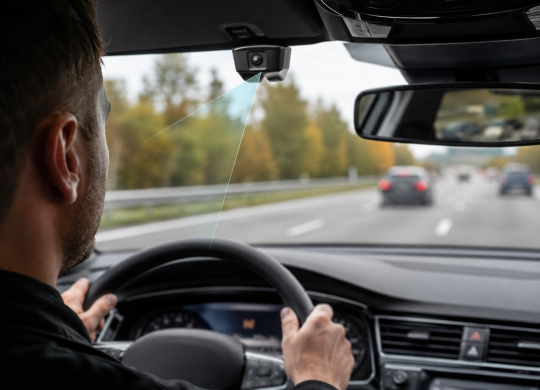
Europe is introducing mandatory driver-monitoring cameras: new rules for cars
The European Union is preparing new, stricter regulations for cars: starting in July 2026, all new vehicles will be required to have driver attention monitoring systems. Cameras and sensors will track eye movement, fatigue, and distractions while driving, and the car will issue warnings in case of danger. Learn more about how the new technologies will work and who will be affected by the changes
22 May. 2026
More details2 min
Popular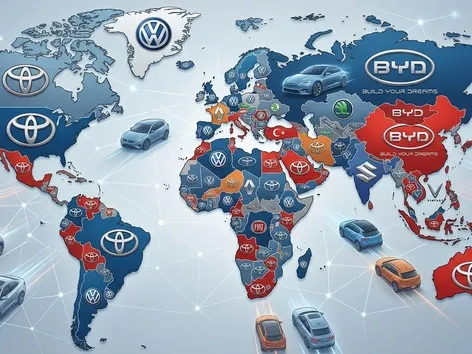
Top Car Brand by Country: Ranking of 61 Nations
The automotive market in different countries is about different leaders, different logics and different priorities of buyers. Find out which car brand is the most popular in 61 countries of the world according to 2025 data: from the unchanging dominance of Toyota and regional loyalty to Volkswagen in Europe - to the rise of China's BYD and domestic champions in Asia and Africa
25 May. 2026
More details1 min
Air travel
World's Busiest Airport to Close in 2035: Everything About
Dubai International Airport (DXB) – the world’s busiest – will officially close in 2035. Find out why the legendary hub is closing, what will replace it and how this event will change global aviation
26 May. 2026
More detailsAll materials and articles are owned by VisitWorld.Today and are protected by international intellectual property regulations. When using materials, approval from VisitWorld.Today is required.