

11 Mistakes on a Plane That Can Ruin a Long Flight: Tips from a Former Flight Attendant
Table of contents
- 1. Walking barefoot in the cabin
- 2. Don’t forget to check your neck pillow before departure
- 3. Taking sleeping pills unnecessarily
- 4. Watching TV shows nonstop for the entire flight
- 5. Not drinking enough water during the flight
- 6. Flying in uncomfortable clothing
- 7. Don’t charge your gadgets before boarding
- 8. Relying entirely on the in-flight entertainment system
- 9. Drinking a lot of alcohol on the plane
- 10. Don’t forget to pack small comfort items
- 11. Drinking carbonated beverages during the flight
- How to make a long flight easier: quick tips for travelers
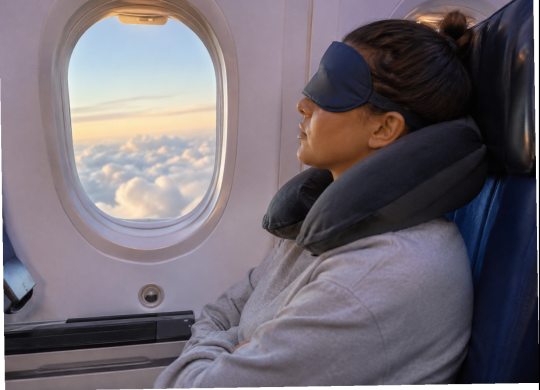
Long-haul flights often put a serious strain on the body due to dry air, fatigue, and jet lag. At the same time, many passengers make their situation worse by committing common mistakes during the flight. Learn more about 11 habits that can ruin a long-haul flight, as well as tips from former flight attendant Tiffany Hawk for a more comfortable journey

Long-haul flights put a much greater strain on the body than short flights. At an altitude of about 10,000–12,000 meters, humidity in the cabin can drop below 20%, which often leads to dehydration, dry skin, fatigue, and headaches. The situation is further complicated by time zone changes, lack of movement, and disrupted sleep patterns.
Former flight attendant Tiffany Hawk, in her article for Business Insider, listed 11 mistakes passengers most often make during long-haul flights. Some of them seem like minor details, but they are precisely what can make a multi-hour flight significantly less comfortable and exacerbate jet lag upon arrival.
In our previous article, we discussed how to choose safe accommodation, avoid mistakes, and book a hotel without unnecessary expenses.
Planning a trip abroad and want to protect yourself from unforeseen situations?
Travel insurance from Visit World will cover medical expenses, flight delays, and lost luggage in any country. Get a policy online in a few minutes and travel with confidence!

1. Walking barefoot in the cabin
Many passengers take off their shoes during long flights to feel more comfortable. However, former flight attendant Tiffany Hawk warns that walking barefoot in the cabin is one of the worst habits during a flight.
The floors and carpeting on airplanes are not thoroughly cleaned after every flight. This is especially true for areas near the restrooms, where various liquids often end up on the floor due to turbulence. According to the flight attendant, it might not be water at all.
In addition to hygiene concerns, there is another risk—turbulence. During sudden movements of the plane, a passenger without shoes can easily slip or get injured. That is why, for long flights, it is better to choose comfortable closed-toe shoes or bring lightweight slippers or clean socks with non-slip soles.
Experienced travelers also advise:
- Do not walk barefoot to the restroom, even on overnight flights;
- Bring a change of socks for flights longer than 8–10 hours;
- Avoid tight shoes, as feet can swell during the flight due to pressure changes.
Learn more about the Top 10 Best Airlines in the World by following the link.
2. Don’t forget to check your neck pillow before departure
A neck pillow may seem like a minor detail, but on flights lasting 10–15 hours, it often determines whether a passenger can sleep comfortably. Tiffany Hawk advises against buying a travel pillow at the last minute and recommends testing it at home before your trip.
Many popular models turn out to be uncomfortable during the flight: some don’t support the head, others press on the neck, or take up too much space. This is especially noticeable in economy class, where seats have limited space and it’s difficult for passengers to find a comfortable sleeping position.
For long-haul flights, travelers most often choose:
- Memory foam pillows;
- Models with additional chin support;
- Compact inflatable options for carry-on luggage.
It’s also worth checking whether the pillow causes discomfort after 20–30 minutes of use. If your neck starts to ache even at home, the situation will only get worse on the plane.
3. Taking sleeping pills unnecessarily
Some passengers take sleeping pills before long flights to “sleep through the entire flight.” However, a former flight attendant warns that strong medications can be dangerous during air travel.
According to Tiffany Hawk, in the event of an emergency, a passenger must wake up quickly, orient themselves, and follow the crew’s instructions. Sleeping pills can slow reaction times, cause disorientation, or severe drowsiness even after waking up.
Additionally, when combined with alcohol or dehydration, some medications can exacerbate dizziness, nausea, fatigue, and blood pressure issues. That is why experts advise against experimenting with new medications unnecessarily, especially before long-haul flights.
To fall asleep more easily on a plane without strong sleeping pills, travelers usually use simpler and safer methods:
- A sleep mask and earplugs;
- Avoiding caffeine before the flight;
- A light dinner before the flight;
- Adjusting your sleep schedule to the time zone of your destination.
In our previous article, we reported that the European Commission has banned airlines from charging passengers additional fees after ticket purchase, even amid the fuel crisis.
4. Watching TV shows nonstop for the entire flight
On long flights, many passengers try to “kill time” with TV shows, movies, or video games. However, Tiffany Hawk warns that constant screen use during the flight can only increase fatigue and make it harder to adjust to the new time zone.
The bright light from screens suppresses the production of melatonin—the hormone responsible for sleep. Because of this, it’s harder for the body to switch to rest mode, especially during night flights. As a result, upon arrival, passengers are more likely to experience jet lag, insomnia, and headaches.
Experienced travelers recommend alternating between different types of rest during the flight:
- Watching a movie or TV show;
- Sleeping or at least taking a short rest with your eyes closed;
- Reading a book;
- Light stretching and walking around the cabin.
It is especially important to limit screen time 1–2 hours before your planned sleep on the plane—this will help your body relax more quickly.
5. Not drinking enough water during the flight
Due to the dry air in the cabin, the body loses moisture much faster than on the ground. That is why dehydration is one of the most common problems during long-haul flights.
Many passengers deliberately drink less water to avoid having to get up to use the restroom. However, this habit can exacerbate fatigue, headaches, dry skin, and jet lag symptoms after arrival.
People who drink coffee or alcohol during the flight are particularly prone to dehydration.
According to Tiffany Hawk, passengers shouldn’t be shy about asking flight attendants for water even between main beverage service rounds. She also advises bringing an empty bottle and filling it after passing through security.
To make a long flight more bearable, travelers usually:
- Drink water in small sips throughout the flight;
- Limit alcohol and excessive caffeine;
- Use moisturizing cream and lip balm;
- Try not to wait until they feel very thirsty.
In our previous article, we reported that European airlines are slashing ticket prices en masse.
6. Flying in uncomfortable clothing
The temperature in the aircraft cabin can fluctuate several times even during a single flight. Some passengers feel cold, while others feel too hot, so there is no universal “ideal” climate on board.
That is why Tiffany Hawk recommends choosing layered clothing for long-haul flights. This allows you to quickly adapt to the cabin temperature without discomfort. Tight jeans, heavy clothing, or shoes that squeeze your feet can be particularly uncomfortable during long flights.
Due to prolonged sitting and pressure changes, legs often swell during the flight. Additionally, blood circulation worsens on the plane, so comfortable clothing becomes not just a matter of convenience but also of well-being.
For long-haul flights, travelers most often choose:
- Loose-fitting clothing made of soft fabrics;
- Lightweight sweaters or hoodies that can be taken off;
- Sneakers or other comfortable footwear;
- Compression socks for flights longer than 8–10 hours.
7. Don’t charge your gadgets before boarding
Even in 2026, not all planes have working power outlets or USB ports, especially when it comes to budget airlines. That’s why a former flight attendant advises charging all gadgets as much as possible before boarding the flight.
During long flights, a smartphone or tablet often becomes the main source of entertainment, navigation, and communication upon arrival. If the device runs out of battery while still in the air, a passenger may be left without tickets, reservations, maps, or the ability to call for transportation at the airport.
The situation is further complicated by new rules from many airlines regarding power banks. Some carriers are tightening restrictions due to the risk of lithium batteries catching fire, so relying solely on an external battery is becoming increasingly risky.
Before a long-haul flight, travelers are advised to:
- Download movies, TV shows, and music for offline viewing;
- Save e-tickets without internet access;
- Bring wired headphones if Bluetooth drains your device’s battery quickly;
- Carry a charging cable even if the plane has a USB port.
We previously reported that after several months of restrictions and a drop in passenger traffic of more than 65%, Dubai is beginning to resume air service.
8. Relying entirely on the in-flight entertainment system
Many passengers expect to be entertained by movies, TV shows, and music via the built-in seat system during a long flight. However, Tiffany Hawk warns: screens on airplanes don’t always work without issues.
On older planes, the system may freeze, fail to start, or not work at all in certain seats. Sometimes there are also issues with headphones, charging, or the touchscreen itself. For passengers on flights lasting 10–14 hours, this can be a real problem.
Such situations are particularly difficult for travelers who can’t sleep on the plane. That’s why experienced travelers recommend always having your own “Plan B” for the flight.
To keep from getting bored during the flight, passengers often bring along:
- Books or e-readers;
- Podcasts and music downloaded offline;
- A tablet with movies or TV shows;
- Crossword puzzles, games, or reading materials.
9. Drinking a lot of alcohol on the plane
Alcohol affects the body more strongly on a plane than on the ground. The reason is lower oxygen levels in the cabin, dry air, and faster dehydration during the flight. That’s why even a few glasses of wine can cause severe fatigue, dizziness, or feeling unwell after landing.
According to Tiffany Hawk, flight attendants regularly encounter passengers who overestimate their alcohol tolerance at high altitudes. This often leads to conflicts on board, nausea, aggressive behavior, or a significant worsening of jet lag after the flight.
Additionally, alcohol combined with dehydration exacerbates:
- Headaches;
- Fatigue;
- Swelling;
- Sleep problems upon arrival.
Experts advise against completely abstaining from alcohol if a passenger wishes to have a glass of wine or beer during the flight. However, the main rule for long-haul flights is moderation and drinking enough water throughout the entire trip.
Learn more about the world’s top 10 airports with the best restaurants and food courts by following the link.
10. Don’t forget to pack small comfort items
During a long flight, even small items can significantly affect a passenger’s comfort. That is why Tiffany Hawk advises thinking in advance about what to pack in your carry-on for sleep, hygiene, and skin care.
Due to low humidity in the cabin, skin and lips dry out quickly, and engine noise and cabin lighting often prevent passengers from resting properly. This is especially noticeable on overnight flights lasting more than 8–10 hours.
The former flight attendant notes that after a long flight, passengers often appreciate the simple little things the most—the chance to freshen up, brush their teeth, or get a few hours of uninterrupted sleep.
For a comfortable long-haul flight, travelers most often bring along:
- A sleep mask and earplugs;
- Moisturizing cream and lip balm;
- Noise-canceling headphones;
- A travel toothbrush and toothpaste;
- Chewing gum or breath mints.
11. Drinking carbonated beverages during the flight
Carbonated beverages seem like a safe choice on a plane, but at high altitudes they can cause significant discomfort. Tiffany Hawk explains that due to reduced atmospheric pressure, gases in the body expand much more than they do on the ground.
That is why, during long-haul flights, many passengers experience bloating, heaviness, or stomach pain. This is especially noticeable after consuming carbonated drinks, beer, fast food, or large amounts of salty food before the flight.
A former flight attendant even compares this effect to a bag of chips, which literally “puffs up” on the plane due to pressure changes. The same thing happens with gases in the human body.
To make a long flight easier to endure, experts advise:
- Limit carbonated drinks before and during the flight;
- Drink plain water or non-carbonated beverages;
- Don’t overeat before boarding;
- Avoid large amounts of alcohol and salty snacks.
In our previous article, we reported that European airlines are canceling flights en masse due to a fuel shortage.
How to make a long flight easier: quick tips for travelers
Even a well-prepared long-haul flight can be exhausting, especially if the flight lasts more than 10 hours or crosses several time zones. However, a few simple habits can significantly reduce fatigue, swelling, and jet lag symptoms upon arrival.
Experienced travelers and flight attendants recommend:
- Getting up and moving around the cabin at least once every 1–2 hours;
- Not overeating before the flight or during the flight;
- Trying to sleep according to the schedule of the destination country;
- Wearing compression socks on long flights;
- Avoid overindulging in coffee and energy drinks;
- Download offline maps, tickets, and reservations in advance.
Travelers should also plan their first day after arrival to be relatively low-key. The body often needs time to adjust to the new climate, time zone, and sleep schedule.
No matter how well thought-out your itinerary is, there is always room for force majeure when traveling. Unexpected medical expenses, transportation delays, or problems with luggage can ruin your plans and budget. Travel insurance helps you avoid unnecessary worries in such situations. You can apply for a travel insurance policy for a specific trip online at Visit World - quickly and without unnecessary bureaucracy!
Take out a policy online at Visit World and enjoy your trip without any unnecessary worries!
We remind you! Popular European tourist destinations are becoming increasingly crowded, so travelers are looking for alternatives without the crowds. In 2026, attention is turning to countries that remain off the beaten path but offer unique experiences, affordable prices, and an authentic atmosphere. Read more about 5 European countries that are rarely visited by tourists.
Products from Visit World for a comfortable trip:
Travel guide for 200 countries;
Legal advice from a local specialist on visa and migration issues;
Travel insurance around the world (please select the country of interest and citizenship to receive services);
Medical insurance all over the world.
We monitor the accuracy and relevance of our information, so if you notice any errors or inconsistencies, please contact our hotline
Frequantly
asked questions
Why does alcohol have a stronger effect on a plane?
How much water should you drink during a long flight?
Why do legs swell during a flight?
What clothing is best suited for long-haul flights?
What should you pack in your carry-on for a comfortable flight?
Recommended articles
3 min
Air travel
The world's busiest airport in 2026: who topped the ranking and why
Global airports are once again operating at full capacity: passenger traffic is growing, and the largest hubs are recording record numbers. The leader of the ranking not only retained its top spot, but also significantly increased traffic compared to previous years. Find out more about the world's busiest airports and who is in the top 10
18 Feb. 2026
More details3 min
Air travel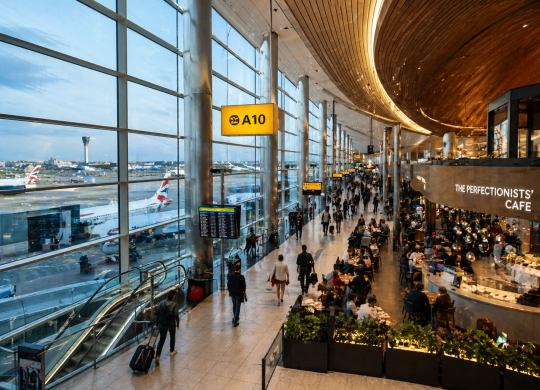
Best airport food in the world: Top 10 airports with the best restaurants and dining options in 2026
Airports are no longer just associated with long lines and rushing around—today, they are full-fledged culinary destinations. The new Skytrax 2026 ranking reveals where the world’s best food can be found, and Europe has firmly established itself among the leaders. Learn more about the top 10 airports with the best restaurants and food courts
29 Apr. 2026
More details2 min
Air travel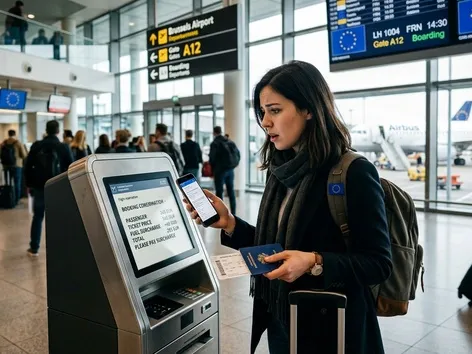
Fuel Surcharge After Ticket Purchase: EU Ruling and Passenger Rights Explained
The European Commission has banned airlines from charging passengers additional fees after ticket purchase — even amid the fuel crisis. Find out why Volotea's practice has been ruled illegal, what rights passengers retain in the event of a flight cancellation, and what has changed for travellers in 2026
12 May. 2026
More details2 min
Air travel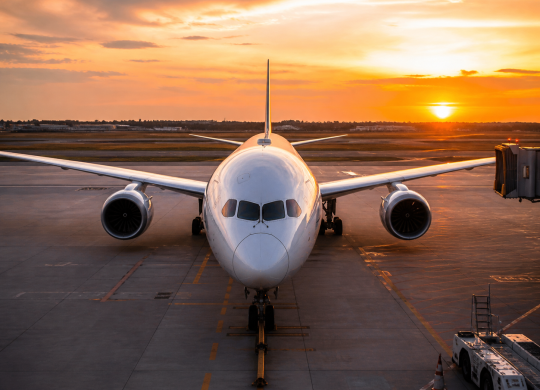
The Top 10 Best Airlines in the World: Who Topped the Rankings in 2026
Skytrax analysts have released a new ranking of the world’s best airlines for 2026, and this time, not a single European carrier made the list. The top spots were taken by airlines from Qatar, Singapore, Japan, the UAE, and Hong Kong, which continue to invest in service, comfort, and a premium experience for passengers. Find out which airlines made it into the TOP 10, why Europe has lost ground, and which carriers travelers are most likely to choose for long-haul flights in 2026
19 May. 2026
More detailsAll materials and articles are owned by VisitWorld.Today and are protected by international intellectual property regulations. When using materials, approval from VisitWorld.Today is required.