

Fuel Surcharge After Ticket Purchase: EU Ruling and Passenger Rights Explained
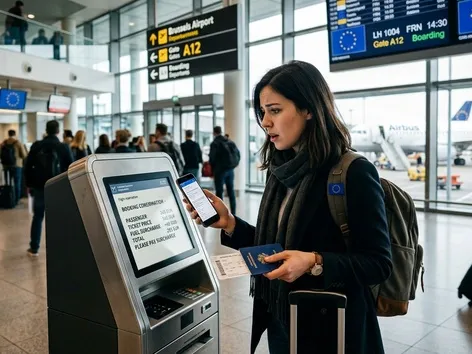
The European Commission has banned airlines from charging passengers additional fees after ticket purchase — even amid the fuel crisis. Find out why Volotea's practice has been ruled illegal, what rights passengers retain in the event of a flight cancellation, and what has changed for travellers in 2026

When you buy an airline ticket, the price you see at the time of payment is the price you pay. That sounds like an obvious rule. But in May 2026, it turned out that not all carriers see it that way – and the European Commission had to make it official.
Travel is becoming increasingly unpredictable – and that's not a metaphor. Fuel crises, flight cancellations, unexpected charges – these are the realities of 2026. Travel insurance is not an unnecessary expense, but a financial safety net that kicks in precisely when something goes wrong. A policy covers not only medical costs abroad, but also flight delays, lost luggage, and early returns home.
Take out insurance before your trip on the Visit World portal – and fly with peace of mind.

How did airlines change ticket prices in the EU?
The trigger for Brussels' firm warning was the practice of Spanish low-cost carrier Volotea, which for several weeks had been adding a fuel surcharge of up to €14 to already-purchased tickets. The company justified this by rising aviation fuel prices and even gave its scheme a bold name – the "Fair Travel Promise." Under its terms, Volotea reviews market fuel prices seven days before departure: if prices have risen, the passenger pays extra; if they have fallen, a refund is issued. The surcharge is mandatory to confirm a passenger's seat on the flight.
The European Commission, however, was unequivocal in its assessment: the practice violates the basic standards of EU air passenger rights.
"Anyone selling airline tickets must always display the final price the passenger will pay. This includes all unavoidable and foreseeable taxes, charges and fees. Adding a fuel surcharge to a ticket after purchase cannot be justified," a Commission spokesperson said on 8 May 2026.
If you're already planning your next flight, it's worth thinking ahead about your seat on board. As we've previously covered, there are 5 seats on a plane you definitely don't want to sit in – and it's quite the science.
The fuel crisis: the main driver of rising ticket prices
The situation is unfolding against the backdrop of serious upheaval in the global oil market. Since February 2026, when the conflict around Iran escalated and the Strait of Hormuz was effectively blockaded, the cost of aviation fuel has more than doubled. The strait carries around a fifth of the world's oil supply, so its closure immediately hit the costs of carriers across Europe.
Why European airlines are cutting ticket prices amid the new fuel crisis – read more at the link.
This prompted major carriers including Lufthansa, British Airways and KLM to cancel flights, declaring them economically unviable. But here too, the EU drew a clear line: cancelling a flight due to high fuel costs does not constitute an extraordinary circumstance that exempts airlines from paying passenger compensation.
"There is a fundamental difference between high aviation fuel prices and an actual shortage of fuel. Airlines must be able to manage price volatility," the Commission spokesperson explained.
The only exception would be a proven local fuel shortage – but that is a force majeure of a different order.
Visit World services for tourists, migrants, and expats: Insurance | Guides | Legal advice
What the EU says: the line between expensive fuel and force majeure
The Commission acknowledged that fuel represents a significant share of airline operating costs. But it also stressed that current prices are "entirely foreseeable" – and therefore cannot justify either retroactive surcharges or the avoidance of passenger compensation. Airlines operate in a volatile market environment and are obliged to manage these risks themselves, not pass them on to the customer after the deal has been made.
Europe suspends biometric border control – what to know about EES system problems in 2026 – read more at the link.
What rights does a passenger have if a flight is cancelled?
The chaos in European skies in 2026 is not just a fuel problem. Flight delays and cancellations in Europe have become a systemic issue since the start of spring – and every traveller risks ending up in a situation where they have to fight for their rights alone.
If your flight is cancelled or changed, you retain the full scope of EU air passenger rights regardless of the reasons the airline cites. These include:
- A full refund of the ticket price or rebooking on an alternative flight
- A voucher for the same amount for future flights – at your choice
- Airport assistance – food, accommodation, communication – if the wait drags on
- Financial compensation of up to €600 for cancellations less than 14 days before departure (unless the airline proves force majeure)
If you find yourself killing time at the airport waiting for a connecting flight, take a look at our guide to the 10 airports in the world with the best restaurants and food courts. Some terminals have become genuine culinary destinations.
Consumers and regulators respond
Spanish consumer rights organisation Facua has already launched an investigation into Volotea, calling the practice unlawful. It also voiced concern that other airlines might follow suit – and Brussels' swift response proved timely.
Volotea has not responded to requests for comment. But the Commission's position is clear: the price fixed at the point of sale is final – and no fuel surcharge can change that rule retroactively.
When an airline cancels a flight or sends an unexpected bill, the law protects the passenger's rights. But the law does not always cover all costs: a hotel in an unfamiliar city, last-minute replacement tickets, a missed excursion or business meeting. This is where travel insurance comes in. A quality policy reimburses costs for flight delays or cancellations, compensates for losses caused by route changes, and handles the organisational burden at a critical moment. In the turbulent year of 2026, when fuel crises and geopolitical shocks have turned air travel into a risk zone, insurance is not a formality – it's a necessity. Don't wait for a crisis: take out a policy before you buy your ticket.
A reminder! Rising sea levels are already reshaping the world map, with dozens of popular tourist destinations at risk. Scientists predict that by 2100, some island nations and coastal cities may become uninhabitable or disappear entirely. Read here about 17 destinations under threat and why experts are warning against "last chance" tourism.
Photo – generated by Gemini
Products from Visit World for a comfortable trip:
Travel guide for 200 countries;
Legal advice from a local specialist on visa and migration issues;
Travel insurance around the world (please select the country of interest and citizenship to receive services);
Medical insurance all over the world.
We monitor the accuracy and relevance of our information, so if you notice any errors or inconsistencies, please contact our hotline
Frequantly
asked questions
Can an airline change the price of a ticket after purchase for any reason – not just fuel?
What counts as "extraordinary circumstances" that exempt an airline from paying compensation?
If the airline is not from the EU, do these rights still apply to me?
Recommended articles
3 min
Travels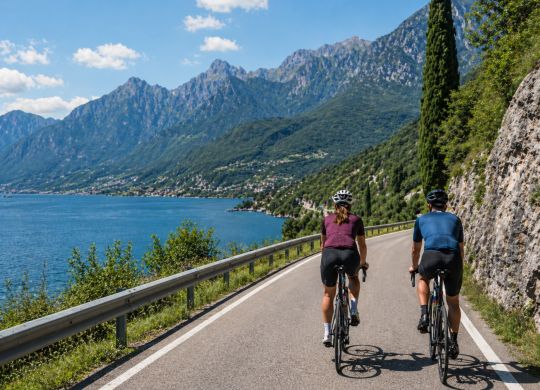
Best Cycling Routes in Europe in 2026: Top Bike Travel Destinations and Cycling Holidays
Europe is actively promoting cycling tourism, focusing on comfortable routes, safe infrastructure, and manageable distances. In 2026, the trend is shifting from challenging athletic trails to traveling at your own pace. Learn more about this year’s best destinations and routes for cycling trips
03 May. 2026
More details2 min
Travels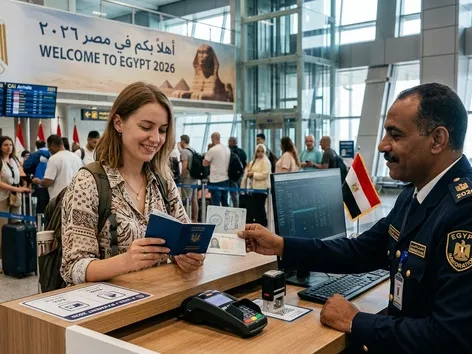
Egypt Visa Fees Increase in 2026: New Prices, Rules and How to Apply for an e-Visa
Egypt has updated the cost of tourist visas in 2026. Learn about the new prices, the difference between e-Visa and visa on arrival, entry rules and how to properly prepare documents before traveling
06 May. 2026
More details3 min
Travels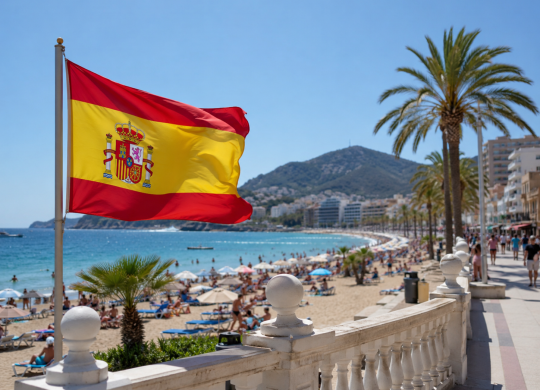
Spain is tightening rules for tourists in 2026: new fines in Mallorca and Ibiza
Spain is tightening rules for tourists at popular resorts due to mass tourism, loud parties, and complaints from local residents. New fines for drinking alcohol in public places, late-night noise, and public order violations are already in effect in Mallorca and Ibiza, and hotels are changing their all-inclusive policies. Learn more about the new restrictions for tourists in Spain in 2026 and what can now result in fines of thousands of euros
07 May. 2026
More details3 min
Travels
The world’s most popular tourist attractions in 2026, according to TripAdvisor
TripAdvisor has released its ranking of the world’s top attractions for 2026, based on millions of traveller reviews. The list includes historical monuments, museums, modern architectural landmarks and natural sites visited by millions of travellers every year. Find out more about the world’s best tourist attractions that are worth seeing at least once in a lifetime
10 May. 2026
More detailsAll materials and articles are owned by VisitWorld.Today and are protected by international intellectual property regulations. When using materials, approval from VisitWorld.Today is required.