

Spain is tightening rules for tourists in 2026: new fines in Mallorca and Ibiza
Table of contents
- Why has Spain started tightening rules for tourists?
- What new restrictions are being introduced in Mallorca and Ibiza?
- New all-inclusive rules in Spanish hotels
- Due to the heatwave in Spain, restaurant terraces may be temporarily closed
- What do tourists need to know before traveling to Spain in 2026?
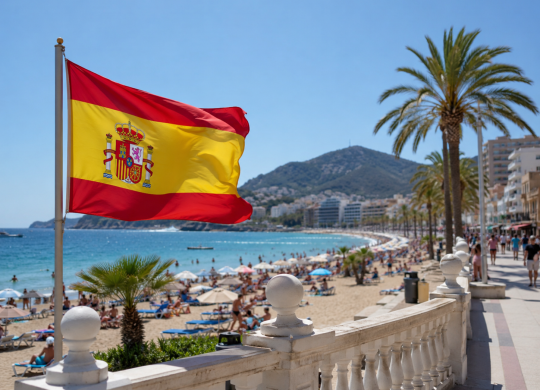
Spain is tightening rules for tourists at popular resorts due to mass tourism, loud parties, and complaints from local residents. New fines for drinking alcohol in public places, late-night noise, and public order violations are already in effect in Mallorca and Ibiza, and hotels are changing their all-inclusive policies. Learn more about the new restrictions for tourists in Spain in 2026 and what can now result in fines of thousands of euros

Spain continues to tighten controls on tourist behavior at the country’s most popular resorts. The new restrictions have hit the Balearic Islands—Mallorca and Ibiza—the hardest, as they have long been the center of Europe’s party tourism scene.
Due to complaints from local residents, an increase in the number of noisy parties, and public order issues, authorities are introducing new fines, bans, and restrictions for tourists. Now, vacationers may face fines of up to 3,000 euros for consuming alcohol in public places or being loud at night, and all-inclusive hotels will operate under new rules.
In the previous article, we talked about the TOP-10 tourist destinations according to Time Out, which are definitely worth visiting in 2026.
Discovering a new country for yourself without the help of travel agents or intermediaries is very simple. All you need is a checklist or a “Travel Guide” from Visit World – a step-by-step guide with all the key information for your trip.
The guide contains information on visa requirements, visa-free entry rules, permitted periods of stay and a list of required documents.
After completing the form, the guide will be sent to your email in PDF format in just a few minutes.
Choose a country and get your travel guide today.

Why has Spain started tightening rules for tourists?
Spain has remained one of the world’s most visited countries for several years in a row. In 2025 alone, the country set a new tourism record—over 90 million foreign tourists. However, along with tourism revenues, problems for local residents have also risen sharply: noise at night, massive parties, alcohol on the streets, infrastructure overload, and rising living costs in popular resort towns.
The greatest dissatisfaction arises in the Balearic Islands—Mallorca and Ibiza—where party tourism has for years been one of the main causes of conflict between tourists and residents. Between 2024 and 2026, mass protests against overtourism took place in various regions of Spain—excessive tourism that, according to residents, degrades the quality of life and turns resort towns into “lawless zones.”
As a result, the country’s authorities decided to focus on more “controlled” and responsible tourism. Particularly strict rules are now in effect in Magaluf, San Antonio, Playa de Palma, and other areas known for their wild parties and large numbers of young tourists.
We previously reported that tourism in Spain in 2025 broke a historic record—96.8 million foreign tourists.
What new restrictions are being introduced in Mallorca and Ibiza?
The most significant changes pertain specifically to tourist behavior in public places. The Balearic Islands authorities have officially tightened controls on alcohol consumption and public order violations.
The following restrictions are now in effect at popular resorts:
1. Consuming alcohol on the streets, beaches, and in other public places is prohibited;
2. Fines can range from 500 to 3,000 euros depending on the violation;
3. Tourists may be fined for loud behavior at night;
4. In some areas, the sale of alcohol is prohibited from 9:30 p.m. to 8:00 a.m.;
5. Large-scale drinking parties in public places are prohibited.
The new rules will be enforced particularly strictly in Magaluf on Majorca and San Antonio on Ibiza—these are among the most popular destinations for youth and nightlife tourism. The new restrictions will remain in effect until at least the end of 2027.
In addition to alcohol, some tourist areas are increasing penalties for graffiti, vandalism, aggressive behavior, and noise violations. Spain is implementing some of these new measures specifically in response to numerous complaints from residents of resort towns demanding restrictions on “chaotic tourism.”
In a previous article, we reported that Valencia is imposing strict restrictions on rental housing.
New all-inclusive rules in Spanish hotels
Spain has also introduced specific restrictions for hotels operating on an all-inclusive basis. The changes have most significantly affected popular resort areas in Mallorca, where authorities are attempting to reduce the amount of so-called “alcohol tourism.”
Under the new rules, in some hotels, tourists may receive no more than six alcoholic drinks per day as part of the all-inclusive package. The limit is usually split between lunch and dinner—three drinks per meal.
Popular promotions in bars and hotels have also been restricted:
- Happy Hour
- 2 drinks for the price of 1
- Unlimited alcohol offers
- Certain pub crawl formats
Hotels are permitted to charge an additional fee if a tourist wishes to order alcohol beyond the established limit. Authorities believe these measures will help reduce the number of incidents related to excessive alcohol consumption.
The new rules have already sparked lively debate among tourists, as Mallorca and Ibiza have long been known for their cheap all-inclusive packages with unlimited alcohol. At the same time, locals support the restrictions, hoping that the resorts will become quieter and more comfortable places to live.
Learn more about the 5 best tourist destinations in Spain to visit in 2026 by following the link.
Due to the heatwave in Spain, restaurant terraces may be temporarily closed
In 2026, Spain is tightening regulations not only for tourists but also for food and beverage establishments. The reason is the record-breaking heatwaves that have regularly swept the country in the summer in recent years. In some regions, daytime temperatures have already exceeded 40–45°C.
The new requirements primarily apply to restaurants, cafes, and bars with outdoor terraces. If Spain’s National Meteorological Agency issues an orange or red heat warning, employees may be prohibited from working outdoors.
However, this does not mean a complete closure of all terraces. Establishments will be able to continue operating if they have:
- Cooling systems;
- Sufficient shade;
- An adapted work schedule;
- Additional breaks for staff.
Authorities emphasize that closing terraces is a last resort, and businesses are advised to adapt to extreme weather conditions in advance. At the same time, establishments may face fines of up to 50,000 euros in the most serious cases for violating the new requirements.
We previously reported that starting in April 2026, Venice once again charges an entrance fee for day-trippers.
What do tourists need to know before traveling to Spain in 2026?
Before traveling to popular Spanish resorts, tourists should carefully check local regulations. Regional authorities are gradually moving toward stricter enforcement of rules for vacationers, and fines for violations can be very high.
To avoid problems during their vacation, tourists are advised to:
- Refrain from consuming alcohol in public places and on beaches;
- Avoid noisy behavior at night;
- Check the hotel’s rules regarding all-inclusive packages;
- Refrain from purchasing alcohol during prohibited nighttime hours;
- Take the intense heat into account when planning walks and excursions.
Tourists traveling during the height of the summer season should be especially careful. Due to extreme temperatures in Spain, weather warnings are issued more frequently, and some establishments may temporarily adjust their operating hours. During the day, authorities and medical professionals advise avoiding prolonged exposure to the sun and always carrying water with you.
Despite the new restrictions, Spain remains one of Europe’s most popular tourist destinations. At the same time, the country’s authorities are increasingly striving to strike a balance between tourist comfort, tourism development, and the quality of life for local residents.
Are you planning a trip and want to prepare without unnecessary stress? Visit World's travel guide contains key tips for travelers: rules of entry and stay, current requirements for tourists, basic safety, transportation and accommodation. Such a guide will help you quickly navigate a new country, avoid common mistakes during your trip, and plan your route taking into account practical nuances that often go unnoticed by tourists.
Products from Visit World for a comfortable trip:
Travel guide for 200 countries;
Legal advice from a local specialist on visa and migration issues;
Travel insurance around the world (please select the country of interest and citizenship to receive services);
Medical insurance all over the world.
We monitor the accuracy and relevance of our information, so if you notice any errors or inconsistencies, please contact our hotline
Frequantly
asked questions
What new rules for tourists are in effect in Spain in 2026?
What fines do tourists face in Mallorca and Ibiza?
How does the all-inclusive system work in Spain now?
Why is Spain tightening rules for tourists?
Can restaurant terraces be closed in Spain due to the heat?
Recommended articles
3 min
Travels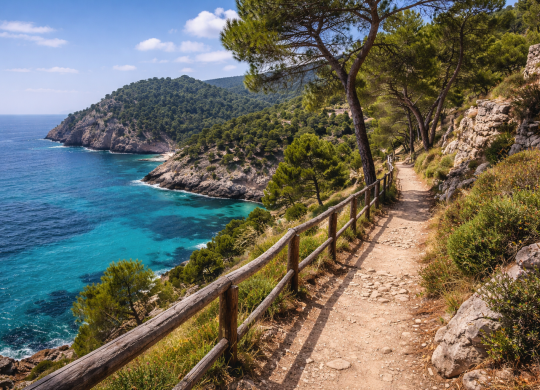
A new hiking route of more than 100 km along the Lloret coast has been opened in Mallorca
The Spanish island of Mallorca has opened a new hiking trail with a length of more than 100 km. The trail runs along the less visited east coast of the island and opens up new natural landscapes, historical monuments, and traditional villages to tourists. Find out more about the new Gran Recorrido del Llevant route and what awaits travelers along the way
10 Mar. 2026
More details3 min
Travels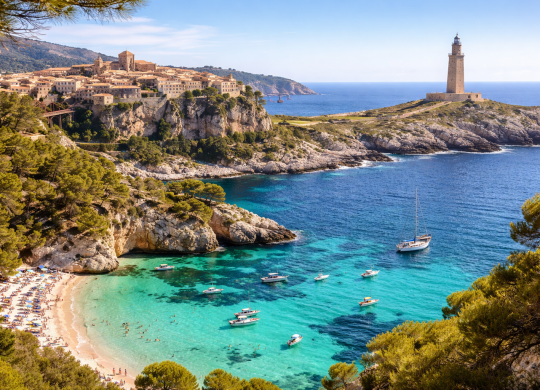
Where to go in Spain: the 5 best places to visit in 2026
Spain isn’t just about popular resorts and big cities. The country is home to dozens of lesser-known destinations that can offer a much more authentic travel experience. Learn more about the 5 best travel destinations in Spain to visit in 2026
27 Mar. 2026
More details2 min
Travels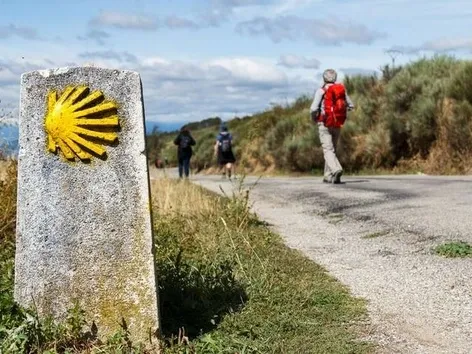
The Way of Santiago: Detailed Guide for Pilgrims 2026 – Routes, Tips and What to Bring
Planning to walk the Camino de Santiago? Learn how to choose a route, where to stay, what to bring, and how to prepare for the pilgrimage. Practical tips for beginners and experienced travelers
28 Mar. 2026
More details3 min
Travels
Spain continues to tighten regulations on tourist accommodations: Valencia is introducing strict restrictions, while Barcelona is preparing to impose a complete ban on short-term rentals. The reasons behind this are a sharp rise in housing prices and discontent among local residents. Learn more about the new regulations and how they will affect tourists and property owners
06 Apr. 2026
More detailsAll materials and articles are owned by VisitWorld.Today and are protected by international intellectual property regulations. When using materials, approval from VisitWorld.Today is required.