

The Way of Santiago: Detailed Guide for Pilgrims 2026 – Routes, Tips and What to Bring
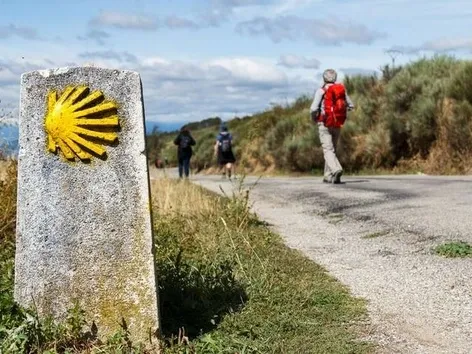
Planning to walk the Camino de Santiago? Learn how to choose a route, where to stay, what to bring, and how to prepare for the pilgrimage. Practical tips for beginners and experienced travelers

Today, the Camino de Santiago is not just a religious route, but a true symbol of inner change, adventure, and self-discovery. Previously, it was mostly followed by believers, but now travelers from all over the world meet here: from seekers of the meaning of life to creative people in search of inspiration.
Planning to follow this legendary route? We tell you everything you need to know before you start.
Planning a trip abroad? Take care of your safety in advance. Travel insurance is your financial support in case of unforeseen situations during your trip.
Apply for insurance online in a few minutes and travel with peace of mind!

What is the Camino de Santiago?
Saint James (Santiago) is one of the 12 apostles of Jesus Christ. According to legend, after his martyrdom, his body was transported to Spain. During the journey, the boat got into a storm and capsized, when it was raised, it was covered with scallop shells, which later became the symbol of the Camino de Santiago.
According to legend, many years later, a mysterious light appeared at the apostle's burial site, coming out of the ground. Pilgrims began to come here, and later a cathedral was built. This is how the city of Santiago de Compostela was born, which became the final point of the route and one of the main centers of Christian pilgrimage.
Over the centuries, famous personalities have walked the path to Santiago de Compostela, including: Charlemagne, Francis of Assisi, John Paul II, Paulo Coelho. By the way, it was after the publication of the book “The Diary of a Magician” by Paulo Coelho that the popularity of the route increased dramatically.

Фото – infinita.cl
Pilgrim's passport and Compostela certificate
Before starting the journey, it is important to understand two documents that are an integral part of the route.
Before starting, travelers receive a special document – a credencial (pilgrim's passport). It collects stamps along the route – in shelters, cafes and churches.
5 unique places in Greece that are worth visiting at least once in your life in this article.
After completing the journey to Santiago de Compostela, you can receive a Compostela certificate if the conditions are met: you have covered at least 100 km on foot or 200 km by bike. This is official confirmation that you have completed the Way, which is certified by the seal of the city's Cathedral.
According to official data, to date, about 150,000 pilgrims aged from six months to one hundred years have completed the Way from start to finish.
Visit World services for tourists, migrants, and expats: Insurance | Guides | Legal advice
Which route to choose to Santiago de Compostela?
More than 15 routes from different countries lead to the city of Santiago de Compostela, where the relics of Saint James rest, popular starting points are:
- Seville – ~1000 km
- Saint-Jean-Pied-de-Port – ~770 km (38 days).
- Madrid – ~676 km (34 days).
- Salamanca – ~500 km (21-23 days).
- León – ~300 km (15 days)
- Porto – ~240 km (11 days)
- Sarria – ~110 km – ideal for beginners (5 days).
The most popular is the French Royal Way (Camino Frances), which is about 800 kilometers long.
The choice of a specific route depends on your time, physical fitness and goals.
A new hiking route of over 100 km along the Levant coast has been opened in Mallorca – more details at the link.
Where to stay overnight on the Camino de Santiago?
Most pilgrims choose albergues (pilgrim shelters) for overnight stays – simple hostels with minimal facilities: shared rooms, bunk beds, kitchen and shower.
Accommodation can be free (for a donation) or €5–15 per night.
However, it is important to adhere to the accommodation conditions – check-in after lunch, check-out – by 22:00-23:00, check-out – by 8:00, so you need to get up early.
There are also hotels and hostels along the route for those who want more comfort.

Фото – https://www.paxinasgalegas.es/catedral-de-santiago-de-compostela-175936em.html
Where to eat during the route?
There are cafes along the route with menu del peregrino - a special menu for pilgrims. Average price: €10-20 for a set lunch or dinner. Often there are inexpensive kitchens or dining rooms at shelters.
7 destinations worth going to without a car in Europe in our previous material.
What to take with you on the Camino de Santiago?
Packing for the Camino de Santiago is always a balance between comfort and minimalism. Many beginners try to take “everything just in case”, but already in the first days they understand: every extra kilogram is felt in the shoulders and legs.
Experienced pilgrims advise to be guided by a simple rule - a backpack should weigh no more than 10-12% of body weight, which will allow you to save strength and avoid overloading.
Documents and basic things
It is worth starting with the most important thing - documents and money. A passport, several copies of it, a bank card and a small amount of cash are the basics that you can’t do without. It is also advisable to take out medical insurance.
Your phone will be your main assistant on the road: navigation, booking accommodation, and keeping in touch with loved ones. Therefore, a charger and power bank are not a luxury, but a necessity. And a small but important tip: keep your equipment and documents in waterproof bags - the weather on the route often changes.
Clothing and shoes: comfort above all
The most important thing when walking the Path is properly selected shoes. The ideal option is trekking shoes that are already “worn in” and do not rub. For the evening or short walks, light, interchangeable shoes will come in handy.
Clothing should be practical and light. It is better to choose things that dry quickly and “breathe” well. A few T-shirts, one warm sweater and a light jacket are quite enough even for a long route. It is also important to have a raincoat - it saves not only from rain, but also from wind.
Instead of taking a lot of sets, most pilgrims simply periodically wash their clothes in shelters - this significantly reduces the weight of the backpack.
Hygiene without unnecessary burden
On the road, you quickly understand: the simpler the better. A small set of basic tools is more than enough. A toothbrush, mini versions of shampoo and soap, deodorant and a towel that dries quickly are the minimum that will ensure comfort.
Many people take wet wipes with them - they become a real salvation on days when there is no opportunity to take a normal shower.
First aid kit: what you really need
Even if you are in good physical shape, the body can react to multi-day exertion unexpectedly. The most common problem is calluses, so you should definitely have a plaster.
Your backpack should also contain basic items: antiseptic, painkillers, sunscreen, and muscle recovery products. If you take any medications regularly, you should have a supply of them with you for the entire route.
Useful little things that change the experience
There are things that don’t seem important until you’re on the road. For example, earplugs – shelters are often noisy, and it can be difficult to sleep without them. A flashlight will come in handy early in the morning or late at night, and a trekking pole will significantly reduce the load on your knees.
Little things like a clothesline or a reusable water bottle also make the trip much more comfortable, although they take up minimal space.
What exactly should you not take?
One of the most common mistakes is overestimating your needs. Books, heavy equipment, “back-up” clothes – all this quickly turns into unnecessary baggage. The path teaches simplicity: most of the things that seem necessary before starting turn out to be unnecessary after just a few days.
The Camino de Santiago is not just a journey, but an experience that changes your thinking, opens up new horizons and helps you better understand yourself. Regardless of whether you are looking for adventure, inner balance or just want to test your strength - this route will be one of the most vivid journeys in your life.
The Camino de Santiago hike is hundreds of kilometers on foot, physical exertion and changing climatic conditions. Even experienced travelers may encounter injuries, overfatigue or other unforeseen situations.
That is why travel insurance is a mandatory element of preparation for the trip. The policy will cover the costs of medical care, hospitalization, transportation and other risks that may arise during the route.
Choose reliable travel insurance before starting and walk the Camino confidently and without unnecessary risks.
Reminder! The European Best Destinations platform has published a new rating of the most interesting tourist destinations in Europe for 2026. The list includes both popular capitals and lesser-known regions with a unique atmosphere. We have already talked about the best destinations for traveling in Europe this year.
Photo – https://www.hfholidays.co.uk/holidays-and-tours/camino-de-santiago
Products from Visit World for a comfortable trip:
Travel guide for 200 countries;
Legal advice from a local specialist on visa and migration issues;
Travel insurance around the world (please select the country of interest and citizenship to receive services);
Medical insurance all over the world.
We monitor the accuracy and relevance of our information, so if you notice any errors or inconsistencies, please contact our hotline.
Frequantly
asked questions
How long does it take to walk the Camino de Santiago?
Is it possible to walk the Camino de Santiago without preparation?
How much does it cost to walk the Camino de Santiago?
Recommended articles
3 min
Travels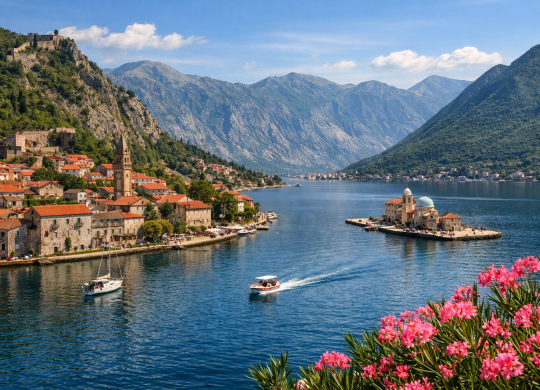
Where to go in Montenegro: 5 picturesque towns for the perfect vacation
Montenegro attracts tourists with its picturesque Adriatic coastline, medieval cities, and majestic mountains. However, many travelers only visit the popular resorts, not realizing how many hidden gems this small Balkan country has to offer. Find out more about five incredible towns in Montenegro to add to your travel itinerary
15 Mar. 2026
More details3 min
Events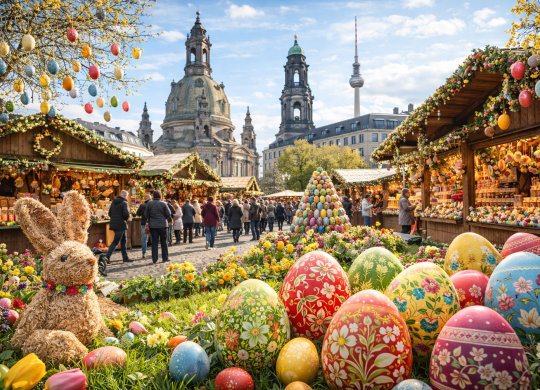
The most beautiful Easter fairs in Europe in 2026: where to go for a festive atmosphere
Easter in Europe is not only about festive services and traditions, but also about colorful fairs that attract thousands of tourists every year. Spring markets with handicrafts, festive décor, and traditional foods open in different cities. Find out more about the most beautiful Easter fairs in Europe in 2026, their dates, locations and features
18 Mar. 2026
More details3 min
Travels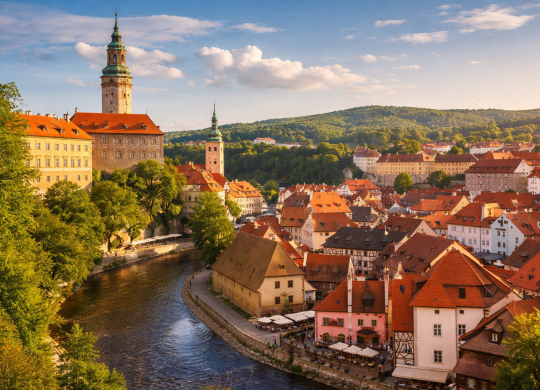
5 most beautiful medieval cities in Europe for an incredible historical journey
There are hundreds of historic cities in Europe, where narrow cobblestone streets, fortresses, and squares have hardly changed since the Middle Ages. Some of them have become real tourist gems, but at the same time they have preserved the authentic atmosphere of the old continent. Learn more about the 5 most beautiful medieval cities in Europe that you should visit at least once in your life
19 Mar. 2026
More details3 min
Travels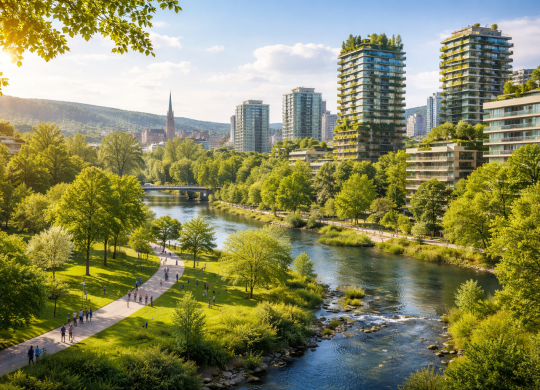
The world's greenest cities 2026: top 10 leaders in sustainable development
Which cities in the world are considered the most environmentally friendly and comfortable to live in today? The new ranking shows where urbanism is harmoniously combined with nature, clean air and green infrastructure. Learn more about the cities that set global environmental standards
21 Mar. 2026
More detailsAll materials and articles are owned by VisitWorld.Today and are protected by international intellectual property regulations. When using materials, approval from VisitWorld.Today is required.