

Vacationing without a car in Europe: 7 destinations worth visiting without a car
Table of contents
- Ljubljana: the city with the largest pedestrian zone in the EU
- Zermatt in Switzerland: a mountain resort without gasoline-powered cars
- Giethoorn in the Netherlands: a village with canals instead of roads
- Hydra Island in Greece: a ban on all wheeled transport
- La Graciosa in the Canary Islands: an island without paved roads
- Sark in the Channel Islands: the world's first “dark sky island”
- Civita di Bagnoregio in Italy: a medieval town on top of a hill
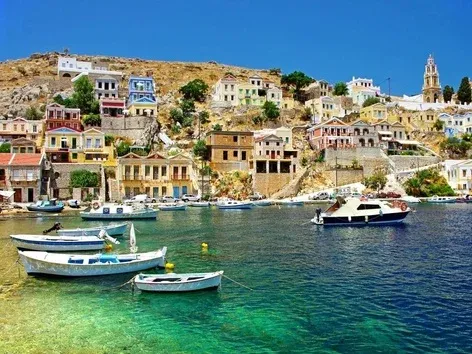
Europe offers many destinations where you can relax without a car — from islands with a ban on wheeled transport to cities with developed pedestrian zones. Such places attract travelers with their tranquility, clean air, and the opportunity to explore the surroundings on foot, by bike, or even by boat. Learn more about seven European destinations worth visiting without a car

Traveling without a car is becoming an increasingly popular form of vacation among European tourists. Silence, clean air, pedestrian streets, and the opportunity to leisurely explore new places—all this attracts travelers who want to truly relax from the hustle and bustle of the city. The Euronews portal has prepared a selection of European destinations where cars are either completely banned or rarely used. Among them are islands without a single paved road, mountain villages with electric transport, and cities with the largest pedestrian zones on the continent. Read on for more details.
Are you planning a trip and want to figure out visa rules and documents in advance?
The Visit World travel guide will help you prepare for your trip without any hassle or intermediaries.

Ljubljana: the city with the largest pedestrian zone in the EU
The capital of Slovenia stands out among European cities for the size of its car-free zone. Ljubljana's pedestrian area covers 20 hectares, making it the largest in the European Union. The process of transforming the city center began in 2007 with 12 hectares and gradually expanded to its current size.

Photo: Tripadvisor
It is convenient to get around the center of Ljubljana on foot or by bicycle. An electric city train runs between the main attractions — Ljubljana Castle and the Town Hall. There are numerous cafes, museums, and galleries along the pedestrian streets, so a walk around the city can easily take a whole day.
Zermatt in Switzerland: a mountain resort without gasoline-powered cars
The Swiss mountain village of Zermatt has long attracted tourists with its views of the famous Matterhorn. To preserve this landscape and clean air, there is a ban on vehicles with internal combustion engines. Only electric taxis and electric buses are allowed, and you won't be able to bring your own electric car either — you'll have to leave it in the neighboring town of Täsch and take the train to Zermatt.

Photo: Adobe Stock
The village itself is compact enough for walking. You can also rent a bike or take a horse-drawn carriage tour. The absence of car traffic creates an atmosphere of tranquility, which is especially noticeable against the backdrop of the Alpine landscapes.
Giethoorn in the Netherlands: a village with canals instead of roads
The small Dutch town of Giethoorn is located about two hours' drive from Amsterdam and is known as the “Dutch Venice.” There are no roads here, and about 2,000 local residents get around by canal, on foot, or by bicycle.

Photo: Viator
In recent years, Giethoorn has grown significantly in popularity, and in the summer, the canals experience real “boat traffic jams.” Most tourists come for a day trip, so experienced travelers recommend staying overnight and going out on the water after 4 p.m. A lesser-known alternative is the neighboring town of Dwaarsgracht, which can even be reached by rented boat. There are significantly fewer visitors there, and the atmosphere is more authentic.
Visit World services for tourists, migrants, and expats: Insurance | Guides | Legal advice
Hydra Island in Greece: a ban on all wheeled transport
The Greek island of Hydra has some of the strictest transport restrictions in Europe. Cars, motorcycles, and even bicycles are prohibited here. The streets leading from the main port climb steeply up the slopes and can only be traveled on foot or by donkey or horse.

Photo: iStock
The town is located around a picturesque harbor, and other parts of the island can be reached by water taxi. These restrictions preserve the unique atmosphere of Hydra and make the island attractive to those seeking a true escape from the noise of civilization.
La Graciosa in the Canary Islands: an island without paved roads
La Graciosa is only a 25-minute ferry ride from the popular Lanzarote. There are no paved roads on the island, so the only motorized transport here is a small number of 4x4 SUV taxis, the number of which is strictly limited.

Photo: Lanzarote
The island is mostly flat, making it convenient for walking and cycling routes. The main attraction of La Graciosa is its secluded beaches, which are easily accessible without any transport. This is a great option for those who want to combine a Canary Islands vacation with peace and solitude.
Sark in the Channel Islands: the world's first “dark sky island”
Only tractors, bicycles, and horse-drawn carriages are allowed on the island of Sark. Cars are completely banned here, and the island is crisscrossed by a network of footpaths. In summer, tourists can cool off in the numerous bays and natural pools along the coast.

Photo: iStock
In addition to the absence of cars, Sark has another distinctive feature — there is no street lighting. In 2011, the island became the world's first “dark sky island.” For astronomy enthusiasts, there is a local observatory, while other visitors can simply look up to see the starry sky without light pollution.
Civita di Bagnoregio in Italy: a medieval town on top of a hill
The Italian town of Civita di Bagnoregio is located on a hill above the Tiber River valley, about two hours from Rome. It can only be reached by a pedestrian bridge, which charges a toll: €3 on weekdays and €5 on weekends and holidays. The funds raised are used to preserve the town, which is gradually being destroyed by erosion.

Photo: Shutterstock
Civita di Bagnoregio attracts travelers with its medieval architecture and impressive location. The town is popular with day trippers, so it gets crowded in the summer. Experienced travelers recommend visiting early in the morning or in the evening when the main flow of visitors subsides.
Planning a trip to Europe without a car?
The Visit World portal offers travel guides to help you plan your route, figure out transportation, and take into account all the nuances of your trip.
Reminder! Experts analyzed cities around the world in terms of the number of green areas, accessibility of parks, and air quality to determine the best locations for walking. The ranking includes both large capitals and less obvious travel destinations. Read about the 10 best cities in the world for walking at the link.
Photo: Depositphotos
Products from Visit World for a comfortable trip:
Travel guide for 200 countries;
Legal advice from a local specialist on visa and migration issues;
Travel insurance around the world (please select the country of interest and citizenship to receive services);
Medical insurance all over the world.
We monitor the accuracy and relevance of our information, so if you notice any errors or inconsistencies, please contact our hotline.
Frequantly
asked questions
Where to go on vacation in Europe without a car?
How to get around Europe without a car?
Which islands in Europe have banned cars?
Recommended articles
2 min
Travels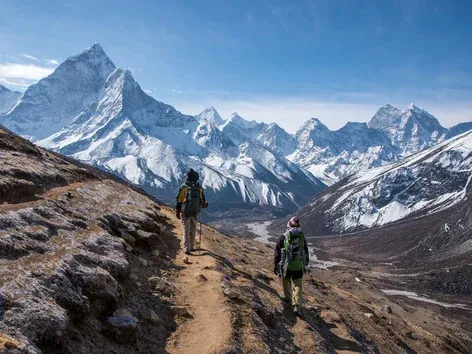
Nepal tightens requirements for climbing Everest: what will change for climbers
Nepal plans to significantly restrict access to the world's highest peak. The new tourism law requires mandatory mountaineering experience, medical certificates, and stricter environmental controls on Everest. Learn more about the new rules for climbers and what exactly will change in the process of obtaining a climbing permit
01 Mar. 2026
More details3 min
Travels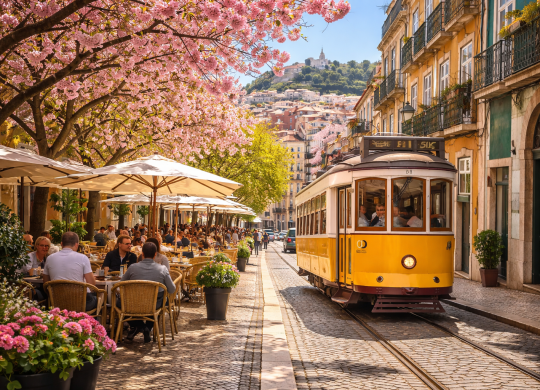
Lonely Planet names 4 European cities worth visiting in March 2026
March is one of the best months to travel in Europe: there are still few tourists and the weather is gradually getting warmer. Lonely Planet experts have identified four European destinations that are especially worth visiting in early spring. Learn more about the cities in Europe that are ideal for a March trip
08 Mar. 2026
More details3 min
Travels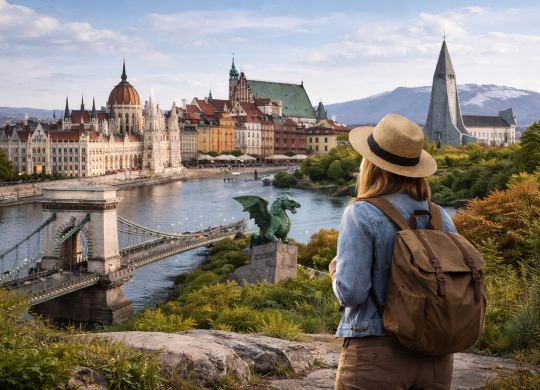
TOP 5 safest European capitals for traveling in 2026
Safety is becoming one of the main criteria when choosing a travel destination. Experienced traveler Vinicius Costa has named five European capitals where tourists can feel especially comfortable and safe. Learn more about the safest European capitals for travelers
09 Mar. 2026
More details3 min
Travels
Europe Island Hopping in 2026: The Best Routes for Traveling Between Islands
Island hopping is becoming a major travel trend in Europe. Discover the best island-hopping routes in Greece, Croatia, Spain, and Italy, and learn how much such a trip can cost
07 Mar. 2026
More detailsAll materials and articles are owned by VisitWorld.Today and are protected by international intellectual property regulations. When using materials, approval from VisitWorld.Today is required.