

Zasiłki na dzieci w Europie 2026: Kwoty płatności we Francji, Polsce, Czechach, Niemczech, Irlandii i Holandii
Table of contents
- Why are birth benefits important for the family?
- How do families in Europe support the birth of a child?
- Childbirth allowance in France
- Child benefits in Poland 2026
- Childbirth allowance in the Czech Republic
- Child benefits in Germany 2026
- Family benefits in Ireland
- How much is child benefit in the Netherlands?
- Child benefits: tips for foreigners
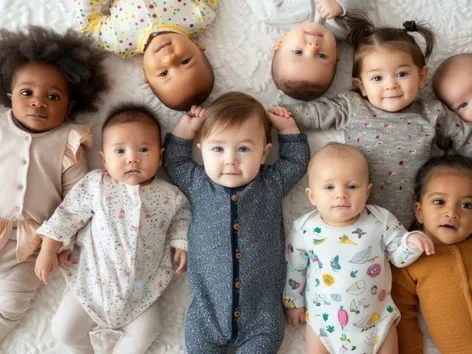
Zasiłki na dzieci w Europie w 2026 roku znacznie różnią się w zależności od kraju, od jednorazowych zasiłków porodowych po miesięczne wsparcie dochodowe. Dowiedz się, jakie kwoty są dostępne we Francji, Polsce, Czechach, Niemczech, Irlandii i Holandii oraz jakie warunki muszą być spełnione, aby je otrzymać

The birth of a child is not only a personal happy event for the family, but also a matter of public policy. Some states support parents with direct monthly payments, while others rely on long paid leave, kindergarten compensation, or flexible return-to-work programs.
In 2026, some European countries changed the rules for accessing family benefits, so it's worth figuring out what's relevant right now. We tell you about the experience of different countries in paying material assistance in this article.
We tell you where in Europe incomes are growing the fastest in 2026 in this material.
Moving to a new country is always a lot of paperwork, and this also applies to the topic of family benefits: without a properly issued residence permit, access to most support programs will be closed. To figure out what documents are needed specifically for your destination country, use the "Immigration Guide" from the Visit World team. This is a ready-made step-by-step plan with a list of documents, the cost of processing and requirements for the applicant - exactly what saves weeks of independent searches. The guide is individually tailored to your citizenship and the country of relocation. Order your guide today and start processing documents with confidence.

Why are birth benefits important for the family?
For those who live in the EU or are planning to move, the amount of birth benefits usually becomes an important part of the daily budget. After all, it is the family benefits system that determines not only the financial situation of the family, but also when mom or dad will be able to return to work, whether kindergarten will be available and what part of the costs is covered by the state.
How do families in Europe support the birth of a child?
When talking about assistance after the birth of a child, they usually imagine one payment per month. In fact, the support system in Europe is much broader, because state support can be expressed in:
- One-time payment at the birth of a child,
- Paid maternity leave,
- Parental assistance after the end of maternity leave,
- Universal child benefits,
- Compensation for kindergarten fees,
- Partial payment for a nanny
- Tax benefits, etc.
Visit World services for tourists, migrants, and expats: Insurance | Guides | Legal advice
Childbirth allowance in France
The French system of family support at the birth of a child has several components:
1. Prime à la naissance, i.e. a one-time payment at the birth of a child, which is provided within the framework of the PAJE system, but the right to it depends on the family's income.
2. Paid maternity leave. For the first or second child, the standard duration is 16 weeks. Part is given before childbirth and, accordingly, part after. If a third child is born in the family or there is a multiple pregnancy, the duration of the leave increases.
After the end of maternity leave, parents can apply for other types of support, including assistance in the event of a reduction or temporary cessation of work to care for the child.
Also in France, compensation for part of the costs of a nanny or other official childcare is in effect. The amount of such support depends on the family's income, the child's age and the chosen care format.
Child benefits in Poland 2026
Poland significantly changed its approach to family support in 2026. The basic 800+ benefit remains at PLN 800 per month for each child, regardless of the family's income, and the new payment period started on June 1, 2026 and will last until May 31, 2027. However, receiving the benefit now requires that the parent or guardian be active in the labor market and the child attend a Polish kindergarten or school - this rule also applies to foreigners who have access to the Polish labor market.
A separate block of support concerns parents of young children - the Aktywny Rodzic program, designed for children aged 12 to 35 months. In 2026, it offers three formats to choose from (they cannot be combined): if parents organize care themselves, for example through a nanny or grandmother, a payment of PLN 1,500 per month is provided (PLN 1,900 - if the child has a disability); if the child goes to a nursery, the state compensates for the cost of such care; if one of the parents stays at home with the child, the payment is PLN 500 per month.
For foreigners in Poland, access to family benefits depends on the status of residence, actual residence with the child in the country and fulfillment of the conditions of a specific program.
The cheapest cities in Europe for a weekend in 2026 are here.
Childbirth allowance in the Czech Republic
The Czech model is different in that parental benefit is often perceived as one of the most visible in Europe. After the birth of a child, the family can apply for a parental allowance - parental benefit. In 2026, the total amount for one child remains at the level of 350 thousand crowns, but for families with twins or more children, the amount has increased from 525 to 700 thousand crowns.
The peculiarity of this benefit is that the family does not receive the entire amount at once. Parents choose how quickly to use it: to receive larger payments for a shorter period of time or smaller ones for a longer period. The maximum monthly payment in 2026 is 15 thousand crowns for one child and 30 thousand crowns for the birth of twins or more children. Usually, the benefit can be distributed until the child is three years old, and receipt does not depend on the previous insurance period - every parent who fully cares for the child has the right to it.
In addition, the Czech Republic has maternity benefit, which depends on previous income and insurance period. The standard paid maternity leave lasts 28 weeks, and for mothers of two or more children - longer.
Child benefits in Germany 2026
Germany has one of the most well-known parental support systems in Europe. It consists of several main elements: Kindergeld, Elterngeld, parental leave and childcare support.
- Kindergeld is a monthly child benefit that a family receives for each child. From January 1, 2026, it has increased to 259 euros per month for each child, regardless of whether it is the first, second or third child in the family. The payment is also provided to foreigners who are legally resident in the country, provided that the child lives with them.
- Elterngeld is a parental benefit after the birth of a child, which partially compensates for the loss of income if one or both parents reduce their work or temporarily do not work due to childcare. In 2026, the amount of the basic benefit depends on the parents' previous income and ranges from 300 to 1,800 euros per month.
Parents can choose between basic Elterngeld, extended ElterngeldPlus (lesser but longer payments) and partnership bonuses – this flexibility makes the German system convenient for families who want to gradually return to professional life, rather than completely drop out of work.
Read how much electricity will cost in Europe in 2026 in this article.
Family benefits in Ireland
In Ireland, the basic support for families is Child Benefit – a monthly payment per child. It is received by families who meet the conditions of residence and care for the child. The payment is not dependent on income and is provided for each child up to a certain age.
Maternity Benefit is also important for new parents – paid assistance during maternity leave. It is paid for 26 weeks, provided that the woman has sufficient insurance experience. After that, you can take additional unpaid leave.
Ireland also offers other support for families with children, including low-income family programs, back-to-school assistance, and partial childcare reimbursement. Access to these depends on specific circumstances: income, residence status, number of children, and parental employment.
How much is child benefit in the Netherlands?
In the Netherlands, the parental support system is structured differently than in countries where the main emphasis is on large direct payments. Kinderbijslag – a child benefit paid quarterly – plays an important role here. Its amount depends on the age of the child.
However, for working parents, kinderopvangtoeslag – compensation for the costs of kindergarten or other formal care is no less important. It can be received by parents who work, study or meet other conditions. The amount of compensation depends on the family income, the number of children, the cost of care and the number of hours.
The Netherlands also has paid maternity leave of at least 16 weeks. For families where both parents work, it is the care allowance that is often the key support, because kindergartens in the country can be expensive.
Read also where it is most expensive to buy an apartment in Europe.
Child benefits: tips for foreigners
The main thing to remember is that the mere fact of the birth of a child in the country does not always automatically entitle you to all benefits. Most programs have conditions:
- Legal residence,
- Availability of work or insurance contributions,
- Actual residence of the child with the parents,
- Address registration,
- Tax status or income level.
In 2026, a number of countries, including Poland, further tightened the requirements for the employment of parents and the child's attendance at a local kindergarten or school.
Before submitting documents, you should check three things:
1. Do you have the required residence status?
2. Do you meet the conditions of a specific program?
3. Do you need to apply within a limited period after the birth of the child or the start of care?
The rules may change during the year, so it is better to clarify the current information directly with the official institutions of the country of residence.
Before you count on child benefits, maternity benefits or kindergarten compensation in a new country, you should make sure that your immigration status entitles you to this - and this means a correctly issued temporary or permanent residence permit. Each country has its own procedure and its own list of documents, and a mistake at the start can cost you lost time or denial of payments.
The "Immigration Guide" from Visit World will help you figure this out even before moving: you will receive step-by-step instructions on how to apply for a permit or citizenship, a complete list of required documents, information on the cost and terms of consideration of the application, as well as practical advice for adapting to a new country. All information comes to your email in PDF format within a few minutes after registration.
Register the "Immigration Guide" now and prepare for moving without unnecessary stress.
Reminder! The European Union is approaching a decision on the abolition of seasonal clock changes. We have already told you what stage the reform is at, when the final changes may take place and how the new rules will affect the lives of millions of Europeans.
Photo – Freepik
Products from Visit World for a comfortable trip:
Travel guide for 200 countries;
Legal advice from a local specialist on visa and migration issues;
Travel insurance around the world (please select the country of interest and citizenship to receive services);
Medical insurance all over the world.
We monitor the accuracy and relevance of our information, so if you notice any errors or inconsistencies, please contact our hotline.
Frequantly
asked questions
Jak zmieniają się kwoty zasiłków na dzieci w czasie — czy są one indeksowane co roku?
Czy można otrzymywać zasiłki na dzieci z dwóch krajów UE jednocześnie, jeśli rodzina mieszka w jednym kraju, a pracuje w innym?
Co się dzieje z zasiłkami na dzieci, jeśli rodzina przeprowadza się z jednego kraju UE do drugiego w ciągu roku?
Recommended articles
1 min
Travels
Najlepsze wakacje rodzinne z dziećmi: 10 podróży, które warto zaplanować w 2026 roku
Planujesz podróż rodzinną w 2026 roku? Wybór 10 najlepszych miejsc na wakacje z dziećmi poniżej 10 roku życia: rejsy, ośrodki, miasta i bezstresowe wyjazdy dla rodziców
01 sty. 2026
More details2 min
Insurance
Niemiecki publiczny system ubezpieczeń zdrowotnych pozwala na włączenie bliskich krewnych do polisy osoby ubezpieczonej bez dodatkowych kosztów. Program Familienversicherung obejmuje małżonków, dzieci i innych członków rodziny, pod warunkiem spełnienia określonych wymagań dotyczących wieku, dochodów i statusu zatrudnienia. Dowiedz się więcej o tym, kto kwalifikuje się do bezpłatnego ubezpieczenia rodzinnego w Niemczech i jakie ograniczenia należy wziąć pod uwagę
13 mar. 2026
More details3 min
Popular
Problem wspólnego tabletu w rodzinie: Proste ustawienia, które zapobiegają chaosowi
Posiadanie jednego tabletu dla całej rodziny często wydaje się wygodnym rozwiązaniem, ale w praktyce szybko staje się źródłem konfliktów. Bez jasnych zasad nawet prosty gadżet może stać się powodem kłótni między dziećmi a dorosłymi. Dowiedz się więcej o tym, jak prawidłowo skonfigurować wspólny tablet, aby uniknąć chaosu i uczynić go wygodnym dla wszystkich członków rodziny
02 kwi. 2026
More details1 min
Popular
Francja zmagała się z kolejną falą upałów w czerwcu 2026 roku, która już spowodowała zakłócenia w transporcie i szerokie ograniczenia. Dowiedz się, które regiony zostały najbardziej dotknięte, co zostało odwołane z powodu upału i jak turyści mogą przygotować się do podróży w ekstremalnych temperaturach
19 cze. 2026
More detailsAll materials and articles are owned by VisitWorld.Today and are protected by international intellectual property regulations. When using materials, approval from VisitWorld.Today is required.