

The Best Countries for Wintering Abroad in 2026–2027 and Cost of Living
Table of contents
- Thailand – a warm winter and affordable housing
- Vietnam – a budget-friendly winter by the sea
- Sri Lanka—a tropical winter getaway on the Indian Ocean
- Mexico – Wintering on the Caribbean Coast and the Pacific Coast
- Spain– Wintering in the Canary Islands
- Portugal – Wintering on the Island of Madeira
- Turkey – an affordable winter getaway on the Mediterranean
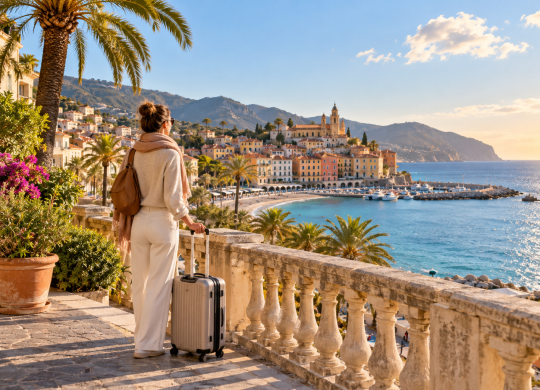
Where to spend the winter of 2026–2027 in a warm climate, and how much does it cost to live abroad? We compare 7 countries, rental prices, climate, and monthly expenses. Learn more about the best destinations for wintering and the ins and outs of long-term living

You can spend the winter of 2026–2027 abroad in Thailand, Vietnam, Sri Lanka, Mexico, Spain, Portugal, or Turkey. These destinations offer a variety of living conditions for a 2–3-month stay: from tropical climates and relatively affordable rent to European infrastructure and comfortable weather. The cost of wintering depends on the country, city, type of housing, and daily expenses. We’ll tell you where it’s best to spend the winter months, what budget to prepare, and what to consider before moving.
Planning a trip abroad?
Insurance from the Visit World portal will help you avoid unnecessary risks. The policy covers the costs of medical treatment, emergency assistance, and unforeseen situations abroad, so that even in the event of delays or route changes, you remain protected and can focus on your trip rather than on problems.

Thailand – a warm winter and affordable housing
Thailand is one of the most popular winter destinations in Southeast Asia. From December through February, many regions experience the dry season, with daytime temperatures typically ranging from +27 to +32°C. The country offers a wide selection of furnished apartments, affordable local cuisine, and well-developed infrastructure for a stay of several months.
For wintering in Thailand in 2026–2027, consider these three destinations:
1. Hua Hin—a quiet seaside town with shopping centers, hospitals, and residential complexes. Suitable for families and long-term stays, with no active nightlife.
2. Phuket—an island with beaches, international schools, and a wide range of services. Winter is the peak tourist season here, so rent is more expensive.
3. Chiang Mai—a city in the north of the country with more affordable apartments, cafes, and mountain views. However, air quality may deteriorate starting in February due to seasonal haze.
How much does it cost to spend the winter in Thailand?
The biggest expense is rent. In Hua Hin, furnished apartments for 1–3 months can be found for approximately 370–750 euros per month. For example, at the HUB Hua Hin complex, a studio is available for 366 euros, while at Amari Residences, a one-bedroom apartment costs 732 euros. For the latter option, a higher seasonal rate may apply from November through February.
In Phuket, furnished apartments during the high season can cost approximately 900–1,800 euros per month. In Chiang Mai, there is a wider selection of more affordable housing: the approximate rent for a studio or small apartment is 250–650 euros, although short-term leases may be more expensive.
The total budget for spending the winter in Thailand for one person is approximately 850–1,600 euros per month, or 2,550–4,800 euros for three months.
This is an estimated range that includes rent for a small furnished apartment, food, utilities, and local transportation. International flights, insurance, visa fees, and security deposits are paid separately. In Phuket, the actual budget may exceed this range due to high seasonal housing prices.
To save money, choose apartments with a kitchen, check electricity rates, and book accommodations in advance. This is especially true in Phuket, where demand for housing increases during the Christmas and New Year’s holidays.
You should also check Thailand’s visa requirements based on your citizenship. The visa-free stay period may be shorter than your planned three-month winter stay, so in some cases, you’ll need the appropriate visa or an extension permit.
For a peaceful winter by the sea, consider Hua Hin; for an active vacation, Phuket; and for a more budget-friendly stay, Chiang Mai. It’s important to consider not only the cost of housing but also the seasonal weather and the specific characteristics of each region.
Learn more about the Destination Thailand Visa (DTV) and how to apply for it by following the link.
Vietnam – a budget-friendly winter by the sea
Vietnam attracts visitors with its relatively low cost of living, tropical climate, and affordable housing rentals. However, for wintering in Vietnam in 2026–2027, it’s important to choose the right region. While the north of the country can be cool and the central coast experiences seasonal rains, the south enjoys predominantly dry and sunny weather. From December through February, temperatures here typically range from +27 to +32°C.
For a 2–3-month stay, consider these three destinations:
1. Phu Quoc—Vietnam’s largest island, featuring sandy beaches and tropical scenery. Winter is the dry season here, and the sea is usually calm. For a long-term stay, the Ziongdong area is convenient, as it has markets, supermarkets, a hospital, and daily services. More than half of the island is part of a UNESCO biosphere reserve.
2. Mui Ne—a coastal area of Phan Thiet, known for its sand dunes, beaches, and strong winds. It’s relatively dry here from December through February. Mui Ne is ideal for a quiet life by the sea, but public transportation and medical services are limited compared to larger cities.
3. Ho Chi Minh City—the country’s largest metropolis, with well-developed infrastructure, international hospitals, shopping centers, and a wide selection of apartments. There’s no ocean nearby, but the city is convenient for daily life even without your own transportation.
How much does it cost to spend the winter in Vietnam?
The most affordable housing options can be found outside of tourist complexes. For example, according to the local rental service Phu Quoc Apartment, in 2026, furnished studios in Phu Quoc under long-term leases cost approximately 215–390 euros per month, while one-bedroom apartments cost roughly 300–475 euros. For stays of only 2–3 winter months, prices may be higher.
In Mui Ne, you should budget about 300–600 euros per month for small furnished apartments. In Ho Chi Minh City, the range is 350–650 euros, although apartments in central areas and modern residential complexes can cost significantly more. These ranges are preliminary estimates for planning purposes and are not confirmed offers for specific winter dates.
The total budget for wintering in Vietnam for one person can be roughly estimated at 650–1,100 euros per month, or 1,950–3,300 euros for three months. This amount covers the rent for a small, private apartment, meals primarily at local restaurants or at home, utilities, internet, and basic transportation. International flights, insurance, visa fees, and a security deposit are not included.
Vietnam has a thriving street food culture, so eating at local cafes is often cheaper than at European-style restaurants. However, prices are generally higher on the islands and in tourist areas. When renting an apartment, be sure to check electricity rates, as air conditioning can significantly increase your monthly expenses.
What’s important to know before spending the winter in Vietnam?
First, on February 6, 2027, Vietnam will celebrate Tet—the Lunar New Year. The official holiday period will run from February 4 to 10. During this time, demand for domestic travel increases; some small shops and establishments may temporarily close; and the cost of transportation and lodging may rise.
Second, it’s worth checking the rules of stay. Vietnam issues e-Visas valid for up to 90 days with one or multiple entries. This allows you to plan a three-month winter stay, provided you obtain the appropriate authorization. However, visa-free entry eligibility and specific requirements depend on your citizenship. You can apply through Vietnam’s official visa portal.
Third, in Fukuoka and Mui Ne, you may need a taxi or rental vehicle for everyday travel. Before renting a scooter, be sure to check the requirements for a driver’s license and insurance coverage.
Learn more about the most affordable destinations for a budget-friendly winter vacation by following the link.
Sri Lanka—a tropical winter getaway on the Indian Ocean
Sri Lanka is ideal for a winter getaway from December through February thanks to its tropical climate and affordable long-term accommodation options. During this period, the southern and western coasts are in the peak tourist season, with air temperatures typically ranging from +27 to +30°C and ocean temperatures around +28°C. At the same time, monsoon rains prevail in the east of the island, so for a winter getaway in 2026–2027, it’s better to choose the southwest coast.
For a 2–3-month stay, the following locations are the most practical:
1. Weligama—a coastal town with a large sandy beach, shops, local markets, and a train station. Here, you can rent a room in a guesthouse or a separate furnished apartment. Thanks to its wide bay, the town is especially popular among beginner surfers.
2. Unawatuna—a resort town near the historic city of Galle. One advantage is the ability to access the city’s medical and daily services while living by the ocean. However, housing near the beach becomes more expensive during the winter season.
3. Mirissa—a small coastal town known for its beaches and boat tours. The whale-watching season runs from November through April. For a long-term stay, it’s worth looking for apartments further away from the tourist promenade, where there’s less noise and prices are lower.
How much does it cost to spend the winter in Sri Lanka?
Rent on the south coast depends significantly on the location of the accommodation, the availability of air conditioning, and the length of the lease. According to ExpatLife, in 2026, a one-bedroom apartment or guesthouse in Weligama cost the equivalent of approximately 260–520 euros per month. However, demand rises significantly from December through February, so prices may be higher.
You can also find more spacious accommodations on the local market. For example, Southern Ceylon Rental offers a furnished two-bedroom apartment in Weligama with air conditioning, a washing machine, and fiber-optic internet for approximately 700 euros per month (equivalent). The apartment is located 1.5 km from the beach. The final price for December 2026–February 2027 should be confirmed immediately before booking.
In addition to rent, the budget depends on food and daily expenses. According to local estimates, basic groceries for one person can cost approximately 70–130 euros per month if purchased mainly at markets and prepared at home. Eating at tourist cafes and buying imported products will increase expenses.
The estimated total budget for a winter stay in Sri Lanka for one person is 700–1,200 euros per month, or 2,100–3,600 euros for three months. This estimated amount includes modest private housing, food, utilities, internet, and local transportation. International flights, visa fees, insurance, and security deposits are not included.
What do you need to know before moving there for the entire winter?
First, December and January are the most expensive months for rentals on the south coast. During the Christmas and New Year’s holidays, landlords often charge higher rates. Therefore, it’s more cost-effective to book housing for all three months under a single, agreed-upon contract than to change apartments every month.
Second, you should inspect the condition of the accommodation before moving in. In a tropical climate, high humidity can lead to mold problems. It’s also worth confirming the availability of hot water, air conditioning, a stable power supply, and internet access. In coastal areas, not all homes offer the same level of comfort.
Third, it’s important to consider transportation options. Trains run between Colombo, Galle, Weligama, and Matara, and tuk-tuks are common within resort towns. However, the rail network does not cover all beaches and residential areas. You’ll need to budget for additional transportation costs for regular trips.
Regarding visa regulations: a standard tourist visa does not always cover a three-month stay. The Sri Lankan Department of Immigration allows for the extension of tourist visas, including online. To apply, you may need a passport, a return ticket, and a residential address. The conditions depend on the type of initial visa and your citizenship.
In a previous article, we discussed Sri Lanka’s Digital Nomad Visa in 2026: Conditions, Requirements, and Application Process.
Mexico – Wintering on the Caribbean Coast and the Pacific Coast
Mexico is ideal for wintering from December through February thanks to its warm climate, well-developed infrastructure, and a wide range of housing options for long-term stays. On the Caribbean coast, daytime temperatures typically range from +26 to +29°C, while on the Pacific coast, they range from +27 to +30°C. However, winter is the peak tourist season, so rentals near popular beaches can be significantly more expensive than in regular residential areas.
For wintering in Mexico, consider three cities with different living conditions:
1. Playa del Carmen—a resort on the Riviera Maya between Cancún and Tulum. It features Caribbean beaches, supermarkets, hospitals, and pedestrian-friendly neighborhoods. From here, you can visit the cenotes—natural karst water bodies on the Yucatán Peninsula—and take a ferry to the island of Cozumel.
2. Mérida—the capital of the state of Yucatán, located about 35 km from the coast. The city is known for its colonial architecture, markets, and cultural events. Temperatures here are typically between +27 and +30°C from December through February. Mérida is ideal for those who value everyday city life over daily beach relaxation.
3. Puerto Vallarta—a city on the Pacific coast in Banderas Bay, surrounded by the Sierra Madre mountains. The weather here is drier in winter than in summer. From December through March, you can spot humpback whales in the bay as they migrate here to breed.
How much does it cost to spend the winter in Mexico?
Housing costs depend most on proximity to the sea, the neighborhood, and the length of the lease. In Playa del Carmen, the winter tourist season has a particularly strong impact on prices: from December through April, renting a furnished apartment can be 20–40% more expensive than during less popular months.
Rental cost estimates in various cities:
- Playa del Carmen: approximately 900–1,500 euros per month for a furnished one-bedroom apartment near the tourist center. For example, some apartments with seasonal rates for January–April 2027 are listed at around 1,720 euros per month.
- Mérida: approximately 350–950 euros per month for a one-bedroom apartment, depending on the neighborhood and lease terms. According to local market data from June 2026, rents outside the historic center are significantly cheaper than in the Santa Ana and Santiago neighborhoods.
- Puerto Vallarta: approximately 700–1,400 euros per month for furnished housing in residential areas. At the same time, in the tourist areas of Zona Romántica and Marina Vallarta, seasonal apartments can cost over 2,000 euros per month.
For stays of only three months, be sure to check for special seasonal rates. Some of the cheaper listings require an annual lease and are not suitable for shorter winter stays.
The total budget for wintering in Mexico for one person can be roughly estimated at 1,100–2,100 euros per month, or 3,300–6,300 euros for three months. This estimate includes a small private apartment, groceries, utilities, internet, and local transportation. In Mérida, costs may be closer to the lower end of the range, while in popular areas like Playa del Carmen and Puerto Vallarta, they may exceed the upper end.
International flights, insurance, visa fees, and a security deposit for housing are not included.
To save money, it’s best to buy groceries at local markets and choose apartments with a kitchen. However, in Mexico, you need to factor in the cost of air conditioning: in hot regions, electricity can become a significant expense in your monthly budget. According to Expatistan data for October 2026, average utility bills for a small studio in Playa del Carmen were estimated at approximately 40 euros per month, but this amount may be higher with heavy use of air conditioning.
What should you know before spending the winter in Mexico?
Winter is the peak tourist season in many coastal regions. Demand for housing is particularly high in late December and early January. Therefore, for a long-term stay, it’s more cost-effective to negotiate a flat monthly rate for the entire period rather than paying for the apartment on a daily basis. In Playa del Carmen, seasonal rates can be 20–40% higher than off-season prices.
In addition, it’s important to consider safety and the characteristics of different neighborhoods. In tourist cities, it’s best to check the apartment’s location, transportation access, and reviews from previous tenants. It is not recommended to transfer large deposits without verifying the owner, the terms of the contract, and confirming that the property actually exists.
Mexico allows foreign tourists to stay in the country for up to 180 days with the appropriate immigration status. However, the maximum duration is not automatically guaranteed; the actual permitted length of stay is determined upon entry. Visa requirements depend on citizenship and available documents.
We previously wrote about 7 countries with mild climates where you can travel year-round.
Spain– Wintering in the Canary Islands
The Canary Islands are one of the few regions in Europe where you can spend plenty of time on the beach even in January. The archipelago is located in the Atlantic Ocean off the northwestern coast of Africa. In winter, daytime temperatures typically range from +20 to +23°C, while the ocean water remains relatively cool—around +19 to +21°C. On Gran Canaria, the average daily high in December is +22.2°C.
For a winter stay in the Canary Islands in 2026–2027, you should consider the two largest islands—Tenerife and Gran Canaria. They have international airports, hospitals, supermarkets, and a well-developed bus network.
1. Tenerife—the largest island in the archipelago, home to the 3,715-meter-high Teide volcano, Spain’s highest mountain. Los Cristianos and Costa Adeje in the south are ideal for a sunny winter getaway. Puerto de la Cruz in the north is generally cheaper and greener, though it tends to be cloudier and rainier.
2. Gran Canaria—an island with noticeable climatic differences between regions. Las Palmas is ideal for city life without a car, while Maspalomas, Meloneras, and Puerto Rico in the south are known for their sunnier weather and resort infrastructure.
An interesting feature of the Canary Islands is their numerous microclimates. For example, in winter on the southern coast of Tenerife, you can relax by the ocean, while snow lies on the summit of Mount Teide. Because of this, when choosing an apartment, it’s important to consider not only the name of the island but also the specific area and elevation above sea level.
How much does it cost to spend the winter in the Canary Islands?
The Canary Islands are more expensive than most of the Asian destinations in our selection. This is especially true for the southern resorts, where December through February is peak season. At the same time, in ordinary residential areas, you can find apartments to rent for several months.
Prices for furnished temporary housing vary significantly:
- Puerto de la Cruz, Tenerife: approximately 700–1,200 euros per month for a studio or small apartment. For example, a 46 m² studio is offered for 700 euros per month with a minimum rental term of three months.
- Los Cristianos, Tenerife: about 1,500–2,300 euros per month for furnished apartments. In popular oceanfront complexes, the cost may be even higher.
- Las Palmas, Gran Canaria: 850–1,200 euros per month for a small apartment on a seasonal lease, although options near Las Canteras Beach are more expensive.
- Southern Gran Canaria: approximately 1,200–1,600 euros per month for furnished accommodations in the Mogán and Patalavaca areas and near resorts.
It’s important to check availability specifically for December 2026–February 2027. Some of the cheaper apartments are rented out for at least four to six months, or they are already booked for the entire winter.
The total budget for wintering in the Canary Islands for one person can be roughly estimated at 1,400–2,500 euros per month, or 4,200–7,500 euros for three months. This is an estimated guideline for a small private apartment, food, utilities, internet, and local transportation. In the expensive resort areas of southern Tenerife, actual expenses may exceed this amount. International flights, insurance, and a security deposit for housing are paid separately.
The islands have a lower standard rate for the IGIC indirect tax—7%—instead of the standard VAT rate in mainland Spain. However, this does not mean that all goods are cheaper: imported products and certain services may cost more due to the logistics involved in island distribution.
What do you need to know before spending the winter in the Canary Islands?
First, Spanish and Schengen entry rules apply in the Canary Islands. Travelers from visa-exempt countries are generally allowed to stay for up to 90 days within a 180-day period. For a longer winter stay, you may need an appropriate national visa or a residence permit.
Second, Spain has tightened regulations on short-term rentals effective October 2026. A seasonal rental agreement must have a valid temporary purpose. Such contracts are generally concluded for a term of more than 31 days but no longer than 12 months. Therefore, before paying, you should clarify whether the chosen apartment is suitable for your planned winter stay and what documents the owner requires.
Third, if you’re staying without a car, it’s most convenient to choose Las Palmas or the central areas of Puerto de la Cruz. Public transportation is also available in the southern resorts, but remote residential complexes may require additional expenses for taxis or car rentals.
In addition, the islands differ in their topography. In mountainous areas, it’s significantly cooler in winter than on the coast. Before booking an apartment, it’s worth checking for heating, ventilation, and protection against moisture.
In our previous article, we discussed the best countries for digital nomads: where to spend the winter and work remotely in 2026.
Portugal – Wintering on the Island of Madeira
Madeira is a Portuguese island in the Atlantic Ocean, approximately 1,000 km from mainland Portugal. Thanks to its subtropical climate, there are no harsh winters here: according to the Portuguese Institute of the Sea and the Atmosphere (IPMA), the average daily high temperature in Funchal is +20.7°C in December and around +19.7°C in January and February. That said, winters on the island are quite wet, especially in the mountainous areas.
For a winter stay in Madeira, consider the following locations:
1. Funchal – the island’s capital, offering the widest selection of apartments, hospitals, supermarkets, and public transportation. It features food markets, shopping centers, and international restaurants. This is the most convenient option for those living without a car.
2. Canis—a small town about 10 km from Funchal. It’s suitable for a quieter lifestyle, with shops, pharmacies, and bus service to the capital. Some residential areas are located on steep slopes.
3. Ponta do Sol—a small town on the southwestern coast, known for its relatively sunny climate and views of the Atlantic Ocean. The infrastructure here is more limited, so a car will be useful for regular trips around the island.
Madeira has an unusual topography: the island’s highest peak, Pico Ruivo, reaches 1,862 meters. In winter, it can be sunny and warm on the coast, while in the mountains, temperatures approach zero. Due to the sharp changes in elevation, the weather varies significantly even in neighboring areas.
Another distinctive feature of the island is the levadas, a historic system of irrigation channels along which numerous hiking trails have been laid out. However, in winter, some mountain trails may be closed due to heavy rainfall, wind, or the risk of landslides.
How much does it cost to spend the winter in Madeira?
Rent is the biggest expense. According to Idealista, furnished apartments for temporary stays in Funchal are available for approximately 1,500–2,000 euros per month. For example, a 50-square-meter one-bedroom apartment in the São Martinho neighborhood rents for 1,500 euros, including utilities. A 60-square-meter studio in the central Sé neighborhood costs 1,600 euros per month and is available for rent for up to three months.
It’s important to distinguish between long-term and seasonal rentals. According to Numbeo data as of June 2026, the average monthly rent for a one-bedroom apartment in downtown Funchal was about 1,390 euros. However, this figure does not guarantee that you’ll be able to rent an apartment at that price just for December through February.
In Canis and other towns outside Funchal, you can find more affordable options, but the selection of short-term furnished apartments is more limited. You should also factor in transportation costs, especially if the apartment is located far from bus routes.
Based on estimates using Numbeo data, the monthly living expenses for one person in Funchal (excluding rent) are approximately 700 euros. This includes food, transportation, utilities, and other basic necessities. The actual amount depends on your lifestyle and how often you eat out.
The total budget for spending the winter in Madeira for one person is approximately 1,800–2,700 euros per month, or 5,400–8,100 euros for three months. The lower end of this range assumes finding more affordable housing outside Funchal’s central districts. In popular areas of the capital, costs may be higher. International flights, insurance, and the apartment security deposit are not included in this estimate.
What do you need to know before spending the winter in Madeira?
The island does not have an extensive rail network. The main form of public transportation is buses. In Funchal, you can get by without a car, but renting a car may be necessary for living in remote villages. Due to the mountainous terrain, even short distances sometimes involve long drives along winding roads.
In winter, you’ll need to pay attention to the humidity in your home. Many apartments lack central heating, so it’s important to check for an air conditioner with a heating function, a dehumidifier, and proper ventilation. This is especially important for homes on the north coast and in mountainous areas.
The holiday season is also worth considering. Funchal is famous for its spectacular New Year’s fireworks display, which attracts tourists from around the world. In late December, demand for central apartments with views of the bay is particularly high, so it’s best to look for housing for the entire winter season well in advance.
Learn more about the cost of living in Portugal in 2026 by following the link.
Turkey – an affordable winter getaway on the Mediterranean
Turkey is a good option for wintering for those who want to spend 2–3 months by the sea without the high costs typical of popular Western European resorts. On the Mediterranean coast, daytime temperatures in December–February usually range from +14 to +18°C. However, winters here are rainy, and nighttime temperatures sometimes drop below +10°C. The swimming season is over, but the city’s infrastructure remains operational.
For wintering in Turkey in 2026–2027, consider these three cities:
1. Antalya—a large city with an international airport, public and private hospitals, shopping centers, and a well-developed public transportation system. The Konyaaltı and Lara districts are located near the coast, but rent is more expensive there. More affordable apartments can be found in Kepez.
2. Alanya—a resort town about 130 km from Antalya, with significantly fewer tourists in the winter. The neighborhoods of Oba, Mahmutlar, and the city center are suitable for long-term living. There are supermarkets, hospitals, markets, and bus routes here.
3. Fethiye—a seaside town near the famous Ölüdeniz Lagoon. It’s ideal for a peaceful life surrounded by mountains and nature. However, some tourist establishments close in the winter, and the weather tends to be rainier than in Alanya.
An interesting feature of the Turkish coast is the ability to buy fresh seasonal produce even in winter. Antalya is one of the country’s main greenhouse regions, where tomatoes, peppers, cucumbers, and other vegetables are grown. Farmers’ markets operate regularly in the cities, and locally grown produce is often cheaper than imported goods.
How much does it cost to spend the winter in Turkey?
During the winter season, owners of vacation rentals often offer monthly rentals instead of daily ones. However, the cost depends on the neighborhood, the condition of the property, and the minimum lease term.
According to an analysis of the Antalya real estate market for October 2026, the median rental rate for a furnished one-bedroom apartment was approximately 510 euros per month. Prices are higher in Konyaalti, while cheaper options can be found in Kepez. At the same time, these figures mainly apply to long-term rentals.
For comparison, in Alanya, the Carmen Apart complex has published rates for the season from August 2026 to May 2027. According to its price list, a one-bedroom apartment with a kitchen for a single occupant costs approximately 365–455 euros per month. This is an example of a specific offer, and availability for selected dates must be confirmed.
For preliminary planning, you can use the following figures as a guide:
- Antalya: 500–850 euros per month for a small furnished apartment
- Alanya: 400–700 euros per month for a studio or one-bedroom apartment
- Fethiye: 450–800 euros per month, depending on the neighborhood and lease terms
A significant portion of additional expenses is heating. Many apartments in Alanya and Fethiye use air conditioners with a heating function. In addition to electricity, residents of apartment complexes often pay an “aidat”—a monthly fee for grounds maintenance, security, elevators, and other shared services. In Alanya, these fees can range from approximately 30 to 75 euros per month, depending on the complex.
The total budget for spending the winter in Turkey for one person is approximately 800–1,400 euros per month, or 2,400–4,200 euros for three months. This amount includes rent for a small private apartment, food, utilities, internet, and local transportation. International flights, insurance, visa fees, and a security deposit are paid separately.
Are you preparing for a trip abroad in 2026?
Medical insurance from the Visit World portal will provide reliable support during your trip, especially in the context of flight changes and unstable schedules. The policy covers medical expenses, emergency assistance, and other unforeseen situations outside the country, so you can feel confident even when plans have to be adjusted at the last minute.
We remind you! High incomes, affordable housing, and life expectancy determine how comfortable a city can be for its residents. Read more about the 10 European cities leading in quality of life in 2026, their advantages, and the nuances of moving there.
Products from Visit World for a comfortable trip:
Travel guide for 200 countries;
Legal advice from a local specialist on visa and migration issues;
Travel insurance around the world (please select the country of interest and citizenship to receive services);
Medical insurance all over the world.
We monitor the accuracy and relevance of our information, so if you notice any errors or inconsistencies, please contact our hotline
Recommended articles
1 min
Residence permit
Najlepsze kraje dla cyfrowych nomadów: Gdzie spędzić zimę i pracować zdalnie w 2026 roku
Marzysz o spędzeniu zimy w ciepłym kraju i pracy zdalnej bez ryzyka prawnego? Dowiedz się, które kraje w 2026 roku są odpowiednie dla cyfrowych nomadów, oferują stabilny internet, komfortowy klimat i wizy dla cyfrowych nomadów
12 sty. 2026
More details3 min
Expats
Sri Lanka aktywnie rozwija swój program wizy dla cyfrowych nomadów w 2026 roku, otwierając nowe możliwości dla zagranicznych profesjonalistów pracujących zdalnie, przedsiębiorców i freelancerów. Dowiedz się, kto może ubiegać się o ten rodzaj zezwolenia na pobyt, jakie są wymagania finansowe dla wnioskodawców, jak długo mogą przebywać w kraju oraz jakie korzyści otrzymują posiadacze wizy dla cyfrowych nomadów
05 mar. 2026
More details3 min
Travels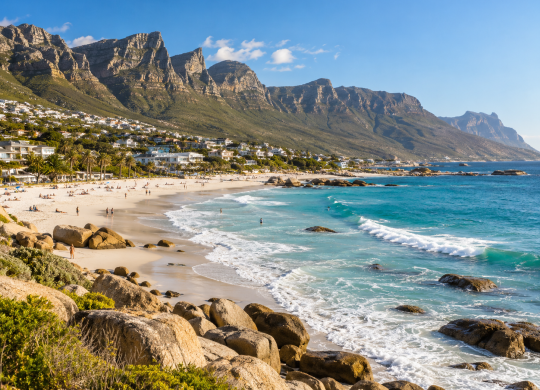
Zimowe wakacje bez bankructwa: Najtańsze destynacje
Tani lot niekoniecznie gwarantuje wakacje w budżecie: posiłki i codzienne zakupy mogą znacznie zwiększyć twoje wydatki. Porównaliśmy ceny w różnych destynacjach, od wybrzeża Afryki po Wyspy Kanaryjskie. Dowiedz się więcej o najtańszych miejscach na zimową podróż, lokalnych cenach i tym, co sprawia, że te destynacje są wyjątkowe
03 paź. 2026
More details2 min
Travels
7 countries with a mild climate you can visit year-round
A comfortable climate without extreme heat or freezing temperatures is possible beyond the summer months. Find out where the weather stays mild all year round and what has changed in 2026
10 paź. 2026
More detailsAll materials and articles are owned by VisitWorld.Today and are protected by international intellectual property regulations. When using materials, approval from VisitWorld.Today is required.