

Przeprowadzka do Austrii w 2025 roku: jak legalnie żyć, pracować i osiedlić się w kraju

Przeprowadzka do Austrii w 2025 roku wymaga jasnego zrozumienia zasad. Dowiedz się o aktualnych wymaganiach wizowych, Karcie Czerwono-Biało-Czerwonej, Karcie Niebieskiej UE, ubezpieczeniu zdrowotnym i pobycie dla cudzoziemców

Austria pozostaje jednym z najbardziej atrakcyjnych krajów w Europie dla imigrantów z powodu stabilnej gospodarki, wysokich płac, silnego systemu socjalnego oraz jasnych, choć surowych, zasad migracyjnych. W 2025 roku kraj aktywnie przyciąga wykwalifikowanych cudzoziemców, w tym obywateli Wenezueli, Łotwy i Serbii, ale oczekuje wysokiego poziomu wykształcenia i integracji od nich.
Ten przewodnik pomoże Ci zrozumieć: kto może przeprowadzić się do Austrii; jakie rodzaje zezwoleń istnieją; jak wygląda proces aplikacji; na co zwrócić uwagę przed i po przeprowadzce.
Ubezpieczenie zdrowotne jest obowiązkowym warunkiem uzyskania wizy i zezwolenia na pobyt w Austrii. Bez ważnej polisy ubezpieczeniowej dokumenty na zezwolenie na pobyt mogą nie zostać przyjęte. Złóż wniosek o ubezpieczenie zdrowotne online w kilka minut i dostarcz dokumenty bez ryzyka odrzucenia.

Ogólne informacje o Austrii
- Ludność: ponad 9,1 miliona ludzi
- Stolica: Wiedeń
- Język: niemiecki (Hochdeutsch – oficjalny)
- Waluta: Euro (€)
- Standard życia: jeden z najwyższych w UE
Kto może przeprowadzić się do Austrii?
Obywatele UE / EOG / Szwajcarii
Główne sposoby imigracji do Austrii w 2025 roku
Karta Czerwono-Biała-Czerwona (Karta RWR)
- Kto jest odpowiedni: wysoko wykwalifikowani specjaliści; specjaliści w zawodach deficytowych; kluczowi pracownicy; absolwenci austriackich uniwersytetów; osoby samozatrudnione i założyciele startupów.
- Jak działa system: ocena według systemu punktowego (wykształcenie, doświadczenie, wiek, język); obowiązkowa oferta pracy od austriackiego pracodawcy; zezwolenie wydawane na 24 miesiące.
- Zalety: legalny pobyt i praca; prawo do łączenia rodzin; możliwość uzyskania Karty RWR Plus po 21 miesiącach.
Niebieska Karta UE
- Podstawowe wymagania w 2025 roku: wykształcenie wyższe (minimum 3 lata); umowa o pracę na 6 miesięcy; minimalny roczny dochód wynoszący około 51 500 € (przed opodatkowaniem).
- Zalety: większa mobilność w UE; szybsza droga do statusu długoterminowego; łatwiejsze przechodzenie między pracodawcami po pewnym czasie.
Wiza dla poszukujących pracy
Wiza dla bardzo wysoko wykwalifikowanych specjalistów, którzy jeszcze nie mają umowy. Pozwala na pobyt w Austrii przez maksymalnie 6 miesięcy; w tym czasie musisz znaleźć pracę i ubiegać się o Kartę RWR; jeśli nie znajdziesz pracy, musisz opuścić kraj.
Łączenie rodzin
Członkowie rodziny (małżonkowie, dzieci niepełnoletnie) mogą dołączyć do głównego wnioskodawcy.
Warunki: wystarczające dochody; mieszkanie odpowiedniej wielkości; podstawowa znajomość języka niemieckiego (A1) – dla dorosłych członków rodziny.
Podstawowe dokumenty do ubiegania się o zezwolenie na pobyt w Austrii
- Paszport międzynarodowy;
- Standardowe zdjęcie;
- Umowa o pracę lub dowód kwalifikacji;
- Dyplomy i certyfikaty;
- Dowód zdolności finansowej;
- Ubezpieczenie zdrowotne;
- Zaświadczenie o niekaralności;
- Dowód zamieszkania w Austrii.
Wszystkie dokumenty zazwyczaj wymagają: oficjalnego tłumaczenia na język niemiecki oraz apostille lub legalizacji (w zależności od kraju).
Co zrobić po przeprowadzce do Austrii?
1. Rejestracja adresu – w ciągu pierwszych kilku dni po osiedleniu się musisz zarejestrować swój adres (Meldezettel).
2. Ubezpieczenie zdrowotne – osoby zatrudnione są automatycznie podłączone do systemu państwowego (ÖGK), prywatne ubezpieczenie jest wymagane przed rozpoczęciem pracy.
3. Numer podatkowy i ubezpieczenie społeczne – po rozpoczęciu pracy otrzymujesz: numer ubezpieczenia społecznego, dostęp do usług zdrowotnych, oszczędności emerytalne.
Język i integracja w Austrii
- Językiem urzędowym jest standardowy niemiecki;
Umiejętności językowe mają znaczący wpływ na możliwość przedłużenia zezwolenia, uzyskania stałego pobytu, obywatelstwa w przyszłości.
Dla niektórych zezwoleń certyfikat nie jest wymagany, ale w praktyce integracja bez niemieckiego jest bardzo trudna.
Długoterminowe perspektywy
Po kilku latach legalnego pobytu możesz:
- Uzyskać Daueraufenthalt – EU (status stały);
- Ubiegać się o obywatelstwo austriackie później (pod ścisłymi warunkami).
Przeprowadzka do Austrii w 2025 roku to realistyczny, ale wymagający proces. Kraj jest zainteresowany wykwalifikowanymi migrantami, ale oczekuje: jasnego przestrzegania zasad, udokumentowanych dochodów i dyplomów, gotowości do integracji.
Odpowiedni typ zezwolenia jest kluczem do sukcesu.
Przeprowadzka do Austrii i jeszcze nie połączony z publiczną opieką zdrowotną?
Prywatne ubezpieczenie zdrowotne ochroni Cię od pierwszego dnia pobytu w kraju.
- Odpowiednie do wniosków wizowych i GNP.
- Pokrywa lekarzy, szpitale i nagłe wypadki.
- Wymagane przed rozpoczęciem oficjalnej pracy.
Zadbaj o swoje zdrowie i status prawny - wykup polisę ubezpieczeniową przed przeprowadzką.
Przypomnienie! Austria wprowadza nową wizę pracowniczą dla pracowników transgranicznych od grudnia 2025 roku. Już powiedzieliśmy Ci kto może się ubiegać, jak działa system i jakie są zasady dla rodzin pracowników.
Zdjęcie – wygenerowane przez Gemini
Produkty z Visit World na komfortową podróż:
Lista kontrolna do uzyskania wizy i niezbędnych dokumentów w Austrii;
Porady prawne w sprawach imigracyjnych do Austrii;
Ubezpieczenie podróżne dla cudzoziemców w Austrii
Ubezpieczenie zdrowotne dla całego świata.
Monitorujemy dokładność i aktualność naszych informacji, więc jeśli zauważysz jakiekolwiek błędy lub nieścisłości, proszę skontaktuj się z naszą infolinią.
Frequantly
asked questions
Czy możesz przeprowadzić się do Austrii bez oferty pracy?
Czy możesz przenieść swoją rodzinę po przeprowadzce?
Jak długo trwa uzyskanie statusu stałego w Austrii?
Recommended articles
3 min
Work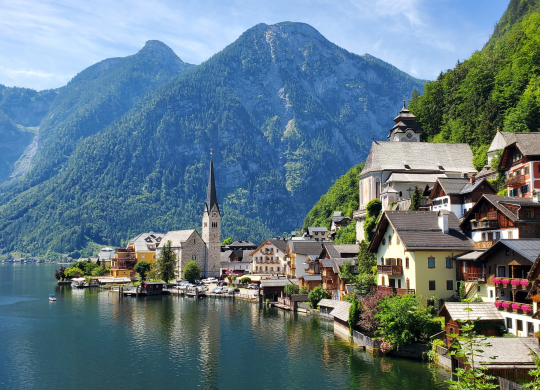
Zatrudnienie w Austrii w 2024 roku: jak łatwo jest znaleźć pracę i ile ona płaci?
Ze względu na wysoki standard życia i przyzwoite wynagrodzenia, coraz więcej migrantów zarobkowych wybiera Austrię na stałe miejsce zamieszkania. Dowiedz się więcej o rynku pracy, popularnych ofertach pracy i średnich wynagrodzeniach w Austrii w 2024 roku
24 cze. 2024
More details2 min
Expats
Koszt życia w Austrii: wydatki na wynajem mieszkań, jedzenie, rozrywkę i budżet na miesiąc
Austria jest jednym z najszczęśliwszych krajów na świecie, a jej przyjaźni ludzie, dobrze rozwinięta infrastruktura transportowa i wysoki poziom opieki zdrowotnej przyciągają tutaj coraz więcej ekspatów. Jednak większość ludzi wie, że życie w Austrii jest drogie. Ile? Dowiedz się, jakie będą ceny mieszkań, jedzenia, rozrywki i wielu innych rzeczy w Austrii w 2025 roku
18 kwi. 2025
More details2 min
Travels
Najlepsze miejsca do odwiedzenia w Austrii w 2026 roku: atrakcje turystyczne i najlepsza rozrywka
Austria jest bogata w atrakcje. Kraj u stóp Alp kojarzy się przede wszystkim z Wiedniem i doskonałą infrastrukturą narciarską. Dowiedz się więcej o najważniejszych atrakcjach turystycznych w Austrii, najciekawszej rozrywce i festiwalach muzycznych w Austrii
17 kwi. 2026
More details2 min
Popular
Wiza wakacyjna do Austrii 2025: Jak aplikować i co musisz wiedzieć
Austria otworzyła aplikacje na wizę wakacyjną na 2025 rok. Kto może uczestniczyć, jak aplikować, jakie dokumenty są wymagane, koszty i korzyści – dowiedz się wszystkiego o wizie wakacyjnej do Austrii
16 lip. 2025
More detailsAll materials and articles are owned by VisitWorld.Today and are protected by international intellectual property regulations. When using materials, approval from VisitWorld.Today is required.