

Rosh Hashanah 2025: A Comprehensive Guide to the Jewish New Year
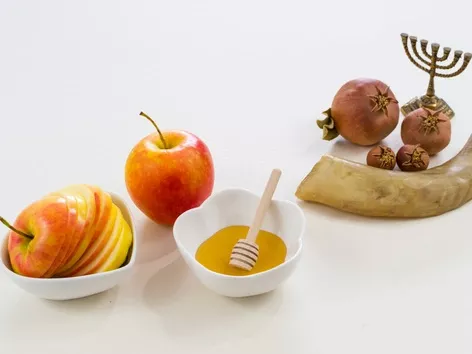
Discover Rosh Hashanah 2025 - a time of spiritual renewal, festive traditions and symbolic foods. Learn about the millennial rituals, shofar, Tashlich and important reflections that make this day truly special

Rosh Hashanah, the Jewish New Year, is a time of reflection, renewal, and spiritual growth. In 2025, this sacred holiday begins at sundown on Monday, September 22, and concludes at nightfall on Wednesday, September 24, ushering in the year 5786 on the Hebrew calendar.
Unlike secular New Year's celebrations, Rosh Hashanah is deeply rooted in religious significance, marking the anniversary of the creation of the world and the beginning of the Ten Days of Repentance leading up to Yom Kippur. During this period, individuals engage in self-examination, seek forgiveness, and strive to improve their relationship with God and fellow humans.
We have collected everything you need to know about Rosh Hashanah 2025 in this article.
Travel worry-free with travel insurance from Visit World!
With our policy you are protected from unforeseen situations: medical assistance abroad, lost luggage, flight delays and other force majeure. Safe travel and peace of mind for you and your family – that’s what we guarantee!

Historical and Religious Significance of Rosh Hashanah
While the Torah does not explicitly mention Rosh Hashanah, the concept of a new year is introduced in the Book of Leviticus, where the first day of the seventh month, Tishrei, is designated as a day of rest and remembrance. The term "Rosh Hashanah" itself first appears in the Mishnah, compiled around 200 CE, where it refers to the first day of Tishrei as the Jewish New Year.
The holiday commemorates the creation of the world and humanity, as described in the Book of Genesis. It is believed to be the anniversary of the creation of Adam and Eve, making it a day of judgment and coronation of God as king. According to Jewish tradition, on this day, God evaluates the deeds of every individual and inscribes them in the Book of Life or the Book of Death, determining their fate for the coming year.
Observances and Traditions Rosh Hashanah
The holiday of Rosh Hashanah has many customs and traditions, including:
1. Shofar Blowing
A central ritual of Rosh Hashanah is the sounding of the shofar, a ram's horn trumpet. Its blasts serve as a wake-up call to religious awareness and a call to repentance. The shofar is blown during synagogue services on both days of Rosh Hashanah, except when the first day falls on Shabbat. The shofar is sounded with four traditional notes: tekiah (a long blast), shevarim (three short blasts), teruah (a series of staccato blasts), and tekiah gedolah (a long, final blast). Each set of blasts carries symbolic meanings, such as awakening the soul and calling for repentance.
2. Candle Lighting
On the evening of Rosh Hashanah, families light candles to usher in the holiday. The lighting of candles is accompanied by the recitation of blessings, including the Shehechiyanu, thanking God for sustaining them to reach this season. In many households, the lighting of candles is followed by a festive meal.
3. Festive Meals and Symbolic Foods
The holiday is marked by festive meals that include symbolic foods, known as simanim, which represent hopes for the new year:
- Apples dipped in honey: Symbolize the wish for a sweet new year.
- Round challah bread: Represents the cycle of the year and the continuity of life.
- Pomegranates: Traditionally eaten for their many seeds, symbolizing the 613 commandments in the Torah.
- Fish head: Signifies the desire to be leaders and not followers in the coming year.
- Carrots: Often used in tzimmes, a sweet stew, symbolizing the hope for increased merits.
- Dates: Eaten to symbolize the wish for the elimination of enemies.
- Leeks: Represent the hope for the destruction of enemies.
- Beets: Symbolize the desire for the removal of adversaries.
- Gourds: Signify the hope for a year of abundance.
These foods are often consumed during a special Rosh Hashanah seder, where blessings are recited over each item, expressing hopes for the coming year.
4. Tashlich Ceremony
On the first day of Rosh Hashanah, it is customary to perform the Tashlich ceremony, where individuals go to a body of flowing water and symbolically cast away their sins by throwing pieces of bread into the water. This act represents the desire to rid oneself of past wrongdoings and start anew. The ceremony is often accompanied by the recitation of prayers and psalms.
5. Greetings and Blessings
During Rosh Hashanah, Jews greet each other with "Shanah Tovah," meaning "Good Year." A longer greeting, "L’shanah tovah tikatev v’tichatem," translates to "May you be inscribed and sealed for a good year," expressing the hope for a favorable judgment in the Book of Life. These greetings are exchanged during synagogue services, festive meals, and in personal interactions.
Spiritual Themes Rosh Hashanah
Rosh Hashanah is a time for deep introspection and renewal. It marks the beginning of the Days of Awe, a 10-day period of introspection and repentance leading to Yom Kippur. During this time, Jewish people reflect on their past deeds, seek forgiveness for their sins, and make resolutions for the year ahead. The holiday emphasizes themes of repentance, renewal, and the sovereignty of God.
Rosh Hashanah is more than a celebration of the new year; it is a time for reflection, renewal, and spiritual growth. Through its rituals and traditions, the holiday encourages individuals to examine their actions, seek forgiveness, and strive for a better future. As the Jewish community gathers to celebrate this sacred time, they embrace the opportunity to start anew and to commit to living a life of righteousness and compassion in the coming year.
Planning a trip abroad and want to avoid unnecessary complications? “Tourist Guide” from Visit World is your key to a safe and easy trip!
In this guide you will find everything you need to apply for a tourist visa: from a complete list of documents and correctly filling out the application form to practical tips and life hacks for a comfortable visit to the country. Photo examples of visas, information on visa fees and application processing times will help you avoid mistakes and save time.
With our guide, your trip will be well-thought-out, safe and enjoyable!

Photo – Freepik
As a reminder! Autumn is the best time to travel: fewer tourists, lower prices and a mild climate. In this article, we have already told you where to go in autumn 2025: from sunny Puglia and wine festivals in Spain to quiet Corsica, authentic Konitsa in Greece and exotic Essaouira in Morocco.
Products from Visit World for a comfortable trip:
Travel guide for 200 countries;
Legal advice from a local specialist on visa and migration issues;
Travel insurance around the world (please select the country of interest and citizenship to receive services);
Medical insurance all over the world.
We monitor the accuracy and relevance of our information, so if you notice any errors or inconsistencies, please contact our hotline.
Frequantly
asked questions
When is Rosh Hashanah celebrated in 2025?
What is a shofar and what role does it play in the holiday?
What are the symbolic foods eaten during Rosh Hashanah and what do they mean?
Recommended articles
2 min
Travels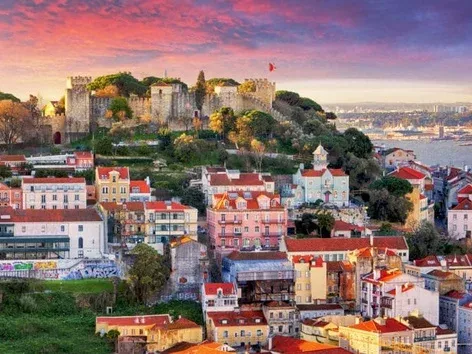
Lisbon Travel Tips 2025: Your Complete Guide to Portugal’s Capital
Lisbon in 2025 is the perfect city to travel to, combining history, culture and ocean charm. Find out when to go, where to stay, what to see, what to eat and how to get around the city
07 Sep. 2025
More details2 min
Travels
Want to escape the crowds and discover new horizons? Find out which countries are considered the most interesting underrated destinations in the world, where to find wild jungles, scenic mountain roads or a real "European Hawaii", and what tips will help make your trip comfortable and safe
09 Sep. 2025
More details2 min
Travels
Oktoberfest 2025 in Munich is the world's leading beer festival with centuries-old traditions. Find out the dates, the history of the festival, the prices of beer and food, which breweries are participating, the features of costumes and pavilions, interesting facts and useful tips for visitors
10 Sep. 2025
More details2 min
Travels
TOP 15 trips worth booking a year in advance
Planning your trip can be the key to unforgettable experiences and a worry-free vacation. Discover 15 trips worth booking a year in advance: from safaris in Kenya and cherry blossom viewing in Japan to cruises to Antarctica and climbing Kilimanjaro. Expert tips and reasons why planning early guarantees the best experience
13 Sep. 2025
More detailsAll materials and articles are owned by VisitWorld.Today and are protected by international intellectual property regulations. When using materials, approval from VisitWorld.Today is required.