

Summer Quiet Hours in Greece 2026: Times, Fines, and Important Rules
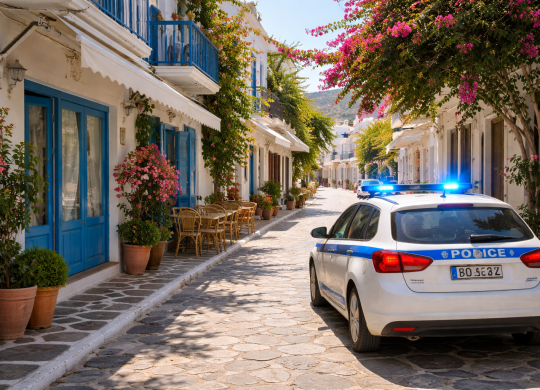
On April 1, 2026, Greece implemented its summer quiet hours policy, which will remain in effect until the end of September. During this period, strict noise restrictions apply both day and night, and violations are subject to fines and even criminal liability. Learn more about the rules, quiet hours, and what tourists need to keep in mind

Starting April 1, 2026, Greece has officially implemented a summer quiet hours policy, which will remain in effect until September 30. During this period, the country has established specific times when noise is prohibited—both during the day, during the traditional siesta, and at night.
The rules apply not only to local residents but also to tourists: violations can result in fines or even more serious consequences. This is particularly relevant in the summer, when the heat changes the rhythm of life and daytime rest becomes the norm.
Let’s take a look at exactly what restrictions are in place in 2026, what is prohibited, and how to avoid problems while vacationing in Greece.
In the previous article, we talked about the TOP-10 tourist destinations according to Time Out, which are definitely worth visiting in 2026.
Discovering a new country for yourself without the help of travel agents or intermediaries is very simple. All you need is a checklist or a “Travel Guide” from Visit World – a step-by-step guide with all the key information for your trip.
The guide contains information on visa requirements, visa-free entry rules, permitted periods of stay and a list of required documents.
After completing the form, the guide will be sent to your email in PDF format in just a few minutes.
Choose a country and get your travel guide today.

What does the summer quiet hours policy in Greece mean?
The summer quiet hours policy is an annual regulation in effect in Greece during the hottest time of the year. In 2026, it began on April 1 and will last until September 30. Its main goal is to ensure comfort for residents and reduce noise levels in residential areas.
A distinctive feature of the Greek approach is the daytime siesta. In the heat of the day, when temperatures often exceed 30°C, life practically comes to a standstill: some shops close, the streets empty out, and people rest at home. That is why the daytime quiet hours are enforced just as strictly as the nighttime ones.
It is important to note that these rules apply to everyone without exception—both locals and tourists. Even in resort areas with a lively nightlife, noise during designated hours can lead to complaints and a call to the police.
We previously reported that a sandstorm hit the Greek island of Crete, causing serious disruptions to power supply and air travel.
Quiet hours in 2026: a clear schedule
In 2026, Greece established two mandatory quiet periods—daytime and nighttime. During these times, any excessive noise is officially prohibited.
The specific schedule is as follows:
1. Daytime period (siesta): from 3:00 PM to 5:30 PM
2. Nighttime period: from 11:00 PM to 7:00 AM
The daytime quiet period is the key feature. Unlike most European countries, Greece strictly enforces not only nighttime quiet but also afternoon rest. During this time, some services are closed, traffic is reduced, and any noise quickly leads to complaints.
For tourists, this means a simple rule: if the city “freezes” in the middle of the day, it’s not a coincidence but an established norm. Ignoring this schedule can lead to conflicts with neighbors or even police intervention.
Learn more about 5 unique places in Greece worth visiting at least once in a lifetime by following the link.
What is prohibited during quiet hours in Greece?
During the designated quiet hours in Greece, any noise that may disturb residents is prohibited. The rules are quite clear and cover both domestic situations and commercial activities.
The main prohibitions include:
- Loud music, televisions, or radios
- Parties, gatherings, and any noisy events
- Playing musical instruments
- Operating machinery or performing repair work
- Loading and unloading goods
- Running vehicle engines while parked
The peculiarity is that even “everyday” noise can be considered a violation if it disturbs neighbors. For example, loud conversation on the balcony or music in an apartment during siesta hours can already be grounds for a complaint.
In tourist areas, enforcement is no less strict: property owners, hotels, and even neighbors often react immediately to violations to avoid fines and trouble with the police.
Earlier we talked about the 13 best places for a spring trip in Europe in 2026.
What fines are imposed, and what risks do tourists face?
Violating quiet hours in Greece is considered a full-fledged offense, and the police respond to such cases quite promptly. If a neighbor or property owner complains about noise, a patrol may arrive within minutes to document the violation on the spot.
The financial penalties can be significant. Greece uses a system of so-called penalty points, so the final amount depends on the circumstances and may vary. On average, we’re talking about hundreds or even thousands of euros, and in serious cases, fines can reach approximately 1,500–3,000 euros or more. That’s why even brief noise during “quiet hours” can turn into a costly violation.
In some situations, liability is not limited to a fine alone. If the violation is repeated or the person ignores police orders, the matter may escalate to a criminal case. The law provides for penalties up to five months’ imprisonment, which poses serious legal risks for tourists.
In practice, the process is straightforward: after a complaint is filed, the police arrive, issue a citation, and warn the offender. If the situation recurs, the consequences become more severe. At the same time, tourist status does not grant any privileges—the rules are the same for everyone.
Are you planning a trip and want to prepare without unnecessary stress? Visit World's travel guide contains key tips for travelers: rules of entry and stay, current requirements for tourists, basic safety, transportation and accommodation. Such a guide will help you quickly navigate a new country, avoid common mistakes during your trip, and plan your route taking into account practical nuances that often go unnoticed by tourists.
Products from Visit World for a comfortable trip:
Travel guide for 200 countries;
Legal advice from a local specialist on visa and migration issues;
Travel insurance around the world (please select the country of interest and citizenship to receive services);
Medical insurance all over the world.
We monitor the accuracy and relevance of our information, so if you notice any errors or inconsistencies, please contact our hotline
Frequantly
asked questions
When is the summer quiet hours period in Greece in 2026?
What are the quiet hours?
Do these rules apply to tourists and hotels?
What is the fine for disturbing the peace?
Can the punishment be more severe than a fine?
Recommended articles
3 min
Expats
The best cities in Greece to move to in 2026: where should expats settle?
Greece attracts expats from all over the world thanks to its mild climate, affordable prices and high quality of life. From island towns with year-round infrastructure to quiet towns with the cheapest real estate in the country, there are many options for relocation. Find out more about the best Greek cities to live in 2026
26 Feb. 2026
More details2 min
Travels
5 Unique Places in Greece You Should Visit at Least Once in Your Life
Greece is famous not only for its popular resorts, but also for its little-known places with a unique atmosphere. Find out about 5 locations in Greece that are worth visiting at least once in your life: Monemvasia, Hydra, Ioannina, Kastellorizo and Mount Athos
14 Mar. 2026
More details3 min
Travels
In 2026, Greece cemented its status as one of the world’s top wellness destinations thanks to a unique combination of thermal springs, Mediterranean cuisine, and eco-friendly initiatives. Wellness tourism brings billions of euros to the country and is reshaping the tourism landscape across regions from Crete to the Peloponnese. Learn more about Greece’s ranking in the 2026 Global Wellness Tourism Index and the most popular destinations for wellness travel
02 Apr. 2026
More details2 min
Popular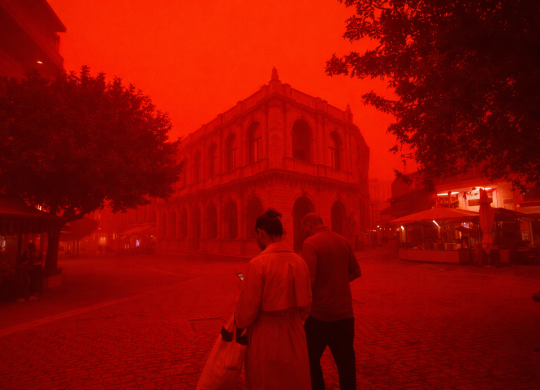
A sandstorm has hit Crete: flights canceled, power outages, and a “red” sky
A powerful sandstorm originating in Africa swept across the Greek island of Crete on April 1, 2026, causing major disruptions to power supplies and air travel. Visibility dropped sharply, dozens of flights were canceled or rerouted, and some areas were left without power. Learn more about the aftermath of the storm and the current situation on the island
02 Apr. 2026
More detailsAll materials and articles are owned by VisitWorld.Today and are protected by international intellectual property regulations. When using materials, approval from VisitWorld.Today is required.