

Higher Education in the UK 2026: Top Universities, Tuition Fees, and Admission Requirements for International Students
Table of contents
- Why the UK is a popular destination for international students
- Top Universities in England, Scotland, Wales, and Northern Ireland
- Tuition Costs in the UK in 2026
- How much does it cost for a student to live in different cities in the UK
- Student Visa for the UK: Documents and Requirements
- Language requirements for admission to British universities
- How to apply for admission and when to do so
- Scholarships and Financial Aid for International Students
- Work During Studies and After Graduation

The United Kingdom is among the most popular destinations for higher education abroad—hundreds of thousands of international students choose it every year. Before applying, it’s important to familiarize yourself with university rankings across different regions of the country, the financial aspects, and the requirements for obtaining a student visa. Learn more about applying to British universities in 2026, tuition costs, language requirements, and employment opportunities for international students

The United Kingdom remains one of the most sought-after study destinations in the world: every year, hundreds of thousands of international students come here, including citizens of Lithuania and Germany. Degrees from British universities are recognized worldwide, the duration of study here is shorter than in many other countries, and career prospects after graduation are vast. All of this makes the United Kingdom an attractive option for prospective students from various regions.
In this article, we’ll cover which universities are among the top institutions in different parts of the UK, how much tuition and living expenses will cost in 2026, what documents are required to apply for a student visa, which language tests British universities accept, and what opportunities for work and financial support are available to international students.
Not sure where to start preparing for admission to a British university?
Education lawyers from the Visit World portal will help you navigate the requirements of your chosen university, gather documents for UCAS, and correctly apply for a student visa.

Why the UK is a popular destination for international students
The British higher education system has a centuries-old tradition and a clear government quality control system. The Office for Students (OfS) and the Quality Assurance Agency for Higher Education (QAA) monitor compliance with national academic standards, ensuring a high level of teaching at over 100 universities in the country that feature in global rankings. The universities of Oxford and Cambridge, as well as Imperial College London, consistently rank among the top ten universities globally.
In addition to its academic reputation, the UK is distinguished by its approach to independent learning and critical thinking: students are taught to take responsibility for their own educational process, rather than simply memorizing lecture material. A bachelor’s degree here typically lasts three years, and a master’s degree one year, allowing graduates to enter the job market sooner. Among the most popular fields of study in 2026 are computer science and artificial intelligence, data science and cybersecurity, business and management, engineering, finance, law, medical specialties, and creative disciplines.
About Erasmus+ for the UK starting in 2027 — read more at the link.
Top Universities in England, Scotland, Wales, and Northern Ireland
England has the highest number of universities in international rankings. According to the Studyportals University Meta Ranking, the top five universities in this region include the University of Oxford, the University of Cambridge, Imperial College, UCL, and King’s College London.
These institutions are known for their academic rigor and produce leaders in various fields; however, admission is more competitive, and tuition costs are higher.
Scotland operates under a separate higher education system funded by the Scottish Funding Council, so the rules here may differ from the rest of the country. Leading Scottish universities include the University of Edinburgh, the University of Glasgow, the University of St. Andrews, the University of Aberdeen, and the University of Dundee. In Scotland, a bachelor’s degree traditionally lasts four years, offering greater flexibility in choosing courses, and most master’s programs last one year.
In Wales, international students are drawn to the friendly and inclusive environment. Leading universities in the region include
Cardiff University, Swansea University, and Bangor University. Northern Ireland offers affordable housing and high-quality education: here, it’s worth noting Queen’s University Belfast and the University of Ulster. The choice of region often influences the cost of living, the academic atmosphere, and the level of a student’s daily expenses.
We discussed the top 10 best universities in Europe in a previous article.
Tuition Costs in the UK in 2026
International students in the UK pay different tuition fees than UK citizens. At the undergraduate level, annual tuition for international students ranges from £9,000 to £33,500, while master’s programs cost between £7,000 and £36,400 per year, with an average of around £20,000. Medical and specialized programs remain the most expensive—annual tuition for some of them exceeds 35,000 pounds.
Among the institutions with the lowest tuition costs for international students are Coventry University, Royal Agricultural University, and the University of Suffolk. Online learning remains a more affordable option: the cost of some online bachelor’s programs starts at approximately £1,784 per year, and master’s programs at £540. There is no free education for international students in the UK, but scholarships, grants, and financial aid from universities and government agencies can help minimize costs.
Visit World services for tourists, migrants, and expats: Insurance | Guides | Legal advice
How much does it cost for a student to live in different cities in the UK
Average annual living expenses in the UK, including rent, food, transportation, and leisure, amount to approximately £12,000–£15,000.
London remains the most expensive city: the average monthly cost of living there reaches £2,500, and rent for a small apartment with utilities included or a room in a private student dormitory exceeds £1,000 per month.
More affordable options include Belfast in Northern Ireland, Cardiff in Wales, and Glasgow in Scotland, where monthly expenses amount to about £1,000–£1,300. Manchester and Edinburgh are more expensive—£1,400–£1,700 per month. Students save on food by cooking at home: the average monthly budget for groceries is around £250, while a meal at a mid-range restaurant costs £15–£20. Student discounts, travel cards such as the 16-25 Railcard, 18+ Student Oyster, and Young Persons Coachcard, as well as supermarket promotions, help reduce expenses.
Student Visa for the UK: Documents and Requirements
Most international applicants must apply for a student visa to study in the UK, including citizens of countries such as Austria, Bulgaria, and Armenia. Key documents include a Confirmation of Acceptance for Studies (CAS), a valid passport, proof of sufficient funds for living expenses, proof of English language proficiency, a receipt for payment of the immigration health surcharge, and, in some cases, tuberculosis test results.
The processing time for visa applications is usually 3–6 weeks, though in some cases it may take longer due to a high volume of applications or the need for additional documents. Additionally, when applying for a visa, an extra fee of £470 is paid for healthcare—this covers basic needs within the National Health Service (NHS). For enhanced services and faster access to specialists, students often take out additional private health insurance with companies such as BUPA, AXA PPP, or VitalityHealth.
Remember! The cost of visas to the UK will increase in 2026.
Language requirements for admission to British universities
Instruction in the UK is conducted in English, so applicants must demonstrate their language proficiency through approved tests. The most common option is IELTS—most universities require a minimum score of 6.0–6.5, while top institutions like Oxford or Cambridge require 7.0–7.5.
Alternative options include TOEFL (typically 70–80 points, over 100 for leading universities), PTE Academic (a minimum of 59 points for bachelor’s programs), and Cambridge English C1 Advanced with a score of 180–200 points.
The Duolingo English Test is gaining wider recognition: scores of 95–100 on its scale are roughly equivalent to an IELTS score of 6.0. Specific minimum scores depend on the university and program, so before applying, you should check the requirements on the official website of your chosen university. It is recommended to prepare for the tests in advance—at least six months before your planned enrollment—so you have time to retake the exam if necessary.
Read about the best countries for studying and living abroad in 2026 in this article.
How to apply for admission and when to do so
Applications to UK universities are submitted through the single portal UCAS. An applicant may submit only one application per academic cycle, in which up to five different programs may be listed. The standard application package includes personal information, educational and employment history, a personal statement, a reference from a teacher or employer, and proof of payment of the application fee.
The standard application deadline is January of the same year in which the program begins in September. Cambridge, Oxford, and medical programs have earlier deadlines. For those who missed the deadline, the Clearing system for unfilled spots is available from July through October, though this is generally a backup option. The university may issue a conditional offer (subject to future requirements, such as achieving the required exam scores) or an unconditional offer (upon full compliance with the criteria). Submitting documents early increases your chances of securing a spot and financial support.
Scholarships and Financial Aid for International Students
The UK offers a range of financial support programs for international applicants, including citizens of Cameroon, Belgium, and Ukraine. Among the most well-known government scholarships are Chevening for master’s programs, Commonwealth scholarships for doctoral and master’s students, and the GREAT program from the British Council. Some universities have their own scholarship funds: Gates Cambridge, Oxford Pershing Square, Think Big from the University of Bristol, the Imperial College London Scholarship, and Global Excellence for undergraduate students.
Scholarships are awarded based on various criteria—academic achievement, financial need, country of origin, or field of study. PhD and postdoctoral students can visit the Euraxess UK portal, which features funding opportunities for research.
You can apply for scholarships immediately after receiving an offer from the university. There is no limit on the number of applications, so it’s worth applying to as many programs as possible where you meet the criteria. A typical application package includes academic transcripts, letters of recommendation, a personal statement, financial information, and writing samples.
Work During Studies and After Graduation
International students in the UK are generally permitted to work up to 20 hours per week during the semester and full-time
during holidays. Certain types of student visas limit this to 10 hours per week, so specific conditions should be checked against your visa document and the university’s policies. Common part-time job options include on-campus work, retail, cafes and restaurants, customer service, and internships in your chosen field.
After graduation, students can take advantage of the UK Graduate Route: bachelor’s and master’s degree graduates are eligible to stay in the country for up to 2 years, while PhD students can stay for up to 3 years. For further employment, the Skilled Worker visa is suitable; it is issued upon receiving an offer from a British employer and is valid for up to 5 years with the possibility of extension. For professionals in the fields of arts, science, and digital technologies, there is the Global Talent visa, and for those planning to launch an innovative business—the Start-up visa. You can apply for Indefinite Leave to Remain (ILR) after 5 years of legal residence in the country (sometimes 2–3 years, depending on the type of previous visa), and you become eligible to apply for British citizenship 12 months after receiving ILR.
Remember! Preparing documents for admission to a British university and applying for a student visa is a complex process where every detail matters: a correctly compiled set of documents, meeting the university’s criteria, financial proof, and adhering to UCAS deadlines. Mistakes at this stage often lead to rejections or delays, putting the applicant at risk of losing an entire academic year.
Education lawyers on the Visit World portal will help you understand admission requirements, prepare the necessary documents, review your personal statement, and correctly complete your visa application.
Book a consultation with a specialist and get a clear action plan for admission to a British university in 2026!
Reminder! In 2026, more and more students from around the world are looking for opportunities to study abroad without a financial burden. We discuss scholarships for studying abroad in 2026 and how to secure full funding—click the link to learn more.
Photo: Freepik
Products from Visit World for a comfortable trip:
Checklist for obtaining a visa and necessary documents in Great Britain;
Legal advice on immigration to Great Britain;
Travel insurance for foreigners in Great Britain;
Medical insurance all over the world.
We monitor the accuracy and relevance of our information. Therefore, if you see any error or discrepancy, please write to our hotline.
Frequantly
asked questions
How much does it cost for international students to study in the UK in 2026?
What documents are required to apply for a student visa to the UK?
Recommended articles
3 min
Education
Higher Education in Europe After Age 35: How to Obtain a Student Residence Permit in 2026?
Higher education in the European Union remains one of the most accessible ways to obtain long-term legal residency. In 2026, five EU countries will offer tuition-free education at public universities with no age restrictions for applicants. Learn more about admission requirements, language requirements, preparation periods, and opportunities for a student residence permit in our article
18 Mar. 2026
More details2 min
Education
Top Scholarships to Study Abroad in 2026: How to Get Full Funding
Planning to study abroad in 2026 but worried about the cost? Find out which fully-funded scholarships are available, what the eligibility requirements are, and how to apply correctly to increase your chances of admission
21 Mar. 2026
More details2 min
Education
Best Countries to Study and Live Abroad in 2026: Overview, Tips & Opportunities
Studying abroad is a strategic step for career development and international experience. Find out which countries are the most attractive for students in 2026, work-while-study opportunities, costs and tips for successful admission
27 Mar. 2026
More details4 min
Education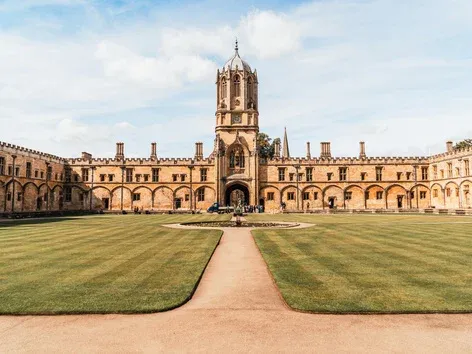
The Top 10 Best Universities in Europe According to the 2026 QS Rankings
QS has updated its regional ranking of Europe’s top universities for 2026. The top ten includes seven British institutions, two Swiss ones, and one French one, with the University of Oxford topping the list with the highest score across five key indicators. Learn more about the top 10 European universities according to QS 2026 and their distinctive features
19 Apr. 2026
More detailsAll materials and articles are owned by VisitWorld.Today and are protected by international intellectual property regulations. When using materials, approval from VisitWorld.Today is required.