

EU Migration Reform 2026: New Rules for Migrants, Foreign Nationals and Asylum Seekers
Table of contents
- What is the new EU Pact on Migration and Asylum?
- How will migrants now be screened at the EU border?
- How will the asylum procedure change?
- Accelerated border procedure
- Is it possible to move to another EU country after filing an asylum application?
- How will the new solidarity mechanism between EU countries work?
- New Deportation Rules: What Will Change in 2026?

The European Union has launched the most significant reform of its migration system in recent years. The new rules call for tighter border controls, faster processing of asylum applications, and a new mechanism for cooperation among member states. Learn more about the key changes and their implications for migrants in 2026

On June 12, EU countries officially began implementing the new Pact on Migration and Asylum—a sweeping package of reforms designed to change the approach to managing migration flows. The new rules cover all stages of the migration process: from border checks to the processing of asylum claims and the return of individuals who are not entitled to remain in the EU.
The goal of the reform is to make the system more efficient and predictable. However, for migrants, this also means new procedures, obligations, and restrictions. In this article, we’ll break down the main changes in simple terms and explain what they mean in practice.
Are you planning to move abroad, apply for a residence permit or obtain citizenship? Immigration procedures vary from country to country, and document requirements change frequently. To avoid mistakes and save time, use the up-to-date “Immigration Guide” from Visit World, which contains all the necessary instructions and recommendations.
Order your guide today and start your immigration journey with confidence!

What is the new EU Pact on Migration and Asylum?
The new EU Pact on Migration and Asylum is a large-scale reform of the European Union’s migration system, designed to make the processes of receiving, registering, and reviewing migrants’ applications more efficient and consistent across all member states.
The need for change arose following the 2015–2016 migration crisis, when EU countries faced a record influx of asylum seekers. The system in place at the time proved ill-equipped to handle such challenges: border states bore the brunt of the burden, application review procedures dragged on for months, and disputes arose between countries over the allocation of responsibility.
After several years of negotiations, the European Union adopted a package of ten legislative acts that establish new rules for migration policy. These cover all stages of the migration process: from a person’s arrival at the EU’s external border to the decision to grant international protection or return the person to their country of origin.
Among the main goals of the reform are:
- To strengthen controls at the EU’s external borders
- To speed up the processing of asylum applications
- To prevent multiple applications in different EU countries
- To ensure a fairer distribution of responsibility among member states
- To improve the efficiency of returning individuals who are not entitled to stay in the EU
The new pact does not abolish the right to asylum, which is guaranteed by international law. At the same time, it introduces new control mechanisms and shortens the timeframes for making decisions regarding certain categories of applicants.
Which Schengen countries have the highest rate of visa refusals, why applicants receive negative decisions and how to prepare documents to increase the chances of approval, the reader will read in this material.
How will migrants now be screened at the EU border?
One of the key changes in the new Pact on Migration and Asylum is the introduction of a single preliminary screening procedure for individuals who have crossed the EU’s external border illegally or who have applied for asylum upon arrival. From now on, all member states must apply the same rules for initial screening.
During the screening, the competent authorities will verify the applicant’s identity, check their documents, and collect biometric data. An assessment of potential risks to security and public order will also be conducted.
The screening procedure includes:
- Verification of identity and citizenship
- Photographing and fingerprinting
- Checks against European and international databases
- A medical examination, if necessary
- An assessment of security risks
Once the screening is complete, the authorities will determine which specific procedure to apply to each individual. Some applicants will be referred to the standard asylum procedure, while others may be subject to the accelerated border procedure.
Importantly, the new rules call for more active use of the updated Eurodac database. It will contain not only fingerprints but also additional biometric data and information on migrants’ movements within the EU. This should help member states identify individuals more quickly and prevent the filing of multiple asylum applications in different countries.
For migrants, this means it will become significantly more difficult to conceal previous applications to immigration authorities or the fact that they have been in another EU country. New digital tools will allow competent authorities to exchange information more quickly and make decisions regarding the applicant’s future status.
How will the asylum procedure change?
The new Pact on Migration and Asylum does not revoke the right of foreigners to seek international protection, but it does change the procedure for processing such applications. The main goal of the reform is to reach decisions more quickly and reduce the burden on member states’ migration systems.
After passing the initial screening, applicants may be referred to one of two procedures: the standard procedure or the accelerated border procedure.
Standard Asylum Procedure
The standard procedure will apply to most applicants who have grounds for international protection or whose cases require a detailed review.
During the review, the competent authorities will assess:
- Reasons for leaving the country of origin
- Risks of persecution or threats to life
- The availability of evidence and supporting documents
- The applicant’s individual circumstances
If the decision is positive, the person may be granted refugee status or another form of international protection in accordance with EU law.
How the deportation mechanism from the EU works in 2026, we tell you at the link.
Accelerated border procedure
A special procedure will apply to certain categories of applicants, conducted near the EU’s external borders. It will primarily be applied in cases where the authorities consider an application unlikely to be approved or where the applicant has arrived from a country that the EU considers relatively safe.
Such cases will be processed within a shorter timeframe—typically up to 12 weeks. During this period, the applicant may stay in specially designated centers near the border until a decision is made.
According to the European Commission, the new system should make it possible to provide protection more quickly to those who truly need it and to make decisions more efficiently regarding individuals who do not meet the criteria for asylum. At the same time, human rights organizations have expressed concern about the protection of applicants’ rights during accelerated procedures.
Is it possible to move to another EU country after filing an asylum application?
One of the main principles of the European asylum system remains the rule that responsibility for processing an application usually lies with the country of first entry into the EU. The new Pact on Migration and Asylum does not change this approach but strengthens the mechanisms for enforcing it.
In practice, this means that a person who has filed an asylum application in one member state cannot independently choose another country to process their case. If a migrant moves to another EU country and attempts to file a new application, they may be returned to the country responsible for processing the initial application.
Updated databases and broader information sharing among member states will help identify such cases. Thanks to biometric data, immigration authorities will be able to quickly determine where exactly a person was first registered.
At the same time, the new pact provides for exceptions for certain categories of applicants. For example, family ties or other humanitarian circumstances may be taken into account when determining the responsible country.
The goal of these changes is to reduce so-called secondary migration, when asylum seekers move between EU countries in search of more favorable living conditions or social support. According to European institutions, this should make the system more predictable and fair for all member states.
How will the new solidarity mechanism between EU countries work?
For many years, the main burden during migration crises has fallen on the countries through which migrants most often entered Europe, particularly Greece, Italy, Spain, and Malta. The new Pact on Migration and Asylum aims to distribute responsibility more evenly among all EU member states.
To this end, a solidarity mechanism was created that obligates EU countries to participate in addressing migration challenges.
Member states can choose one of several support options:
- Accept a portion of asylum seekers from countries bearing the heaviest burden
- Provide financial assistance
- Provide material or technical support to the migration services of other countries
One of the most debated provisions is the right of member states to opt out of accepting migrants by making a financial contribution to a common support mechanism. It is precisely this provision that has sparked debate among the governments of various EU countries.
Supporters of the new system believe it will allow for a faster response to migration crises and reduce pressure on border states. Critics, however, emphasize that the mechanism does not guarantee an equitable distribution of responsibility and could create additional political disputes among EU members.
New Deportation Rules: What Will Change in 2026?
As part of the EU reform, special attention has been given to the procedures for returning individuals who have not been granted international protection or who have lost their right to reside in EU countries. According to the European Commission, in recent years only a fraction of deportation decisions have actually been enforced, so the new rules are intended to make the system more effective.
One of the main changes will be enhanced coordination among member states and the streamlining of return procedures. If a person has received a final denial of asylum, the process of their removal can begin sooner than before.
Key changes include:
- Speeding up return procedures following a denial of asylum
- Expanding information sharing among EU countries
- Strengthening oversight of the enforcement of deportation decisions
- Standardizing certain return procedures at the EU level
Another high-profile initiative was the creation of so-called “return centers” outside the EU. It is envisaged that, in certain cases, individuals subject to deportation may be temporarily held in special centers in third countries until the return procedure to their country of origin is completed.
In addition, the new rules provide for the possibility of longer detention for individuals who evade deportation or fail to cooperate with the authorities during the return procedure. At the same time, the application of such measures must be carried out in accordance with EU law and international human rights standards.
Moving to another country is always associated with dozens of legal and bureaucratic procedures. It is necessary to correctly choose the immigration grounds, prepare a package of documents, take into account the terms of consideration of the case and the requirements of local legislation. The "Immigration Guide" from Visit World will help you get step-by-step instructions on how to apply for a temporary or permanent residence permit, citizenship, and also contains up-to-date information about government agencies, the cost of procedures, applicant selection criteria and practical advice for comfortable adaptation abroad. The guide is sent in PDF format to your email in just a few minutes after ordering.
Choose your destination country and get verified information with the "Immigration Guide" from Visit World!
We remind you! Mobile communication prices in Europe differ by 6 times depending on the country. We have already told you where the cheapest tariffs are in 2026, which countries have the highest prices and what determines the cost of communication for emigrants and travelers.
Products from Visit World for a comfortable trip:
Travel guide for 200 countries;
Legal advice from a local specialist on visa and migration issues;
Travel insurance around the world (please select the country of interest and citizenship to receive services);
Medical insurance all over the world.
We monitor the accuracy and relevance of our information, so if you notice any errors or inconsistencies, please contact our hotline.
Frequantly
asked questions
When did the new EU migration rules take effect?
Do the new rules apply to Ukrainian citizens?
What is the accelerated border procedure?
Can you move to another EU country after filing an asylum application?
Why did the EU introduce the new migration pact?
Recommended articles
3 min
Work
The European labor market is changing due to demographic shifts, technological advancements, and new skill requirements. Demand for skilled workers is growing across various sectors, opening up opportunities for candidates from outside the EU. Learn more about in-demand professions and employment prospects in Europe
27 Mar. 2026
More details2 min
Expats
Fastest Countries to Get Citizenship in 2026: Top 10 Paths to a Second Passport
Obtaining a second citizenship has become more accessible for students, workers, and investors in 2026. Find out which countries offer the fastest paths to a passport, what the requirements are today, and how to choose the best option for your move
08 Jun. 2026
More details2 min
Residence permit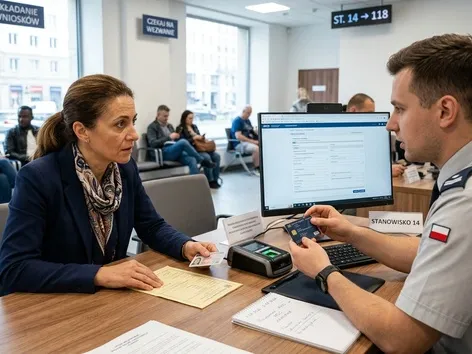
EU Residence Documents in Poland Expire August 3, 2026: Who Is Affected and What to Do
Poland is canceling old EU residence permits – even permanent ones – from August 3, 2026. Find out who this deadline affects, what the consequences of inaction will be, and how to apply for a replacement on time
10 Jun. 2026
More details2 min
For refugees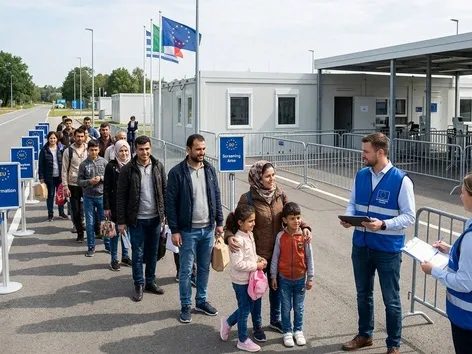
EU Launches New Asylum and Migration System in 2026: What Changes for Asylum Seekers and Migrants
The European Union is moving towards practical implementation of a major migration policy reform. Find out what new rules will apply at EU borders, how the asylum application process will change, who will be affected by accelerated checks, and why the reform is already causing controversy among member states
15 Jun. 2026
More detailsAll materials and articles are owned by VisitWorld.Today and are protected by international intellectual property regulations. When using materials, approval from VisitWorld.Today is required.