

Abnormal Heat in Europe: How Extreme Weather Is Changing Transportation, Rules for Tourists, and City Life
Table of contents
- An abnormal heat wave has swept across Europe: which countries have been hit the hardest
- Trains Slow Down, Flights Are Canceled: How the Heat Is Affecting Transportation
- New Rules Due to the Heat: From Alcohol Bans to Changes in Work Schedules
- Efforts are underway to better protect workers from extreme heat
- What should tourists know before traveling to Europe?

The record-breaking heatwave that has swept across most of Europe is already affecting not only people’s health but also transportation, business operations, and city regulations. Across various countries, trains are being canceled or delayed, working conditions are being adjusted, temporary restrictions are being imposed, and tourists are being urged to pay close attention to warnings from authorities. Learn more about how extreme heat is changing travel in Europe and what restrictions you should be prepared for

Europe is experiencing one of the most intense heat waves in recent years. In France, Spain, Italy, Germany, and the United Kingdom, temperatures are exceeding +40 °C in some areas, prompting weather services to issue the highest danger alerts and authorities to implement emergency measures. Transportation infrastructure is also suffering from the extreme weather: rails and overhead power lines are overheating, operators are limiting train speeds, and passengers are being allowed to reschedule their trips for free.
However, transportation is just one of the problems. Cities are introducing new rules for residents and tourists, revising work schedules, and in some countries, there is growing discussion of additional protections for workers forced to labor in extreme heat. In this article, we explain how the heat wave has already changed life in Europe and what tourists planning a trip in the coming days should keep in mind.
Planning a trip abroad?
Insurance from the Visit World portal will help you avoid unnecessary risks. The policy covers the costs of medical treatment, emergency assistance, and unforeseen situations abroad, so that even in the event of delays or route changes, you remain protected and can focus on your trip rather than on problems.

An abnormal heat wave has swept across Europe: which countries have been hit the hardest
In late June, most countries in Western and Southern Europe were affected by a powerful high-pressure system that brought record-high temperatures. The most severe conditions are being observed in France, Spain, Portugal, Italy, Germany, and the United Kingdom. In many regions, daytime temperatures exceed +40 °C, and authorities are regularly issuing orange and red weather alerts.
According to European meteorological services, the heat wave poses an increased risk to public health, raises the likelihood of wildfires, and significantly disrupts the operation of critical infrastructure. The greatest strain is on transportation networks, power grids, and medical services, which are operating at full capacity.
The situation is already forcing countries to implement temporary restrictions quickly:
- France has declared a heightened state of readiness in several departments and has opened special cooling centers for the public.
- Spain and Portugal continue to battle the risk of large-scale wildfires, leading to increased monitoring in nature parks and forested areas.
- Germany and the United Kingdom have faced disruptions to rail service due to overheating of the infrastructure.
- Italy is implementing additional measures to protect workers performing outdoor tasks, and some regions have already restricted physical labor during the hottest hours of the day.
Forecasters warn that the heat wave may last several more days, and in some regions—more than a week. As a result, tourists are advised to closely monitor weather forecasts and announcements from local authorities, as restrictions may change on a daily basis.
In our previous article, we discussed how the heat is changing tourism in 2026: new destinations, seasons, and travelers’ habits.
Trains Slow Down, Flights Are Canceled: How the Heat Is Affecting Transportation
Extreme heat is increasingly causing disruptions to European transportation. Railways are hit the hardest: high temperatures cause metal rails to expand, overhead wires to sag, and electronic equipment to operate under increased strain. To avoid accidents, operators are forced to limit train speeds or cancel certain trips entirely
In the United Kingdom, several rail operators have warned of possible delays and train cancellations. Speeds have been temporarily reduced on certain sections of track, as the risk of rail deformation increases when rail temperatures exceed critical levels. Passengers have been advised to avoid non-essential travel on the hottest days or to check the schedule in advance before departing.
In Germany, Deutsche Bahn has allowed passengers who purchased tickets during the extreme heat to reschedule their trips free of charge. This decision was made due to the high likelihood of delays and changes in train schedules.
The situation remains challenging in France as well. Due to overheating of the infrastructure, rail operators were forced to cancel some services, while thousands of workers are monitoring the condition of the tracks, overhead lines, and switches. If necessary, train speeds are also being limited to reduce the strain on the infrastructure.
Problems are not limited to rail travel. In some countries, the heat is also affecting air travel: extremely high temperatures can make it difficult for planes to take off, increase aircraft turnaround times, and lead to delays on certain flights. That is why travelers are advised to regularly check the status of their flights and trains, even if tickets were purchased in advance.
We previously reported that France faced a new wave of extreme heat in June 2026, which has already caused transportation disruptions and widespread restrictions.
New Rules Due to the Heat: From Alcohol Bans to Changes in Work Schedules
Extreme heat is forcing European countries not only to respond to transportation disruptions but also to implement temporary restrictions to protect the public. Many cities are revising the operating rules for government agencies, adjusting utility service schedules, and introducing additional safety measures.
One of the most high-profile decisions was a temporary restriction in Paris, where authorities banned the consumption of alcohol in public places. The ban is in effect during specific hours and is intended to reduce cases of dehydration, illness, and other incidents that can occur during extreme heat. In addition, residents and tourists are urged to drink more water, avoid prolonged exposure to the sun, and use special cooling centers.
Additional measures are also in place in other countries:
- In France, air-conditioned public spaces are being opened for people who cannot cool off at home;
- In several cities, authorities are stepping up enforcement of fire safety regulations and restricting access to certain natural areas due to the high risk of wildfires;
- Local authorities are regularly sending SMS messages to residents and publishing recommendations on how to stay safe during heat waves;
- Hospitals and emergency services are operating at increased capacity due to a rise in cases of heatstroke and dehydration.
Experts note that extreme heat waves are becoming increasingly frequent, so many temporary measures may become standard practice in the future. This applies to both the operation of urban infrastructure and the rules governing mass events, transportation, and the healthcare system.
Learn more about Europe’s coolest destinations for a summer vacation without the heat by following the link.
Efforts are underway to better protect workers from extreme heat
Record-breaking temperatures are forcing European countries to reevaluate their approaches to occupational safety. The greatest risk from heat is faced by construction workers, agricultural workers, utility workers, logistics workers, and others who work outdoors. That is why governments, employers, and labor unions are increasingly discussing new mechanisms to protect workers.
In some countries, certain measures are already in place. For example, in Italy, some regions have temporarily banned physically demanding outdoor work during the hottest hours of the day. In Spain, following changes to labor laws, workers can stop working or adjust their schedules if extreme weather conditions pose a serious threat to their health.
At the same time, in a number of European countries, labor unions are calling for the introduction of additional protections for workers, including:
- Paid breaks during peak heat;
- Shortening the workday during the hottest hours;
- Shifting shifts to morning or evening hours;
- Providing workers with drinking water, shade, and rest areas;
- The option to temporarily stay off work without losing pay when the highest level of weather hazard is declared.
Experts note that due to climate change, heat waves are becoming longer and more intense, so the issue of safe working conditions is becoming increasingly important. That is why many countries are already working to update labor regulations to better protect people from the risks associated with extremely high temperatures.
Learn more about four alternative summer vacation spots in France without the crowds or the heat by following the link.
What should tourists know before traveling to Europe?
If you’re planning a trip to Europe in the coming days, keep in mind that a heat wave can affect not only the comfort of your vacation but also public transportation, access to tourist attractions, and even local regulations. In many countries, restrictions are implemented quickly, so the situation can change literally within a day.
Before traveling, experts recommend:
- Checking the status of flights and trains on the carriers’ websites before heading to the airport or train station;
- Monitoring announcements from local authorities and meteorological services, especially if an orange or red alert has been issued in the region;
- Plan excursions for the morning or evening, when temperatures are lower;
- Bring a sufficient supply of drinking water, a hat, and sunscreen;
- Familiarize yourself in advance with the rules for refunding or rescheduling tickets, as some carriers allow you to change your travel date free of charge during extreme heat.
In addition, keep in mind that due to the high risk of wildfires, certain nature parks, hiking trails, or recreational areas may be temporarily closed to visitors. If your trip involves outdoor activities, be sure to check the information on the official websites of local authorities or national park administrations.
Extreme heat is increasingly becoming a factor affecting travel in Europe, on par with strikes or inclement weather. Therefore, careful route planning, regularly checking for updates from transportation providers, and following the recommendations of local authorities will help you avoid unpleasant surprises and make your trip safer.
Are you preparing for a trip abroad in 2026?
Medical insurance from the Visit World portal will provide reliable support during your trip, especially in the context of flight changes and unstable schedules. The policy covers medical expenses, emergency assistance, and other unforeseen situations outside the country, so you can feel confident even when plans have to be adjusted at the last minute.
We remind you! Croatia is stepping up its fight against drunken tourists by introducing new restrictions in popular resort cities. Split became the first city in the country to introduce strict rules on alcohol sales this summer. Read more about the new bans, hefty fines for tourists, and changes in Croatia's tourism strategy.
Products from Visit World for a comfortable trip:
Travel guide for 200 countries;
Legal advice from a local specialist on visa and migration issues;
Travel insurance around the world (please select the country of interest and citizenship to receive services);
Medical insurance all over the world.
We monitor the accuracy and relevance of our information, so if you notice any errors or inconsistencies, please contact our hotline
Frequantly
asked questions
Why are trains in Europe being canceled or delayed due to the heat?
Can you reschedule your trip for free if your train is delayed due to the heat?
Which European countries have been hardest hit by the heatwave?
Can the rules for tourists change due to the heat?
How can you prepare for a trip to Europe during an extreme heatwave?
Recommended articles
2 min
Popular
Europe is in for an abnormal heatwave: temperatures will rise to 40°C
Europe is being hit by the first major heat wave of the year. In some countries, temperatures will be 5–11°C above normal in the coming days, and in Spain, the air could heat up to nearly +40°C. Learn more about where record temperatures are expected, how the heat dome will affect the weather, and why the heat in Europe is becoming increasingly dangerous
26 May. 2026
More details3 min
Travels
How the Heat Will Change Tourism in 2026: New Destinations, Seasons, and Traveler Habits
Climate change is affecting the tourism industry—from destination choices to the format of tours. Cities are adapting their infrastructure, tour operators are adjusting their schedules, and travelers are increasingly opting for cooler regions and off-peak seasons. Learn more about how the heat is changing travelers’ habits and what this means for your travels
09 Jun. 2026
More details1 min
Popular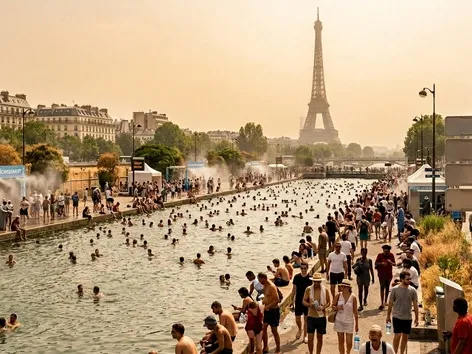
France Heatwave 2026: Train Cancellations, Exam Disruptions and Emergency Safety Measures
France faced another heatwave in June 2026, which has already caused transport disruptions and widespread restrictions. Find out which regions were hit hardest, what was cancelled due to the heat and how tourists can prepare for travel during extreme temperatures
19 Jun. 2026
More details3 min
Travels
Cool France in the Summer: 4 Places to Relax Without the Crowds or the Heat
France offers far more beach destinations than just the crowded Côte d'Azur. Less-known spots in Brittany and Normandy offer a pleasant climate, uncrowded beaches, and an authentic atmosphere free of summer crowds. Learn more about four alternative summer vacation spots in France
25 Jun. 2026
More detailsAll materials and articles are owned by VisitWorld.Today and are protected by international intellectual property regulations. When using materials, approval from VisitWorld.Today is required.