

A powerful 7.1-magnitude earthquake struck Japan: casualties, damage, and evacuations
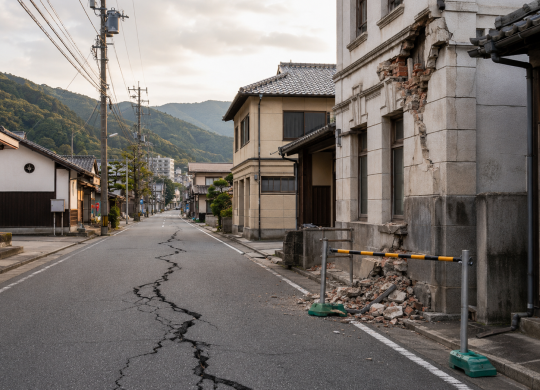
A 7.1-magnitude earthquake struck Kumamoto Prefecture in southern Japan, damaging buildings, roads, and transportation infrastructure. At least 50 people were injured, and nearly 50,000 homes were left without power. Learn more about the aftermath of the disaster, the transportation situation, and recommendations for tourists

On the afternoon of July 28, 2026, a powerful earthquake struck the island of Kyushu in southwestern Japan. The epicenter was located in Kumamoto Prefecture, and strong tremors were felt by residents of six other prefectures: Nagasaki, Kagoshima, Fukuoka, Saga, Oita, and Miyazaki.
After the earthquake, authorities issued a tsunami warning and began assessing the damage. The warning was later lifted, as no dangerous waves were detected. At the same time, residents and tourists were urged to prepare for strong aftershocks over the coming week.
Planning a trip abroad?
Insurance from the Visit World portal will help you avoid unnecessary risks. The policy covers the costs of medical treatment, emergency assistance, and unforeseen situations abroad, so that even in the event of delays or route changes, you remain protected and can focus on your trip rather than on problems.

What is known about the July 28 earthquake in Japan?
The earthquake struck at 4:27 p.m. local time in Kumamoto Prefecture on the island of Kyushu. The Japan Meteorological Agency initially estimated its magnitude at 7.1, while the U.S. Geological Survey later revised the estimate to 6.8.
In the hardest-hit areas, the intensity of the tremors reached a maximum of 7 on the Japanese Shindo scale. Unlike magnitude, this scale indicates the intensity of shaking in a specific location. A level of 7 means that it is virtually impossible for people to stay on their feet, and unsecured furniture, walls, and individual buildings may topple or collapse.
Emergency alerts were issued to residents of seven prefectures on the island of Kyushu: Kumamoto, Nagasaki, Kagoshima, Fukuoka, Saga, Oita, and Miyazaki. According to Reuters, a series of aftershocks began in the region following the main quake and could last for about a week.
In a previous article, we reported that Europe’s tallest volcano, Mount Etna, has erupted in Italy—a red alert has been issued for aviation.
Casualties, Damage, and Evacuation
According to preliminary reports, at least 50 people were injured in the earthquake. About 40 of the injured were taken to a hospital in Yatsushiro. At the time of writing, no official information regarding fatalities had been reported.
Among the main consequences of the earthquake:
1. The AEON Mall in Kashima partially collapsed, trapping people inside
2. Residential buildings, roads, bridges, and sections of the Kyushu Expressway were damaged
3. Several fires broke out, and an explosion was reported near the shopping mall
4. Approximately 48,000 households were left without power
5. Kumamoto Castle was damaged, with part of its stone wall collapsing
About 300,000 residents were advised to evacuate or move to safer locations. Rescue workers continue to inspect damaged buildings and search for people trapped under the rubble. Disruptions to mobile communications and power grids are making it difficult to assess the full extent of the damage.
The Japanese Nuclear Regulation Authority has not detected any abnormalities in the operation of the region’s nuclear power plants. There is no risk of radiation leakage.
We previously reported that massive wildfires have swept across southern Europe: tourists are being evacuated in Greece, Spain, France, and Portugal.
How has the earthquake affected transportation and tourist attractions?
Following the strong tremors on the island of Kyushu, service on the Kyushu Shinkansen high-speed trains and some regional rail routes was temporarily suspended. A train derailed at Yatsushiro Station, but there have been no reports of fatalities resulting from the incident.
Operations at Aso-Kumamoto Airport were suspended to inspect the runway and terminals. Some flights were canceled or rerouted to other airports. Traffic on certain sections of the Kyushu Expressway was also restricted due to damage to roads and bridges.
The earthquake damaged the historic Kumamoto Castle, one of the region’s most famous landmarks. Part of its stone walls collapsed, so access for tourists may be restricted until structural inspections are complete. Before traveling, check for updates on the websites of JR Kyushu, Kumamoto Airport, your airline, and your booked hotel. Your original ticket or reservation does not guarantee that the flight or tourist attraction has resumed operations.
We previously reported that a powerful 7.4-magnitude earthquake struck Japan.
Is there still a tsunami threat, and what should tourists do?
Immediately after the earthquake, the Japan Meteorological Agency issued a warning about possible waves up to one meter high in Ariake Bay and the Yatsushiro Sea. The warning was lifted approximately two hours later, as no dangerous tsunami was detected.
Aftershocks remain the primary threat. Japanese authorities have not ruled out the possibility of another earthquake of similar magnitude within the coming week. Following heavy rainfall, tremors could also trigger landslides and rockfalls on mountain roads.
Recommendations for tourists on the island of Kyushu:
1. Turn on emergency alerts on your phone and monitor announcements from the JMA and NHK World
2. Do not enter damaged buildings or use elevators after a aftershock
3. Stay away from the coast if a tsunami warning is issued again
4. Have your passport, water, medication, a power bank, and information about the nearest evacuation center ready
5. Do not travel to Kumamoto without first checking the status of trains, the airport, and your hotel
In the event of an emergency in Japan, call 119 to contact emergency medical services or the fire department, and 110 to contact the police.
Are you preparing for a trip abroad in 2026?
Medical insurance from the Visit World portal will provide reliable support during your trip, especially in the context of flight changes and unstable schedules. The policy covers medical expenses, emergency assistance, and other unforeseen situations outside the country, so you can feel confident even when plans have to be adjusted at the last minute.
We remind you! Croatia is stepping up its fight against drunken tourists by introducing new restrictions in popular resort cities. Split became the first city in the country to introduce strict rules on alcohol sales this summer. Read more about the new bans, hefty fines for tourists, and changes in Croatia's tourism strategy.
Products from Visit World for a comfortable trip:
Travel guide for 200 countries;
Legal advice from a local specialist on visa and migration issues;
Travel insurance around the world (please select the country of interest and citizenship to receive services);
Medical insurance all over the world.
We monitor the accuracy and relevance of our information, so if you notice any errors or inconsistencies, please contact our hotline
Frequantly
asked questions
What was the magnitude of the earthquake in Japan on July 28?
Where did the earthquake occur?
Is there a tsunami threat in Japan?
Is it safe to travel to Kumamoto right now?
Are strong aftershocks possible?
Recommended articles
3 min
Popular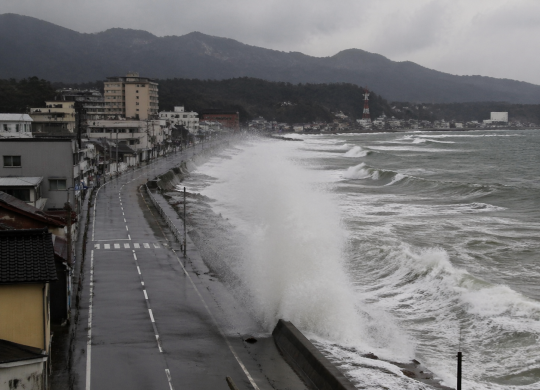
A powerful 7.4-magnitude earthquake struck Japan: tsunami warning, damage, and evacuation
A powerful 7.4-magnitude earthquake struck off the coast of Japan, triggering a tsunami warning and a mass evacuation of residents. Authorities quickly activated the warning system, while transportation and infrastructure were disrupted. Learn more about the scale of the disaster, its consequences, and the current situation
20 Apr. 2026
More details2 min
Popular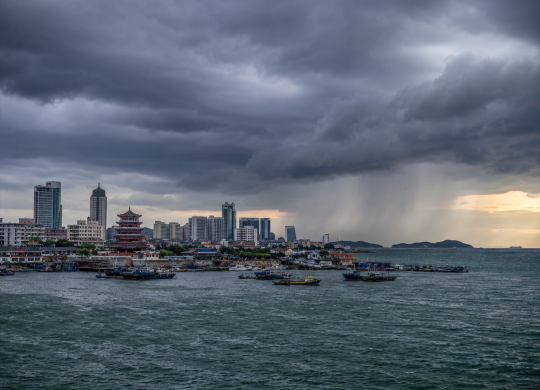
Powerful Typhoon Bavi is approaching China: thousands of people are being evacuated
Typhoon Bavi is approaching China’s east coast with wind speeds of up to 162 km/h. In coastal regions, residents are being evacuated, ferry services are being suspended, and rescue teams are being mobilized. Learn more about the typhoon’s path, the regions at risk, and the aftermath of previous floods in China
10 Jul. 2026
More details2 min
Popular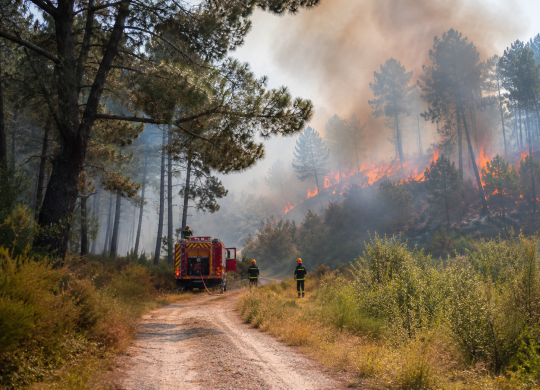
Forest fire near Paris: Over 800 hectares destroyed; transportation is experiencing disruptions
A massive wildfire has broken out near Paris, prompting authorities to evacuate residents and impose traffic restrictions. The fire has already engulfed more than 800 hectares of the Fontainebleau forest, and hundreds of firefighters and aircraft have been deployed to battle the blaze. Learn more about the extent of the fire, the evacuation, and current restrictions in the region
14 Jul. 2026
More details2 min
Popular
France and Spain Are Ravaged by Wildfires: Tourists Have Been Warned About Dangerous Areas
Large-scale wildfires in France and Spain have led to the evacuation of more than 300,000 people and the closure of roads, campgrounds, and tourist attractions. Travelers are advised to temporarily avoid the affected areas of Gironde, Landes, Madrid, and Ávila. Learn more about the extent of the disaster and the destinations where it’s best to postpone your trip
28 Jul. 2026
More detailsAll materials and articles are owned by VisitWorld.Today and are protected by international intellectual property regulations. When using materials, approval from VisitWorld.Today is required.