

A powerful 7.4-magnitude earthquake struck Japan: tsunami warning, damage, and evacuation
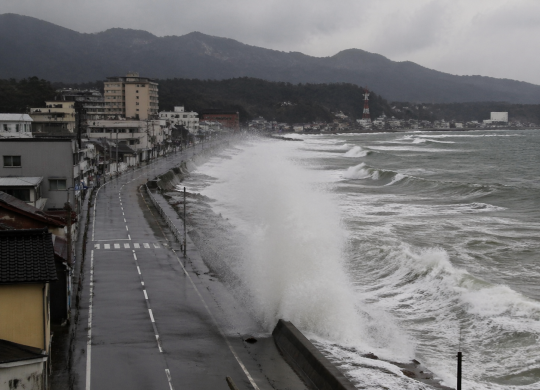
A powerful 7.4-magnitude earthquake struck off the coast of Japan, triggering a tsunami warning and a mass evacuation of residents. Authorities quickly activated the warning system, while transportation and infrastructure were disrupted. Learn more about the scale of the disaster, its consequences, and the current situation

On April 20, 2026, a powerful undersea earthquake struck off the northeastern coast of Japan, immediately raising concerns about the risk of a tsunami. According to international agencies, including Reuters, the quake measured approximately 7.4 on the Richter scale, and the epicenter was at a shallow depth, which significantly increases the danger of such events. In the minutes following the earthquake, authorities issued a tsunami warning and began evacuating residents of coastal regions.
Despite the gravity of the situation, Japan once again demonstrated the effectiveness of its disaster response system: warnings were issued immediately, and emergency services sprang into action without delay. At the same time, experts are warning of possible aftershocks and the risk of secondary tsunami waves, forcing authorities to remain on high alert.
In a previous article, we discussed new tourist taxes in Europe in 2026 and which countries will require tourists to pay more.
Planning a trip abroad and want to protect yourself from unforeseen situations?
Travel insurance from Visit World will cover medical expenses, flight delays, and lost luggage in any country. Get a policy online in a few minutes and travel with confidence!

What happened: key facts about the earthquake
On April 20, 2026, a powerful undersea earthquake struck off the northeastern coast of Japan, immediately classified as one of the strongest in the region in recent times. According to Reuters, the magnitude was 7.4, and the epicenter was located in the Pacific Ocean near the coast of the Sanriku region.
The earthquake’s focus lay at a depth of about 10 km, which is considered relatively shallow and increases the risk of destructive consequences, particularly the occurrence of a tsunami. It is precisely these “shallow” earthquakes that most often lead to significant seafloor disturbances.
The tremors were so strong that they were felt not only in the nearest prefectures but also in the capital, Tokyo, which is located hundreds of kilometers from the epicenter. In some areas, the intensity of the tremors reached a level on the Japanese scale capable of damaging buildings and infrastructure.
Key characteristics of the earthquake:
- Magnitude – 7.4
- Depth – approximately 10 km
- Epicenter – the Pacific Ocean off the coast of Sanriku
- Tremors were felt across a large part of the country
Due to Japan’s geographical location in an active seismic zone, such events are not uncommon; however, it was the combination of the earthquake’s magnitude and its shallow depth that made the situation potentially dangerous in the very first minutes after the tremors.
In our previous article, we reported that the U.S. is experiencing major disruptions in air travel: thousands of flights were delayed and hundreds canceled in just one day due to bad weather.
Was there a tsunami, and what is the current threat?
Immediately after the earthquake, the Japan Meteorological Agency issued a tsunami warning, as underwater tremors of this magnitude can cause sudden changes in sea level. According to Reuters, the predicted wave height could reach up to 3 meters, posing a real threat to coastal areas.
In the first hours after the earthquake, smaller waves were recorded—up to about 80 cm—but experts emphasize that this does not mean the risk has decreased. A tsunami is a series of waves, so subsequent ones can be stronger and more destructive than the first.
The greatest threat was declared for the northeastern regions of Japan, specifically:
- Iwate Prefecture
- Aomori Prefecture
- Fukushima Prefecture
- Hokkaido
Local authorities urged residents to immediately leave coastal areas and move to higher ground or seek shelter in specially equipped shelters. Sirens were activated in some areas, and danger alerts were broadcast via mobile networks and television.
It is important to note that even relatively low tsunami waves can be dangerous due to strong currents and sudden flooding. That is why experts emphasize: you should only return to the coast after the warning has been officially lifted.
As of now, the situation remains tense, as authorities continue to monitor the ocean, and the risk of secondary waves or aftershocks persists.
We previously reported that European airlines are canceling flights en masse due to a fuel shortage: the situation is rapidly deteriorating.
Evacuation and Government Response
In the first minutes after the earthquake, Japanese authorities acted with maximum speed, activating one of the world’s most effective early warning systems. According to the Associated Press, a mass evacuation was organized in coastal regions—thousands of people were instructed to immediately leave dangerous areas.
Residents were urged to move to higher ground or head to special shelters located above the potential flood level. Sirens sounded in many cities, and emergency alerts were sent out via mobile operators, television, and radio.
Key response measures:
- Emergency evacuation of the population from coastal areas
- Blocking access to ports and beaches
- Activation of warning systems nationwide
- Mobilization of rescue services and self-defense forces
A distinctive feature of Japan is the high level of public preparedness for such situations. Most residents clearly know how to act during an earthquake or a tsunami threat, which significantly reduces the risk of panic and helps to quickly organize an evacuation.
It is important to note that Japan’s tsunami warning system activates within just a few minutes of an earthquake. This provides critical time for evacuation and helps minimize casualties even during severe natural disasters.
As of now, emergency services remain on high alert, and residents are advised to stay in safe locations until warnings are officially lifted.
In our previous article, we reported that the launch of a new electronic border control system in the EU led to serious disruptions at airports.
Consequences: Transportation, Infrastructure, and Current Restrictions
The powerful earthquake and tsunami threat immediately impacted Japan’s transportation system and infrastructure. Although no large-scale damage has been reported so far, authorities have implemented a series of restrictions to avoid additional risks.
The most significant disruptions are being observed in the transportation sector. In particular, Shinkansen high-speed train service has been temporarily suspended, as even minor track damage can pose a danger to passengers. Some rail routes are still operating with delays or restrictions.
At the same time, highways and coastal roads have been closed in several regions—both to inspect the condition of the infrastructure and due to the risk of secondary tsunami waves. This has led to local traffic jams and made travel between cities more difficult.
Air travel has also been affected:
- Possible delays and flight cancellations in the northeastern regions
- Enhanced security checks at airports
- Changes to domestic flight schedules
It is important to note that in Japan, all transportation systems have automatic stop mechanisms in the event of strong tremors, which helps prevent accidents. Thanks to this, even in such situations, a large number of casualties can be avoided.
What does this mean for tourists?
The earthquake and tsunami threat have already impacted travel in Japan, particularly in the country’s northeastern regions. Even though widespread destruction has been avoided, restrictions and disruptions may persist for several more days.
First and foremost, tourists should be aware of potential changes in transportation. Some train routes are operating with delays, and domestic flights may be rescheduled or canceled. This is particularly relevant for destinations near the coast, where infrastructure inspections are ongoing.
It is equally important to follow the recommendations of local authorities. If you are in Japan, you should avoid coastal areas, even if the situation appears stable. Tsunamis can come in waves, and the danger persists until warnings are officially lifted.
Tourists are also advised to:
- Check news and official announcements regularly
- Confirm the status of reservations and transfers
- Carry documents and a basic set of essential items
- Follow the instructions of hotels and security services
Overall, Japan remains one of the best-prepared countries for such natural disasters; however, travel may be complicated in the short term. Therefore, the main rule for travelers right now is to closely monitor the situation and proceed with caution.
No matter how well thought-out your itinerary is, there is always room for force majeure when traveling. Unexpected medical expenses, transportation delays, or problems with luggage can ruin your plans and budget. Travel insurance helps you avoid unnecessary worries in such situations. You can apply for a travel insurance policy for a specific trip online at Visit World - quickly and without unnecessary bureaucracy!
Take out a policy online at Visit World and enjoy your trip without any unnecessary worries!
We remind you! Some countries are island states with political neutrality, which means that the likelihood of military conflict is quite low. Read more about the countries that are likely to participate in World War III and the top safest countries in the world.
Products from Visit World for a comfortable trip:
Travel guide for 200 countries;
Legal advice from a local specialist on visa and migration issues;
Travel insurance around the world (please select the country of interest and citizenship to receive services);
Medical insurance all over the world.
We monitor the accuracy and relevance of our information, so if you notice any errors or inconsistencies, please contact our hotline
Frequantly
asked questions
Is there currently a tsunami threat in Japan following the 2026 earthquake?
How strong was the earthquake in Japan in April 2026?
Are there any casualties or significant damage?
Is it safe to travel to Japan right now?
Why do earthquakes occur so frequently in Japan?
Recommended articles
3 min
Travels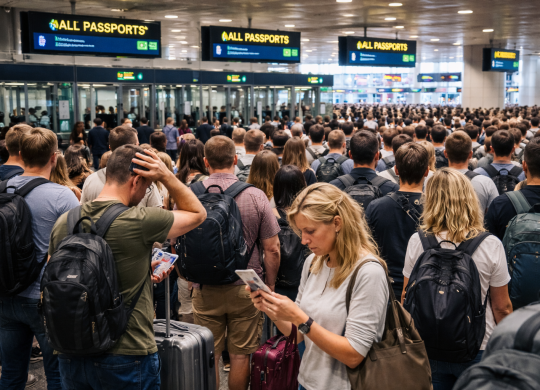
New EU entry rules have brought airports to a standstill: passengers are waiting for hours
The EU’s new border control system, which involves the collection of biometric data, has already caused widespread delays at airports. Passengers are forced to wait for up to several hours, and the situation could worsen this summer. Learn more about why the new system has caused chaos and how it will affect travel in 2026
16 Apr. 2026
More details2 min
Air travel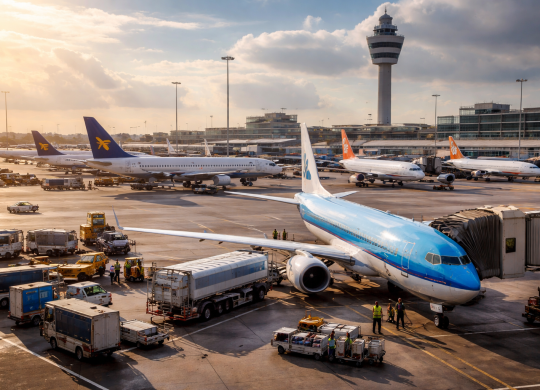
European airlines have already begun cutting flights en masse due to a sharp rise in fuel prices and supply issues. Some carriers are grounding planes, while others are introducing new fees, which passengers are immediately feeling. Learn more about which flights are being canceled, how much ticket prices have risen, and what to expect next
17 Apr. 2026
More details3 min
Travels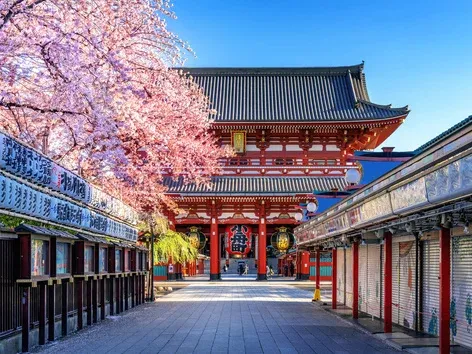
Unusual Places in Japan: 10 Unique Locations That Will Surprise Tourists
Japan is often associated with the temples of Kyoto, cherry blossoms, and the neon lights of Tokyo, but the country also has a completely different side, known mainly to locals. Unusual museums, temples with rare rituals, and engineering landmarks—all of this creates an alternative travel itinerary for those seeking unique experiences. Learn more about the 10 most interesting places in Japan that are worth adding to your travel itinerary
18 Apr. 2026
More details3 min
Air travel
Widespread flight delays in the U.S.: Thousands of cancellations at major airports
The U.S. is experiencing widespread disruptions in air travel: thousands of flights have been delayed and hundreds canceled in just one day. Key transportation hubs—from Atlanta to New York—have been hit hardest. Learn more about the causes of the air travel chaos and how it’s affecting passengers
20 Apr. 2026
More detailsAll materials and articles are owned by VisitWorld.Today and are protected by international intellectual property regulations. When using materials, approval from VisitWorld.Today is required.