

Unusual Places in Japan: 10 Unique Locations That Will Surprise Tourists
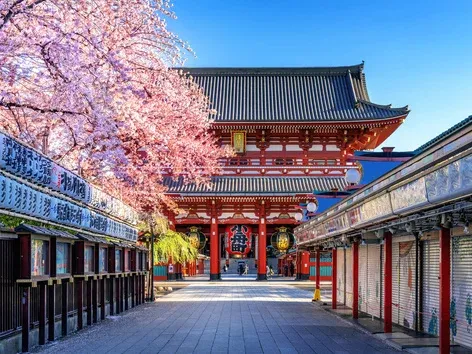
Japan is often associated with the temples of Kyoto, cherry blossoms, and the neon lights of Tokyo, but the country also has a completely different side, known mainly to locals. Unusual museums, temples with rare rituals, and engineering landmarks—all of this creates an alternative travel itinerary for those seeking unique experiences. Learn more about the 10 most interesting places in Japan that are worth adding to your travel itinerary

Traditional Japan looks predictable in tourist photos—the temples of Kyoto, Tokyo’s neon-lit districts, cherry blossoms in spring, and the sacred Mount Fuji. However, beyond this familiar image lies another Japan—one with locations rarely featured in standard guidebooks, yet these are often the most memorable highlights of a trip. The portal Relocate.to has compiled a selection of unusual places in Japan.
Which temples with unique rituals, museums with unconventional exhibits, and the country’s infrastructure sites are worth including in your itinerary—we’ll tell you more in this article.
Planning a trip and want to protect yourself from unexpected medical expenses abroad?
On the Visit World portal, you can quickly purchase travel insurance online with coverage tailored to the duration and nature of your trip.

Japanese Temples with Unique Rituals
Buddhist and Shinto shrines are often associated with traditions that surprise travelers from other cultures. Below are three Tokyo temples known for their distinctive rituals.
Gotokuji Temple in Tokyo — the birthplace of the maneki-neko
The famous “cat temple” in Tokyo is the place where the image of the maneki-neko, a cat with a raised paw that attracts good luck, originated. Thousands of these figurines of various sizes are gathered on the shrine grounds. According to tradition, a visitor buys a maneki-neko, leaves it at the temple along with a wish, and it is said to come true.

Photo: Getty Images
The symbol’s history is linked to a legend from the Edo period. According to the tale, a samurai was seeking shelter from a thunderstorm under a tree when he saw a cat beckoning him with its paw. The warrior moved toward the animal—at that very moment, lightning struck the tree. As a token of gratitude for his life being spared, the samurai made a substantial donation to the temple.
Shibarare Jizoson — a statue wrapped in ropes at Nanzō-in Temple
At Nanzō-in Temple in Tokyo stands a statue of the Bodhisattva Jizo, perpetually entwined with ropes. The tradition is linked to an unusual story: according to legend, a shopkeeper was robbed while he fell asleep outside. The police who arrived at the scene officially “arrested” the statue standing nearby, claiming it had “done nothing” to prevent the theft.
The figure was paraded through the city—the spectacle drew the attention of residents who gathered to watch the procession. While collecting “admission” fees, law enforcement officers spotted the thief among the spectators with the stolen fabrics.
The statue was returned to the temple with gratitude, and visitors began tying ropes to it, making wishes or asking for protection from thieves. According to custom, the ropes may only be removed on New Year’s Day or on the day the wish has come true.
Rennoji Temple — a ritual to commemorate old dolls
Another spiritual tradition in Japan is memorial services for old dolls and stuffed animals. It is linked to the belief that objects that have served a person for a long time acquire a soul. It is at Rennoji Temple that a farewell ceremony for donated toys is held annually on the second Sunday of October.
The temple grounds also feature a statue of the Great Buddha of Kosuji with a dramatic history. The original sculpture was destroyed by fire during the war—only the face and fragments of the wrists survived.
Visit World services for tourists, migrants, and expats: Insurance | Guides | Legal advice
Unusual Museums in Japan
The country offers several unique museums dedicated to themes rarely found in global museum practice.
Meguro Parasitological Museum in Tokyo
The world’s only institution entirely dedicated to parasites is located in the Meguro district. The exhibition features over 300 exhibits.
The first floor introduces visitors to the diversity of parasites in nature, while the second floor showcases species that infect the human body. Among the most talked-about exhibits is a nearly 9-meter-long tapeworm extracted from a patient.
Admission to the museum is free, though the institution accepts voluntary donations. Despite its specific theme, the museum has gained popularity among Tokyo residents as an unconventional date spot. The gift shop sells T-shirts and keychains featuring parasitic motifs.
Chichibu Chinsekikan — the Museum of Faces in Stones
The collection features over 1,700 naturally formed stones that resemble human faces, animals, or characters from movies and cartoons. Among the “portraits” are Elvis Presley, Mickey Mouse, Captain Jack Sparrow, Donkey Kong, and Darth Vader. The museum’s founder, Shoji Hayama, collected the exhibits for over 50 years.

Photo: Citymagazine
The Open-Air Museum (Yane no Nai Hakubutsukan) in Fukuoka
In the city of Nakama, Fukuoka Prefecture, an open-air space has been created featuring about 30 replicas of world-famous statues and architectural landmarks.
A stroll down the path feels like a brief journey around the world: Egyptian sphinxes stand next to Moai statues from Easter Island, and Greek sculptures sit alongside Asian pagodas.
According to locals, this is the only museum in the region that never closes due to bad weather.
Japan’s Infrastructure Sites That Have Become Tourist Destinations
A separate category of unusual places consists of engineering and social infrastructure sites that operate as usual but simultaneously attract tourists with their uniqueness.
The G-Cans Underground Cathedral in Saitama
The large-scale floodwater drainage system in Saitama Prefecture has been unofficially dubbed the “Underground Temple” and “Cathedral” due to the monumental appearance of its underground halls. The structure protects Tokyo from flooding—water from small rivers is diverted into the larger Edogawa River.

Photo: Jordy Meow
The facility’s architecture has a surrealistic character: scenes for a number of feature films, including “The Hunger Games,” were filmed here. Guided tours are conducted daily. Visitors are advised to wear comfortable shoes and arrange for a Japanese-to-English translation to fully understand the information.
Corpse Hotels — A Distinctive Feature of Modern Funeral Culture
In Japan, there are specialized facilities that look like ordinary hotels but serve as temporary morgues. In such places, families can store the bodies of the deceased until cremation, and in some cases, stay in an adjacent room for several days.
The country has the world’s highest cremation rate—99%. Due to an aging population and a shortage of crematoriums, waiting lists for cremation sometimes stretch out over several days. The funeral hotel industry meets this demand: among the well-known establishments are Hotel Relation in Osaka and Sousou in Kawasaki. The cost per night ranges from $80 to $150.
According to expert forecasts, by 2040 the number of deaths in Japan will exceed 1.7 million people per year—the industry continues to grow.
Themed establishments and cultural phenomena in Japan
Themed restaurants and cultural practices not found in other countries represent a distinct niche in unconventional tourism.
Vampire Cafe in Tokyo’s Ginza district
This Gothic-style restaurant recreates the atmosphere of a vampire’s castle. The interior mimics a medieval fortress, waitstaff wear period costumes, dishes are served in coffins, and drinks in laboratory test tubes.

The place is popular among fans of themed parties and photo shoots. Despite the gloomy aesthetic and eerie dish names, the menu consists of standard restaurant fare.
The Cemetery of Unwanted Things — A Philosophy of Attitude Toward Old Objects
A phenomenon similar in spirit to the Rennoji Temple ritual but broader in scope is the so-called “cemeteries of unwanted items.” These are areas near temples where old dolls, toys, and items with a long history of use are symbolically “buried.” Rennō-ji Temple remains one of the most famous sites for such a ritual, though other shrines across the country also uphold this practice.
For the Japanese, this tradition is an expression of respect for the objects that have accompanied a person throughout their life. The ceremonies have a philosophical nature and reflect a unique aspect of the country’s cultural code.
Traveling to Japan involves long flights, changes in climate and time zones, as well as a busy sightseeing itinerary. For a stress-free trip, it’s worth purchasing travel medical insurance in advance—the policy covers assistance in case of sudden illness, injury, or other unforeseen situations abroad.
On the Visit World portal, you can purchase travel insurance online: selecting the right policy takes just a few minutes, and the document is sent to your email immediately after payment. Coverage is tailored to the duration of your trip, your destination, and your planned activities.
Get travel insurance from Visit World and plan your trip to Japan with attention to all the important details!
Reminder! Time Out has released its annual ranking of cities worldwide with the best access to parks, gardens, and natural landscapes in 2026. The top ten includes cities from four continents—from a British resort to a South African metropolis at the foot of Table Mountain.
Photo: Freepik
Frequantly
asked questions
Where is the Cat Temple in Tokyo?
What unusual museums are worth visiting in Tokyo?
Recommended articles
3 min
Travels
Best One-Day Trips in Europe: Routes, Budget and Distances
Europe offers dozens of ideal destinations for short city breaks. Find out where to go for a day trip, how much it costs and what to see
04 Apr. 2026
More details3 min
Travels
10 alternatives to the Middle East for vacation in 2026
Due to the unstable situation in the Middle East, tourists are increasingly looking for alternative vacation destinations. Fortunately, there are dozens of locations around the world that are just as good—and sometimes even better—in terms of climate, nature, and service quality. Learn more about 10 destinations that could be the perfect alternative to popular Middle Eastern resorts in 2026
10 Apr. 2026
More details3 min
Travels
Mexico's Most Beautiful Historic Cities: 5 Destinations to Explore the Country's Colonial Heritage
Mexico’s colonial heritage attracts travelers just as much as the beaches of Cancún and Tulum, and some of the country’s historic centers are listed as UNESCO World Heritage Sites. Travel off Path has compiled a list of five cities that best capture the authentic character of Mexican architecture, cuisine, and culture. Learn more about Mexico’s best historic destinations for a cultural trip
12 Apr. 2026
More details3 min
Travels
Top 5 Diving Destinations in the World: Where to Go for an Unforgettable Experience
Diving opens up a whole new world—with vibrant coral reefs, massive schools of fish, and ocean predators. In various corners of the globe, you can see whales, sharks, shipwrecks, and unique marine ecosystems. Learn more about the world’s best diving spots that are worth visiting at least once in a lifetime
19 Apr. 2026
More detailsAll materials and articles are owned by VisitWorld.Today and are protected by international intellectual property regulations. When using materials, approval from VisitWorld.Today is required.