

The 10 Greenest Cities in the World in 2026: A Ranking of Metropolises with the Largest Areas of Parks and Natural Landscapes
Table of contents
- How was the Time Out 2026 ranking of the world’s greenest cities compiled?
- 1. Bath (United Kingdom) — 94% positive ratings
- 2. Chicago (USA) — 89% positive ratings
- 3. Montreal (Canada) — 88% positive ratings
- 4. Riga (Latvia) — 87% positive ratings
- 5. Melbourne (Australia) — 87% positive ratings
- 6. Cape Town (South Africa) — 86% positive ratings
- 7. Singapore — 86% positive ratings
- 8. Medellín (Colombia) — 86% positive ratings
- 9. Stockholm (Sweden) — 86% positive ratings
- 10. Hamburg (Germany) — 85% positive ratings
- Traveling to the greenest cities in the world: how to stay safe?
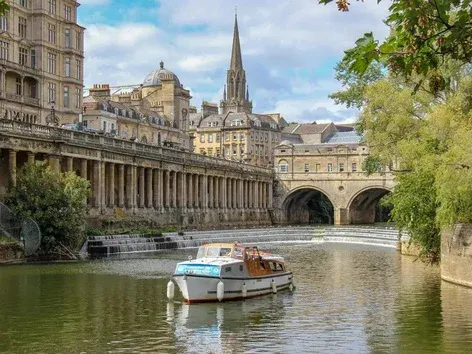
Time Out, in collaboration with Intrepid Travel, has released its annual ranking of the world’s cities with the best access to parks, gardens, and natural landscapes in 2026. The top ten includes cities from four continents—ranging from a British resort to a South African metropolis at the foot of Table Mountain. Learn more about which cities received the highest ratings from residents for their green spaces and why these locations are considered the gold standard of eco-friendly urbanism

Access to nature has long been one of the key indicators of urban quality of life—alongside transportation infrastructure and safety. Time Out has released its annual ranking of the world’s best cities for living and traveling in 2026, highlighting cities with the best access to green spaces. The survey covered 24,000 residents in 150 cities worldwide, and their ratings formed the basis of the list.
In this article, we’ll tell you which city was named the greenest capital on the planet according to Time Out, how many points Chicago, Montreal, and Singapore scored, why Medellín is called the “city of eternal spring,” and we’ll also explain how this ranking was formed and what criteria were considered during the voting.
Planning a vacation and want to protect yourself from unexpected medical expenses abroad?
The Visit World portal lets you purchase medical insurance online in just a few minutes—with coverage for emergency care, outpatient, and inpatient treatment.

How was the Time Out 2026 ranking of the world’s greenest cities compiled?
The methodology for compiling the list was as simple and transparent as possible. The Time Out editorial team asked thousands of local residents in 150 cities a single question: how they rate green spaces and access to nature in their city. Responses were scored on a scale, and the final ranking included those cities where the highest percentage of respondents selected “good” or “excellent.”
To ensure the final list reflected geographical diversity, the organizers applied an additional filter: only one city from each country made the ranking—the one with the highest score. This approach prevented any single country from dominating the list and provided a global picture of green cities. Melbourne was the overall winner of the Time Out 2026 ranking, but in the category of best green spaces, the top spot went to another city.
1. Bath (United Kingdom) — 94% positive ratings
The British resort town of Bath topped the ranking with a result that left its competitors in the dust. The city is surrounded by the picturesque countryside of Gloucestershire, and within the urban area lies a network of parks and gardens of various sizes. Among them, the 18th-century Priory Park landscape garden, managed by the National Trust of Great Britain, stands out in particular.

Photo: Visit Bath
Local authorities are systematically working to expand green spaces. Bath and North East Somerset Council has approved the “Greener Places” plan for 2025–2035, which establishes a framework for green infrastructure to enhance the area’s climate resilience.
The document covers parks, gardens, and canals as blue and green corridors, as well as sustainable stormwater management systems. The Bathgate Landscape Partnership has also prepared a detailed guide to walking routes through the city and its surroundings.
2. Chicago (USA) — 89% positive ratings
Chicago’s skyscrapers have long been the city’s hallmark, but it earned second place in the ranking of the greenest megacities thanks to its park infrastructure. One of Chicago’s unofficial nicknames is “the city in a garden,” and the statistics confirm this description. According to the Chicago Park District, there are over 600 parks within the city limits, covering a total area of more than 8,800 acres.

Photo: Shutterstock
Innovative environmental projects deserve special attention. The flagship initiative of the nonprofit organization Urban Rivers—Wild Mile—became the world’s first floating eco-park. Its environment mimics the natural wetland ecosystem that existed in this area before Chicago was built up. Boardwalks have been laid along the riverbanks, allowing for walks amidst dense vegetation.
3. Montreal (Canada) — 88% positive ratings
The largest city in the province of Quebec has a direct connection to nature even at the level of toponymy. In 1535, French explorer Jacques Cartier named the central hill with three peaks “Mont-Royal,” and it was this name that later evolved into the modern Montreal, replacing the previous one—Ville-Marie.

Photo: Viator
The city’s key green space remains the eponymous park, spanning over 190 hectares. It features trails for walking and cycling, and in winter—trails for cross-country skiing and snowshoeing. The park preserves ecologically diverse forests and wetlands, including Lake Beaver, and ornithologists have recorded over 180 bird species. The city’s green infrastructure also includes the well-maintained Botanical Gardens and Jean Drapaut Park, spread across the islands of Sainte-Hélène and Notre-Dame.
4. Riga (Latvia) — 87% positive ratings
The Latvian capital ranks among Europe’s greenest cities based on objective satellite data. According to the HUGSI.green platform, which analyzes urban green spaces using satellite imagery, 47% of Riga’s area is covered by green zones, and tree cover accounts for 39% of the territory.

Photo: Dreamstime
The city has joined the European Green City Accord initiative and committed to preserving urban parks. The main goal of this policy is to maintain the local microclimate and counteract the urban heat island effect. This phenomenon arises from the excessive concentration of asphalt and concrete, which retain significantly more heat than rural areas, and greener cities are addressing it as a distinct challenge.
5. Melbourne (Australia) — 87% positive ratings
Australia’s second-largest city, also known by its traditional name Naarm, took the top spot in the Time Out 2026 ranking. High ratings for access to nature and parks were a key factor in its victory. It would be hard to describe Melburnians’ attitude toward urban greenery as merely formal.

Photo: Adobe Stock
A telling example is a 2018 initiative in which the municipality assigned individual email addresses to 70,000 trees for reports on their condition. Instead of technical complaints, residents began sending letters to the trees—including questions such as “do you consider your fingers to be branches or roots?” The correspondence was later compiled and published by the Australian media company ABC, and the story itself became a symbol of Melburnians’ attitude toward the city’s green heritage.
6. Cape Town (South Africa) — 86% positive ratings
Cape Town is located in a valley known as the Cape Floristic Region—one of the most biologically diverse areas on the planet and a UNESCO World Heritage Site. The region is divided into 13 clusters, including Table Mountain National Park and the Garden Route.

Photo: Depositphotos
According to Cape Nature, the total area of all clusters reaches 1,094,741 hectares. A distinctive feature of this area is its unique flora: about 70% of the plants found here do not grow anywhere else in the world. This natural context directly influences residents’ perception of the city, with 86% of them rating access to green landscapes positively.
7. Singapore — 86% positive ratings
Singapore has been consistently developing the “garden city” concept since 1967. Today, about 50% of the island’s territory is covered by green spaces. According to The Telegraph, a key element of this system is the 250-acre “Gardens by the Bay” complex, built on reclaimed land and rightly called the “green lungs” of Singapore.

Photo: Shutterstock
The city-state’s next ambitious goal is to become the world’s greenest metropolis by 2030. The corresponding national strategy, “The Green Plan,” calls for planting 1 million new trees and ensuring that every home is within walking distance of green spaces.
According to the standard, the distance from any home to the nearest park should not exceed a 10-minute walk.
8. Medellín (Colombia) — 86% positive ratings
Last year, Colombia’s second-largest city topped Time Out’s ranking of the greenest cities with a score of 92%. In 2026, the score dropped by six percent, but Medellín retained its spot in the top ten thanks to an innovative approach to greening. The city’s main calling card is its so-called green corridors.

Photo: Travel Off Path
Due to consistently high daytime temperatures throughout the year, Medellín earned the nickname “the city of eternal spring,” and the municipality began systematically addressing the issue of overheating. The first green corridors along concrete streets were established in 2016, and within the next three years, the average temperature in the city dropped by 2 °C. The strategic placement of greenery has transformed ordinary thoroughfares into functional ecological arteries that simultaneously cool the air and enhance comfort in the urban environment.
9. Stockholm (Sweden) — 86% positive ratings
The Swedish capital has held a stable position among the greenest European cities for over a decade. Stockholm was the first city to be awarded the title of “European Green Capital”—it received the award in 2010 and has maintained high environmental standards ever since. According to a report by the Stockholm Chamber of Commerce, 84% of the region’s residents live within the “15-minute city” concept, with guaranteed access to green spaces.

Photo: iStock
A particular source of pride for Stockholm is the world’s first National Urban Park. Its core is the Royal Djurgården, and the total area stretches from Sörentorp and Ulriksdal to Djurgården and the island of Fjäderholmarna. This area features preserved ancient oak forests, well-maintained bike paths, and natural rocky beaches accessible to visitors.
10. Hamburg (Germany) — 85% positive ratings
Rounding out the top ten is the German city of Hamburg with a score of 85% positive ratings. The city earned its high ranking thanks to a long-term urban planning strategy that has been in place for over a century. The project is called GrünesNetzHamburg, or “Hamburg’s Green Network,” and aims to connect waterways, public gardens, suburban parks, and tree-lined streets into a single interconnected system.

Photo: Depositphotos
Hamburg also leads Europe in the field of green roofs. The city administration offers residents and businesses financial incentives to retrofit buildings in accordance with environmental standards, and this policy has resulted in a noticeable transformation of the urban landscape. This comprehensive approach combines infrastructure, architectural, and environmental solutions into a single strategy for sustainable development.
Traveling to the greenest cities in the world: how to stay safe?
Visiting the Botaanische Gärten, hiking trails around Table Mountain in Cape Town, strolling through the Royal Djurgården in Stockholm
or cycling through the green corridors of Medellín—all of this involves active recreation abroad. During such trips, it is important to arrange medical insurance that will cover potential injuries, flare-ups of chronic conditions, or sudden infections.
You can purchase reliable travel medical insurance for trips to any of the countries in the ranking on the Visit World portal. The policy covers doctor visits, outpatient and inpatient treatment, emergency dental care, and medical evacuation, and can be purchased online in just a few minutes.
Get medical insurance on Visit World and head to the greenest cities on the planet with confidence in your own safety!
Remember! Europe isn’t limited to Paris and Rome—there are cities that leave a much stronger impression without the crowds of tourists. These are the ones experienced travelers choose after dozens of trips across the continent. Read about 5 underrated European cities that can truly surprise you—follow the link.
Photo: Jetsetting Fools
Products from Visit World for a comfortable trip:
Travel guide for 200 countries;
Legal advice from a local specialist on visa and migration issues;
Travel insurance around the world (please select the country of interest and citizenship to receive services);
Medical insurance all over the world.
We monitor the accuracy and relevance of our information, so if you notice any errors or inconsistencies, please contact our hotline
Frequantly
asked questions
Which city was named the greenest in the world in 2026?
How many parks are there in Chicago, and why is it called the “City in a Garden”?
Recommended articles
2 min
Travels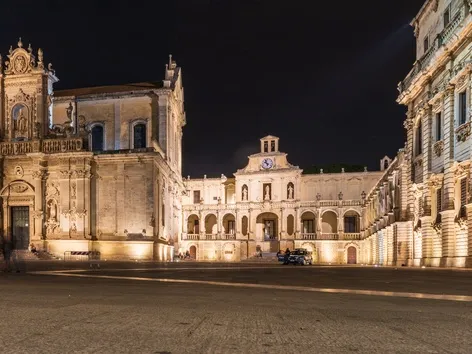
5 Underrated Italian Towns to Visit in 2026: Hidden Gems Beyond the Tourist Crowds
Italy has much more to offer than the tourist-crammed cities of Rome, Venice and Florence. Find out which five lesser-known cities will be the best alternatives to popular destinations in 2026 and why they are worth your attention
11 Apr. 2026
More details3 min
Travels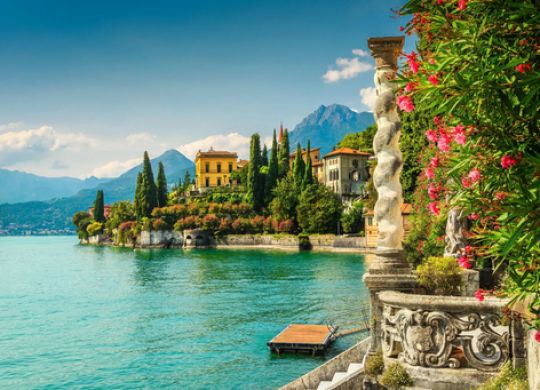
Europe's most beautiful cities without the crowds: 5 alternatives to Paris and Rome
Europe isn’t just Paris and Rome—there are cities that leave a much stronger impression without the crowds of tourists. These are the ones experienced travelers choose after dozens of trips across the continent. Learn more about 5 underrated European cities that are sure to surprise you
12 Apr. 2026
More details1 min
Travels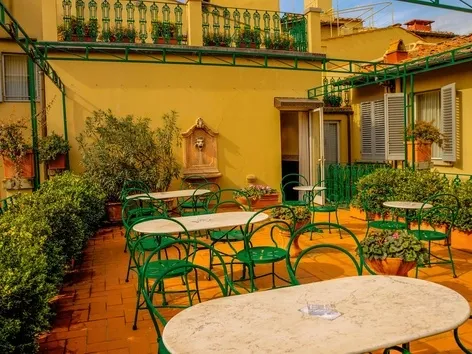
Food Tourism in Europe: Why Florence Is the Best City for Food Lovers
Foodie travel offers a new perspective on Europe through flavors and traditions. Find out why Florence tops the list of best foodie cities and what other destinations are worth visiting
12 Apr. 2026
More details3 min
Travels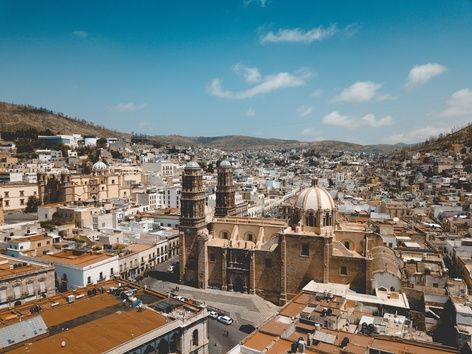
Mexico's Most Beautiful Historic Cities: 5 Destinations to Explore the Country's Colonial Heritage
Mexico’s colonial heritage attracts travelers just as much as the beaches of Cancún and Tulum, and some of the country’s historic centers are listed as UNESCO World Heritage Sites. Travel off Path has compiled a list of five cities that best capture the authentic character of Mexican architecture, cuisine, and culture. Learn more about Mexico’s best historic destinations for a cultural trip
12 Apr. 2026
More detailsAll materials and articles are owned by VisitWorld.Today and are protected by international intellectual property regulations. When using materials, approval from VisitWorld.Today is required.