

September 1 – Knowledge Day: School Calendars in Different Countries
Table of contents
- September 1: Why Is This Date Called Knowledge Day?
- Why do school years start on different dates?
- When does the school year begin in European countries?
- How are school calendars determined in the U.S. and Canada?
- Why does the school year start in the spring or fall in Asia?
- When do students return to school in the Southern Hemisphere?

In different countries, the school year doesn’t always start on September 1. Some students return to school in August, while others do so in January, March, or April. Learn more about school calendars and traditions surrounding the first day of school around the world

There is no single date for the start of the school year worldwide. In some countries, students start school on September 1, but in Finland and Denmark, classes usually begin in August; in Japan, in April; and in Australia and New Zealand, in January or February. Even within a single country, the calendar can vary depending on the region or school district.
Dates are determined based on climate, the length of summer break, exam periods, and the specifics of the national education system. Therefore, while September 1 is customary in parts of Europe, on a global scale it is just one of many options for the start of the school year. We’ll tell you when students in different countries return to their desks and what traditions accompany their first day of school.
Planning to study abroad?
Visit World’s education lawyers will help you check the requirements of your chosen country, prepare documents for admission or enrollment, and navigate the recognition of your prior education. Professional consultation will reduce the risk of rejection and help you complete the necessary procedures without unnecessary delays.

September 1: Why Is This Date Called Knowledge Day?
Knowledge Day is traditionally celebrated on September 1 in Ukraine and a number of countries in Central and Eastern Europe, the Caucasus, and Central Asia. For millions of schoolchildren, this date marks the end of summer vacation, the start of the new school year, and their first meeting with their classmates and teachers.
The uniform start date of September 1 was established in the USSR in 1935. The official name “Knowledge Day” appeared much later—in 1984. After the collapse of the Soviet Union, some countries retained this date, although the format of the first day of school has gradually changed. Instead of large-scale ceremonial assemblies, some schools hold brief meetings, introductory sessions, or themed lessons.
At the same time, Knowledge Day is not an official international holiday. The United Nations has designated January 24 as International Education Day, and on September 8, UNESCO observes International Literacy Day. In most countries around the world, September 1 remains the standard date, and the start of classes is determined by the national, regional, or local school calendar.
Even where the school year formally begins on September 1, the first classes may take place later. The date is postponed due to weekends, public holidays, or decisions by local education authorities. Therefore, September 1 should be viewed not as a universal start to the school year, but as one of several models for organizing the school year.
In our previous article, we discussed the world’s leading universities for international students in 2026.
Why do school years start on different dates?
The school calendar is shaped by climate, the length of vacations, the exam system, and the regulations of a particular country. The distribution of authority also plays a role. In some countries, dates are set by the Ministry of Education, while in others, decisions are made by regions, municipalities, or the schools themselves.
In Northern European countries, summer break often ends as early as August. In the southern part of the continent, where hot weather persists into late summer, classes may begin in the second half of September. According to the European education network Eurydice, even neighboring countries have different start dates for the school year, durations of school breaks, and numbers of school days.
In the Southern Hemisphere, the calendar is adapted to the opposite seasonal cycle. Summer breaks there fall in December and January, so students in Australia and New Zealand return to class in late January or early February. In Japan, the school year begins in April and coincides with the start of the new fiscal year.
Thus, the date of the first day of school depends not on a common international standard, but on the specifics of each country’s education system. It may also vary between regions within a single country and change from year to year.
Learn more about the Top 10 Best Universities in Europe according to the 2026 QS Rankings by following the link.
When does the school year begin in European countries?
European students return to school on different dates. In northern countries, classes often begin in the first half of August, while in southern regions, summer break can last until mid-September. There is no common calendar for the EU: each country independently determines the length of the academic year and summer break.
For the 2026/2027 school year, the dates are as follows:
1. Finland. In Helsinki, classes began on August 12, 2026. Municipalities set their own calendars, so dates may vary slightly in other cities.
2. Denmark. In Copenhagen, summer break lasted through August 10. The calendar is determined by municipalities and individual schools.
3. France. In most regions, students returned to class on September 1. In Corsica, classes were scheduled to begin on September 3.
4. Germany. Dates are set by each of the 16 federal states. For example, in Bavaria, summer vacation lasted until September 14, so classes began on September 15.
5. United Kingdom. Dates depend on the local council and the school. In some English districts, the fall semester began on September 1; in others, on September 3 or later.
6. Italy and Spain. Regional authorities make decisions. Classes generally start in the first half of September, but dates vary depending on the region and level of education.
Different school calendars help spread out tourist traffic and account for local weather conditions. In Germany, for example, summer breaks in the states begin and end in rotation. They last at least six weeks, and the schedule is coordinated by the Conference of State Education Ministers.
Parents who live in or are planning to move to Europe should check the calendar for their specific city and school. The nationwide date does not always coincide with the first day of school, especially in federal and decentralized education systems.
We previously reported on which EU countries offer the best chances to stay after graduation, find a job, and obtain permanent residency.
How are school calendars determined in the U.S. and Canada?
In the U.S. and Canada, there is no single start date for the school year. Calendars are set by states, provinces, local authorities, and school districts. As a result, students in one city may return to class several weeks earlier than their peers in another part of the country.
United States: Mid-August to September
In the southern and western states, classes often begin in August. For example, the Los Angeles Unified School District welcomed students on August 12, 2026. This early start allows the first semester to end before the Christmas break.
In the northeastern states, the school year usually begins later. In New York City public schools, the first day of school was September 10, 2026. The city’s calendar calls for classes to begin after the federal Labor Day holiday, which is observed in the U.S. on the first Monday in September.
Canada: mostly after Labor Day
In Canada, students generally return to school in early September. However, provinces and school boards set the exact dates independently. In 2026, the first day of school in Toronto and Vancouver’s public schools fell on September 8—the day after Labor Day.
The official school year may begin earlier than classes do. For example, the Toronto District School Board’s calendar covers the period from September 1, 2026, to June 30, 2027, but the first few days are set aside for teacher training. Therefore, parents should check not the general dates of the semester, but specifically the first day of classes for students.
Learn more about the features of the UK education system by following the link.
Why does the school year start in the spring or fall in Asia?
There is no single school calendar in Asia either. In some countries, the school year begins in the spring; in others, it starts in late summer or in September. The dates depend on the climate, public holidays, the exam cycle, and the structure of the education system.
1. Japan. The school year runs from April to March and is generally divided into three semesters. The first classes and formal entrance ceremonies take place in early April, when the cherry blossoms are in bloom in many regions. Summer vacation falls at the end of July and throughout August, but it does not mark the end of the school year.
2. South Korea. The first semester begins in early March, and the second in late August. The school year ends in February. This calendar is also used at many Korean universities.
3. China. The main school year usually begins on September 1 and consists of two semesters. In 2026, schools in Shanghai began classes on that very day. The dates of winter break vary each year, as they depend on the Chinese New Year celebrations.
4. India. There is no nationwide calendar. In some states, the school year formally begins in April, and after the summer break, classes resume in May or June. In regions with heavy monsoons, local authorities may adjust the dates due to weather conditions.
Families moving between countries need to take these differences into account. For example, a child who finished the school year in Europe in June will start in the middle of the first semester in Japan. The school may determine the grade based on age, previous grades, language proficiency, or entrance exam results.
Learn more about the cost of studying abroad in 2026 by following the link.
When do students return to school in the Southern Hemisphere?
In the Southern Hemisphere, December and January fall during the summer, so the long vacation covers the Christmas and New Year’s period. The new school year generally coincides with the calendar year and begins in January or February.
In 2026, students returned to school on the following dates:
1. South Africa. In public schools across all provinces, the first semester began on January 14. The school year is divided into four terms and ends in December.
2. Australia. Each state and territory has its own calendar. In eastern New South Wales, students began classes on February 2, while in the western regions of the state, classes began on February 9.
3. New Zealand. Schools were able to choose their own start date for the first semester within the period from January 26 to February 9. The remaining semesters are regulated by the Ministry of Education.
4. Argentina. Dates are set by the provinces. In Buenos Aires, preschools and elementary schools opened on February 25, and classes in secondary schools began on March 2.
This calendar does not mean that the school year is organized the same way in all countries in the region. Dates may vary depending on the climate zone, type of school, and local holidays. In Australia, differences exist even between parts of the same state, and in Argentina, each province sets its own schedule.
For families moving from the Northern Hemisphere, this can result in a gap or overlap in the school year. Before moving, it’s important to clarify in advance which grade your child will be placed in and whether you need to provide proof of completion of the previous semester.
Education regulations vary depending on the country, the type of educational institution, and the foreigner’s status. If you need help with enrollment, transfer, document legalization, qualification verification, or protecting a student's rights, contact the education lawyers at Visit World. Our specialists will analyze your situation and propose a legally sound plan of action.
We remind you! studying in Europe is becoming one of the most realistic paths to a residence permit. We've already covered which countries give you the best odds of staying on after graduation, finding a job, and moving toward permanent residency.
Products from Visit World for a comfortable trip:
Travel guide for 200 countries;
Legal advice from a local specialist on visa and migration issues;
Travel insurance around the world (please select the country of interest and citizenship to receive services);
Medical insurance all over the world.
We monitor the accuracy and relevance of our information, so if you notice any errors or inconsistencies, please contact our hotline.
Frequantly
asked questions
Is Knowledge Day celebrated around the world?
In which countries does the school year begin on September 1?
Why does the school year begin in April in Japan?
Is it possible to enroll in a school abroad in the middle of the year?
What documents are required to enroll in a school abroad?
Recommended articles
1 min
Education
Study in Europe as a pathway to residency: best countries to stay after graduation 2026
Studying in Europe is becoming one of the most realistic ways to obtain a residence permit. Find out which countries offer the best chances of staying after studying, finding a job, and moving on to permanent residence.
28 Apr. 2026
More details3 min
Education
Studying in English Abroad: The World's Leading Universities for International Students in 2026
Every year, leading universities in Europe, Asia, Australia, and Africa expand the range of English-language bachelor’s and master’s programs available to international applicants. These programs allow students to earn an internationally recognized degree in countries with moderate tuition costs and a strong academic foundation. Learn more about the world’s top ten institutions offering English-language programs for the 2026 admissions cycle
06 Jul. 2026
More details2 min
Education
Tuition Fees Abroad in 2026: Country Overview
Studying abroad in 2026 requires careful financial planning. Find out how much education costs in different countries around the world
31 Aug. 2026
More details4 min
Education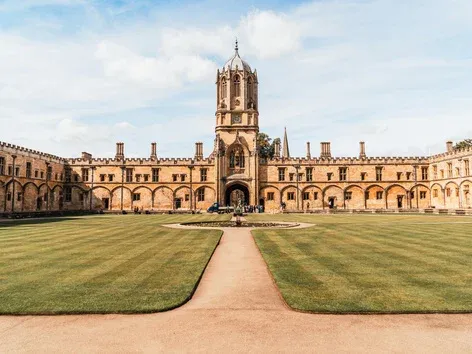
The Top 10 Best Universities in Europe According to the 2026 QS Rankings
QS has updated its regional ranking of Europe’s top universities for 2026. The top ten includes seven British institutions, two Swiss ones, and one French one, with the University of Oxford topping the list with the highest score across five key indicators. Learn more about the top 10 European universities according to QS 2026 and their distinctive features
19 Apr. 2026
More detailsAll materials and articles are owned by VisitWorld.Today and are protected by international intellectual property regulations. When using materials, approval from VisitWorld.Today is required.