

The Breakup of Great Britain: What Is Known About the Referendums?
Table of contents
- Meeting in Cardiff: What Do the Three First Ministers Have Planned?
- Key Points of the Memorandum on Self-Determination
- Scotland and Wales Plan a Course Toward the EU
- Northern Ireland: The Path Through Unification with Ireland
- Downing Street’s Response to the Initiative
- The 2014 Referendum and the Belfast Agreement

Leaders from Scotland, Wales, and Northern Ireland are drafting a memorandum on self-determination. Learn more about the possible breakup of the United Kingdom

At the summit in Cardiff, the first ministers of Scotland, Wales, and Northern Ireland plan to sign a joint document that could mark the first step toward a review of the composition of the United Kingdom. The initiative covers the economy, energy, relations with Europe, and the right to self-determination.
We’ll discuss the details of the memorandum, Downing Street’s reaction, the historical context, and the potential implications for travel and migration in this article.
Planning a trip to the United Kingdom and looking for reliable travel insurance?
The Visit World portal offers policies covering medical consultations, hospitalization, and emergency care for travelers.

Meeting in Cardiff: What Do the Three First Ministers Have Planned?
On September 14, Scottish First Minister John Sweeney, Welsh First Minister Rhun ap Yorwerth, and Northern Irish First Minister Michelle O’Neill intend to sign a joint memorandum. The document will call for the right to self-determination and the holding of referendums on independence. The British newspaper The Telegraph reported on the preparations for the meeting.
The capital of Wales has become a platform for the three regions to coordinate their positions. The leaders seek to establish a common approach to dialogue with London.
Everything you need to know about studying in the United Kingdom — follow the link.
Key Points of the Memorandum on Self-Determination
The memorandum covers five areas of joint work among the regions within their respective jurisdictions and future initiatives. The document articulates a position on the right to hold independence referendums and identifies areas for coordination between Scotland, Wales, and Northern Ireland. The main sections concern economic, energy, and European policies.
The memorandum covers the following areas:
- the economy;
- energy;
- relations with Europe;
- internal cooperation among the regions;
- the right to self-determination.
Scotland and Wales Plan a Course Toward the EU
Following a potential attainment of independence, Scotland and Wales are considering joining the European Union as separate states. Such a scenario would involve separate negotiations with Brussels regarding membership and the adaptation of legislation. For now, these plans remain statements at the political level, with no officially launched application procedures.
To pursue this path, the regions would need to change their constitutional status through a referendum. Holding such a vote requires London’s consent.
By the way, the United Kingdom will shorten the list of in-demand occupations for work visas.
Northern Ireland: The Path Through Unification with Ireland
Northern Ireland is considering another route to integration with the European Union—through unification with the Republic of Ireland. Such a scenario would allow the region to become part of an EU member state without a separate accession process. The issue of unification is governed by the 1998 Belfast (Good Friday) Agreement, which sets out the mechanism for holding a referendum on the matter.
During his visit to Dublin, U.S. President Donald Trump stated that he would like to see a united Ireland. The statement came amid intensifying discussions about the region’s future.
About PMP and British citizenship in 2026 — in this article.
Downing Street’s Response to the Initiative
British Prime Minister Andy Burnham initially hinted to lawmakers at the possibility of allowing a new referendum on Scottish independence if there were a clear consensus. He later revised his position, noting that such a scenario is unlikely. The Prime Minister also emphasized that there is no clear basis for believing that a majority of Northern Ireland’s residents currently wish to secede from the United Kingdom.
John Sweeney, in response, spoke of the undeniable momentum of the independence movement. The First Minister of Scotland suggested that Burnham might go down in history as the last Prime Minister of Great Britain.
See also:Healthcare in Great Britain. Treatment conditions, insurance, medical tourism.
The 2014 Referendum and the Belfast Agreement
The previous referendum on Scottish independence took place in September 2014. Fifty-five percent of voters supported the region remaining part of Great Britain, while 45 percent voted for independence. Northern Ireland has a separate mechanism: under the 1998 Belfast Agreement, the Secretary of State for Northern Ireland is required to call a referendum if there is majority support among voters for unification with Ireland.
Both legal frameworks remain the basis for discussions regarding new referendums.
Formal procedures require coordination with London or compliance with the terms set forth in the agreement.
Remember! Medical care in the United Kingdom remains fee-based for foreigners, so an insurance policy covers the costs of medical consultations, hospitalization, and emergency care while traveling. The Visit World portal offers policies with medical coverage for trips to Scotland, Wales, Northern Ireland, and England.
Purchase an insurance policy on the Visit World portal before you leave to protect yourself from unexpected expenses while traveling!
A reminder! In our previous article, we discussed where to go in England besides London, as well as the country’s most beautiful places.
Photo: Magnific
Products from Visit World for a comfortable trip:
Checklist for obtaining a visa and necessary documents in Great Britain;
Legal advice on immigration to Great Britain;
Travel insurance for foreigners in Great Britain;
Medical insurance all over the world.
We monitor the accuracy and relevance of our information. Therefore, if you see any error or discrepancy, please write to our hotline.
Frequantly
asked questions
Will Scotland leave the United Kingdom in 2026?
When was the referendum on Scottish independence?
Recommended articles
3 min
Travels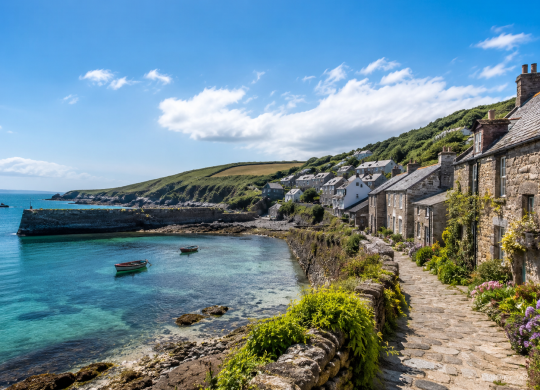
Where to Go in England Besides London: The Country's Most Beautiful Places
London remains the UK’s top tourist destination, but more and more travelers are seeking out less crowded and more atmospheric destinations. From islands with turquoise waters to medieval towns and picturesque coastlines, England has far more to offer than meets the eye. Learn more about the country’s most interesting places to add to your itinerary in 2026
31 May. 2026
More details2 min
Work
UK to Reimburse Visa Costs for Employers: New Opportunities for Foreign Workers in 2026
The UK is launching new business support programmes, including work visa reimbursement and fast-track sponsorship licences. Find out how the changes will affect international companies and professionals planning to work in the UK
16 Jun. 2026
More details2 min
Work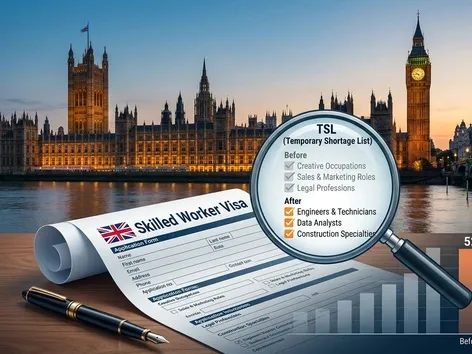
UK to Cut Shortage Occupation List for Skilled Worker Visas to 28 Roles From 2027
The UK is considering reducing its temporary list of shortage occupations from 52 to 28. Find out which occupations could remain on the list and which will lose their eligibility for a simplified work visa from 2027
29 Jul. 2026
More details2 min
Employment
UK Work Visas: New Rules for Foreign Nationals
The United Kingdom is revising its work visa system for foreign professionals. The changes will affect a number of visa categories. Learn more about the new rules
08 Sep. 2026
More detailsAll materials and articles are owned by VisitWorld.Today and are protected by international intellectual property regulations. When using materials, approval from VisitWorld.Today is required.