

How Much Does Oktoberfest 2026 Cost: Budget, Prices, and Tips for Tourists
Table of contents
- Oktoberfest 2026 has already begun: what’s new for tourists this year
- Oktoberfest is more than just a beer festival
- The beer at Oktoberfest is special: what’s actually served in the tents
- How much will a trip to Oktoberfest cost in 2026?
- Dirndls and Lederhosen: Do Tourists Need to Dress in Bavarian Style?
- How do you get into a beer tent if you don’t have a reservation?
- Oide Wiesn: the part of Oktoberfest that many tourists miss
- What to eat at Oktoberfest if you’re not just there for the beer?
- How to prepare for Oktoberfest and avoid ruining your trip?
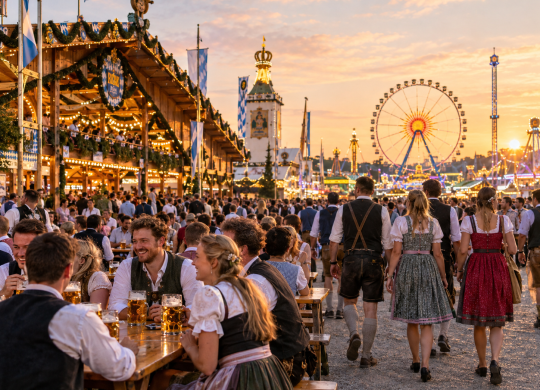
Oktoberfest 2026 has already kicked off in Munich and will run through October 4. Here’s what’s new for festival-goers, how much beer, food, and entertainment cost, and what you should know before you go

Oktoberfest 2026 is taking place in Munich from September 19 to October 4 at the Theresienwiese. This year, the festival will last 16 days and will once again feature traditional beer tents, Bavarian cuisine, music, attractions, and the historic Oide Wiesn. At the same time, in 2026, the organizers have introduced a number of new features for tourists, and the price of a liter Maß of beer has reached €14.80–15.90.
Planning a trip abroad?
Insurance from the Visit World portal will help you avoid unnecessary risks. The policy covers the costs of medical treatment, emergency assistance, and unforeseen situations abroad, so that even in the event of delays or route changes, you remain protected and can focus on your trip rather than on problems.

Oktoberfest 2026 has already begun: what’s new for tourists this year
The 191st Oktoberfest opened in Munich on September 19 and will run through October 4, 2026. This year, the festival occupies 34.5 hectares of the Theresienwiese, and 478 establishments, attractions, retail outlets, and other operators have been admitted to participate. The organizers have also updated the security system, infrastructure, and some of the entertainment offerings, so even those who have already visited the Wiesn will notice several significant changes this year.
Among the main new features of Oktoberfest 2026:
1. A new coordination center for crowd control – the city has stepped up monitoring of crowd density and coordination among security services to respond more quickly to excessive crowds
2. Three new large attractions—Shake & Roll, the three-story water ride Fisherman’s, and the extreme Chaos Pendel, which lifts passengers dozens of meters above the ground
3. 10 free drinking fountains are operational throughout the festival grounds, including near the Oide Wiesn, the family zone, and key infrastructure sites
4. More cashless payment options—more than half of the food stands and rides already accept bank cards, though it’s not yet advisable to completely do away with cash
5. Music in the large tents starts earlier: on weekdays, traditional brass bands can play starting at 11:00 a.m., and on weekends, starting at 10:00 a.m. Only traditional Bavarian music is allowed before noon
6. New accessibility measures—the festival has introduced the Hidden Disabilities Sunflower initiative for people with invisible disabilities and the option to reserve wheelchairs online in advance
The lost and found office has also been relocated: starting in 2026, it will be located not directly at the Wiesn service center, but at the Deutsches Museum Verkehrszentrum near Theresienwiese. Items from the tents and rides are not delivered there until the following day at the earliest, so organizers advise waiting one or two days before making an inquiry.
Another important change concerns crowd management. Munich has launched the “How to Wiesn” campaign, which advises tourists to visit on weekdays, use different entrances, and avoid wasting time in long lines at overcrowded tents.
If a popular tent is already closed to new guests, the organizers suggest first taking a stroll down Schaustellerstraße or visiting the historic Oide Wiesn.
In our previous article, we covered the festival program, table reservations, admission rules, and travel costs.
Oktoberfest is more than just a beer festival
Oktoberfest is often associated first and foremost with huge mugs of beer, but at its core, it is a traditional Bavarian folk festival. The Theresienwiese hosts nearly 40 festival tents, both large and small, and over a hundred attractions, and the Wiesn itself combines cuisine, live music, traditional clothing, fairground entertainment, and family fun. Every year, millions of people from all over the world visit the festival.
The history of Oktoberfest dates back to 1810, to the wedding of Crown Prince Ludwig and Princess Therese of Saxe-Gildburghausen. To celebrate the occasion, a grand festival featuring horse races was organized for the residents of Munich on a meadow outside the city. The tradition took root, and the venue came to be known as Theresienwiese, or “Theresa’s Meadow.” This is also the origin of the festival’s popular local name—Wiesn.
Today, Oktoberfest should be viewed as a distinct aspect of Bavarian culture. During the day, families with children stroll through the grounds, and there are carousels, a Ferris wheel, fairground games, and dozens of food stalls. Tuesdays are traditionally designated as Family Days: until 7:00 p.m., many attractions and establishments offer special prices for families. For guests with small children, there is also a separate Familienplatzl with rest areas, stroller parking, changing tables, and other amenities.
A separate section of the festival is the Oide Wiesn, where the atmosphere of Oktoberfest from past decades is recreated. Here you’ll find historic carousels and rides, a museum tent, traditional musical performances, and more intimate beer pavilions. This area covers about 3.5 hectares, and a ride on the historic attractions will cost just €1.50 in 2026.
That’s why coming to Oktoberfest just for a few Maß means missing out on a significant part of the festival. To fully experience the Wiesn, you should walk through the entire grounds at least once, pop into various tents, listen to the brass bands, try Bavarian dishes, ride one of the historic attractions, and set aside some time for the Oide Wiesn.
The beer at Oktoberfest is special: what’s actually served in the tents
At Oktoberfest, you can’t just bring any German beer and sell it under the festival’s name.
Only six traditional Munich breweries are allowed to serve beer at the Wiesn: Augustiner-Bräu, Hacker-Pschorr, Löwenbräu, Paulaner, Spaten, and Hofbräu München. The festival itself is officially considered a celebration of Munich beer, so the beer’s origin is part of the tradition here—not just a marketing ploy.
The festival’s main symbol is the Maß, or one-liter mug. In 2026, a liter of beer at Oktoberfest costs between €14.80 and €15.90, depending on the tent. For comparison, in 2025 the range was €14.50–15.80, so the average price increase this year was 2.38%. Among the large tents, the cheapest beer can be found at the Augustiner-Festhalle for €14.90, while in several popular tents the price reaches €15.90.
Oktoberfestbier is typically stronger than regular lager, so a one-liter Maß should be taken more seriously than a standard bottle or glass of beer. During the festival, guests drink an average of 6–7 million liters, which clearly illustrates the scale of the Wiesn.
However, alcohol is not a mandatory part of the experience here. You can order non-alcoholic beer in every beer tent, and there are free drinking water stations throughout the festival grounds. You’ll have to pay extra for water in the tents: in 2026, a liter of mineral water in most large pavilions costs approximately €10–13.60.
Another detail that often surprises tourists: the famous glass Maßkrug is not included in the price of the drink. You cannot take the mug from the tent as a souvenir. If you want to bring one home, it’s better to buy the official souvenir version at a special retail outlet.
There are 14 large and 21 small beer tents at Oktoberfest, with three additional festival pavilions located at the Oide Wiesn. Each has its own atmosphere, music, menu, and brewery, so the experience can vary significantly from one tent to another.
In our previous article, we wrote about Eurovision 2027 in Burgas: where to stay and what to see in the city.
How much will a trip to Oktoberfest cost in 2026?
Admission to the Oktoberfest grounds and to most beer tents is free, but the trip itself is unlikely to be budget-friendly. The biggest expenses are accommodation in Munich, food, drinks, and entertainment. If you’re planning just one day at the Wiesn without a hotel, you should budget at least €60–100 per person, while a comfortable day with a few drinks, a full meal, and rides can easily exceed €100–150.
Beer and Beverages
In 2026, a liter of Maß beer costs €14.80–15.90. Restaurant owners set the price themselves, and the city verifies that it aligns with the general price level at Munich establishments. On average, beer prices have risen by 2.38% compared to 2025.
Non-alcoholic beverages aren’t cheap either. The average price per liter of table water is about €11.13, lemonade is €12.35, and the popular Spezi is €12.84. At the same time, there are free drinking water stations on the festival grounds, so bringing a water bottle can significantly cut down on expenses.
Food
At Oktoberfest, it’s easy to spend at least as much on food as on beer. The menus at the large tents traditionally feature Hendl (roast chicken), Schweinshaxe (pork knuckle), sausages, large Brezel, Käsespätzle, fish, and desserts. Prices vary depending on the specific tent and portion size, so it’s wise to budget about €15–30 per person for a full meal.
If you reserve a table in a large tent, the reservation itself is usually free, but you’ll need to purchase food and drink vouchers in advance. A typical minimum order is roughly two Maß of beer and half a roast chicken per person. For a table of 8–10 guests, the total cost of vouchers averages around €350.
Rides and Oide Wiesn
There’s no admission fee for the main Oktoberfest grounds, but rides are paid for separately. If you plan to ride at least two or three popular attractions, it’s best to add about €15–30 to your budget right away.
The historic Oide Wiesn area has a separate entrance, but some of the vintage rides there are significantly cheaper than the modern thrill rides in the main area. This area can be a good option for those who want to experience the traditional Oktoberfest without constantly spending a lot of money.
Accommodations in Munich
The biggest expense for a tourist coming from another city or country is lodging. During Oktoberfest, demand for hotels skyrockets, so good options near the city center and Theresienwiese get booked up quickly.
You can save money by looking for accommodations not right next to the festival grounds, but near S-Bahn or U-Bahn stations in more outlying neighborhoods. Munich has an efficient public transit system, so staying a few stops away from the city center is often more cost-effective than overpaying for the convenience of walking to the Wiesn.
Transportation
Theresienwiese is located close to the city center, so for most tourists, the most convenient option will be the subway, city train, or tram. You can reach the festival via the Theresienwiese, Goetheplatz, Schwanthalerhöhe, or Hackerbrücke stations.
During peak hours, it’s best to save a taxi for emergencies: traffic jams and high demand can make such a trip more expensive and slower than public transportation.
How much money do you need for a day at Oktoberfest?
For a rough budget, you can use the following as a guide:
- Two Maß of beer – about €30–32
- A full meal – approximately €15–30
- A snack or Brezel – another €5–10 or so
- A few rides – roughly €15–30
- Public transportation – a few more euros depending on the ticket.
All in all, a single active day at the festival without accommodations can cost about €70–120 per person, and if you add more drinks, souvenirs, and popular attractions, it can exceed €150.
For a weekend trip, the budget will depend heavily on your accommodation. That’s why, for those planning Oktoberfest in advance, it’s more cost-effective to book a hotel as early as possible and not limit yourself to the area around Theresienwiese.
Dirndls and Lederhosen: Do Tourists Need to Dress in Bavarian Style?
Traditional Bavarian clothing isn’t mandatory at Oktoberfest, but it has long been part of the festival’s atmosphere. Many locals and tourists come dressed in dirndls and lederhosen, but you’ll also be allowed into the festival grounds and the tents without any problems if you’re wearing regular everyday clothes. The main thing is comfort, since a day at the Wiesn involves a lot of walking, standing in lines, and spending time in crowded pavilions.
The traditional women’s Dirndl costume usually consists of a dress, a blouse, and an apron. The men’s outfit is based on Lederhosen—leather pants or shorts—a shirt, knee-high socks, and traditional footwear. In Munich, there are plenty of shops and rental locations open before Oktoberfest, so it’s not necessary to buy an expensive outfit just for one day.
The most well-known detail of the dirndl is the position of the bow on the apron. According to traditional interpretation, it can indicate a woman’s marital status:
- Bow on the left – single or unattached
- On the right—in a relationship or married
- In the center—interpretation depends on the region and context
- In the back—traditionally, this is how a widow’s or a female employee’s apron might have been tied
Today, these rules are viewed more as a cultural tradition than as a strict social code, so you definitely shouldn’t jump to conclusions based solely on the bow’s position.
Another point to consider is the quality of the costume. Cheap plastic carnival outfits or overly theatrical looks can seem out of place. If you want to dress in Bavarian style, it’s better to choose a simple, authentic, or rented outfit without excessive embellishment.
How do you get into a beer tent if you don’t have a reservation?
Not having a reservation doesn’t mean it’s impossible to get into a beer tent. Large pavilions set aside some seats for guests without reservations, but on weekends and in the evenings, demand is so high that they may temporarily close the entrance due to overcrowding.
The best strategy is to arrive early. On weekdays, your chances of finding an open seat are much higher before lunch or in the morning. On Fridays and Saturdays, the situation is more challenging: popular tents fill up quickly, so trying to arrive in the evening without a reservation often results in a long wait or being turned away.
Here’s what really improves your chances:
- Visit on weekdays, especially before noon
- Don’t fixate on just one popular tent
- Look for a spot in smaller pavilions
- Be prepared to share a table with other guests
- Avoid peak hours on Saturday evenings
Another important detail: even if you’ve made it inside a tent, that doesn’t guarantee you’ll be served without a seat at a table. In many pavilions, orders are taken only from guests who are already seated at tables. So sometimes it’s more effective not to wait at the entrance to an overcrowded tent, but to head straight to another one.
Oide Wiesn: the part of Oktoberfest that many tourists miss
Oide Wiesn is the historic part of Oktoberfest, where the festival feels much closer to its traditional roots. There are fewer modern thrill rides here, and more vintage carousels, folk music, dancing, and a classic Bavarian atmosphere. For tourists, this is a great way to see a different side of the Wiesn, one that’s easy to miss amid the large beer tents and crowds.
The area occupies a separate section of Theresienwiese and operates under its own format. Here you’ll find historic attractions, a museum pavilion, traditional shows, and several tents with a more relaxed atmosphere. Some of the entertainment is cheaper than in the main area, so the Oide Wiesn is often popular with families with children and those who don’t want to spend the whole day amid the biggest crowds.
Another advantage is that here you can really feel how Oktoberfest grew out of a folk festival rather than a modern festival spectacle. Old carousels, brass bands, traditional costumes, and local cuisine create a completely different vibe than in the most popular pavilions.
For your first visit to Oktoberfest, you should set aside at least an hour for the Oide Wiesn. This is especially true for those who want not only to experience the festival but also to see its historical side and better understand why the Wiesn means so much more to Munich than just beer season.
What to eat at Oktoberfest if you’re not just there for the beer?
Oktoberfest’s cuisine is just as important as its beer traditions. Large tents and numerous food stalls serve classic Bavarian dishes, hearty meat snacks, pastries, fish, and desserts. So even for guests who don’t plan to drink beer, the festival easily becomes a culinary experience in its own right.
Among the dishes most often chosen by tourists are:
- Hendl – roasted chicken with a crispy skin, one of the main culinary classics of the Wiesn
- Schweinshaxe – pork knuckle, usually served with potato sides or dumplings
- Weißwurst—traditional Bavarian white sausages, especially popular in the morning
- Brezel—a large, salty pretzel, often ordered as a snack to go with drinks
- Käsespätzle—soft egg noodles with cheese and sautéed onions, a great meatless option
- Steckerlfisch – a whole fish roasted on a long skewer over charcoal
- Lebkuchenherzen – decorative heart-shaped gingerbread cookies, often bought as souvenirs
In the large tents, the menu is usually more extensive, but the prices are also higher. If your goal is to try several different dishes without spending too much, it’s better to combine one main course in a pavilion with snacks from street vendors. This approach lets you get a better feel for the local cuisine without blowing your entire budget on a single dinner.
It’s also worth paying special attention to vegetarian and vegan options. Their selection has grown significantly in recent years: at the festival, you can find cheese dishes, salads, plant-based versions of traditional appetizers, desserts, and non-alcoholic beverages.
It’s best not to limit yourself to just one tent. The menus and specialties vary from pavilion to pavilion, so a culinary stroll through the grounds can be just as interesting as visiting the most famous beer halls.
How to prepare for Oktoberfest and avoid ruining your trip?
Even a well-planned day at Oktoberfest can quickly turn into chaos if you don’t take into account the crowds, the weather, transportation, and the unique characteristics of the tents themselves. Most problems arise not because of the festival itself, but because of an overloaded schedule, attempts to get into the most popular pavilions during peak hours, and underestimating expenses.
Before your trip, it’s worth keeping a few practical tips in mind:
- Arrive in the morning, especially on weekends
- Don’t plan your entire day around a single tent
- Carry a small amount of cash, even though cards are increasingly accepted
- Wear comfortable shoes, as you’ll be doing a lot of walking throughout the day
- Don’t bring large bags or unnecessary items
- Check the route back to your hotel and public transportation schedules in advance
- Agree on a specific meeting spot with your group in case someone gets lost in the crowd
- Don’t leave your phone, wallet, or documents unattended in crowded pavilions
Alcohol deserves special attention. A liter-sized Maß may seem like a regular glass, but festival beer is usually stronger than standard lager. If your day includes several tents, rides, and a long walk through the city, it’s safer to alternate alcohol with water and eat properly throughout the day.
Also, don’t plan Oktoberfest as a marathon from morning until late at night. A single full day at the Wiesn already includes several hours in the tents, a walk around the grounds, food, the Oide Wiesn, and rides. An overly packed schedule only increases fatigue and expenses, while a more leisurely pace allows you to better soak up the festival atmosphere.
For tourists visiting Munich from abroad, it’s also worth adding travel insurance to your budget. During a major festival, it’s especially important to have coverage in case of injuries, medical emergencies, lost luggage, or other unforeseen situations while traveling.
Are you preparing for a trip abroad in 2026?
Medical insurance from the Visit World portal will provide reliable support during your trip, especially in the context of flight changes and unstable schedules. The policy covers medical expenses, emergency assistance, and other unforeseen situations outside the country, so you can feel confident even when plans have to be adjusted at the last minute.
We remind you! Croatia is stepping up its fight against drunken tourists by introducing new restrictions in popular resort cities. Split became the first city in the country to introduce strict rules on alcohol sales this summer. Read more about the new bans, hefty fines for tourists, and changes in Croatia's tourism strategy.
Products from Visit World for a comfortable trip:
Travel guide for 200 countries;
Legal advice from a local specialist on visa and migration issues;
Travel insurance around the world (please select the country of interest and citizenship to receive services);
Medical insurance all over the world.
We monitor the accuracy and relevance of our information, so if you notice any errors or inconsistencies, please contact our hotline
Frequantly
asked questions
When is Oktoberfest 2026?
How much does it cost to get into Oktoberfest?
How much will a beer cost at Oktoberfest in 2026?
Can you get into a beer tent without a reservation?
Do you have to wear a dirndl or lederhosen?
Recommended articles
3 min
Events
Who Won Eurovision 2026: Final Results, Best Performances and Biggest Contest Scandals
The Eurovision 2026 final was one of the most talked-about music shows of the year: the contest was memorable for its unexpected results, record-breaking viewer ratings and several high-profile scandals surrounding the voting. The winner received hundreds of points and managed to overtake the bookmakers’ main favourites in a tense battle that went down to the wire. Find out who won Eurovision 2026, which countries made it into the top 10, how many points the contestants received, and which moments from the final were the most talked-about in Europe
17 May. 2026
More details3 min
Events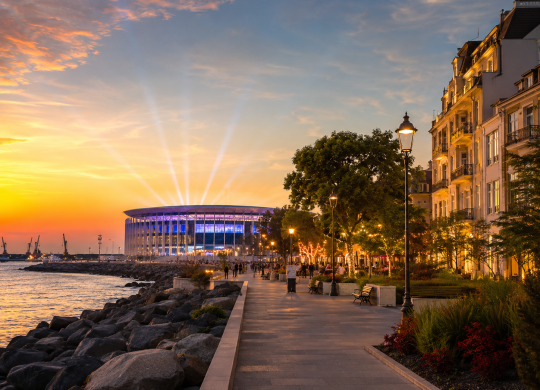
Eurovision 2027 in Burgas: Where to Stay and What to See in the City
In May 2027, Burgas, Bulgaria, will become one of Europe’s leading music capitals: it is here that the two Eurovision semifinals and the final will take place. Find out when the contest will be held, where to look for accommodations, how to get to the city, and which places to include in your itinerary
22 Aug. 2026
More details3 min
Events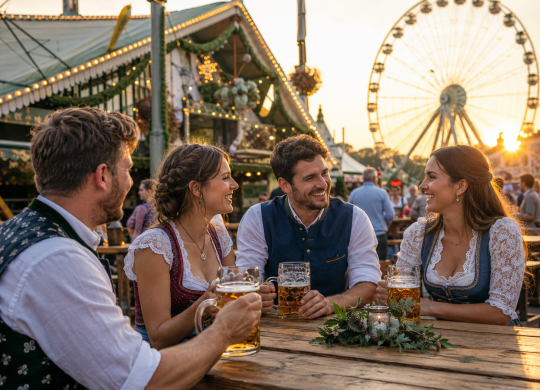
Oktoberfest 2026 in Munich: Dates, Program, Prices, and Rules for Tourists
Oktoberfest 2026 will kick off in Munich on September 19 and run for 16 days. This year, a liter of festival beer will cost up to 15.90 euros, and the most popular tents may fill up before noon. Learn more about the festival program, table reservations, admission rules, and travel costs
01 Sep. 2026
More details3 min
Events
Emmy Awards 2026: Winners, Records and Biggest Moments
The Emmy Awards ceremony honored the best series and television productions of the 2025–2026 season. The top prizes went to *The Pitt*, *Widow’s Bay*, and *DTF St. Louis*, and the ceremony itself set several new records. Learn more about the 2026 Emmy winners, the highlights of the evening, and the shows you should add to your watchlist
15 Sep. 2026
More detailsAll materials and articles are owned by VisitWorld.Today and are protected by international intellectual property regulations. When using materials, approval from VisitWorld.Today is required.