

Amsterdam Plans to Raise Tourist Tax to 16% in 2027: What Visitors Pay
Table of contents
- What is the tourist tax in Amsterdam now?
- How would the Amsterdam tourist tax change from 2027?
- Why does Amsterdam want to raise the tourist tax?
- How many tourists stay in Amsterdam?
- Could a higher tax change how visitors spend their evenings?
- What is still unknown about the impact of the tax rise?
- What should travellers do when planning a stay in Amsterdam?
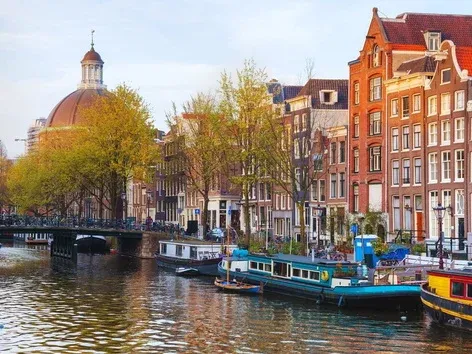
Amsterdam's governing coalition plans to raise the tourist tax on overnight stays from 12.5% to 16% in 2027 and then step by step towards 20%. Learn more about the current rate, who collects it, the latest visitor figures and how to budget a stay and evenings out in the city

Amsterdam may become a more expensive place to spend the night. The governing coalition of the Dutch capital has published a programme that would raise the tourist tax on overnight stays from the current 12.5% of the room price to 16% in 2027, followed by annual percentage-point increases towards 20%.
The plan matters to anyone booking a hotel, hostel, apartment or campsite in the city in the coming years. According to Travel And Tour World, it has also started a wider debate in the Netherlands: whether visitors who choose cheaper accommodation outside the centre will still stay in Amsterdam for dinner, a show or an evening tour, and where their money will end up.
Planning a trip to Amsterdam and want to know what it will really cost?
Taxes on accommodation, transport between the city and the region, opening hours and local rules all shape the budget of a city break. The Travel guide from Visit World gathers the practical information on your destination in one place, so you can plan the route, the stay and the evenings in advance. Choose your Travel guide and plan your trip with confidence.

What is the tourist tax in Amsterdam now?
According to the City of Amsterdam's tourist tax guidance, the overnight levy is currently 12.5% of the accommodation price, excluding VAT.
The tax applies to a wide range of places to stay:
- hotels;
- hostels;
- apartments;
- short-stay rentals;
- campsites.
Guests do not pay the tax to the city themselves. The accommodation provider collects the charge from the guest and then remits it to the municipality, so it normally appears in the final bill for the stay.
How would the Amsterdam tourist tax change from 2027?
The coalition programme, published by the parties governing the city, proposes a first increase to 16% in 2027. After that, the rate would rise every year by percentage points until it approaches 20%.
The programme sets out political intentions, not a rate already in force. Travellers should distinguish between this plan and the rate legally applicable to their stay: the city's current guidance still lists 12.5%.
About how much tourists pay extra for a holiday in Europe in 2026 — read more at the link.
Why does Amsterdam want to raise the tourist tax?
The city's aim goes beyond collecting more money from hotel guests. According to the coalition programme, higher tourist tax receipts should help pay for:
- management of the city;
- maintenance;
- enforcement;
- improvements to the living environment.
The stated intention is that visitors contribute more towards the facilities they use. The tax plan is part of a broader approach set out in the municipality's tourism policy, which supports spreading visitors across the city, limiting nuisance and encouraging businesses that benefit residents.
The measures in that policy include tackling organised pub crawls, changes to hotel policy and earlier closing times for hospitality venues. This means the city is not trying to protect all evening activity equally: it separates activities residents value, such as culture, from behaviour it wants to restrict.
Amsterdam is not the only European city taking this route. Earlier this year, Vienna raised its tourist tax as well.
Visit World services for tourists, migrants, and expats: Insurance | Guides | Legal advice
How many tourists stay in Amsterdam?
The latest figures do not show an accommodation market in decline. The municipal research department, Onderzoek en Statistiek, reported in October 2026 that:
- Amsterdam received about 10.1 million overnight visitors in 2025;
- their stays added up to around 24 million overnight nights;
- hotels and hostels accounted for 22.2 million of those nights, 4% more than in 2024;
- provisional figures show hotel nights in Amsterdam up by 3% between January and July 2026, while the national total for the Netherlands declined.
Visitors and overnight stays measure different things: one visitor can spend several nights in the city. These figures show the scale of tourism, but they say nothing about how much visitors spend after dark.
Could a higher tax change how visitors spend their evenings?
The possible effect on the evening economy is indirect. The choice of where to stay shapes the practical side of a visit, including the journey back after dinner or a performance.
A traveller comparing a central Amsterdam hotel with accommodation elsewhere in the region weighs more than the room rate. The calculation includes transport costs, travel time and the return trip after an evening activity.
Two outcomes are possible, and neither has been confirmed by official research:
- a lower room bill could leave more money for a restaurant;
- an inconvenient journey back could discourage an extra booking, such as a theatre ticket or an evening tour.
For restaurants, theatres and evening tour operators, the key question is whether accommodation location changes the timing and destination of spending. Overall attendance can stay high while some individual businesses see weaker demand.
What the city's own research shows
In June 2026, Onderzoek en Statistiek published a study of trading conditions in the tourism sector. It found that part of the growth in accommodation was taking place outside the city centre, while hotel capacity was expanding elsewhere in Amsterdam and in the surrounding region.
The researchers also described changing visitor preferences and spending patterns. Results differed from business to business: some hospitality, retail and cultural operators reported growth, while others saw declines.
This research was carried out before the proposed 2027 increase and cannot show any damage from a future rate. It does show, however, that tourism growth across the city as a whole does not mean every neighbourhood or evening venue benefits equally.
What is still unknown about the impact of the tax rise?
According to Travel And Tour World, a fair assessment would need to separate evening spending by accommodation location, type of activity and departure time. Restaurant reservations, performance attendance and bookings with tour operators could reveal such patterns, taking into account seasonality, prices and changing visitor preferences.
The official material reviewed by the publication leaves several points open:
- no data link the proposed increase to a fall in evening spending;
- no figures quantify jobs lost because of tax-related changes in evening spending;
- no route cancellations or capacity cuts by airlines or airports are attributed to the proposal.
For now, the evening economy in Amsterdam remains an open question rather than a verdict. Policymakers will need evidence on whether the measures reduce nuisance while supporting the activities residents also value.
About tourist taxes in Italy, France, Spain and other European countries — read more at the link.
What should travellers do when planning a stay in Amsterdam?
The tax plan does not change the rate for current bookings, but it is worth checking the full cost of a stay in advance, especially for trips in 2027 and later. Three practical steps:
- Budget for the right rate. The city guidance lists 12.5%, excluding VAT. For a future stay, ask the accommodation provider to confirm the applicable rate and the final price you will pay.
- Check where the property really is. Accommodation outside the centre can still be within the Amsterdam municipality and subject to its tourist tax. Check the property's municipal location and ask for a quotation that includes the tax.
- Plan evenings and accommodation together. Before booking, compare the finishing time of a concert, show or tour with the actual journey back, including transfers and any late-night transport costs.
Comparing the complete cost of the trip, not just the room rate, helps avoid surprises at checkout and on the way home after an evening out.
A city break in Amsterdam is easier to plan when transport, local rules and costs are clear from the start. Get the Visit World Travel guide for your destination and build your itinerary before you book.
We remind you! In our previous article, we wrote about how Malta plans to raise its tourist tax fivefold in 2027 and what a holiday on the islands will cost.
Products from Visit World for a comfortable trip:
Travel guide for 200 countries;
Legal advice from a local specialist on visa and migration issues;
Travel insurance around the world (please select the country of interest and citizenship to receive services);
Medical insurance all over the world.
We monitor the accuracy and relevance of our information, so if you notice any errors or inconsistencies, please contact our hotline.
© 2018-2026, Visit World. Use, copying or reprinting of materials on this site is permitted only with a link (hyperlink for online publications) to Visit World. All rights reserved.
Frequantly
asked questions
What is the tourist tax in Amsterdam now?
Will the Amsterdam tourist tax rise in 2027?
Who collects the tourist tax in Amsterdam?
Can staying outside central Amsterdam help avoid the tourist tax?
What will the money from the higher Amsterdam tourist tax pay for?
Recommended articles
3 min
Travels
Tourist Taxes in Europe in 2026: How Much Do You Pay Extra for a Vacation?
The hotel rate at the time of booking does not always include the tourist tax. The amount of the additional charge depends on the city, the accommodation category, the season, and the length of stay. Learn more about tourist taxes in Europe in 2026, local regulations, and exemptions to help you plan your travel budget more accurately
20 Sep. 2026
More details2 min
Travels
Vienna Has Raised Its Tourist Tax: How Much Will You Have to Pay in 2026?
Staying in Vienna has become more expensive: the city has raised the tourist tax and plans to increase it again in 2027. Learn more about the new rates, how the tax is calculated, and additional costs when booking a hotel
20 Jul. 2026
More details1 min
Travels
Europe tourist tax 2026: Italy, France, Spain and Other Countries Increase Travel Costs for Visitors
European countries are introducing new tourist taxes, entrance fees and fines from 2025–2026. Find out where and for what tourists will have to pay more and how to prepare for their trip
26 Dec. 2025
More details4 min
Travels
Malta to Raise Tourist Tax Fivefold: How Much Will a Holiday Cost in 2027?
Malta will raise its tourist tax more than fivefold in 2027. Learn the new nightly rates, caps, exemptions, cruise fee and Gozo ferry fares
04 Nov. 2026
More detailsAll materials and articles are owned by VisitWorld.Today and are protected by international intellectual property regulations. When using materials, approval from VisitWorld.Today is required.