

Europe tourist tax 2026: Italy, France, Spain and Other Countries Increase Travel Costs for Visitors
Table of contents
- Italy: entrance fees, restrictions and new rules for tourists
- France: more expensive tickets and control of tourist behavior
- Spain: Tourist and environmental taxes
- Greece: More expensive attractions and cruise fees
- United Kingdom: ETA and city taxes
- Belgium: Municipal tax rate
- Netherlands: Amsterdam makes tourism more expensive
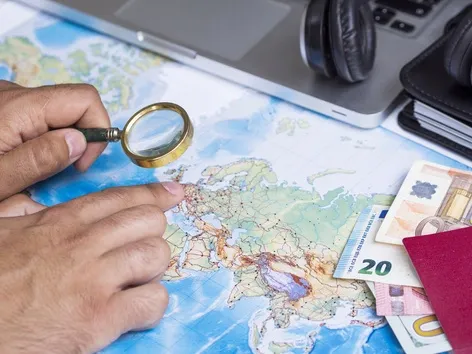
European countries are introducing new tourist taxes, entrance fees and fines from 2025–2026. Find out where and for what tourists will have to pay more and how to prepare for their trip

Europe is entering a new era of tourism regulation. Italy, Spain, France, the UK, Greece, Belgium, the Netherlands and other countries are introducing new tourist fees, entrance fees, environmental taxes and even fines for behavior. The main goal of these changes is to combat overtourism, protect cultural heritage and finance urban infrastructure. For tourists, this means one thing: traveling in Europe is becoming more expensive and requires more careful planning.
In this article, we will tell you what fees and fines travelers should prepare for in Europe in 2026.
Planning a cheap city break in Europe? Read here about 10 budget cities to travel in 2026.
Traveling in Europe by car? Check the vignette in advance
In addition to tourist fees, many European countries have a mandatory vignette for using motorways. Not having one can lead to significant fines even during your first trip.
Buy a vignette online before your trip and travel around Europe without the risk of fines and unnecessary expenses.

Italy: entrance fees, restrictions and new rules for tourists
Italy has become one of the flagships of the fight against mass tourism, as the introduction of fees for visiting monuments and the introduction of fines is observed throughout the country.
Rome
The most resonant decision was Rome's decision to introduce a fee for access to the area directly in front of the Trevi Fountain. Starting from February 1, 2026, tourists will pay 2 euros during peak hours to go up the steps of the fountain. It will still be possible to see the monument from the square for free, but entry to the main area will require advance booking.
Separate fees also apply to the Pantheon, underground archaeological sites near the Trevi and popular guided walking tours. At the same time, most other Roman fountains remain free, as they are part of the open urban space.
Venice
Venice has been experimenting with restrictions for several years. On peak days, day-trippers pay between €5 and €10 to enter the historic center. Those who don’t pay in advance risk fines of up to €300. The city is seeking to ease pressure on its fragile infrastructure and encourage longer, more responsible trips.
Portofino
The picturesque Portofino has become a symbol of radical measures against overtourism. The city has introduced so-called “no-wait zones” – tourists are not allowed to stop for photos in the harbor area and on the Piazzetta. Violations carry fines of up to €275. The authorities explain this by the need to unload the narrow streets and reduce the chaos caused by mass selfies.
UNESCO has officially recognized Italian cuisine as an intangible cultural heritage of humanity. We explain why this decision is historic, what preceded the recognition and how it will affect global gastronomy
France: more expensive tickets and control of tourist behavior
France has chosen a financial and regulatory approach. From 2026, visitors from non-EU countries will pay more for entry to key attractions.
For example, the entrance ticket to the Louvre will increase from 22 to 32 euros, while the Palace of Versailles will go from 5 to 10 euros. In addition, changes are proposed to access religious sites, in particular, a visit to Notre Dame Cathedral will potentially be charged a fee of 5 euros for tourists.
In parallel, France is strengthening control over tourist behavior. In 2025, France introduced new laws that provide for fines of up to 114 euros for smoking in public places such as beaches and parks. In addition, financial penalties have also been approved for illegal camping, drinking alcohol in public places, and destructive behavior near popular locations, including Montmartre and the Eiffel Tower.
Spain: Tourist and environmental taxes
Spain has focused on regional taxes. Barcelona is gradually increasing its tourist tax on accommodation, which could reach 15 euros per night in expensive accommodation categories by 2026. The city is also restricting cruise tourism and regulating short-term rentals.
The Balearic Islands – Mallorca, Ibiza and nearby resorts – apply a seasonal environmental tax of 15 euros per night. The funds collected are directed to protecting the environment, combating the effects of mass tourism and developing infrastructure. In parallel, restrictions are being introduced on new hotels and Airbnb licenses.
Spain has updated its road signs for the first time in 20 years – they now take into account electric scooters, eco-transport and inclusivity. Find out what new signs have appeared on the country's roads.
Greece: More expensive attractions and cruise fees
Greece has raised prices for visiting major historical sites, including the Acropolis of Athens. The entrance fee has increased from 20 to 30 euros, canceling the previous winter discount.
The country is also actively fighting the burden of cruise ships. On Santorini and Mykonos, cruise passengers pay an additional fee that can reach 20 euros per person during peak season.
Greece has also replaced the traditional hotel tax with a so-called climate fee, the funds from which are used to rebuild regions after fires and natural disasters. This fee ranges from 1.50 to 15 euros per night, depending on the hotel’s star rating.
Europe in winter is a time when you can see popular destinations without crowds, take advantage of seasonal discounts and experience the true comfort of travel. Here are 13 places from Lonely Planet where winter is particularly magical.
United Kingdom: ETA and city taxes
From 2026, the UK will introduce an Electronic Travel Authorization (ETA) for citizens of countries that previously did not require a visa. This fee of £16 will be charged to all international travelers from countries that do not currently require a visa, including the US, Canada, Australia and EU countries.
In addition, cities are introducing local tourist taxes. Edinburgh, Manchester and Liverpool have already announced accommodation taxes, which increase the total cost of a trip. For example, Edinburgh will introduce a visitor tax of 5% of the cost of hotel rooms from July 2026.
Belgium: Municipal tax rate
Belgium is limited to city accommodation taxes. Brussels, Bruges, Antwerp and Ghent charge a fee for each night in hotels, with the proceeds going to support the city’s infrastructure and tourism services. Entrance tickets to attractions remain free. The fees range from €2 to €5 per stay, and Brussels plans to increase the tax to €5 starting in 2026.
Read about the most car-free cities in Europe here.
Netherlands: Amsterdam makes tourism more expensive
Amsterdam already has one of the highest tourist taxes in Europe – over 12% of the cost of accommodation. The tax applies to hotels, hostels and short-term rentals.
In addition, Amsterdam is now introducing a cruise ship passenger tax of €14.50 per person arriving on cruise ships. This new policy aims to reduce the impact of mass arrivals on the city’s terminal, helping to reduce congestion and the environmental damage caused by large cruise ships.
European cities are increasingly making it clear that the era of uncontrolled mass tourism is coming to an end. Entrance fees, tourist and environmental taxes, cruise restrictions and even selfie fines are not temporary measures, but part of a new strategy for sustainable development.
For travelers, this means planning your trip in advance, checking local regulations carefully, and budgeting for additional expenses. Europe remains open to tourists, but now expects a more responsible attitude towards its cities, culture, and environment.
In parallel with the tourist taxes, Europe will continue to monitor motorists in 2025–2026. Toll roads, environmental zones, and electronic vignettes are already being actively checked by cameras and road services.
Apply for and purchase a vignette in advance to enter cities and use Europe’s toll roads without any problems.
Reminder! After the Christmas holidays, it’s time to change the cold for the sun. Read here where to escape to the warmth in winter, which destinations to choose for a quick trip, and how to prepare for a trip without unnecessary hassle.
Photo – Freepik
Products from Visit World for a comfortable trip:
Travel guide for 200 countries;
Legal advice from a local specialist on visa and migration issues;
Travel insurance around the world (please select the country of interest and citizenship to receive services);
Medical insurance all over the world.
We monitor the accuracy and relevance of our information, so if you notice any errors or inconsistencies, please contact our hotline.
Frequantly
asked questions
From which year will the new tourist fees come into effect in Europe?
Do these fees apply to all tourists without exception?
Can additional costs be avoided when traveling?
Recommended articles
1 min
Blog
EU Customs Rules: Complete Guide for Travelers - What You Can and Can't Bring into Europe
When traveling to the EU, it is important to strictly follow customs regulations to avoid problems when passing through control. Find out which goods must be declared, which are prohibited for import, and what fines travelers may face
17 Nov. 2025
More details1 min
Popular
Global tourism is experiencing a rapid recovery, with global megacities competing for supremacy in quality of life and traveler appeal. Find out which cities topped Euromonitor International's 2025 rankings, why Paris remains at the top, what trends are shaping the future of travel, and how the world's tourism strategies are changing
09 Dec. 2025
More details3 min
Travels
The 50 best countries to travel to in 2026: new ranking from Travel and Tour World
TTW has published the top 50 countries to travel to in 2026. Find out which destinations lead in terms of culture, safety and tourist appeal across all continents
21 Dec. 2025
More details1 min
Blog
Traveling with Pets in 2026: Rules, Required Documents, and Expert Tips
Planning to travel with your pet for the winter holidays of 2026 or beyond? Learn about airline rules, required documents, and expert advice for safe and comfortable travel
25 Dec. 2025
More detailsAll materials and articles are owned by VisitWorld.Today and are protected by international intellectual property regulations. When using materials, approval from VisitWorld.Today is required.