

Mity na temat nowego systemu wjazdu/wyjazdu UE (EES): Co podróżni powinni wiedzieć?
Table of contents
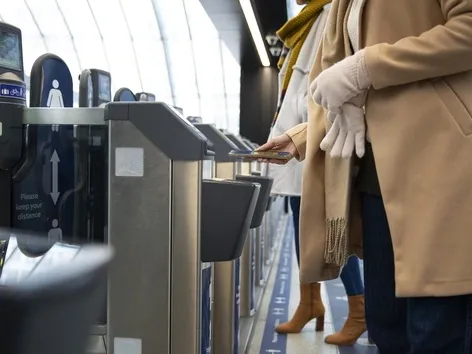
Nowy system wjazdu/wyjazdu UE (EES) jest już aktywny. Poznaj prawdę na jego temat: obalanie mitów dotyczących wiz, ubezpieczeń, opłat i przekraczania granic dla podróżnych spoza UE

EES zbiera tylko dane niezbędne do kontroli wjazdu i wyjazdu: dane paszportowe, daty podróży oraz biometrię (odciski palców i zdjęcia twarzy). Inne informacje osobiste, takie jak codzienne ruchy czy aktywności, nie są śledzone. Dane są chronione przez surowe przepisy dotyczące prywatności w UE i są przechowywane tylko przez ograniczony czas.<\span><\p> Nowy EES nie jest karą ani dodatkową barierą dla podróżnych. Został zaprojektowany, aby przyspieszyć, zwiększyć bezpieczeństwo i poprawić efektywność kontroli granicznych, jednocześnie utrzymując równowagę między bezpieczeństwem a wygodą. Najważniejsze, o czym należy pamiętać: ubezpieczenie pozostaje zalecane, a krótkoterminowe podróże bezwizowe pozostają takie same jak wcześniej. Zaplanuj swoją podróż, sprawdź dokumenty i ciesz się podróżą bez zbędnych zmartwień.<\span><\p> Nowe zasady przekraczania granic UE mogą budzić wiele pytań - od niuansów rejestracji w EES po wybór rodzaju wizy lub przygotowanie dokumentów na dłuższy pobyt.<\i><\span><\span><\p> Specjaliści Visit World w zakresie migracji pomogą Ci:<\i><\span><\span><\p> - dowiedzieć się, czy potrzebujesz rejestracji w systemie EES, wizy lub zezwolenia na pobyt;<\i><\span><\span><\p> - przygotować pakiet dokumentów na krótką lub długoterminową podróż;<\i><\span><\span><\p> - uzyskać porady dotyczące pracy, nauki lub łączenia rodziny w Europie;<\i><\span><\span><\p> - unikać błędów, które mogą prowadzić do odmowy wjazdu.<\i><\span><\span><\p> Uzyskaj indywidualną poradę od eksperta ds. migracji Visit World - i bądź pewny, że Twoja podróż do Europy będzie bezstresowa.<\i><\span><\span><\p> <\span><\p> Przypomnienie! <\span>UE zwiększyła opłatę za ETIAS do 20 euro. Już powiedzieliśmy, kto musi uiścić opłatę, kto jest zwolniony, kiedy system zacznie działać i jak poprawnie ubiegać się o zezwolenie na podróż do strefy Schengen.<\span><\p> Zdjęcie autorstwa Freepik<\i><\span><\p> <\span><\p> <\span><\p> <\span><\p> <\span><\p> Produkty od Visit World na komfortową podróż:<\span><\p> Przewodnik turystyczny <\a>dla 200 krajów;<\p> Porady prawne<\a> od lokalnego specjalisty w zakresie wiz i migracji;<\p> Ubezpieczenie podróżne<\a> na całym świecie (proszę wybrać kraj zainteresowania i obywatelstwo, aby otrzymać usługi);<\p> Ubezpieczenie zdrowotne<\a> na całym świecie.<\p> <\span><\p> <\span><\p> <\span><\p> <\span><\p> Monitorujemy dokładność i aktualność naszych informacji, więc jeśli zauważysz jakiekolwiek błędy lub nieścisłości, proszę skontaktuj się z naszą infolinią.<\a><\i><\p><\div>
<\p>
<\span><\p>
<\i><\span><\p>
<\i><\span><\p>
<\p>
<\p>
<\p>
<\span><\p>
<\span><\p>
<\span><\p>
<\p>
<\p>
Frequantly
asked questions
Kiedy system EES zacznie działać?
Czym jest ETIAS?
Co jeśli przelatuję w tranzycie przez strefę Schengen?
Recommended articles
1 min
Travels
System autoryzacji ETIAS: czym jest, kto będzie go potrzebował i jak się o niego ubiegać
System ETIAS miał rozpocząć działalność na początku 2021 roku, jednak został opóźniony o prawie 2 lata. Teraz wiadomo, że planowana data uruchomienia ETIAS nastąpi nie wcześniej niż w listopadzie 2023 roku. Dowiedz się więcej o tym, kto będzie potrzebował autoryzacji ETIAS i jak uzyskać pozwolenie na bezpieczne podróżowanie do krajów UE
07 sty. 2023
More details1 min
Travels
Podróże w 2025 roku: Kraje, które możesz odwiedzić z wizą USA, UK lub Schengen
Dobre wieści dla turystów – posiadanie ważnej wizy USA, UK lub Schengen może dać ci bezwizowy dostęp do wielu krajów na całym świecie. Dowiedz się, do których krajów możesz podróżować z tymi pozwoleniami
15 maj. 2026
More details1 min
Travels
Kraje Zatoki zgodziły się na stworzenie jednolitej wizy turystycznej w stylu Schengen w 2025 roku. Dowiedz się, jak będzie działać wiza GCC Grand Tours, które kraje obejmuje, kiedy ma zostać uruchomiona i co to oznacza dla podróżnych
25 cze. 2025
More details2 min
Expats
UE uprościła uzyskiwanie wiz Schengen dla obywateli Turcji od lipca 2025 roku: co wiadomo?
UE uprościła zasady uzyskiwania wiz Schengen dla obywateli Turcji od lipca 2025 roku. Nowe zmiany obejmują możliwość wydawania długoterminowych wiz wielokrotnego wjazdu - od 6 miesięcy do 5 lat. Poznaj szczegóły reform, reakcję Turcji i perspektywy dla reżimu bezwizowego
29 lip. 2025
More detailsAll materials and articles are owned by VisitWorld.Today and are protected by international intellectual property regulations. When using materials, approval from VisitWorld.Today is required.