

Nowe zasady dotyczące stałego pobytu w Japonii 2026: co się zmieniło dla cudzoziemców?
Table of contents
- Wymagania dotyczące maksymalnego okresu ważności wizy dla wnioskodawców o stały pobyt w Japonii
- Okres przejściowy do 31 marca 2027: kto jest objęty?
- Przestrzeganie aktualnych warunków wizowych jako warunek wstępny
- Co zmiany oznaczają dla obcokrajowców pracujących w Japonii?
- Przewodnik imigracyjny od Visit World: krok po kroku pomoc w rejestracji stałego pobytu
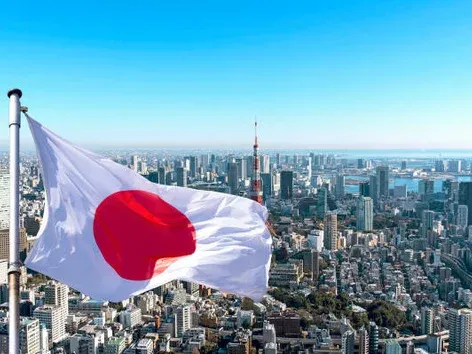
Japonia zaostrzyła wymagania dla cudzoziemców ubiegających się o status stałego rezydenta. Zmiany dotyczą okresów ważności wiz i mają wpływ na każdego, kto planuje długotrwały pobyt w kraju. Dowiedz się więcej o nowych zasadach uzyskiwania stałego pobytu w Japonii oraz o okresie przejściowym dla posiadaczy wiz pracowniczych

Japonia zaktualizowała swoje wymagania dla obywateli obcych, aby uzyskać status stałego rezydenta. Zmiany dotyczą okresu ważności wizy, którą wnioskodawca musi posiadać w momencie składania dokumentów. W rzeczywistości poprzeczka dla uzyskania stałego pobytu została podniesiona — teraz trzeba mieć wizę z maksymalnym możliwym okresem pobytu dla odpowiedniej kategorii.
Kto jest objęty nowymi zasadami, jaki jest okres przejściowy i na co należy zwrócić uwagę — opowiemy więcej w tym artykule.
Czy planujesz uzyskać stały pobyt w Japonii lub innym kraju?
Zamów przewodnik imigracyjny od Visit World — w wygodnym formacie PDF otrzymasz krok po kroku instrukcje, jak ubiegać się o pozwolenie na pobyt, listę wymaganych dokumentów oraz aktualne wymagania dla wnioskodawców.

Wymagania dotyczące maksymalnego okresu ważności wizy dla wnioskodawców o stały pobyt w Japonii
Główna zmiana polega na tym, że wnioskodawcy o stały pobyt muszą teraz posiadać wizę z najdłuższym dozwolonym okresem pobytu w swojej kategorii wizowej. Wcześniej obcokrajowcy mogli ubiegać się o wizę trzyletnią, co było wystarczające. Japońskie władze zrewidowały to podejście i od teraz wymagany jest pięcioletni pobyt dla większości wiz pracowniczych.
W praktyce oznacza to, że służba imigracyjna sprawdzi, czy wnioskodawca uzyskał maksymalny możliwy okres ważności wizy przed rozpatrzeniem wniosku. Innymi słowy, sam fakt legalnego pobytu w kraju przez kilka lat nie jest już wystarczający — konieczne jest potwierdzenie, że japońska strona już przyznała cudzoziemcowi najwyższy poziom zaufania w ramach jego statusu wizowego. Zasada ta obowiązuje od momentu jej wejścia w życie i dotyczy wszystkich nowych wniosków.
Jak uzyskać pozwolenie na pobyt w Japonii — wyjaśniono tutaj.
Okres przejściowy do 31 marca 2027: kto jest objęty?
Dla tych, którzy już przebywają w Japonii na trzyletniej wizie pracowniczej, przewidziano preferencyjny okres przejściowy. Będzie on trwał do 31 marca 2027 roku. W tym czasie władze imigracyjne będą nadal przyjmować wnioski o stały pobyt od posiadaczy wiz trzyletnich i będą liczyć ten okres jako maksymalny.
Umożliwia to obcokrajowcom, którzy już spełniają inne kryteria stałego pobytu, skorzystanie z obecnych warunków i złożenie dokumentów bez konieczności wcześniejszego uzyskania pięcioletniej wizy. Po zakończeniu okresu przejściowego, tj. od kwietnia 2027 roku, wymóg pięcioletniej wizy wejdzie w życie w pełni. Dlatego mieszkańcy z trzyletnim statusem powinni zaplanować swoją aplikację z wyprzedzeniem, aby skorzystać z tej okazji.
Przestrzeganie aktualnych warunków wizowych jako warunek wstępny
Rząd Japonii podkreślił również, że każdy wnioskodawca o stały pobyt musi spełniać wszystkie warunki swojego aktualnego statusu wizowego w momencie składania wniosku. Obejmuje to zapewnienie, że ich działalność zawodowa jest dozwolona w ramach ich specjalizacji wizowej, utrzymanie legalnego pobytu w Japonii oraz spełnienie wszystkich obowiązków imigracyjnych określonych dla ich konkretnego typu wizy.
Naruszenie któregokolwiek z tych warunków może być podstawą do odmowy nadania statusu stałego rezydenta. Nawet posiadając wizę z maksymalnym okresem pobytu, wnioskodawca ryzykuje odmowę, jeśli na przykład zmienił swoje pole działalności bez odpowiedniego zaktualizowania statusu wizowego. Dlatego przed złożeniem wniosku zaleca się przeprowadzenie pełnej kontroli dokumentacji i zgodności ze wszystkimi obowiązującymi wymaganiami.
Usługi Visit World dla turystów, migrantów i ekspatów: Ubezpieczenie | Przewodniki | Porady prawne
Co zmiany oznaczają dla obcokrajowców pracujących w Japonii?
Zaktualizowane zasady sygnalizują pragnienie Japonii, aby widzieć kandydatów na stały pobyt, którzy udowodnili długoterminową stabilność i silne więzi z krajem. Uzyskanie pięcioletniej wizy jest pewnego rodzaju wskaźnikiem, że cudzoziemiec przeszedł już przez kilka cykli przedłużania pobytu, ma stabilną pracę i pozytywną historię imigracyjną.
Dla tych, którzy planują pozostać w Japonii na stałe, teraz kluczowe jest śledzenie okresu ważności swojej wizy z wyprzedzeniem i terminowe ubieganie się o jej przedłużenie z maksymalnym możliwym terminem. Dwuletni okres przejściowy daje pewną swobodę, ale strategiczne planowanie statusu wizowego staje się integralną częścią drogi do stałego pobytu w kraju.
O wizach dla wysoko wykwalifikowanych specjalistów w Japonii (HSP) — przeczytaj tutaj.
Przewodnik imigracyjny od Visit World: krok po kroku pomoc w rejestracji stałego pobytu
Procedura uzyskania pozwolenia na stały pobyt w każdym kraju ma swoje własne cechy, wymagania i niuanse. Japonia jest jaskrawym przykładem tego, jak zasady mogą się zmieniać, a bez aktualnych informacji łatwo popełnić błąd przy składaniu dokumentów. Portal Visit World oferuje przewodnik imigracyjny — wygodny podręcznik PDF, który jest wysyłany na Twój e-mail w ciągu kilku minut i zawiera krok po kroku instrukcje dotyczące uzyskania tymczasowego lub stałego pozwolenia na pobyt, pełną listę wymaganych dokumentów, koszty przetwarzania i terminy rozpatrzenia wniosku, a także praktyczne porady dotyczące przeprowadzki.
Zamów przewodnik imigracyjny od Visit World, aby mieć wszystkie niezbędne informacje pod ręką do legalnej przeprowadzki i uzyskania statusu pobytu w wybranym kraju!
Przypomnienie! Od lipca 2026 roku Japonia potroi swój podatek wyjazdowy do 3,000 jenów i przygotowuje nowe opłaty turystyczne, w tym system JESTA.
Zdjęcie: iStock
Frequantly
asked questions
Czy mogę ubiegać się o stały pobyt w Japonii z trzyletnią wizą?
Ile lat musisz mieszkać w Japonii, aby uzyskać stały pobyt?
Recommended articles
1 min
Education
Japonia upraszcza procedurę wizową dla studentów od 2025 roku: co obcokrajowcy powinni wiedzieć?
Japonia radykalnie zmienia swoje podejście do studentów międzynarodowych w 2025 roku. Dowiedz się o uproszczeniu wiz studenckich, programach w języku angielskim, stypendiach, pracy po studiach i środowisku kulturowym
29 maj. 2025
More details2 min
Travels
Japonia planuje wprowadzenie nowych podatków i opłat w 2026 roku, aby poradzić sobie z rekordową liczbą turystów oraz sfinansować rozwój edukacji i infrastruktury. Dowiedz się, ile turyści będą musieli zapłacić w przyszłym roku
10 lis. 2025
More details1 min
Travels
Krajowe loty dla turystów w Japonii są darmowe: jak zdobyć bilety?
Japonia uruchamia dużą inicjatywę, która pozwala turystom z Wielkiej Brytanii i Europy na uzyskanie do dwóch darmowych krajowych lotów z ANA. Program ma na celu zmniejszenie obciążenia turystycznego Tokio i Kioto oraz zachęcenie podróżnych do odkrywania nowych regionów kraju - od zaśnieżonego Hokkaido po tropikalną Okinawę. W artykule - warunki, zasady rezerwacji, niuanse płacenia opłat i dlaczego ta oferta jest naprawdę wyjątkowa
27 lis. 2025
More details2 min
Travels
Japonia podniesie podatek od wyjazdów w 2026 roku: nowe opłaty, JESTA i co podróżni powinni wiedzieć
Japonia potroi swój podatek od wyjazdów do 3 000 jenów od lipca 2026 roku i przygotowuje nowe opłaty turystyczne, w tym system JESTA. Dowiedz się, kto będzie dotknięty, ile będziesz musiał zapłacić i jak przygotować się do swojej podróży
15 cze. 2026
More detailsAll materials and articles are owned by VisitWorld.Today and are protected by international intellectual property regulations. When using materials, approval from VisitWorld.Today is required.