

Europe's Best Beaches in 2026: Top 10 Summer Vacation Destinations
Table of contents
- Fteri Beach, Kefalonia, Greece
- Porto Katsiki, Lefkada, Greece
- Cala Macarella, Menorca, Spain
- Cala Dei Gabbiani, Sardinia, Italy
- Kaputaş Beach, Turkey
- Praia da Marinha, Algarve, Portugal
- Navagio Beach, Zakynthos, Greece
- Palombaggia Beach, Corsica, France
- Keem Beach, Achill Island, Ireland
- Zlatni Rat, Brač, Croatia
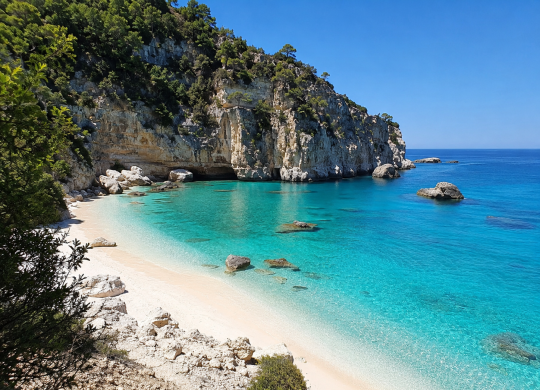
Greek coves, Spain’s hidden beaches, Ireland’s wild coastlines, and Croatia’s famous spots—in 2026, European beaches once again made the list of the world’s best. Experts evaluated water quality, natural landscapes, crowd levels, and the overall vacation atmosphere. Find out which European beaches made the Top 10 and what makes them particularly appealing to tourists

European beaches remain one of the most popular summer vacation destinations, but in 2026, several coastlines stood out from the rest. The World’s 50 Best Beaches ranking includes locations from Greece, Spain, Italy, Portugal, France, Croatia, and even Ireland.
Travel industry experts evaluated not only the beauty of the landscapes but also water clarity, atmosphere, beach congestion levels, and the uniqueness of the natural surroundings. Some places impress with turquoise water and white cliffs, others with wild nature, tranquility, or an unusual setting among canyons and bays. This article compiles the 10 best beaches in Europe for 2026, which are already being called the top seaside destinations of the season.
In our previous article, we wrote about 5 European countries that tourists are hardly visiting in 2026.
Discovering a new country for yourself without the help of travel agents or intermediaries is very simple. All you need is a checklist or a “Travel Guide” from Visit World – a step-by-step guide with all the key information for your trip.
The guide contains information on visa requirements, visa-free entry rules, permitted periods of stay and a list of required documents.
After completing the form, the guide will be sent to your email in PDF format in just a few minutes.
Choose a country and get your travel guide today.

Fteri Beach, Kefalonia, Greece
Fteri Beach on the Greek island of Kefalonia has become one of the top discoveries in the ranking. This location made it onto the list of the world’s best beaches thanks to its combination of nearly untouched nature, a peaceful atmosphere, and incredibly clear water. The beach is located in a secluded cove on the island’s west coast, and can be reached either by boat or via a challenging hiking trail through the hills. That is why, even during peak season, there are significantly fewer tourists here than at popular Greek resorts.
The water near the shore has a bright turquoise hue, and the beach is covered with white pebbles, which make the sea appear even clearer. Due to the lack of numerous bars, hotels, and noisy entertainment, Fteri is often chosen by travelers seeking a peaceful getaway and beautiful natural landscapes without crowds. Swimming, snorkeling, and boat trips along the cliffs are popular here. At the same time, tourists should keep in mind that beach amenities are minimal—it’s best to bring your own water, food, and umbrellas.
The best time to visit Fteri Beach is from June to September, when the Ionian Sea warms up nicely and the weather remains consistently sunny. It’s most comfortable to arrive in the morning or later in the day, when the heat is less intense and the cliffs cast particularly beautiful shadows over the water. For tourists planning a road trip through Kefalonia, it’s important to note that the final stretch of the route to the beach runs along a rough mountain road.
Learn more about the TOP 10 budget-friendly alternatives to the Maldives that will surprise even seasoned travelersby following the link.
Porto Katsiki, Lefkada, Greece
Porto Katsiki on the island of Lefkada has remained one of Greece’s most famous beaches for many years, and in 2026 it was once again included in the list of Europe’s best beaches. The main feature of this location is the massive white cliffs that drop sharply into the bright blue Ionian Sea.
It is the contrast between the light limestone cliffs and the rich turquoise water that has made Porto Katsiki one of the most photographed beaches in the Mediterranean.
The beach has a fairly narrow shoreline with small pebbles, and the water here gets deep quickly, so the spot is better suited for adult tourists and swimming enthusiasts. At the same time, the sea often remains calm and very clean even during the high season. A long staircase leads down from the cliff to the beach, so the descent can be difficult for people with small children or a lot of luggage. Due to the location’s popularity, there are many tourists here in July and August, especially after tour boats arrive.
The best time to visit Porto Katsiki is late May, June, or September, when the temperature is already comfortable but the crowds are much smaller. Tourists also often come here closer to sunset, as the evening light makes the cliffs and the sea particularly vibrant. There are several parking lots, small cafes, and sunbed rental spots near the beach, but parking spaces fill up quickly during peak season, so it’s best to arrive in the morning.

Cala Macarella, Menorca, Spain
Cala Macarella on the Spanish island of Menorca is one of the most famous coves in the Balearic Islands. The beach is shaped like a natural horseshoe, which keeps the water calm even on windy days. This is what has made Cala Macarella a popular spot for family vacations, swimming, and snorkeling. The coastline is surrounded by pine-covered hills and light-colored cliffs, creating an almost “postcard-perfect” Mediterranean landscape.
The beach is known for its crystal-clear, light turquoise water and soft, light-colored sand. Thousands of tourists visit here during the summer season, so in July and August, Cala Macarella is often packed by noon. Because of this, the Menorca authorities even restrict private vehicle traffic during peak months—some tourists get here via shuttle buses or walking trails along the coast. The neighboring cove, Cala Macarelleta, also remains popular; it is located just a few minutes’ walk away and attracts visitors with its more intimate atmosphere.
For a comfortable visit, tourists are advised to arrive at Cala Macarella early in the morning or in September, when the sea is still warm but there are significantly fewer people. The beach has basic amenities—cafes, restrooms, and lounge chair rentals—though prices here are higher during peak season than at Menorca’s less popular beaches. Thanks to its calm waters and beautiful scenery, Cala Macarella is also frequently ranked among Spain’s best beaches for families with children.
In our previous article, we wrote about the TOP 5 uncrowded Mediterranean resorts where you can relax without lines or noise.
Cala Dei Gabbiani, Sardinia, Italy
Cala Dei Gabbiani on the Italian island of Sardinia made the list thanks to its natural beauty and almost perfectly clear water.
The beach is located on the island’s east coast in the Baunei region and is surrounded by tall limestone cliffs. Its main feature is the white pebbles, which create a glowing effect in the water and give the sea a rich turquoise color even on cloudy days.
Getting to Cala Dei Gabbiani isn’t as easy as reaching Italy’s popular city beaches. Most often, tourists arrive here by boat or motorboat from resorts along the Sardinian coast. There are also hiking trails through the mountainous terrain, but they require good physical fitness and take several hours. It is precisely this difficult access that has helped the beach maintain a more peaceful atmosphere even during the summer season. There are no large hotels or noisy beach clubs here—just nature, the sea, and the cliffs.
Cala Dei Gabbiani is especially popular among snorkeling enthusiasts and those who enjoy marine excursions. The water off the coast is very clear, and the underwater world is easily visible even without special equipment. Due to the lack of infrastructure, tourists are advised to bring water, food, and sunscreen. The best time to visit is June and September, when temperatures are comfortable and there are significantly fewer boats near the cove than during the peak of summer.

Kaputaş Beach, Turkey
Kaputaş Beach in southwestern Turkey made the list again in 2026 and became one of the most striking beach destinations in the Mediterranean. The beach is located between the resorts of Kaş and Kalkan at the foot of a narrow canyon, creating a very unusual landscape. It is the combination of high cliffs, deep-blue water, and a small sandy-pebble cove that has made Kaputaş one of the most photographed beaches in Turkey.
To reach the sea, tourists must descend a long staircase from the cliff, but it is precisely this descent that offers one of the most famous panoramic views of the Turkish coastline from above. The water here remains very clear even at the height of the season, and due to underground springs, the sea is sometimes cooler than at other beaches in the region. The beach isn’t very large, so it can get crowded by midday in the summer, especially after tour buses and yachts arrive.
Kaputaş Beach is best suited for tourists who combine a beach vacation with a road trip along the Turkish Riviera. There are small cafes, showers, and rest areas near the beach, though the infrastructure here is limited due to the natural landscape. The best time to visit Kaputaş is in June or September, when the heat is less intense and the sea remains warm. To get beautiful photos, tourists often come here early in the morning, before the cove gets crowded.
Learn more about the 3 cheapest European resorts for a seaside vacation in 2026 by following the link.
Praia da Marinha, Algarve, Portugal
Praia da Marinha in Portugal’s Algarve region has been on lists of Europe’s most beautiful beaches for many years, and in 2026 it once again caught the attention of travel experts thanks to its unique rocky landscapes. The beach is known for its massive golden cliffs, natural arches, and the turquoise waters of the Atlantic Ocean. Photos of Praia da Marinha are frequently used in Portugal’s tourism campaigns, and the location itself regularly makes it onto lists of the world’s most picturesque beaches.
The coastline here is relatively short, and the descent to the beach is via a long staircase through the cliffs. The ocean water is significantly cooler than at Mediterranean resorts, but during the summer season, this often becomes an advantage in the heat. Praia da Marinha is especially popular among fans of snorkeling, kayaking, and boat tours along the Algarve caves. Tourists also often set out from here on boat tours to the famous Benagil Cave, located nearby.
The best time to visit Praia da Marinha is from June to September, although even in high season the ocean here remains quite cool. For a comfortable visit, be sure to bring comfortable shoes, as some of the walking trails follow rocky paths along the coast. Sunset walks are especially popular, when the golden cliffs of the Algarve take on a bright orange hue.

Navagio Beach, Zakynthos, Greece
Navagio Beach on the island of Zakynthos is one of the most recognizable beaches not only in Greece but in all of Europe. The location became world-famous thanks to the shipwreck of the Panagiotis, which has remained right in the middle of the white sand since the 1980s. In 2026, Navagio once again made it onto the lists of Europe’s best beaches due to the combination of towering white cliffs, bright blue water, and the bay’s nearly isolated location.
The beach is accessible only by sea—tourist boats and private vessels run here regularly. However, in recent years, Greek authorities have periodically restricted access to parts of the cove due to the risk of rockfalls, so tourists are advised to check current access rules before traveling. Despite this, Navagio remains one of the country’s most popular natural destinations, and the overlook above the bay attracts hundreds of tourists and photographers every day.
The largest influx of tourists occurs in July and August, so for a more peaceful vacation, it’s best to choose June or September. The water here is very clear and has a rich turquoise color due to the light-colored seabed and limestone formations. To capture beautiful photos, tourists often arrive in the morning when the sun illuminates the bay best. It’s also worth noting that there is virtually no infrastructure on the beach itself, so you’ll need to bring water and other essentials with you in advance.
Learn more about the best Mediterranean islands for a vacation without crowds of tourists by following the link.
Palombaggia Beach, Corsica, France
Palombaggia Beach on the French island of Corsica remains one of Europe’s most prestigious beach destinations. The beach is located near the town of Porto-Vecchio and is known for its light, fine sand, crystal-clear turquoise water, and pine trees growing right along the shore. Unlike many of the Mediterranean’s rocky beaches, Palombaggia has a more “tropical” look, which is why it is often compared to Caribbean resorts.
The beach stretches for several kilometers, so even during peak season, it’s easier to find quieter spots to relax. The water near the shore is shallow and warms up nicely in the summer, making Palombaggia a popular choice for families with children. In addition to classic beach activities, tourists often enjoy stand-up paddleboarding, kayaking, and snorkeling. The region also has many restaurants serving Corsican cuisine and small beach clubs.
The best time to visit is from late May to September, when the air temperature in Corsica consistently stays above 25°C. Due to the beach’s popularity, tourists are advised to book accommodation in Porto-Vecchio in advance, especially in the middle of summer. For travelers by car, it’s important to note that during the season, parking lots near the coast fill up quickly as early as the morning.

Keem Beach, Achill Island, Ireland
Keem Beach on Achill Island off the west coast of Ireland has become one of the most unique beaches. Unlike classic Mediterranean resorts, this location attracts tourists not with heat and palm trees, but with dramatic ocean vistas, green hills, and nearly untouched nature. The beach is located in a secluded cove of the Atlantic Ocean and is surrounded by high cliffs, making it look particularly spectacular from the vantage points along the road.
Keem Beach is known for its clear water and golden sand, although the ocean temperature remains quite cool even in summer. That is why people come here more often for the atmosphere, walks, and scenery rather than for a classic beach vacation. The location is popular among hiking, surfing, and photography enthusiasts. In good weather, panoramic views of the Atlantic and the green Irish hills open up from here, which are very different from the typical resort landscapes of Southern Europe.
The best time to visit Keem Beach is from June to early September, when Ireland has the least rain and the most sunny days. Due to its remote location, tourists are advised to travel by car, as public transportation in this part of the island is limited. For a comfortable trip, it’s also worth packing warm clothes even in summer—the weather on the Atlantic coast can change quickly throughout the day.
In the previous article, we talked about 3 underrated European destinations for summer vacations.
Zlatni Rat, Brač, Croatia
Zlatni Rat on the Croatian island of Brač is one of the most famous beaches on the Adriatic coast and a true symbol of summer vacation in Croatia. In 2026, this location once again made it onto the lists of Europe’s best beaches thanks to its unusual shape and crystal-clear water. The beach is often called the “Golden Horn” because its narrow spit changes direction depending on the wind and ocean currents. This is precisely why Zlatni Rat looks different in photos on different days.
The shore here is covered with small, light-colored pebbles, and the waters of the Adriatic Sea remain very clear even at the height of the tourist season. The beach is especially popular among windsurfers and other water sports enthusiasts, as the wind often picks up along the coast in the afternoon. Pine trees line the beach, providing natural shade—this is one of the reasons why Zlatni Rat is comfortable even on hot summer days.
Most tourists visit in July and August, when the sea temperature reaches around +25°C. For a more peaceful vacation, it’s best to choose June or September, when the beach is less crowded and the weather is still warm. You can get to Zlatni Rat by taking a ferry from Split to the island of Brač, and then by car or bus to the resort town of Bol.
Are you planning a trip and want to prepare without unnecessary stress? Visit World's travel guide contains key tips for travelers: rules of entry and stay, current requirements for tourists, basic safety, transportation and accommodation. Such a guide will help you quickly navigate a new country, avoid common mistakes during your trip, and plan your route taking into account practical nuances that often go unnoticed by tourists.
We remind you! Popular tourist destinations can be a trap. We have already told you which 8 places in the world Fodor’s advises to avoid in 2026 due to overtourism, environmental risks and social tension – and what alternatives to choose instead.
Products from Visit World for a comfortable trip:
Travel guide for 200 countries;
Legal advice from a local specialist on visa and migration issues;
Travel insurance around the world (please select the country of interest and citizenship to receive services);
Medical insurance all over the world.
We monitor the accuracy and relevance of our information, so if you notice any errors or inconsistencies, please contact our hotline
Recommended articles
2 min
Travels
Trip to Cyprus 2026: Best Places, When to Go and What to See
Cyprus is rich in archaeological sites, sun-drenched beaches, clear waters, and amazing rocky coastlines. Here are some of the amazing places in Cyprus that you should visit during your trip
01 maj. 2026
More details3 min
Travels
Top 5 Najmniej Zatłoczonych Kurortów Śródziemnomorskich: Gdzie odpocząć Bez Kolejek i Hałasu
Nawet w szczycie sezonu można znaleźć miasteczka w basenie Morza Śródziemnego bez tłumów turystów—z nieskazitelnymi plażami, historyczną architekturą i spokojną atmosferą. Istnieje kilka niedocenianych miejsc, które są idealne na wakacje letnie. Dowiedz się, gdzie jechać w 2026 roku, aby uniknąć kolejek, hałasu i zatłoczonych kurortów
02 maj. 2026
More details3 min
Travels
Cheap Maldives Alternatives: 10 Budget Paradise Destinations with Stunning Beaches
The Maldives remain a symbol of the perfect vacation, but accommodation and transfer costs often exceed the budget of most travelers. At the same time, there are dozens of destinations around the world with the same turquoise waters, white sands, and tropical paradise vibe—but at a much lower cost. Learn more about 10 budget-friendly alternatives to the Maldives that will surprise even seasoned travelers
03 maj. 2026
More details3 min
Travels
Hiszpania zaostrza przepisy dla turystów w 2026 roku: nowe kary na Majorce i Ibizie
Hiszpania zaostrza przepisy dla turystów w popularnych kurortach z powodu masowej turystyki, głośnych imprez i skarg lokalnych mieszkańców. Nowe kary za picie alkoholu w miejscach publicznych, hałas w nocy i naruszenia porządku publicznego są już w mocy na Majorce i Ibizie, a hotele zmieniają swoje zasady all-inclusive. Dowiedz się więcej o nowych ograniczeniach dla turystów w Hiszpanii w 2026 roku i co teraz może skutkować karami w wysokości tysięcy euro
07 maj. 2026
More detailsAll materials and articles are owned by VisitWorld.Today and are protected by international intellectual property regulations. When using materials, approval from VisitWorld.Today is required.