

Munich Oktoberfest 2025: history and program of the festival, tents and other important details
Table of contents
- What is Oktoberfest?
- Interesting facts about Oktoberfest
- Who takes part in the festival?
- The program of the Oktoberfest 2025 festival
- Other important things to know about the 2025 Oktoberfest schedule
- Family days at the festival
- Beer tents and their menus
- Prices for visiting Oktoberfest
- The best hotels and hostels to stay in Munich during Oktoberfest
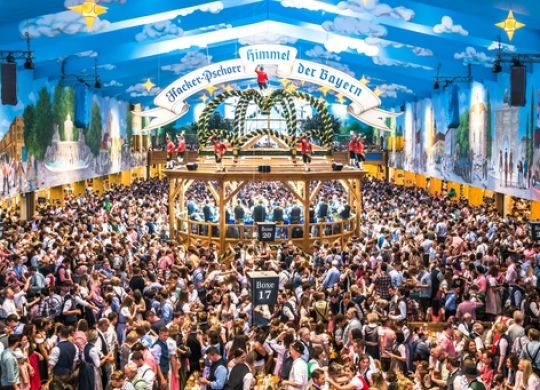
Every year, Munich hosts the largest beer festival in the world at the end of September, attracting more than 6 million tourists. Find out more about the schedule, tents, and program of the Oktoberfest 2025

The Oktoberfest is a grand festival that attracts millions of visitors to Munich every year. This event, which is listed in the Guinness Book of Records as the largest celebration in the world, is famous for its unique atmosphere.
Oktoberfest is 16 days filled with vivid emotions, aromas of freshly brewed beer, spicy dishes and the sounds of traditional Bavarian music. Munich residents look forward to this event 349 days a year to plunge into the festive atmosphere along with millions of tourists from all over the world. This festival has long been a symbol of Bavarian culture and traditions. According to statistics, the most frequent visitors to Oktoberfest are citizens of Germany, Italy, Austria, and the United States.
This year, the festival dates are from Saturday, September 20, 2025 - Sunday, October 5, 2025.
What is Oktoberfest?
Every year at the end of September, Munich's Theresienwiese Meadow hosts one of the largest festivals in the world - Oktoberfest. It is a beer festival that gathers about 6 million visitors from all over the world. Its history began on October 12, 1810, when the first celebrations were held in honor of the wedding of Crown Prince Ludwig and Princess Therese of Saxony-Hilburghaus, which included horse races and treats for ordinary people. It was so popular that the event became an annual tradition.
Over time, Munich grew, and what used to be a suburb became the center of the metropolis. In 1904, due to a cold snap in October, the celebration was moved to September, allowing the tradition to continue in more comfortable conditions. Since 1960, Oktoberfest has gained international status, attracting not only Germans but also visitors from all over the world.
The festival begins with a solemn brewers' procession, when crowds of people in national costumes march through the city to the sound of a brass band. The first glass of beer is opened by the mayor of Munich, and the right to take the first sip belongs to the president of Bavaria. This symbolic act is accompanied by fireworks and gun salutes, which announce the official start of the festival.
The Oktoberfest lasts 16 days and includes a variety of events, including a parade of national costumes, a day dedicated to children, and services in memory of the late brewers. The main emphasis remains on beer, which is produced exclusively in Germany, and is brewed specifically for the festival in early March to ensure that there are sufficient supplies by the end of September. Beer is served in large liter mugs and is consumed leisurely, accompanied by traditional Bavarian snacks such as pork shanks, bratwurst, sausages, grilled chicken, and fire-roasted oxen.
In addition to beer and food, Oktoberfest also offers entertainment, including roller coasters, merry-go-rounds, and a huge Ferris wheel that offers picturesque views of Munich and the Alps. This holiday is not only a tribute to traditions, but also a unique opportunity to experience the unique atmosphere of Bavaria.
Interesting facts about Oktoberfest
Oktoberfest is a beer festival that has been held in Germany for more than two centuries, but its exact dates change every year. Traditionally, the celebration begins with the bright and colorful Brewers' Procession. This event is so popular that tickets are sold out in advance.
The main drink of the festival is a beer specially brewed for Oktoberfest. It has a rich malt flavor, and its alcohol content varies from 5.8% to 6.3%. The beer is served with flavorful fried chicken, spicy brats, grilled fish, and spicy Munich sausages.
The festival is also popular with children, as there are special treats, soft drinks, and entertainment such as carousels, miniature railroads, and a Ferris wheel. However, it's worth remembering that entry to beer tents is only possible with pre-purchased tickets, so it's best to take care of this in advance.

Who takes part in the festival?
In 1985, the Bavarian Oktoberfest was listed in the Guinness Book of Records as the largest celebration in the world, attracting about 7 million visitors. Every year, the number of guests continues to grow, confirming the festival's status as one of the largest events on the planet. According to foreign sources, the majority of guests (about 70%) are local Bavarians, while the remaining 30% are tourists from other German states and around the world. However, the Germans themselves often deny this, believing that most visitors come from abroad.
At the festival, you can hear not only Bavarian, but also many other languages, including English, Italian, Swedish, Norwegian, Ukrainian, Russian, and Greek. This multinational character only emphasizes the importance of Oktoberfest as a global event that brings together beer lovers from all over the world.
The program of the Oktoberfest 2025 festival
Saturday, September 20
09:00 - Oktoberfest begins - tents open, but beer is not yet served.
11:00 - Opening Parade - a ceremonial procession with horses and marching bands.
Sunday, September 21
10:00 - Costume Parade - a traditional parade with costumes, bands and horse-drawn carriages.
All day - Gay Sunday - celebration in the Pschorr-Bräurosl tent, a party for the LGBT+ community.
Tuesday, September 23
All day until 19:00 - Family Day - discounts on attractions and shows for children.
Thursday, September 25
10:00 - Church Service - a traditional service for festival workers in the Marstall tent.
Saturday, September 27
After the siesta – Italian Weekend – a party for guests from Italy in the Löwenbräu tent.
Sunday, September 28
11:00 AM – Brass Band Concert – Bands from the beer tents gather for an open-air concert.
Tuesday, September 30
All day until 7:00 PM – Family Day – discounts on attractions and shows for children.
Sunday, October 5
12:00 PM – Cannon Fire – the traditional fireworks display to mark the end of the festival.
11:30 PM – Unofficial Closing – a celebration in the Hacker-Pschorr tent with songs and lights.
Other important things to know about the 2025 Oktoberfest schedule
Beer serving hours
- Weekdays: 10:00 AM to 10:30 PM.
- Saturday, Sunday and public holidays: 9:00 AM to 10:30 PM.
- Oktoberfest ends at 00:30 (Käfers Wiesnschänke and Weinzelt are open until 01:00 AM).
Opening hours of the shops on the Theresienwiese
- Monday - Thursday: 10:00 AM - 11:30 PM
- Friday: 10:00 AM - 12:00 AM
- Saturday: 9:00 AM - 12:00 AM
- Sunday: 9:00 AM - 11:30 PM
Attractions and shows on the fairground
- Monday - Thursday: 10:00 AM - 11:30 PM;
- Friday, Saturday: 10:00 AM - midnight
- Sunday: 10:00 AM - 11:30 PM.
Family days at the festival
If you think that Oktoberfest is exclusively for adults, you are mistaken. Every Tuesday, the festival hosts special family days, during which prices for attractions are reduced, and many tents offer a children's menu. Children under 6 years old are allowed to attend the festival on other days, but only until 20:00.
For the convenience of families with children, Oktoberfest provides everything you need. Children can have fun in specially designated areas, and parents have access to stroller parking and microwave ovens to heat up baby food. Entertainment for children includes a flea circus, bowling, raffles, archery and crossbow, making the festival fun for both children and adults.

Beer tents and their menus
Germany is famous for its brewing, and this is not surprising, because the country brews about 5000 varieties of beer. However, only the best Munich breweries are allowed to present their drinks at the Oktoberfest festival. For this event, they brew a special beer called Oktoberfestbier or Wiesnbier. This beer is characterized by low carbonation and a high alcohol content of 5.8-6.3%.
As early as 1516, Duke Wilhelm IV approved a law on beer purity that regulated the production process and limited the use of ingredients to hops, barley and water. This law, known as the Reinheitsgebot, was for a long time only in effect in Bavaria, but in 1906 it was extended to the whole of Germany. Thanks to these strict rules, Bavarian beer is considered one of the best in the world.
At the festival, beer is served in large liter mugs that cost about 10 euros. Although the price seems high, it is part of the unique Oktoberfest experience. There are 29 large covered tents on Theresienwiese Meadow, where the festival takes place, of which 14 are the iconic beer pavilions, or Festhalle. The smallest of the large tents, Weinzelt, can accommodate 2,500 people, while the largest, Winzerer Fahndl, can host up to 10,900 guests and is even listed in the Guinness Book of Records as the largest beer tent in the world.
Each pavilion has its own unique atmosphere that emphasizes the features of the beer brand and Bavarian cuisine. Some tents are decorated with frescoes, others with stuffed animals, and others with branches of natural hops. There are pavilions that serve only fish or pork, and some roast whole bulls on a spit.
It's not easy to get into the pavilion - tickets are reserved as early as February, so those who want to attend the festival without a reservation have to stand in lines for up to 4-6 hours. People of different social groups, including VIPs, football fans, pensioners and families with children, rest in the tents, so choosing a pavilion for the first visit is of great importance.
Each pavilion also has its own biergarten (beer garden), where beer can be drunk outdoors. Here the drink is cheaper - about 8 euros, and you are allowed to bring food with you.
Prices for visiting Oktoberfest
Foreigners have several options for visiting Oktoberfest, depending on their preferences and budget. One popular way is to buy a tour through travel companies that organize trips to the festival. A tour package usually includes a flight or bus ride, hotel reservation, visa, and possibly tickets to the beer tents. The main expenses include tickets to Germany (the cost depends on the country of departure), a visa for 35 euros, tour operator services for about 25 euros (without consular fees), hotel accommodation from 150 euros per night, and an entrance ticket to the beer tent for about 140 euros, which includes 2 liters of beer and a snack.
Traveling by comfortable bus gives tourists autonomy and the opportunity to enjoy the trip without additional organizational efforts. Another option is to travel by your own car or camper, although this can create some difficulties, such as parking difficulties in Munich, where parking around the Theresienwiese is prohibited.
Beer prices at the festival range from 12 to 15 euros per liter, and two sausages will cost from 8 euros. Half a chicken carcass will cost 14 euros. If you plan to reserve a table for 10 people, it will cost about 480 euros, including the chosen beer and snacks. But it is important to reserve a place in advance, as the demand for seats is very high.
The best hotels and hostels to stay in Munich during Oktoberfest
Visiting Oktoberfest is an unforgettable experience, but to fully enjoy the celebration, it is important to find a comfortable place to stay. Munich offers a wide range of hotels and hostels to suit all budgets and preferences:
1. Hotel Bayerischer Hof: a luxurious five-star hotel located in the center of Munich, just a few steps away from the city's main attractions. The Bayerischer Hof offers excellent service, spacious rooms and sumptuous restaurants;
2. Sofitel Munich Bayerpost Hotel: located near the central station, which makes it easy to get to the festival. This five-star hotel combines historic architecture with modern amenities, offering guests luxurious rooms, a spa and several restaurants;
3. Aloft Hotel München: a modern three-star hotel located in the city center, close to the main tourist sites and Oktoberfest. The hotel offers stylish and comfortable rooms, free Wi-Fi and a convenient location for those who want to experience the atmosphere of the city;
4. MEININGER Hotel München City Center: For those looking for a more affordable option, MEININGER Hotel München City Center is a great choice. Located near the Theresienwiese, this hostel combines affordability and comfort. The hotel has common areas, a bar and a kitchen for guests;
5. Wombat's City Hostel Munich: one of the most popular hostels among young people and tourists traveling on a budget. The hostel offers clean and cozy rooms, a bar, and a convenient location that makes it easy to get to the Oktoberfest;
6. Gspusi Bar Hostel: a small but atmospheric hostel offering cozy accommodation in the center of Munich. Thanks to its location, guests can quickly get to the festival and enjoy all the benefits of city life. The hostel has a bar where you can relax after a busy day at the Oktoberfest;
7. Hotel Uhland: located in a quiet neighborhood near Theresienwiese Meadow, making it a great choice for Oktoberfest visitors. This family-run hotel offers cozy, traditionally styled rooms and a warm atmosphere that adds a sense of home;
8. LetoMotel München City Nord: offers affordable prices and a convenient location close to transportation links, making it easy to get to the city center and Oktoberfest. It is an ideal option for budget travelers who do not want to sacrifice comfort.
During Oktoberfest, the demand for accommodation in Munich is very high, so it is recommended to book hotels or hostels in advance. Some hotels offer special packages for festival guests that include tickets to beer tents or other additional services. To avoid troubles, you should also check the cancellation policy.
We remind you! Planning a trip to Germany in 2025? Learn about current entry regulations, visa types, the most interesting tourist locations, useful tips for travelers, and important safety recommendations. This guide will help you prepare for your trip and make it as comfortable and safe as possible.
Products from Visit World for a comfortable trip:
Travel guide for 200 countries;
Legal advice from a local specialist on visa and migration issues;
Travel insurance around the world (please select the country of interest and citizenship to receive services);
Medical insurance all over the world.
We monitor the accuracy and relevance of our information, so if you notice any errors or inconsistencies, please contact our hotline.
Recommended articles
3 min
Travels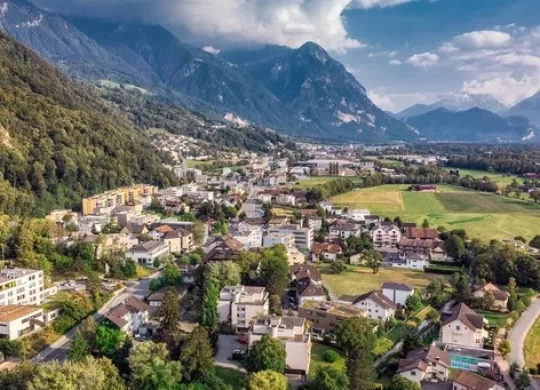
Travel to Liechtenstein: what to see, what to do, entry rules and useful tips
Liechtenstein, despite its small size, is a popular tourist destination due to its stunning natural scenery, rich history and cultural attractions. Find out what to see, what to do in Liechtenstein and what entry rules are relevant in 2025
20 Aug. 2025
More details1 min
Travels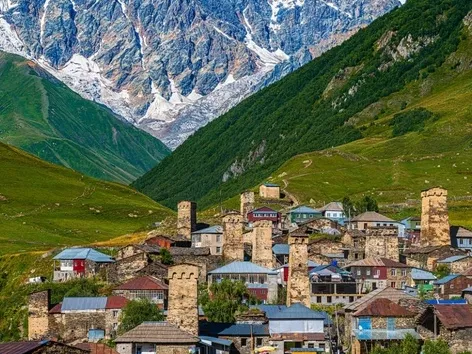
Off-the-Beaten-Path Destinations 2025: Unique Places to Visit Before Everyone Else
Looking for fresh adventures in 2025 that go beyond the usual tourist spots? Discover the best off-the-beaten-path destinations for 2025 – from hidden European lakes to remote Patagonian valleys
09 Aug. 2025
More details2 min
Air travel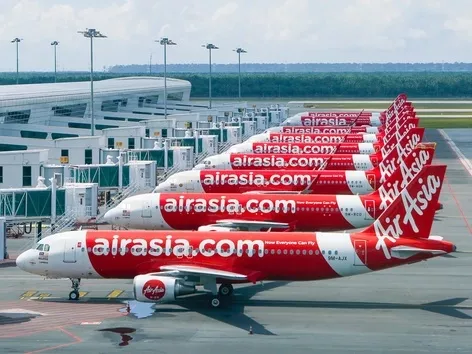
Ranking of the best low-cost airlines in the world 2025: who do passengers choose?
Skytrax has released its ranking of the world's best budget airlines for 2025. The top 10 includes AirAsia, Scoot, IndiGo and others. Find out which low-cost airlines are leading in the world and by region, as well as what to look for when choosing an airline for your trip
16 Aug. 2025
More details2 min
Travels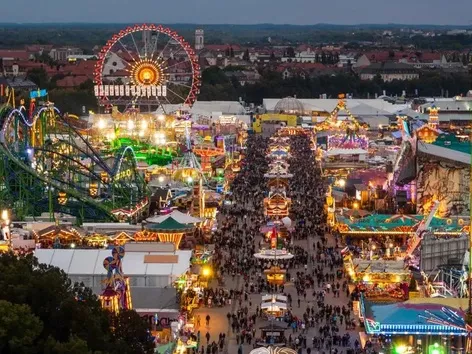
Where to go in September 2025: tips from National Geographic
September is easily a great month for your vacation. Find out where to go in September 2025: National Geographic recommends five ideal travel destinations — from Germany and Sicily to Namibia and Slovenia. Benefits of a fall vacation, practical tips, alternative routes and cultural events around the world
24 Aug. 2025
More detailsAll materials and articles are owned by VisitWorld.Today and are protected by international intellectual property regulations. When using materials, approval from VisitWorld.Today is required.